
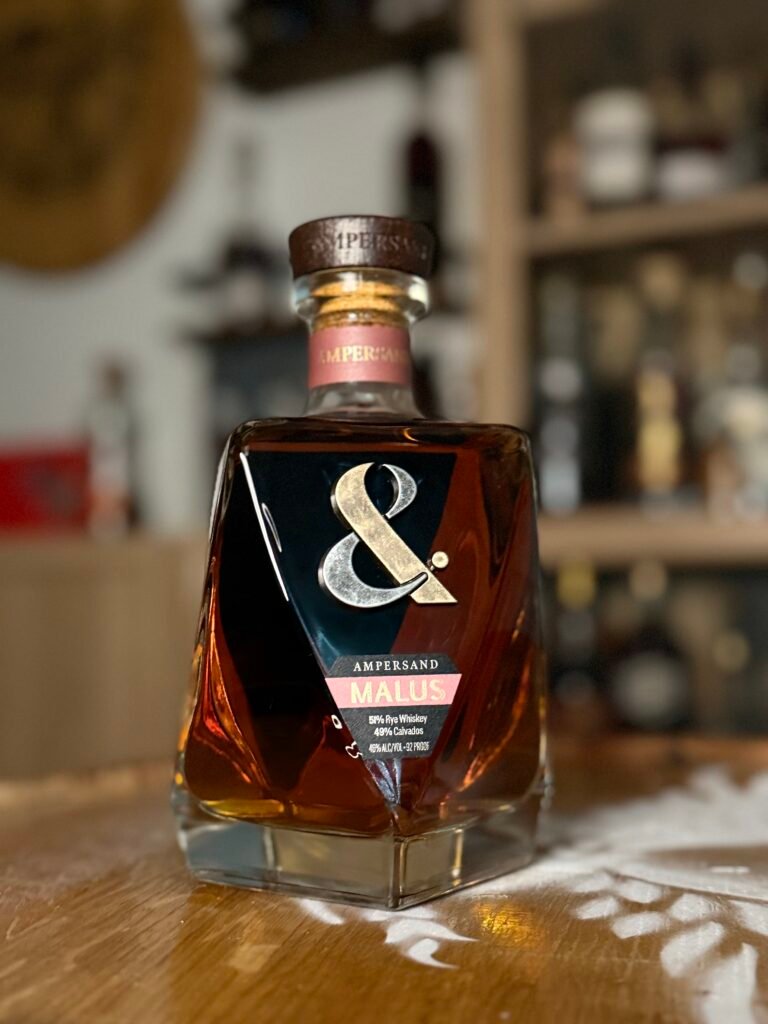
An eight-year-old rye and French Calvados apple brandy come together in one of the more distinctive spirits blends of the year. Malus is an adventurous, apple-forward pour that pushes well beyond traditional whiskey expectations.
Stats
- Type: Blend of Straight Rye and Calvados
- Age: min 8 year
- Proof: 92 (46% ABV)
- Mashbills: 95% Corn │ 5% Rye & 100% apple (specific provenance not given)
- Origin: Sempreon (MGP) — Lawrenceburg, Indiana & undisclosed French brandy distillery
- Additional Aging: Minden Mill Distillery — Minden, Nevada
- Release: Wide release
- MSRP: $59 / 750 mL (via Ampersand)
Tasting Notes
- Nose: Immediately apple-forward, with the character of overripe apples that have fallen from the tree and begun to ferment. Grape Bottle Caps, dark sweetness, red wine-like tannins, and golden raisins add layers of fruit and depth.
- Palate: The apple brandy continues to lead, bringing overripe red apple and prune alongside smoky red wine characteristics. A decent amount of baking spice provides some needed contrast, particularly cinnamon and warmer rye-driven notes.
- Finish: The finish opens with a relatively quick burst of baking spices and a hint of mint. Overripe apple and Grape Bottle Caps linger considerably longer, with baking spices eventually returning for a moderate finish.
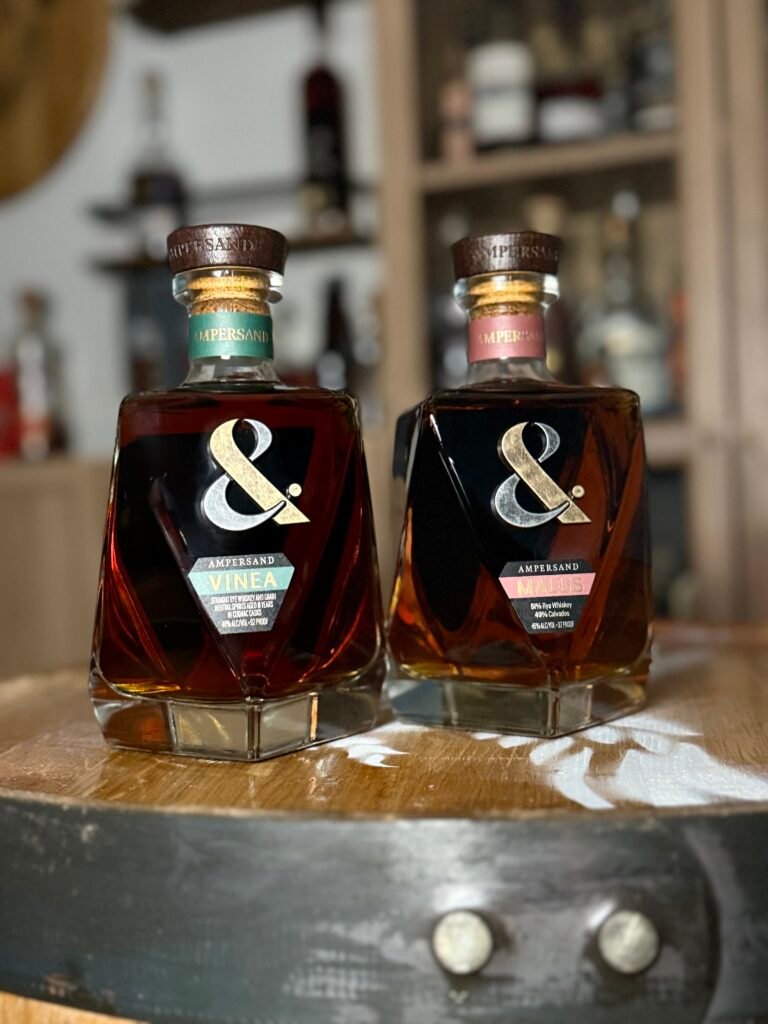
Blended by Chip Tate in collaboration with Minden Mill Distilling in Nevada, Ampersand takes an unconventional approach to spirits blending. Rather than staying within the familiar boundaries of traditional whiskey, these releases bring together distinct aged components to create something that challenges expectations.
Malus combines two eight-year-old components: 51% straight rye whiskey and 49% French Calvados apple brandy. The result is a blend where apple brandy takes center stage, with rye spice providing a complementary layer of structure and warmth.
It’s an unusual combination, and one that makes considerably more sense when approached as an exploration of blending rather than a conventional rye whiskey.
Presentation
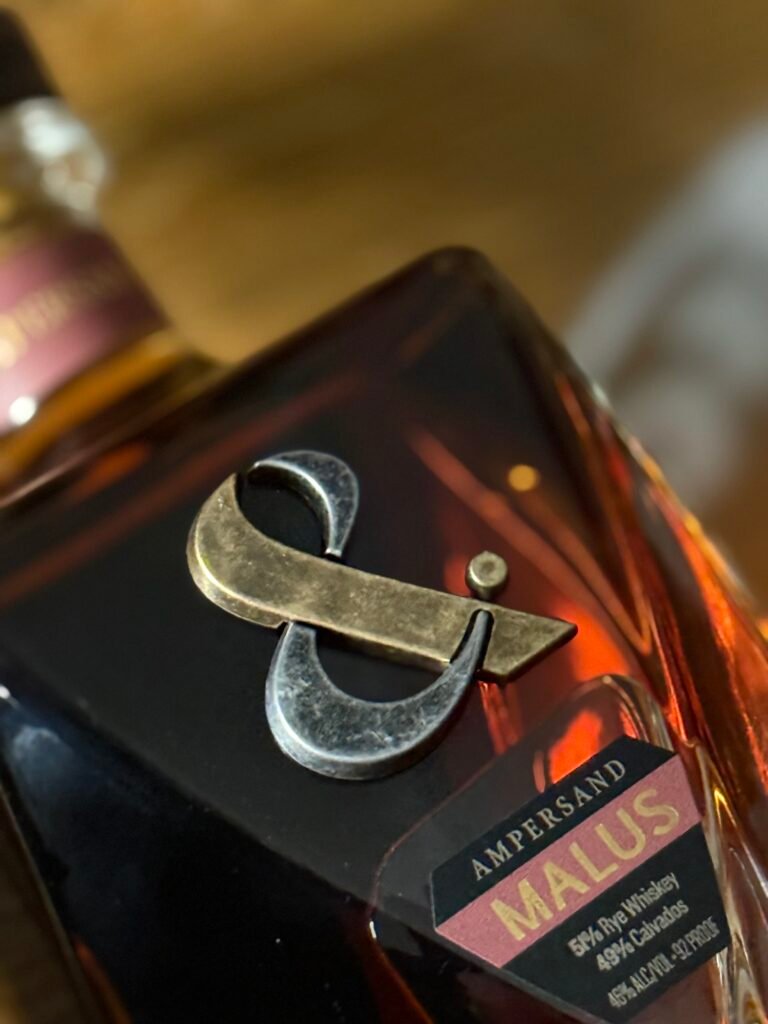
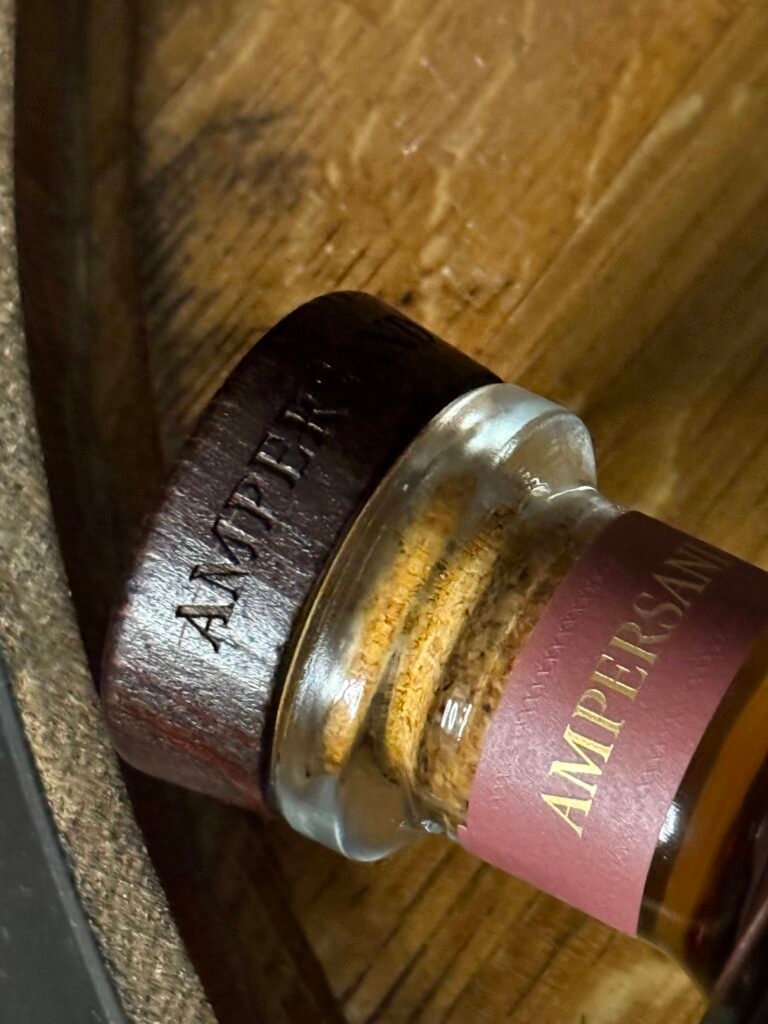
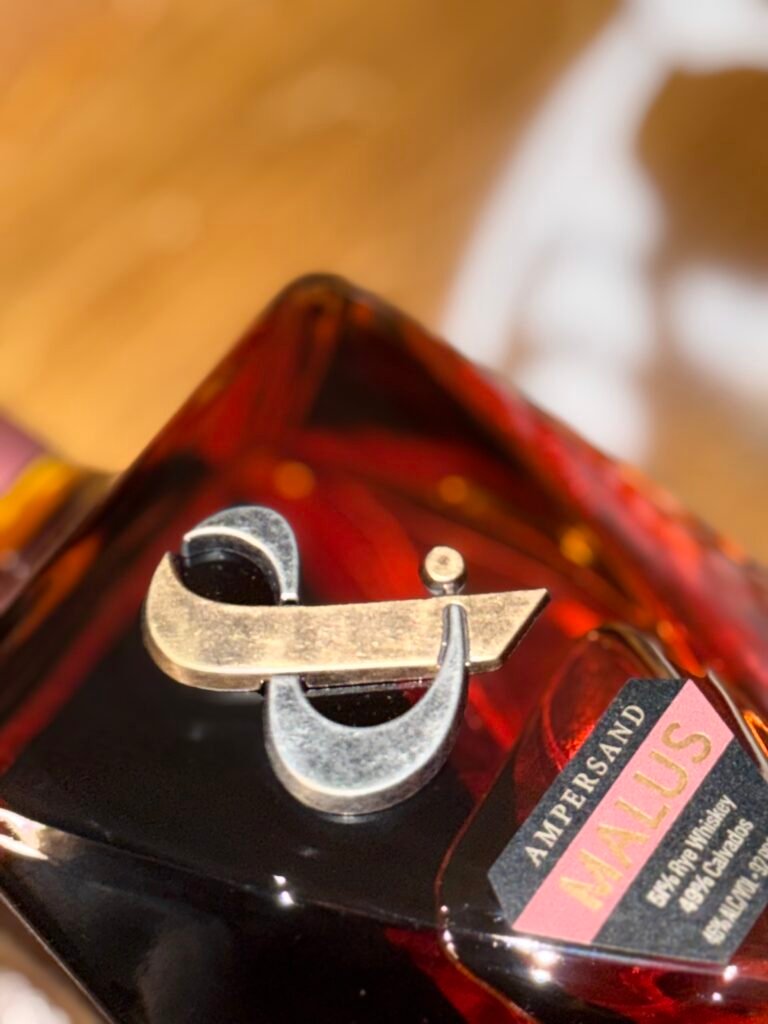
Ampersand has delivered one of the coolest bottle designs in the current whiskey and spirits landscape. The distinctive shape and prominent metal Ampersand symbol give Malus an unmistakable presence on the shelf.
This is a bottle that catches your attention before you even know what’s inside. Regardless of whether the flavor profile ultimately suits your preferences, the presentation is a genuine standout.
Distinctiveness
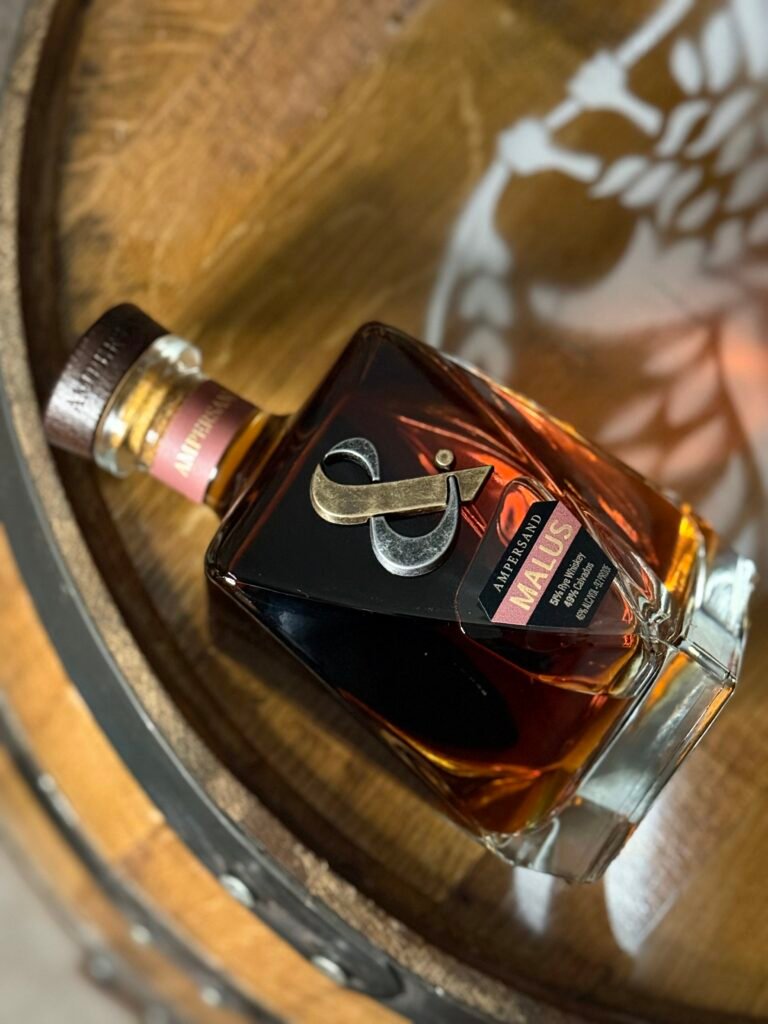
Between Malus and its sibling release, Vinea, Ampersand has delivered two blends that sit well outside the typical whiskey experience. Malus is particularly interesting because of how effectively it brings together two very different components.
The apple brandy is unmistakably dominant, but the rye provides enough baking spice to keep the blend from becoming entirely one-dimensional. The combination produces something reminiscent of cinnamon apple, with deeper overripe fruit characteristics adding complexity.
I’d be particularly interested in tasting this at a higher proof. More intensity might allow the rye spices and fruit characteristics to emerge with even greater definition. As it stands, though, Malus is one of the more unusual and memorable blends I’ve encountered this year.
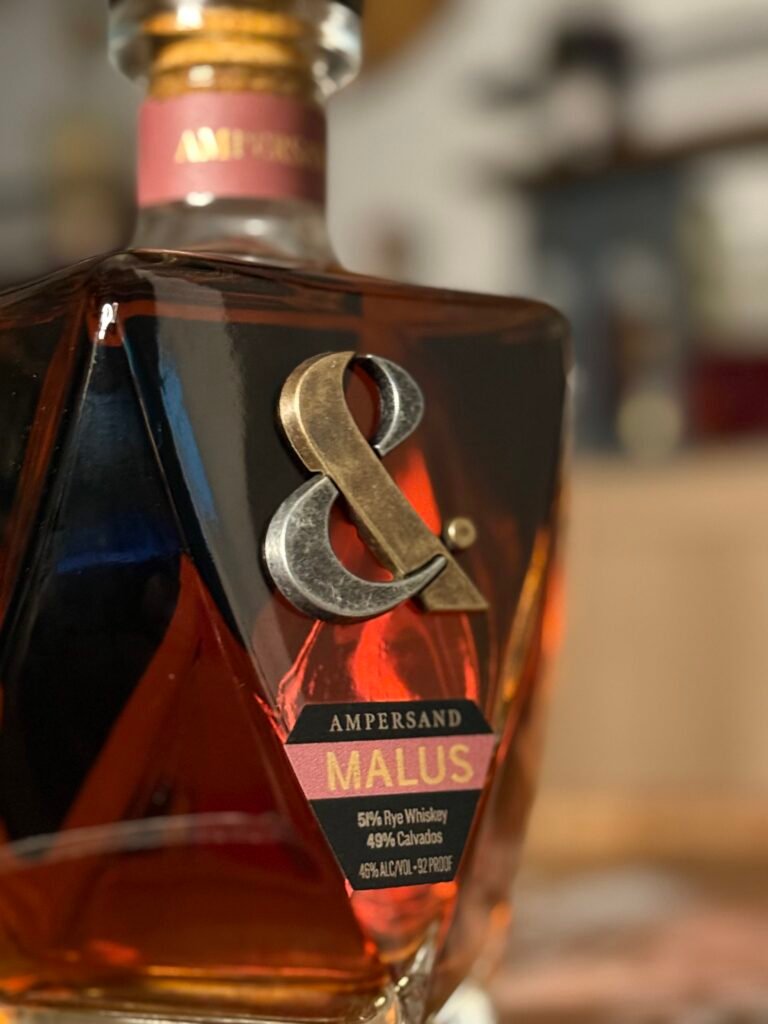
“Malus is one of the more unusual and memorable blends I’ve encountered this year.”
Transparency
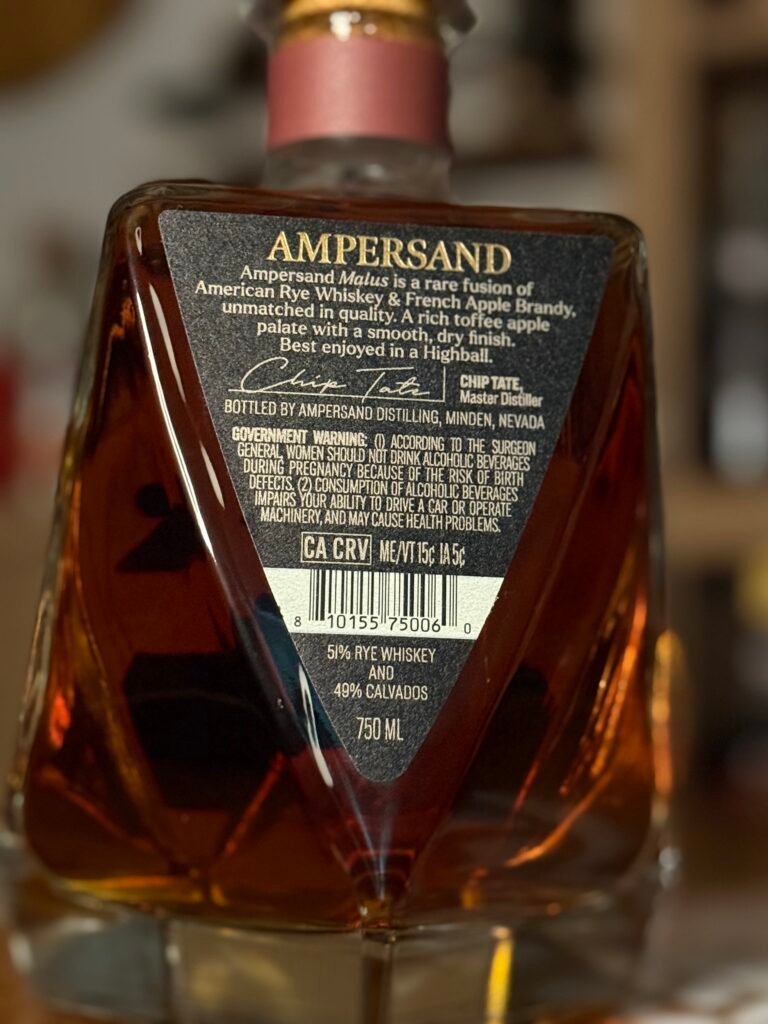
Ampersand provides a reasonable amount of information about the blend, including the 51% rye and 49% Calvados composition. The rye is identified as MGP-sourced, while the apple brandy is disclosed as French Calvados.
I’d like to see more specifics about the Calvados component, particularly its producer, origin, and type of apple used. Still, knowing the age and percentage of each component gives consumers a meaningful understanding of what they’re purchasing.
Value
One of Malus’s more compelling attributes is the age of its components. Both the rye and Calvados are eight years old, which gives the blend an interesting foundation from a value perspective.
Of course, value is particularly subjective with a release like this. You’re not purchasing a conventional rye whiskey, and the appeal depends heavily on whether you enjoy the apple brandy influence. For someone who appreciates that combination, two eight-year-old components in a thoughtfully constructed blend make for an interesting proposition.
If you’re looking for a traditional rye experience, however, the value equation becomes considerably less straightforward.
Buy if:
- You enjoy apple-forward spirits and Calvados.
- You appreciate unconventional blends that challenge traditional whiskey expectations.
- You like the combination of cinnamon, baking spice, and overripe fruit.
- You’re curious about what happens when two distinct eight-year-old spirits come together.
Skip if:
- You prefer traditional rye whiskey profiles.
- You dislike prominent apple brandy characteristics.
- You want a higher-proof spirit with more intensity and concentration.
- You expect the rye component to be the dominant flavor.
Verdict
Ampersand Malus is an interesting exercise in blending, and one that demonstrates Chip Tate’s willingness to push beyond what we traditionally consider whiskey. The combination of eight-year-old rye and Calvados creates a spirit that is unmistakably apple-forward, with overripe red fruit, grape-like sweetness, and baking spices providing a moderately balanced experience.
That said, it’s not necessarily a profile I’d reach for regularly. The Calvados takes the lead throughout, and while the rye provides some welcome contrast, I’d love to see what a higher proof might do to bring those flavors into sharper focus. This is a release where the concept and execution are arguably more impressive than the personal drinking experience.
Still, there’s something to appreciate about a blend that doesn’t simply attempt to replicate something already on the market. Malus is genuinely distinctive, and it continues to demonstrate Chip Tate’s ability to approach blending as an art rather than a formula. It might not be my preferred profile, but it’s certainly worth exploring if you’re interested in seeing where the boundaries of whiskey and spirits can go.
Bourbon Bishop Bottom Line:
An adventurous, apple-brandy-forward blend that pairs overripe fruit with rye spice, delivering something genuinely different even if it’s not everyone’s preferred pour.
For those who prefer numbers, here’s the full score breakdown:
- Nose: 3.5 / 7
- Palate: 3.5 / 7
- Finish: 3.75 / 7
- Presentation: 6.5 / 7
- Distinctiveness: 6.25 / 7
- Transparency: 6 / 7
- Value: 4.75 / 7
Bourbon Bishop Rating: 4.89 / 7 – Angelic
Good to great. Often high value for the price.
| Score | Descriptor | Notes |
|---|---|---|
| 0–1 | Hell No | Drain pour. Seriously undrinkable. |
| 1.1–2 | Purgatory | Bad, but could be worse. Only in extreme cases. |
| 2.1–3 | Only Earthly | Just okay. Best used as a mixer. |
| 3.1–4 | Bliss | Passable to Good sipper. Works well in cocktails. |
| 4.1–5 | Angelic | Good to great. Often high value for the price. |
| 5.1–6 | Divine | Top-shelf. Must-buy for fans of the style. |
| 6.1–7 | Holy Heaven | Out-of-this-world. A true unicorn. |
Disclosure: This bottle was provided to me free of charge for review. All opinions are my own.
About Ampersand
Ampersand is part of the Foley Family’s growing spirits portfolio, alongside Minden Mill and Burnt Tavern. With whiskey innovator Chip Tate leading the blending and distilling vision, the brand takes an exploratory approach to spirits, bringing together distinctive components and unconventional combinations that challenge traditional expectations of what whiskey can be.
At the heart of Ampersand is a willingness to experiment. From unusual spirit combinations to thoughtful maturation and blending, Chip Tate’s approach puts creativity and craftsmanship at the forefront. The result is a collection of releases that don’t necessarily fit neatly into familiar whiskey categories, and aren’t particularly interested in doing so.
Whether every experiment lands exactly where you might hope is part of the conversation. What makes Ampersand interesting is its willingness to push boundaries, explore new possibilities, and give drinkers something genuinely different to consider.

Related Articles
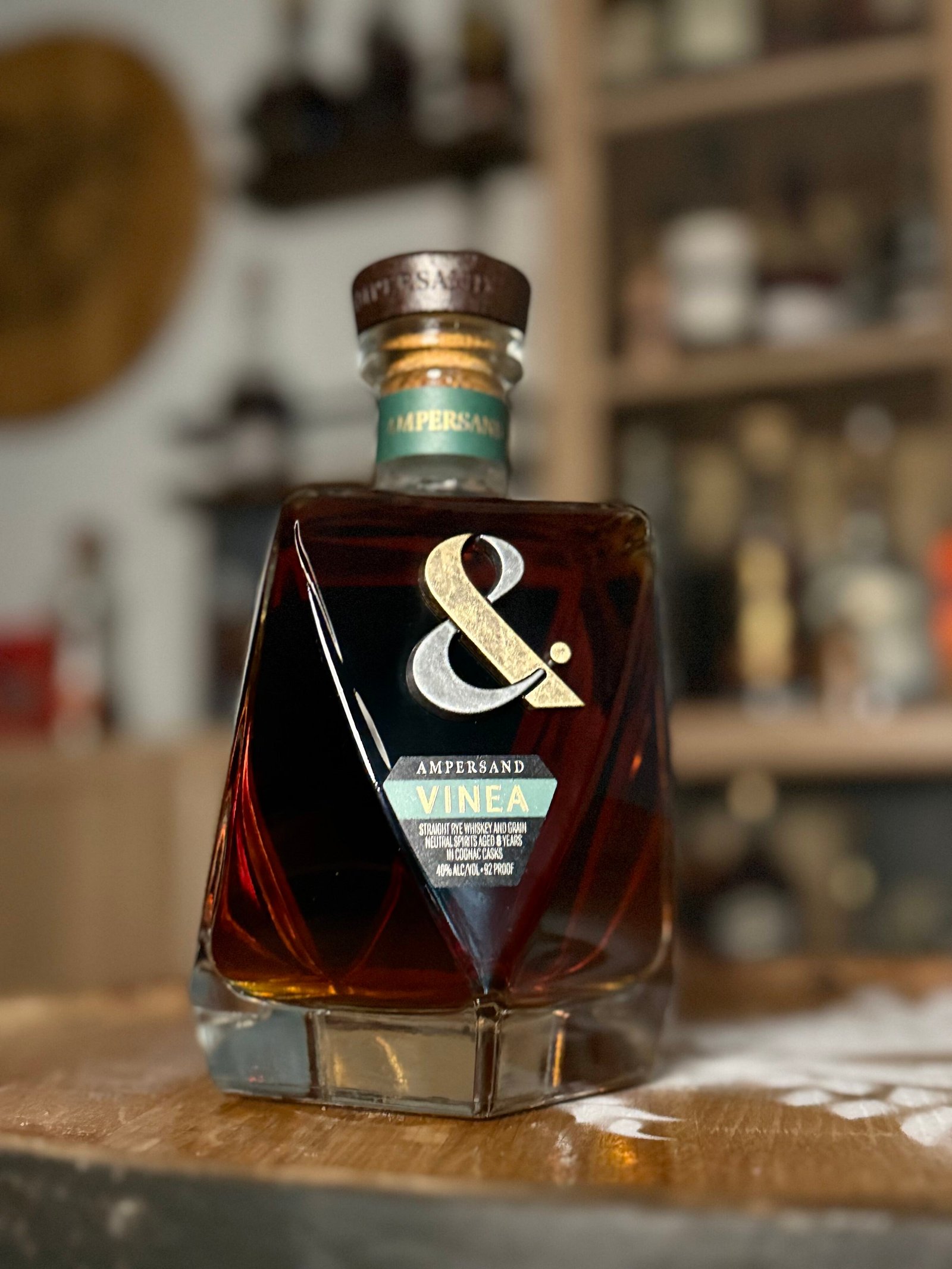
Ampersand Vinea blends 8-year-old rye with grain neutral spirit aged in cognac casks. Explore tasting notes, complexity, transparency, and value.
Extinct Spirits Extinction Event No. 1: The Dodo Bird is a 114.2-proof, nearly 10-year-old Kentucky bourbon featuring rich maple, dark fruit, mature oak, and an intriguing smoky edge. A distinctive limited release worth serious attention.
Angel’s Envy Stout and Amburana Finished blends stout-barrel chocolate and cherry with warming cinnamon, ginger, and a lingering Mexican hot chocolate finish.
Redwood Empire The Hyperion blends bourbon, rye, wheat whiskey and American single malt aged 7–14 years. Explore tasting notes, transparency, value and our verdict on this $99, 110-proof release.
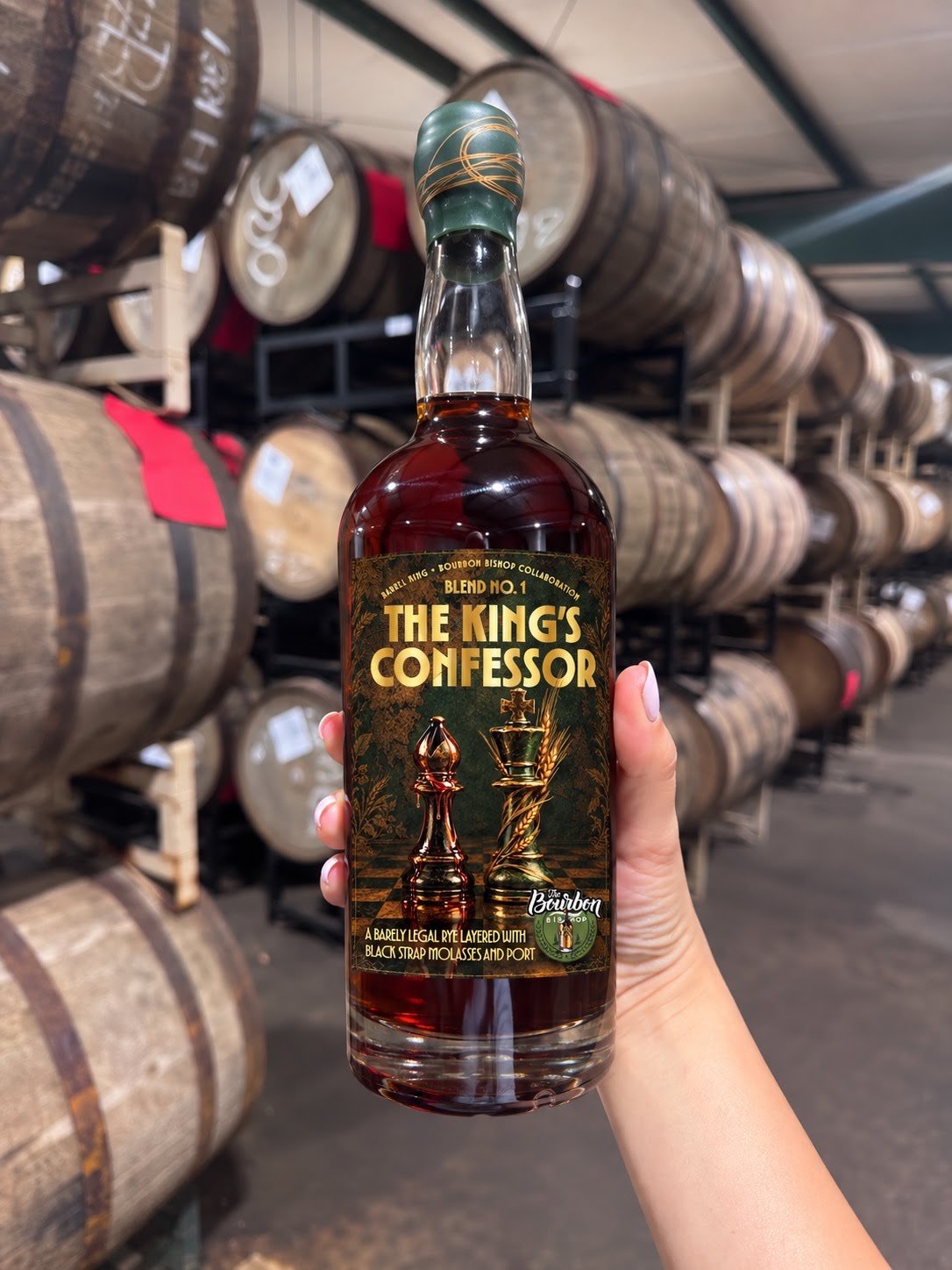
I went into my Barrel King whiskey selection expecting to pick a single barrel. Instead, four very different bourbons and ryes (including a 9 year O.Z. Tyler) became The Bourbon Bishop Blend. See how it came together.
I went into my Barrel King whiskey selection expecting to pick a single barrel. Instead, four very different bourbons and ryes (including a 9 year O.Z. Tyler) became The Bourbon Bishop Blend. See how it came together.
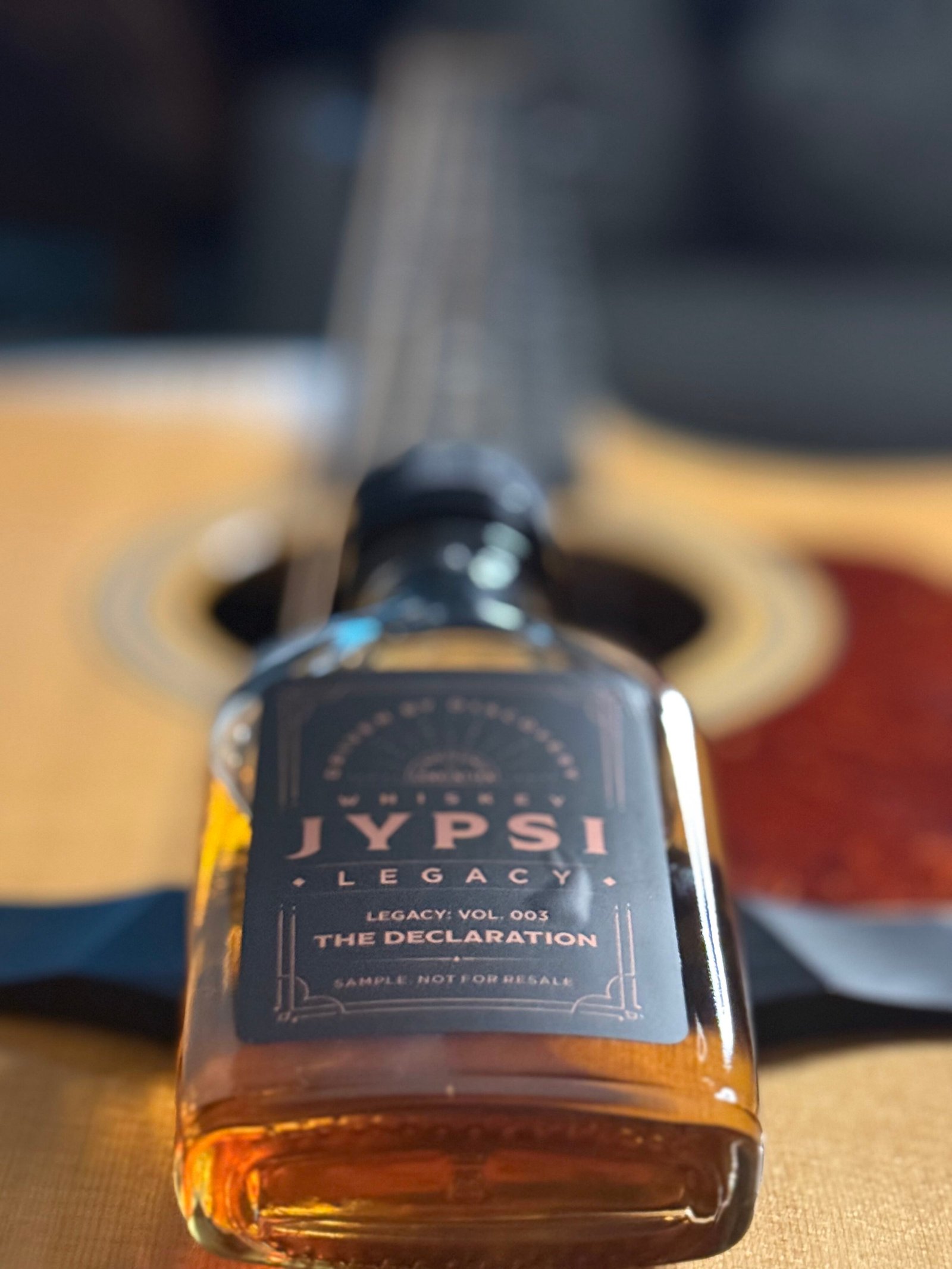
Whiskey JYPSI Legacy Batch 003 is an ambitious blend that brings together three distinct whiskey styles to create something greater than the sum of its parts. With layers of cinnamon, baked apple, French toast, and antique oak, it offers a memorable experience at 115.74 proof. The blending is impressive, but at $199.99, the price deserves a closer look.
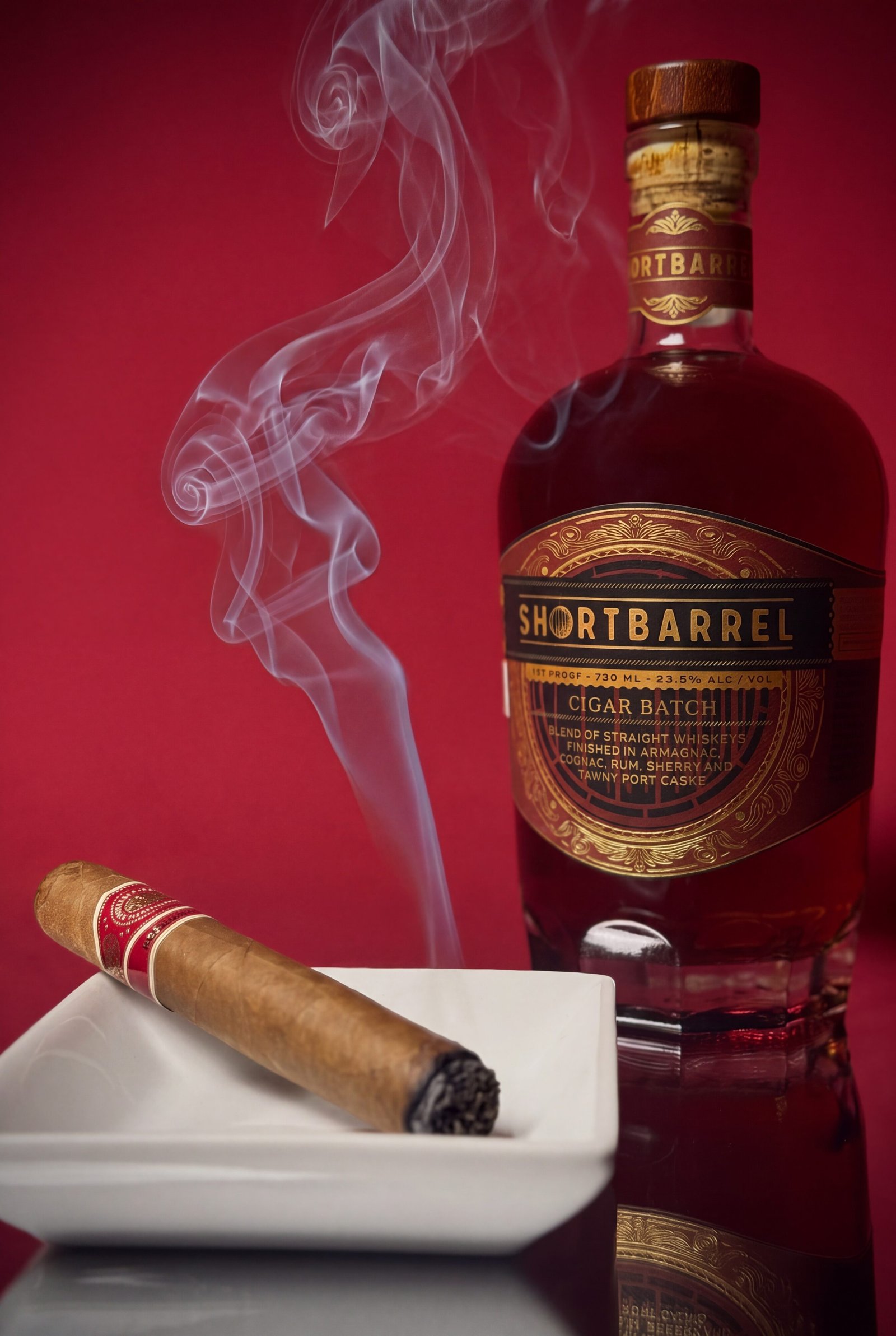
Shortbarrel Cigar Batch #4 blends dark cherry, fig, chocolate, leather and lingering rye spice in a complex, approachable American whiskey.
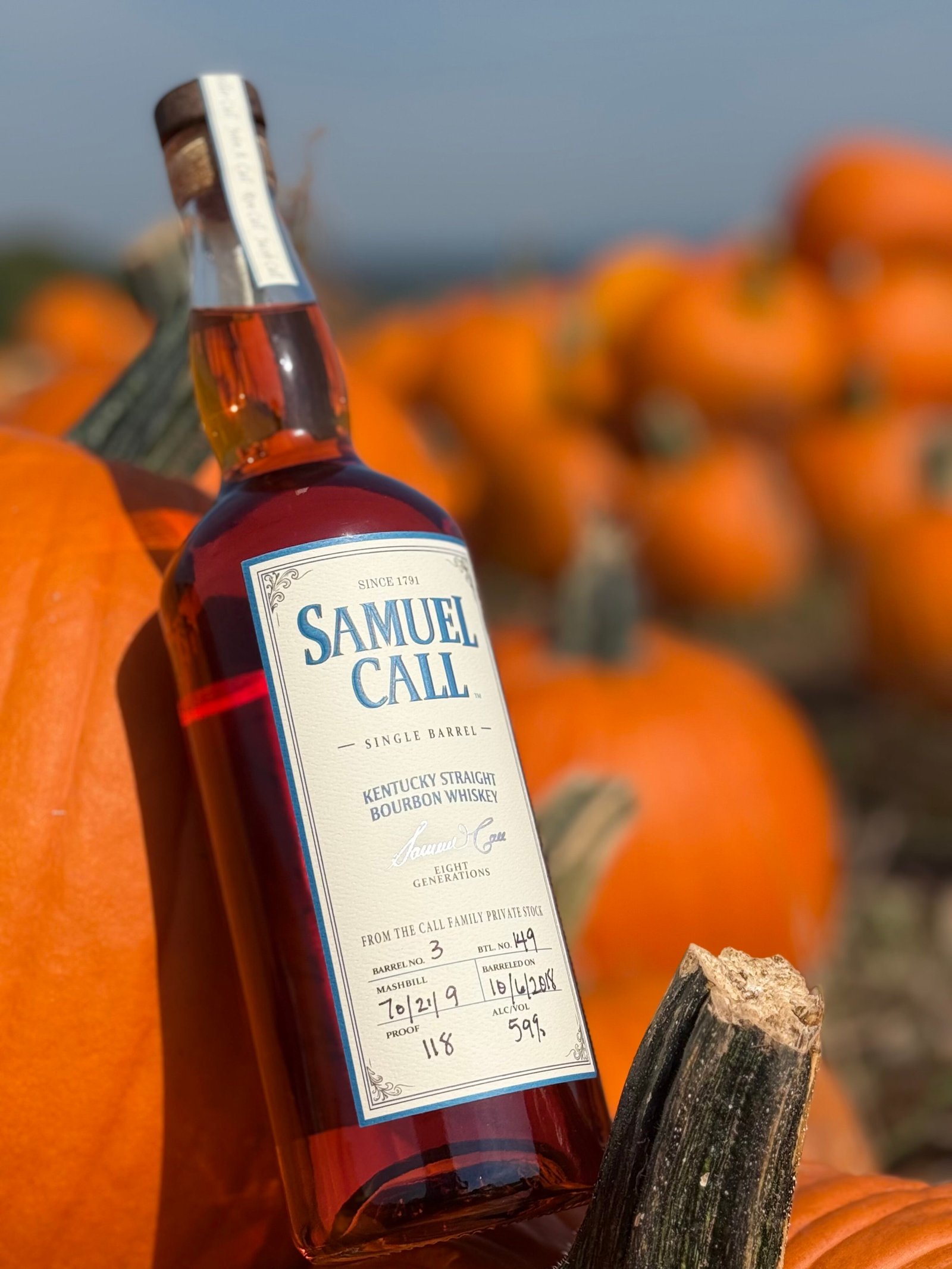
Samuel Call Barrel 3 delivers rich brown sugar, creamy caramel, dark fruit, cinnamon spice, and a lingering pineapple upside-down cake finish at 118 proof.
Confused by whiskey terms like small batch, bottled in bond, NDP, cask strength, or mash bill? Here’s a plain-English whiskey dictionary that defines common whiskey words and actually makes sense.
Small Batch has no legal definition, but a growing number of independent bottlers and craft distilleries are redefining the term through transparency, intentional blending, and truly limited barrel counts.