
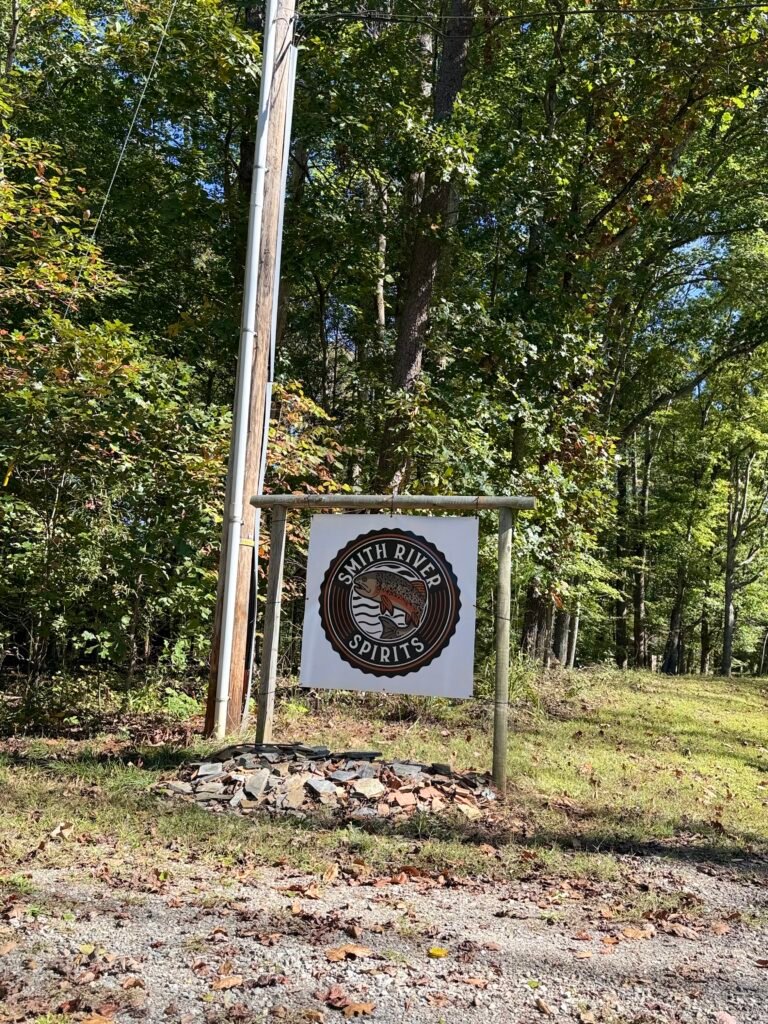
From Virginia-grown apples to deeply expressive aged brandy, Kevin Nelson is building something distinctive in the foothills of the Blue Ridge Mountains.
Part of a Bigger Southwestern Virginia Spirits Project
I’m working with Virginia Spirits on an ongoing project to shine a light on the craft distilleries of Southwestern Virginia, helping more people discover the people, places, and spirits that make this corner of the Commonwealth special.
Smith River Spirits is exactly the kind of independent operation we’re excited to introduce to more people.
Virginia’s craft spirits scene has no shortage of interesting stories, but not every distillery is trying to make another bourbon or rye. Tucked into the foothills of the Blue Ridge Mountains in Ridgeway, Smith River Spirits is taking a different approach, one that starts with fruit, draws on decades of winemaking experience, and puts flavor ahead of convention.
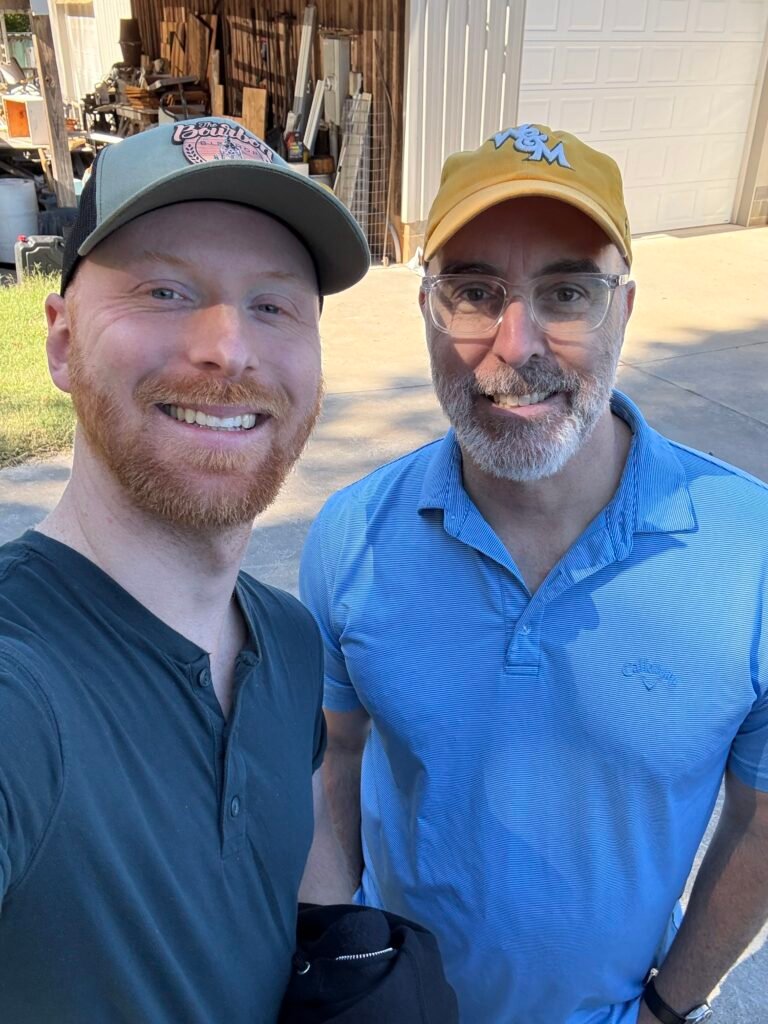
I recently had the opportunity to visit with owner and master distiller Kevin Nelson, learn more about his approach to making brandy, and work through several of Smith River’s offerings. What I found was a small operation with a remarkably thoughtful philosophy, a commitment to doing things the right way, and a lineup that deserves attention well beyond the usual brandy crowd.
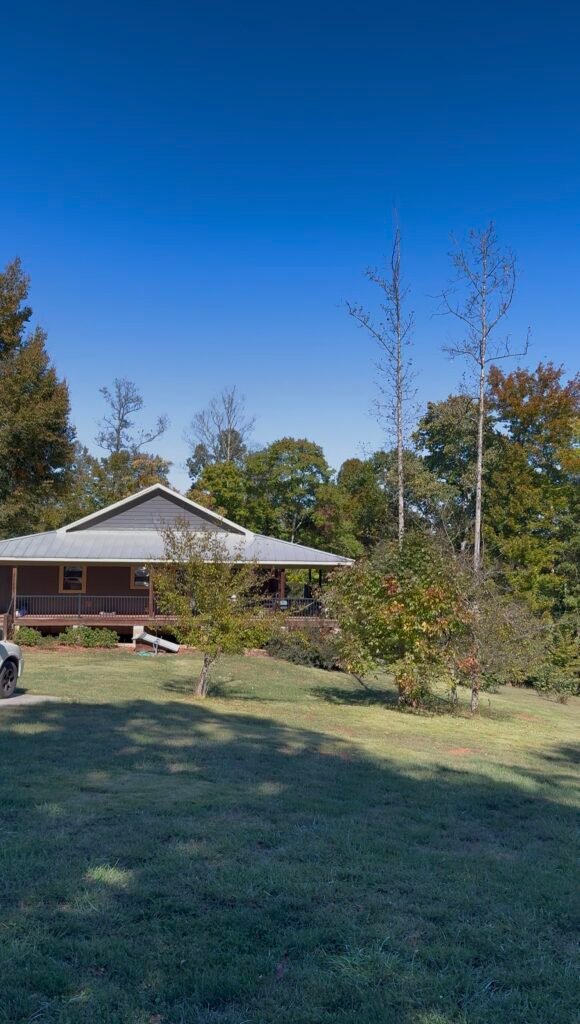
- Distillery: Smith River Spirits
- Location: Ridgeway, Virginia
- Opened: 2019 (opened to the public in 2021)
- Known for: Virginia-grown apple brandies, traditional wine-based brandy, fruit-forward distilling, and naturally derived ingredients
- Hosted by: Kevin Nelson, Co-Founder & Master Distiller
A Different Kind of Distillery
Smith River Spirits was founded in 2019 by Kevin Nelson, Alan Black, and Wes Mills. The business grew out of a longstanding friendship and a shared interest in winemaking. Kevin and Alan had spent years making wine together, experimenting with different techniques and learning what could be done with the fruit and finished wines they produced.
Eventually, that interest evolved into brandy.
Today, Kevin serves as the master distiller and handles much of the production, bringing his winemaking background and a considerable amount of practical experience to the operation. The distillery is located just steps from the Smith River itself, in a part of Southern Virginia where agriculture, small businesses, and a strong sense of place remain central to the community.
There is something refreshing about a distillery that doesn’t feel compelled to follow the industry’s latest trends. Smith River isn’t trying to make another whiskey with a different label. Instead, it has built its identity around producing distinctive fruit-based spirits and allowing the ingredients to speak for themselves.
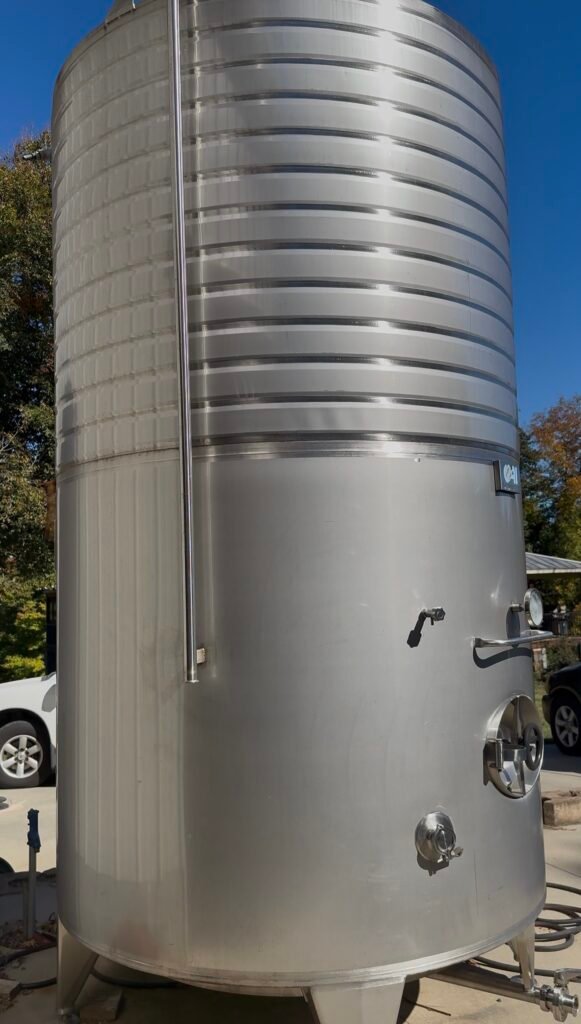
There is something refreshing about a distillery that doesn’t feel compelled to follow the industry’s latest trends.
Flavor First, Everything Else Second
One of the things that stuck with me most from our conversation was Kevin’s philosophy toward production.
“Our whole thing is retaining flavor.”
That sounds simple enough, but it’s a guiding principle that informs nearly every decision he makes. Smith River focuses on naturally derived sugars from its fruit rather than introducing outside sugars to create a particular flavor or sweetness. Kevin is also intentional about fermentation and distillation, working to preserve as much of the original character of the ingredients as possible.
Everything is distilled below 160 proof, and the fermentation process is given considerable attention. Smith River uses champagne yeast, allowing fermentation to run longer than is typical in many operations. The goal isn’t simply to produce alcohol efficiently. It’s to carry more of the fruit’s character through the process.
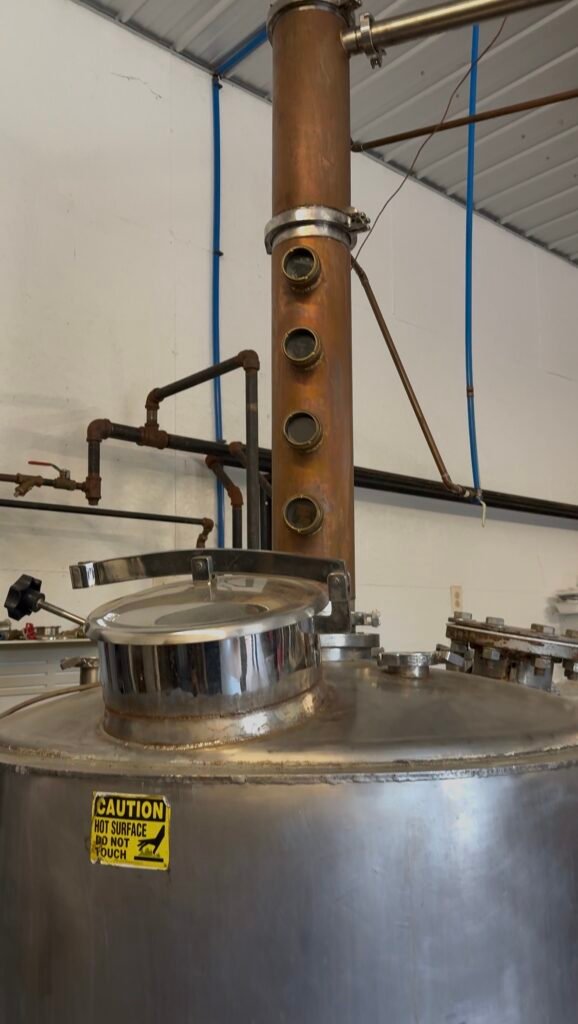
That philosophy extends to the equipment, too. Kevin built a custom four-panel still for the operation, designed around the needs of the spirits he’s producing rather than adapting his approach to fit whatever equipment happened to be available.
He also spoke about the importance of doing things well, regardless of whether the additional effort is immediately apparent to the customer.
“If you’re not doing good with your work, why are you doing it?”
It’s a straightforward sentiment, but it seemed to capture the way Kevin approaches his work. There is a real appreciation for the process, and an unwillingness to take shortcuts simply because they might be easier.
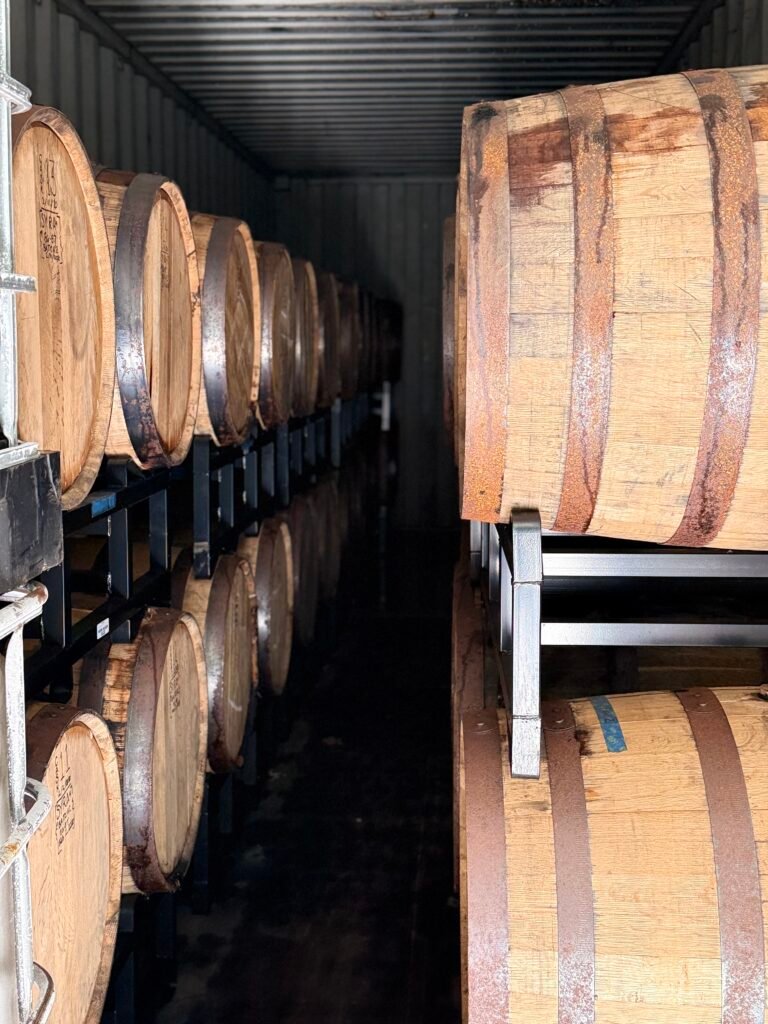
Virginia Apples, Carefully Selected
Apple brandy is at the heart of much of what Smith River does, and the attention paid to the fruit is a big part of what makes these spirits interesting.
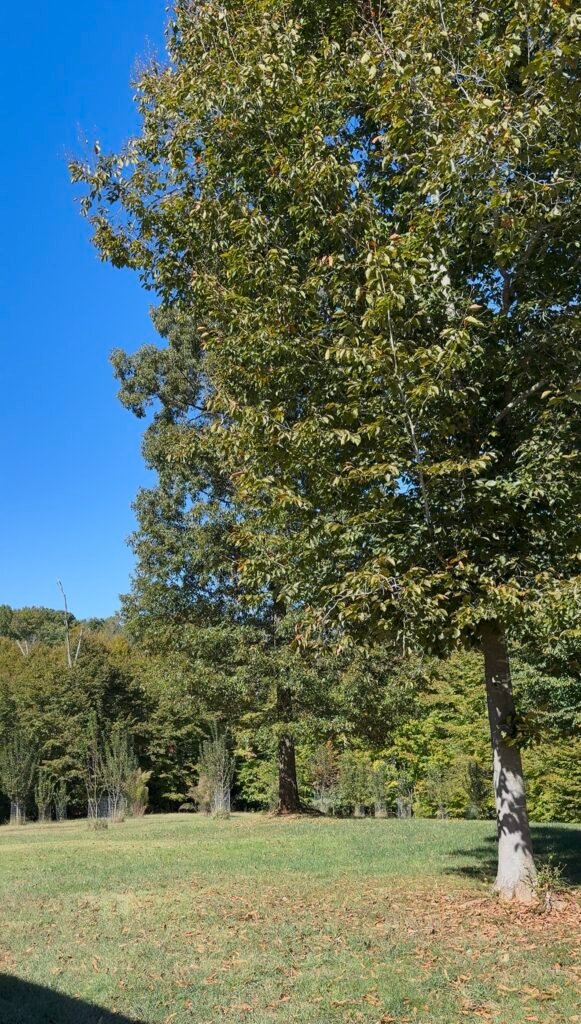
The apples used in the brandies are sourced entirely from Virginia, including growers in areas such as Winchester, Woolwine, and other parts of Southern and Central Virginia. Smith River has also invested in growing its own apples, developing orchards with carefully selected varieties.
Not every apple is created equal when it comes to distilling. Kevin explained the importance of selecting fruit with the right balance of flavor and tannin structure. Different varieties contribute different characteristics, and blending them allows the distiller to build a more complete spirit.
It’s an approach that draws heavily on winemaking experience. Just as a winemaker considers the character of individual grapes and how they work together, Kevin looks at apples as ingredients with distinct personalities.
The result is brandy that tastes recognizably like the fruit it came from. Not candy apple, not an artificially sweetened approximation of apple flavor, but something much closer to the experience of the fruit itself.
And that distinction matters.
More Than Just Brandy
One of the more enjoyable parts of the visit was getting a look at some of the ways Smith River is finding uses for its spirits beyond the bottle.
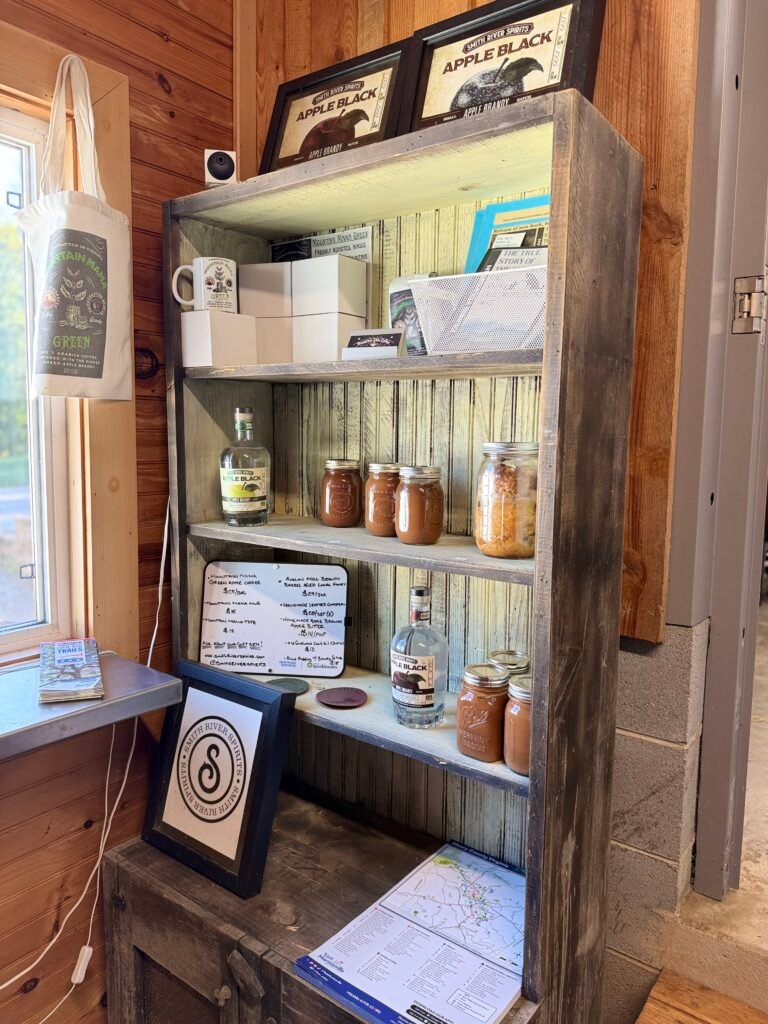
The distillery offers brandy-infused whole-bean coffee, made in collaboration with local coffee roasters. It also produces barrel-aged honey using its brandy barrels, working with a local beekeeper. Kevin mentioned that batches of roughly 300 jars have sold through remarkably quickly.
There are some great ideas here, particularly for people who appreciate the intersection of local food, agriculture, and spirits.
Kevin also shared a family connection to the brandy: his mother makes apple butter using the spirit, then incorporates that apple butter into bread pudding. It’s the sort of detail that makes a distillery visit memorable. The product isn’t simply something being made to sell. It’s something that has found its way into the lives, kitchens, and creative projects of the people behind it.
We also talked about some of the experimentation happening behind the scenes, including barrel-aging different ingredients and exploring additional ways to build on the flavors already present in the brandy. I won’t give away too much about what’s in development, but there’s plenty of reason to be interested in what comes next.
“Not candy apple, not an artificially sweetened approximation of apple flavor, but something much closer to the experience of the fruit itself.“
Getting to Know the Brandy
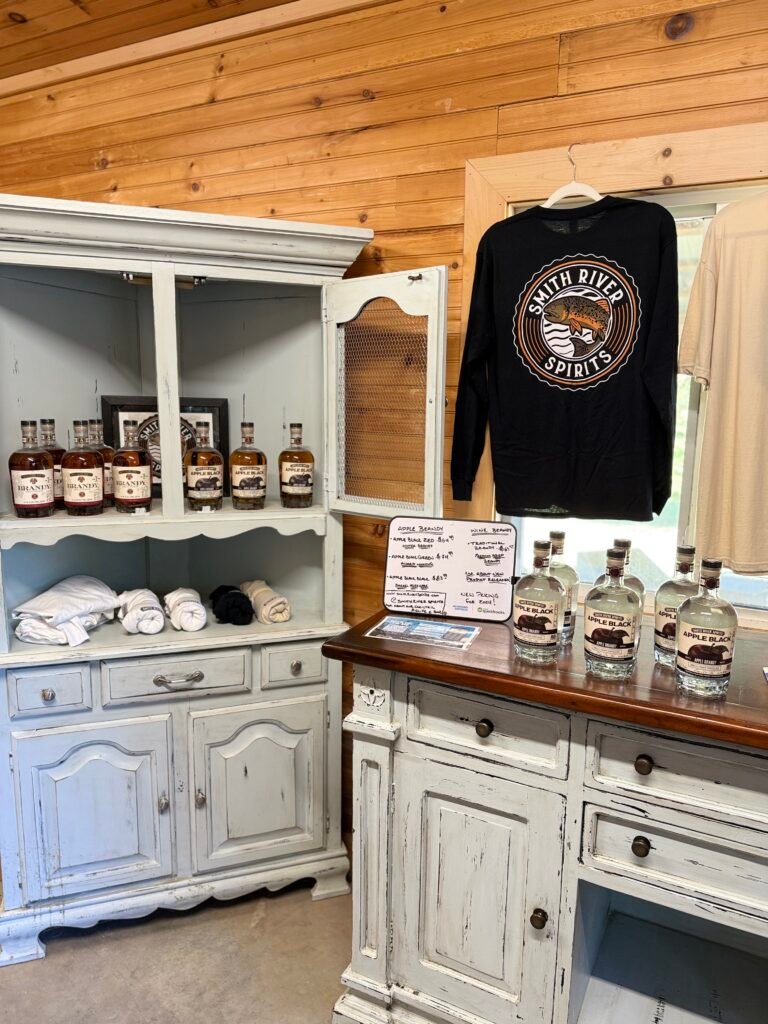
Of course, a visit to Smith River wouldn’t be complete without spending some time with the spirits themselves. I had the opportunity to taste several of the brandies, including the two unaged apple expressions and two aged offerings (in addition to some old and new sneak peeks that got me extra excited about Smith River’s future).
All four of the available bottles are bottled at 85 proof, but they offer noticeably different experiences.
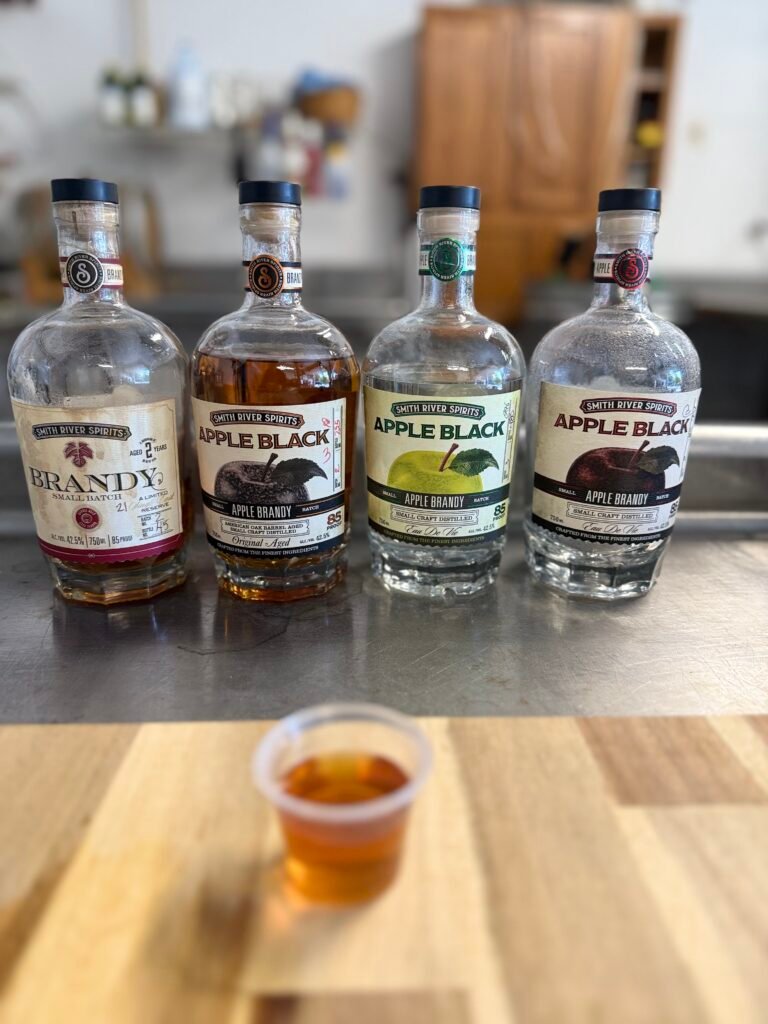
Apple Black Red — 85 Proof
The red apple expression was a beautiful introduction to what Smith River is doing with Virginia fruit. Made with three varieties of apples sourced from Winchester, this is a more red-apple-forward expression.
The nose and palate offered a lovely, recognizable red apple character, with a little peppermint, spice, and a subtle effervescence that kept things lively. It was expressive without becoming overly sweet, and the fruit came across as natural rather than manufactured.
There’s a freshness here that makes it an interesting departure from what many people might expect when they hear apple brandy.
Apple Black Green — 85 Proof
The green apple expression, made with apples from Wayne’s Orchard, takes a different direction.
Where the red expression leans into a brighter, more recognizable red-apple character, this one moves toward woody, green, and yellow apple notes. There’s a slightly earthy quality, a little spice, and that same subtle effervescence.
I found the finish carried a touch more ethanol than the red expression, but it remained an interesting and distinctive take on apple brandy. It’s a good example of how much the selection of fruit can influence the final spirit.
Barrel-Aged Apple Brandy — 85 Proof
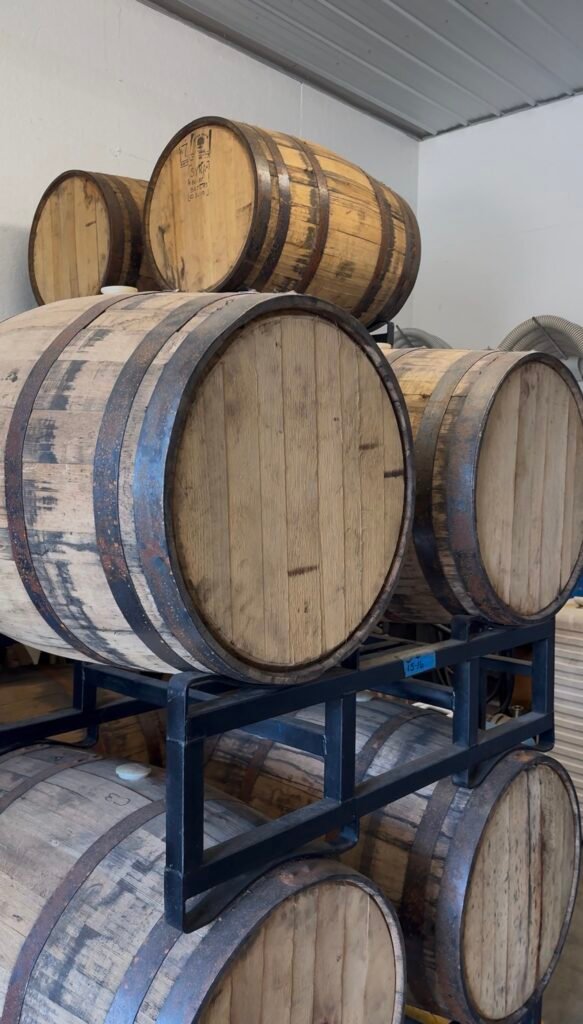
Aged for at least two years, this expression takes the apple character in a deeper direction.
The time in oak brings additional richness and a smokier character, moving away from the brighter freshness of the unaged offerings. There’s a more developed sweetness here, with oak playing a much larger role in the overall profile.
It’s an interesting contrast to the unaged expressions, and a reminder that apple brandy has plenty of room to evolve with time in a barrel.
Traditional (Grape) Brandy — 85 Proof
This was my favorite of the tasting.
Rather than using apples, Smith River’s Traditional Brandy begins with Syrah (Shiraz) wine, which is distilled and aged for at least two years in heavily charred American white oak barrels.
The result is considerably deeper and darker than the apple expressions. There’s a rich sweetness, an enormous fig note, and layers of raisin-like fruit that reminded me of port, albeit in a distinctly different format.
For an 85-proof spirit, the flavor is remarkably concentrated. It was probably the most expressive of everything I tasted that day, with a depth that made it particularly memorable.
Kevin also shared an earlier experimental wine brandy at 100 proof. That additional strength brought even more of the character I enjoyed in the Traditional Brandy, while some white wine in the blend added another layer of complexity. I found myself particularly drawn to that higher-proof expression.
It’s worth noting that the Traditional Brandy is a different animal from the apple brandies. If you’re someone who enjoys rich, dark, fruit-forward spirits, this is one I’d make a point of seeking out.
The Man Behind the Still
One of the most enjoyable parts of the visit had little to do with the actual production of brandy.
Kevin is a man of many talents, and apparently, a lifetime’s worth of stories to go along with them. In addition to actively owning four other bustling businesses, his experiences have taken him through an assortment of industries and projects. We heard about construction work, helping build adaptive equipment for wounded warriors, building yachts and driving them down the Eastern Seaboard, and restoring the historic Stanley estate for his mother to live in.
It’s an unusually varied collection of experiences, and Kevin seems to bring something from each of them into the way he operates Smith River.
He came across as a genuinely good man, someone who cares about doing things properly, treating people well, and creating something that contributes more than it takes. There’s a strong preference for natural ingredients, thoughtful production, and partnerships that benefit the people and businesses around him.
That attitude made the tasting even more enjoyable. I appreciated the spirits on their own merits, but I also appreciated understanding the person and the philosophy behind them.
It’s easy to get caught up in the numbers, the labels, the latest releases, and the constant noise of the whiskey industry. Visits like this are a good reminder that there are plenty of interesting people making spirits for reasons that have very little to do with chasing the next big thing.
Bourbon Bishop Bottom Line:
Smith River Spirits was a welcome reminder that Virginia’s craft distilling scene extends well beyond bourbon and rye.
Kevin Nelson has built something distinctive around Virginia-grown apples, thoughtful fermentation, careful distillation, and a genuine commitment to preserving the character of the ingredients. The brandies are naturally expressive, not overly sweet, and offer a refreshing change of pace for anyone accustomed to the more familiar categories of American spirits.
I enjoyed all of the expressions, though each would have its own place depending on what I was in the mood to drink. The Apple Black Red brought a bright, recognizable apple character, while the Green offered something a little earthier and more restrained. The barrel-aged apple brandy showed how much additional depth oak can bring to the fruit.
But the Traditional Brandy was the standout for my personal preference. Its fig, raisin, and deep dark sweetness made it the bottle I kept coming back to, and the 100-proof experimental version Kevin shared only made me more curious about what else might be possible.
Beyond the spirits, I left with an appreciation for Kevin and the thoughtfulness behind what he’s building. His approach is rooted in experience, curiosity, and a desire to do good work without cutting corners. That’s something worth supporting.
If you’re exploring Virginia’s craft spirits scene, don’t overlook Smith River just because its focus isn’t whiskey. Some of the most interesting stops are the ones that take you somewhere you weren’t necessarily expecting to go.
And if Kevin’s experiments are any indication, there’s plenty more to look forward to.
Planning a Visit to Smith River Spirits
Smith River Spirits is located at 1317 Eggleston Falls Road in Ridgeway, Virginia, in the foothills of the Blue Ridge Mountains.
The distillery offers tours, tastings, and an on-site store where visitors can explore its brandy lineup and other collaborative products.
Smith River Spirits
1317 Eggleston Falls Road
Ridgeway, VA 24148
888-215-0607
Official Website
Current listed tasting room hours: Thursday–Saturday, 1–6 p.m. Sunday–Wednesday, closed.
If you’re traveling through Southern Virginia or building your own Virginia craft spirits itinerary, Smith River is well worth adding to the list. Just be sure to confirm tour and tasting availability before making the drive.
This piece was written in conjunction with my current Southwestern Trail Virginia Spirits project.
Check out the Bourbon Bishop Virginia Craft Whiskey Starter Trail Here, only on the Virginia Spirits Trail App
If you enjoyed this piece, check out my past distillery visit articles here.
This visit was hosted by the distillery. All thoughts are my own and not influenced by the experience.
Related Distillery Visits
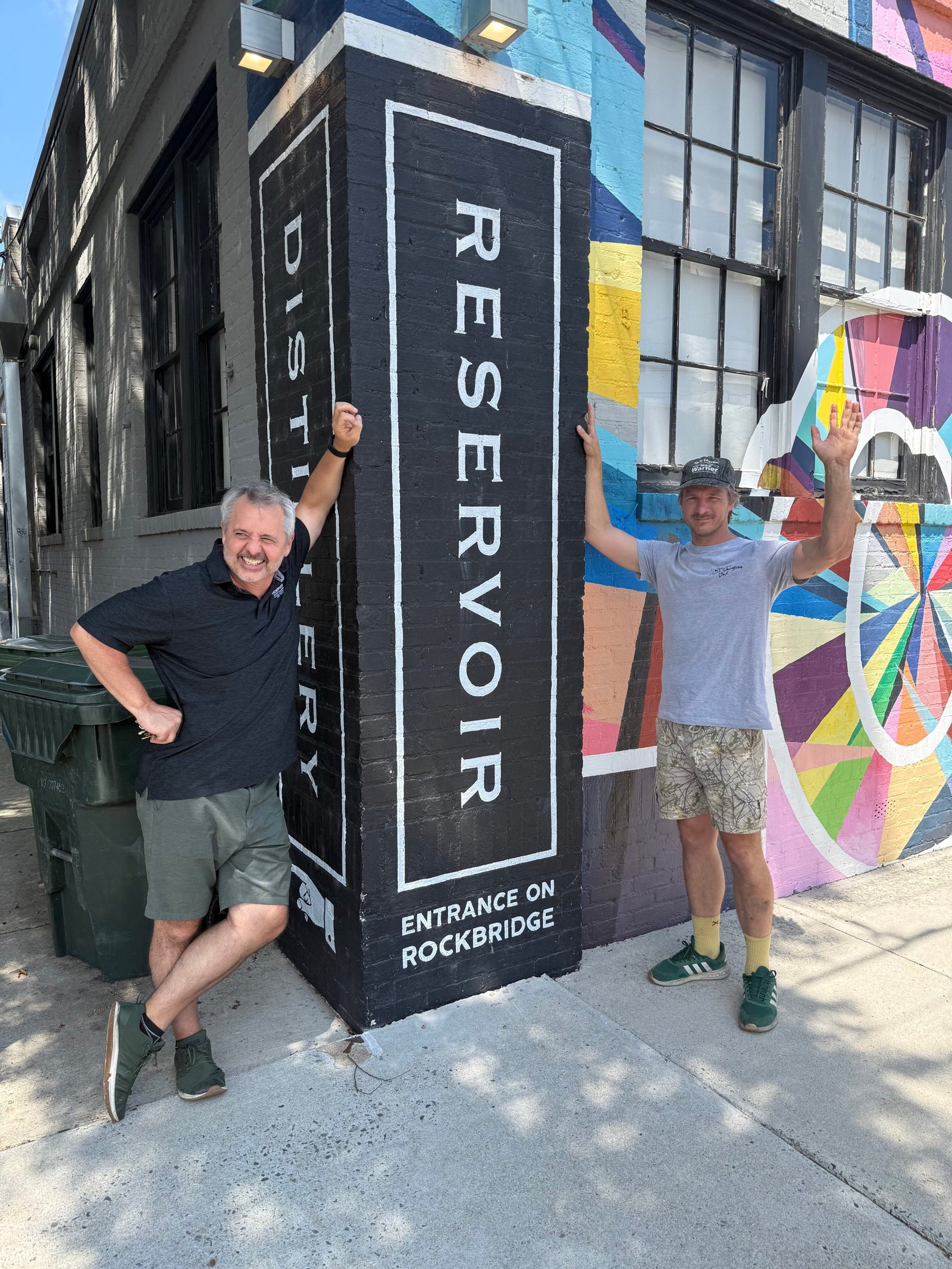
Explore Reservoir Distillery in Richmond, Virginia, where single-grain whiskey, experimental distillation, barrel aging, and local grains challenge convention.
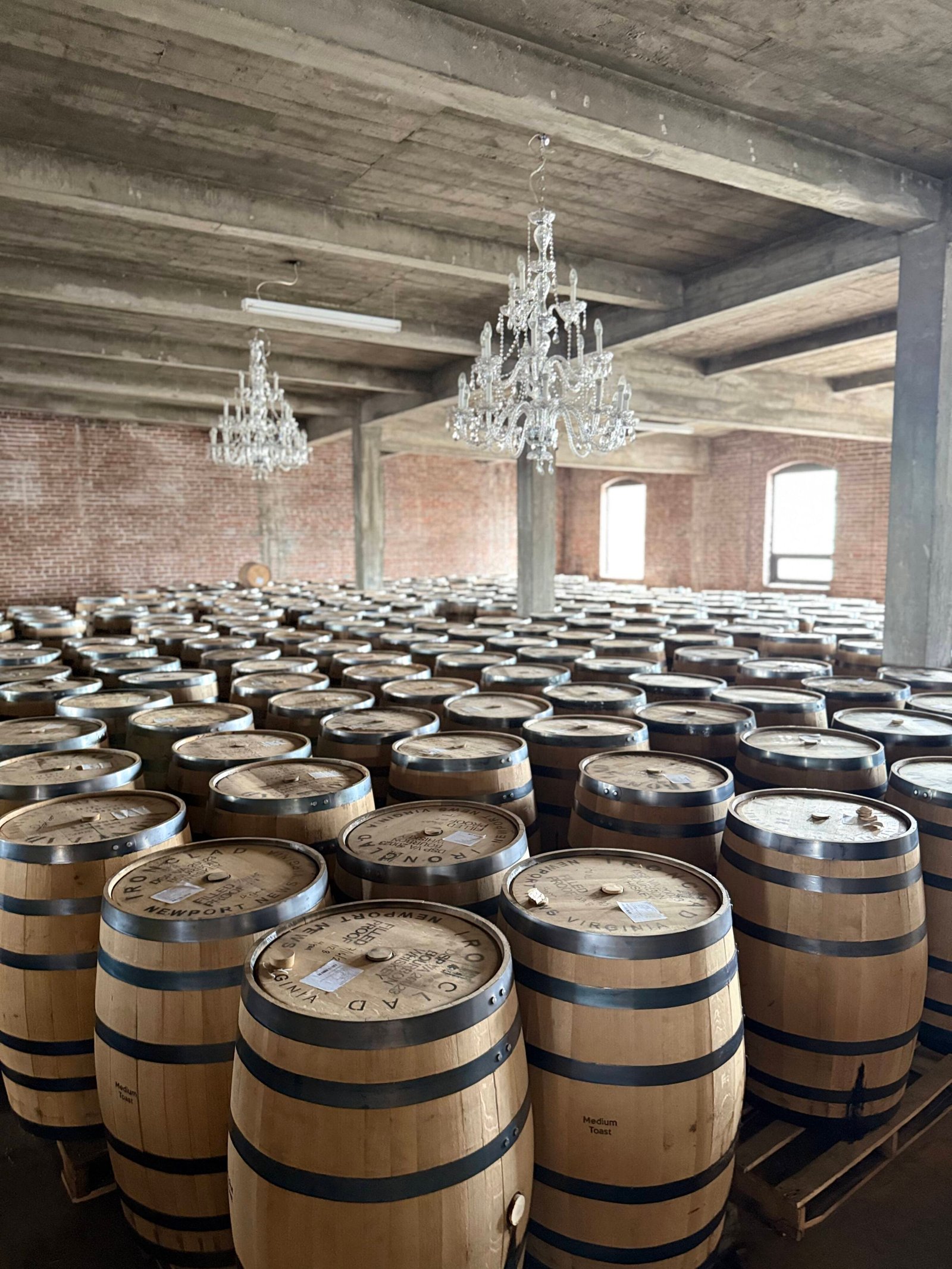
Visit Ironclad Distillery in Newport News, Virginia, to explore its four-grain bourbon, experimental whiskey finishes, historic home, and Virginia spirits.
Inside Virginia Distillery Company in Lovingston, Virginia, where 100% malted barley, a historic Boby Mill, Blue Ridge climate and adventurous cask finishes shape American single malt whisky.
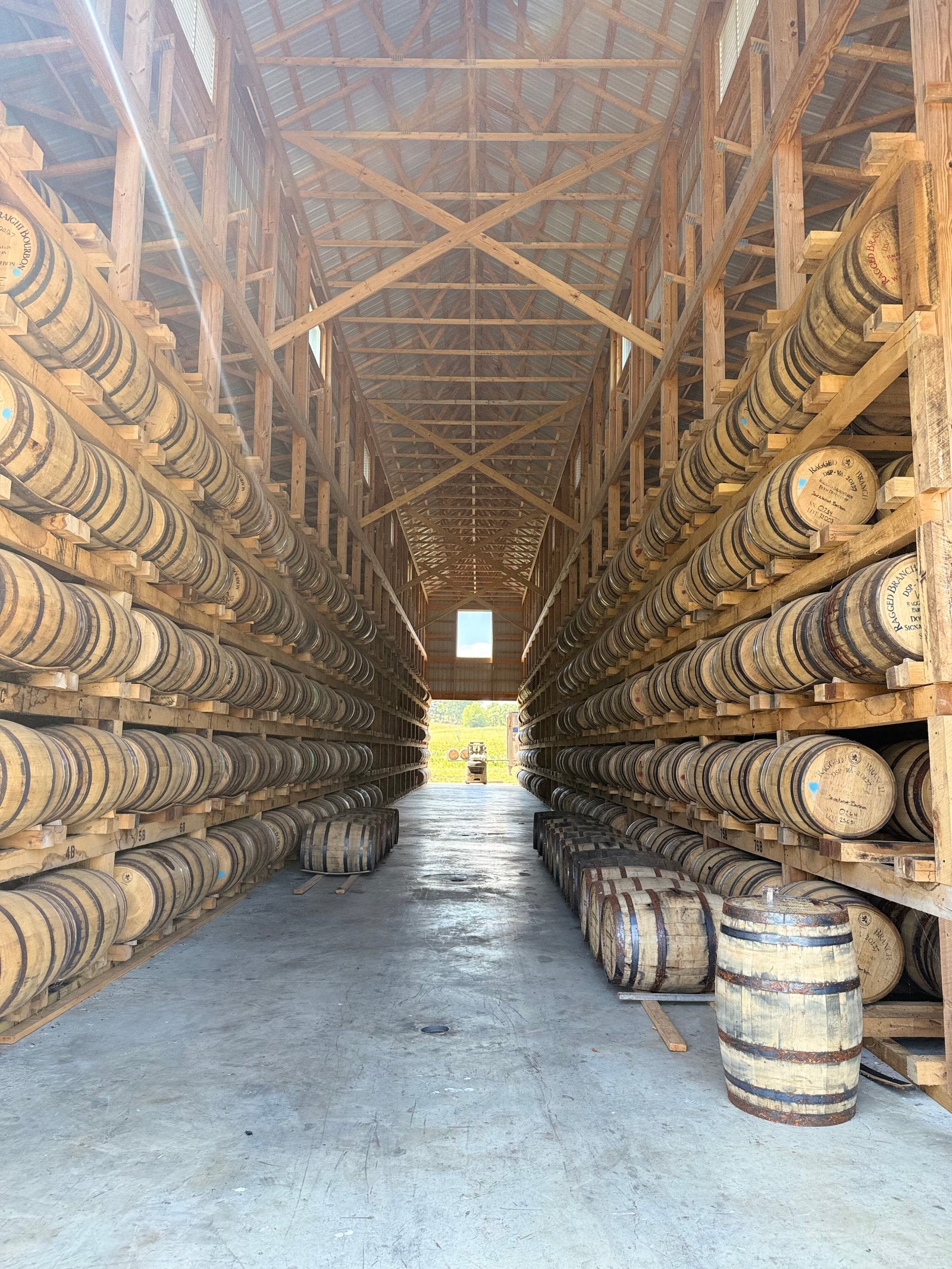
Explore Ragged Branch Distillery in Augusta County, Virginia, from its new production facility and towering rickhouse to its farm-grown bourbon and next chapter.
A behind-the-scenes visit to MurLarkey Distilled Spirits in Manassas, Virginia, exploring Virginia-grown grain, award-winning whiskey, innovative flavored spirits, and one of the Commonwealth’s premier craft distillery experiences.
Explore Provenance with Jay West and discover the philosophy behind curated whiskey, Reveries single barrels, slow proofing, experimental finishes, and the Bottle Your Own experience.
From the distillery and dining experience to the home glass — the quality sourced and blended whiskies of Open Road Open Road Distilling Co.
A visit to Lost Whiskey Club in Virginia — exploring their sourced whiskey program, evolving maturation approach, and a philosophy rooted in community, storytelling, and shared pours.