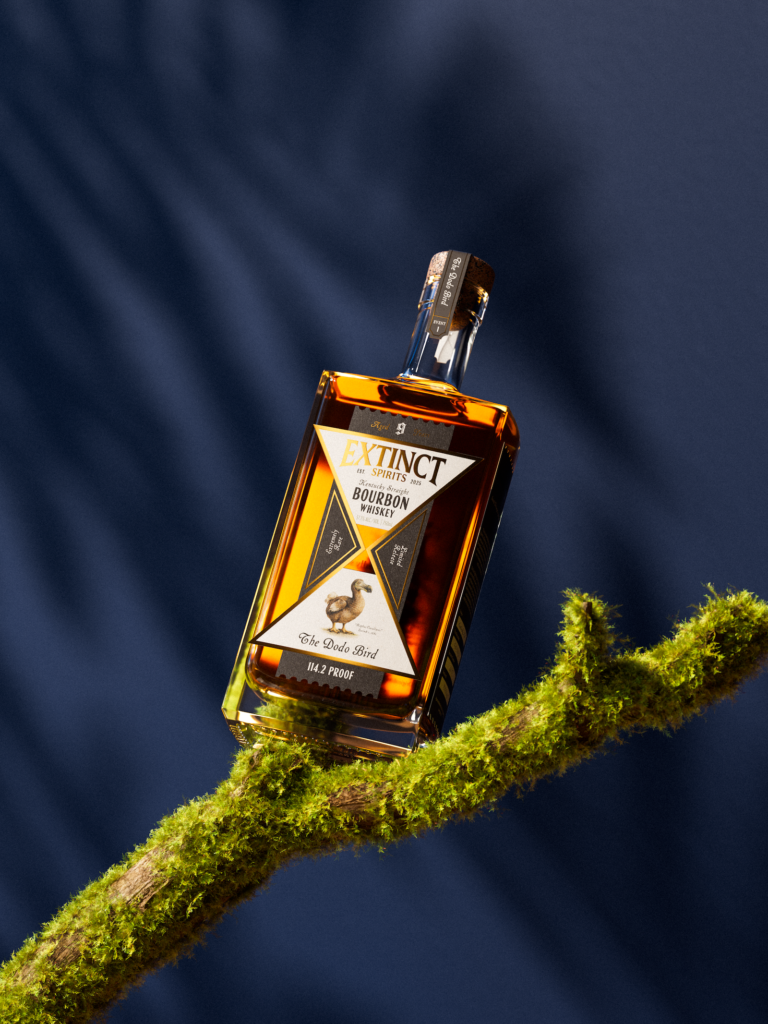
A nearly 10-year-old Kentucky bourbon with concentrated maple, dark fruit, mature oak, and an unexpected touch of smoke. A rare expression that stands apart from its familiar distillate.
Stats
- Type: Straight Bourbon
- Age: 9 years, 10 months
- Proof: 114.2 (57.2% ABV)
- Mashbills: 70% Corn │ 20% Rye │ 10% Malted Barley
- Origin: O.Z. Tyler (now Green River) — Owensboro, Kentucky
- Additional Aging: Bardstown Bourbon Company — Bardstown, Kentucky & Old Louisville — Louisville, Kentucky
- Release: Limited release, single barrel, cask strength
- MSRP: $199.99 / 750 mL (via Extinct Spirits)
Tasting Notes
- Nose: Rich, dense maple leads the way, with an almost syrupy quality that makes you wish you could experience the nose on your palate. Dark fruits, mature Kentucky oak, and a subtle hint of barbecue smoke follow, with underlying clove and cinnamon adding warmth. It’s an unmistakably mature, deeply developed bourbon.
- Palate: The mouthfeel is incredibly dense and concentrated, almost as if the flavors have been boiled down into a single, intensely flavorful package. Pineapple upside-down cake, fig, dark cherry, and maple create a rich foundation before cinnamon and clove gradually build toward the finish.
- Finish: A robust, clove-driven finish brings together old oak, smoke, and dark cherry. The heat is substantial but never harsh, with a remarkably long linger that begins with tobacco and spice before settling into deep maple, mature oak, leather, and vanilla custard. It’s dark, layered, and exceptionally memorable.
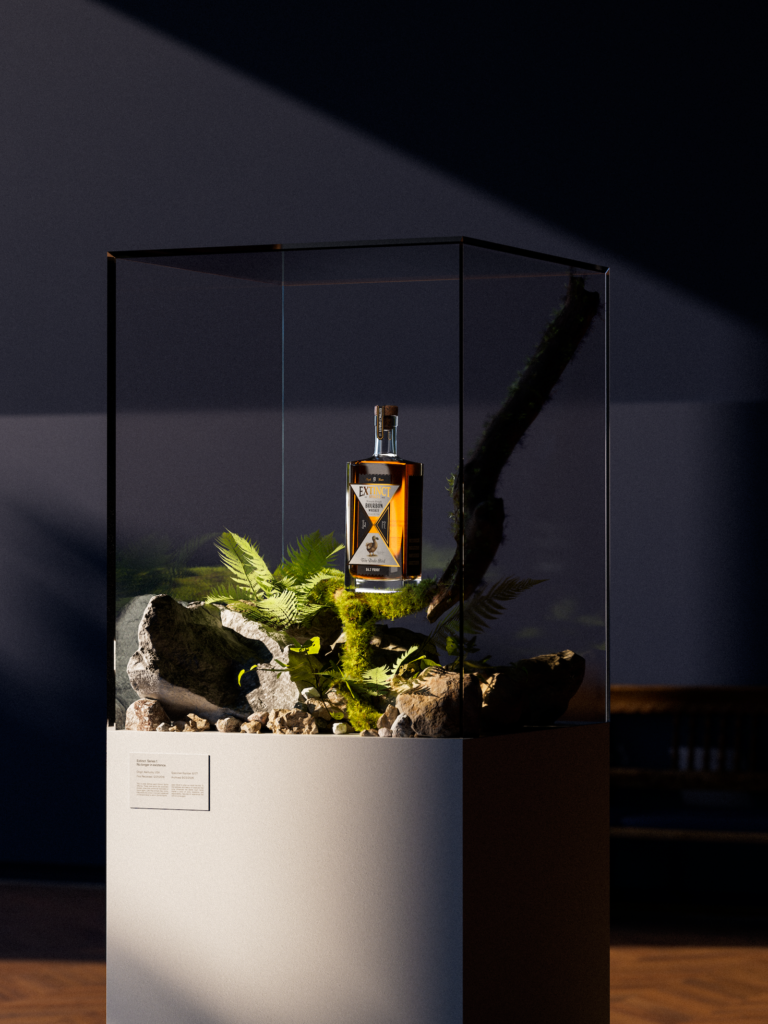
Extinct Spirits Extinction Event No. 1: The Dodo Bird is a 114.2-proof, 9-year, 10-month-old Kentucky bourbon built around a 70/20/10 mashbill and sourced from O.Z. Tyler. At $199.99, it enters a competitive category of premium, limited-release bourbon where age statements and proof alone aren’t enough to justify the asking price. Fortunately, there’s considerably more going on here.
What makes this one special is the depth, concentration, and sheer distinctiveness of the whiskey itself. Rich maple, dark cherry, fig, mature oak, baking spice, and an unexpected thread of smoke create a remarkably dark and layered profile. It’s a familiar Kentucky bourbon foundation expressed in a way I haven’t encountered from this particular original distillery. Add a standout bottle design and a release limited to just 30 barrels, and you have something that deserves considerably more attention than its extinct namesake might suggest.
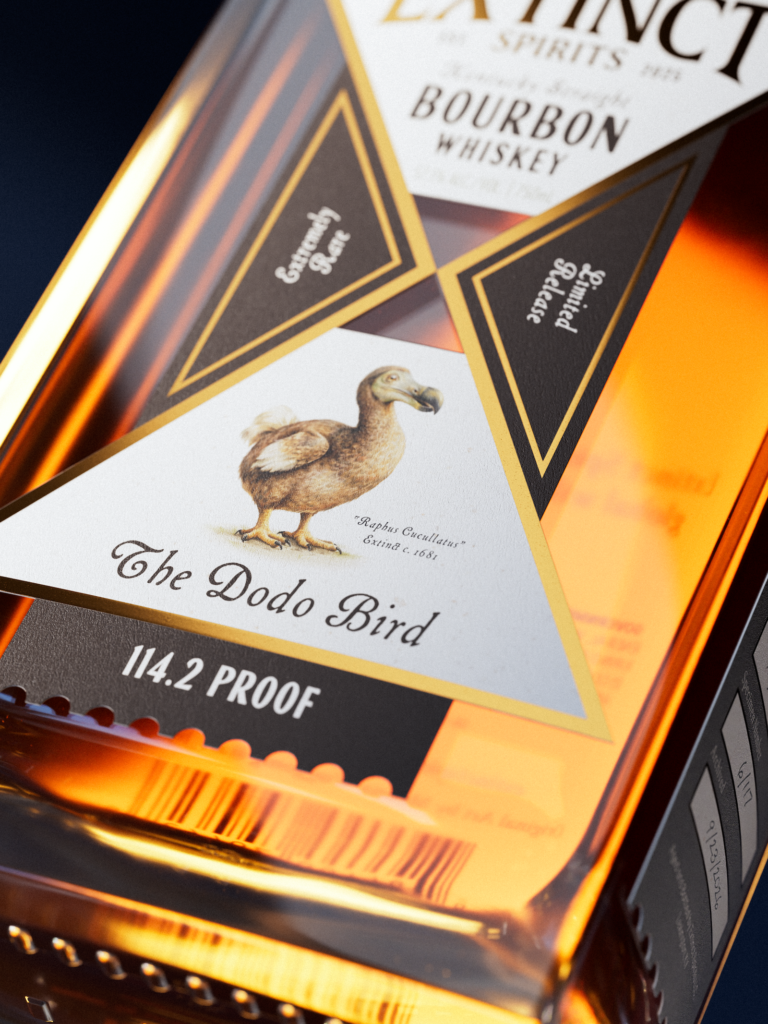
Presentation
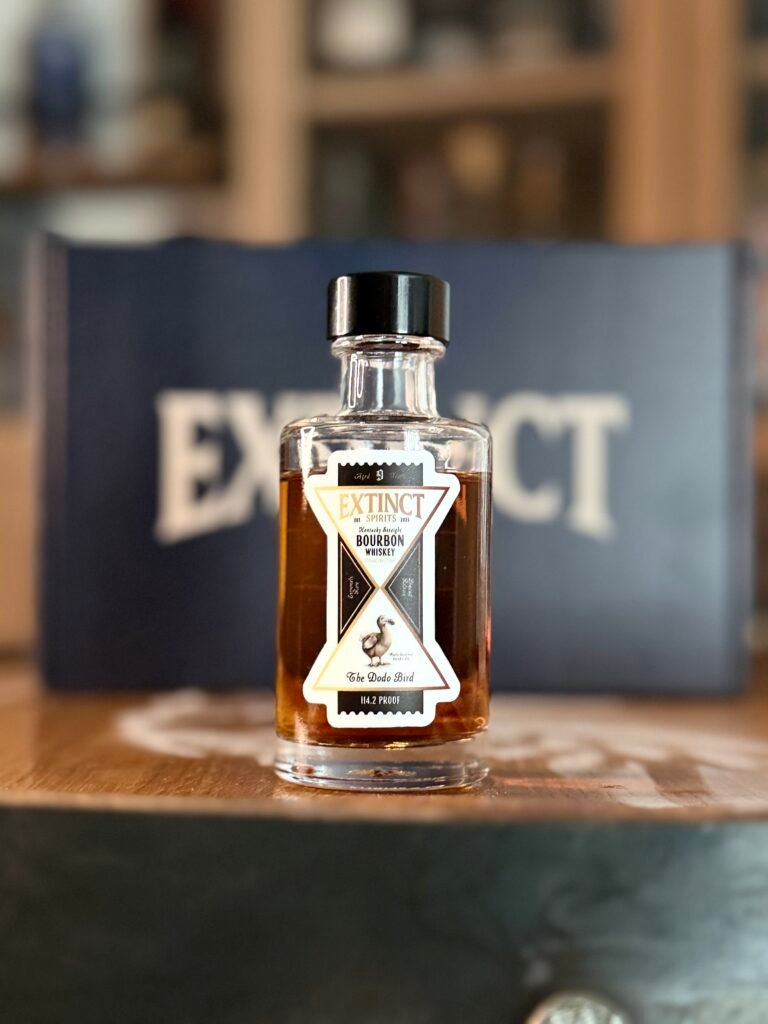
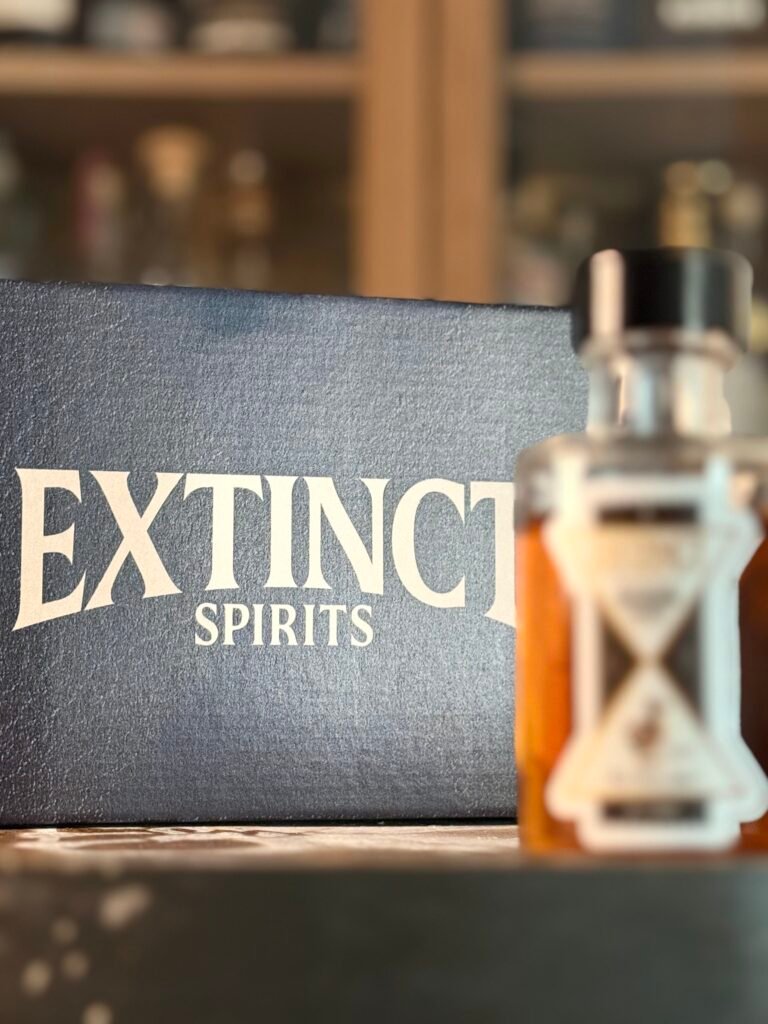
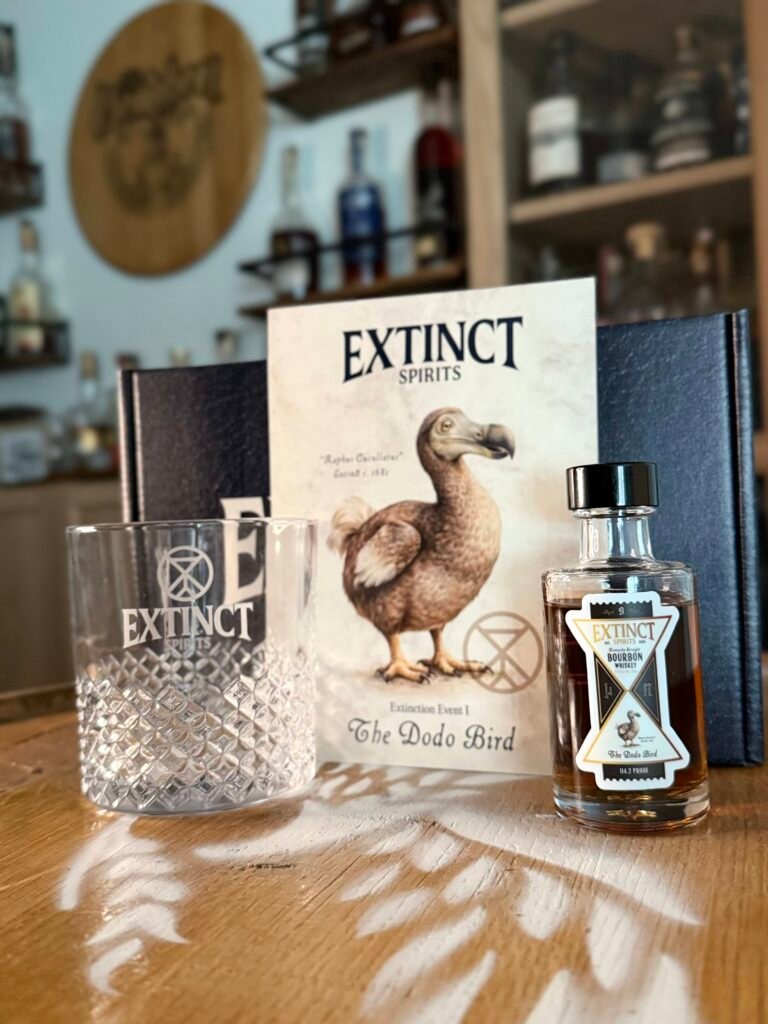
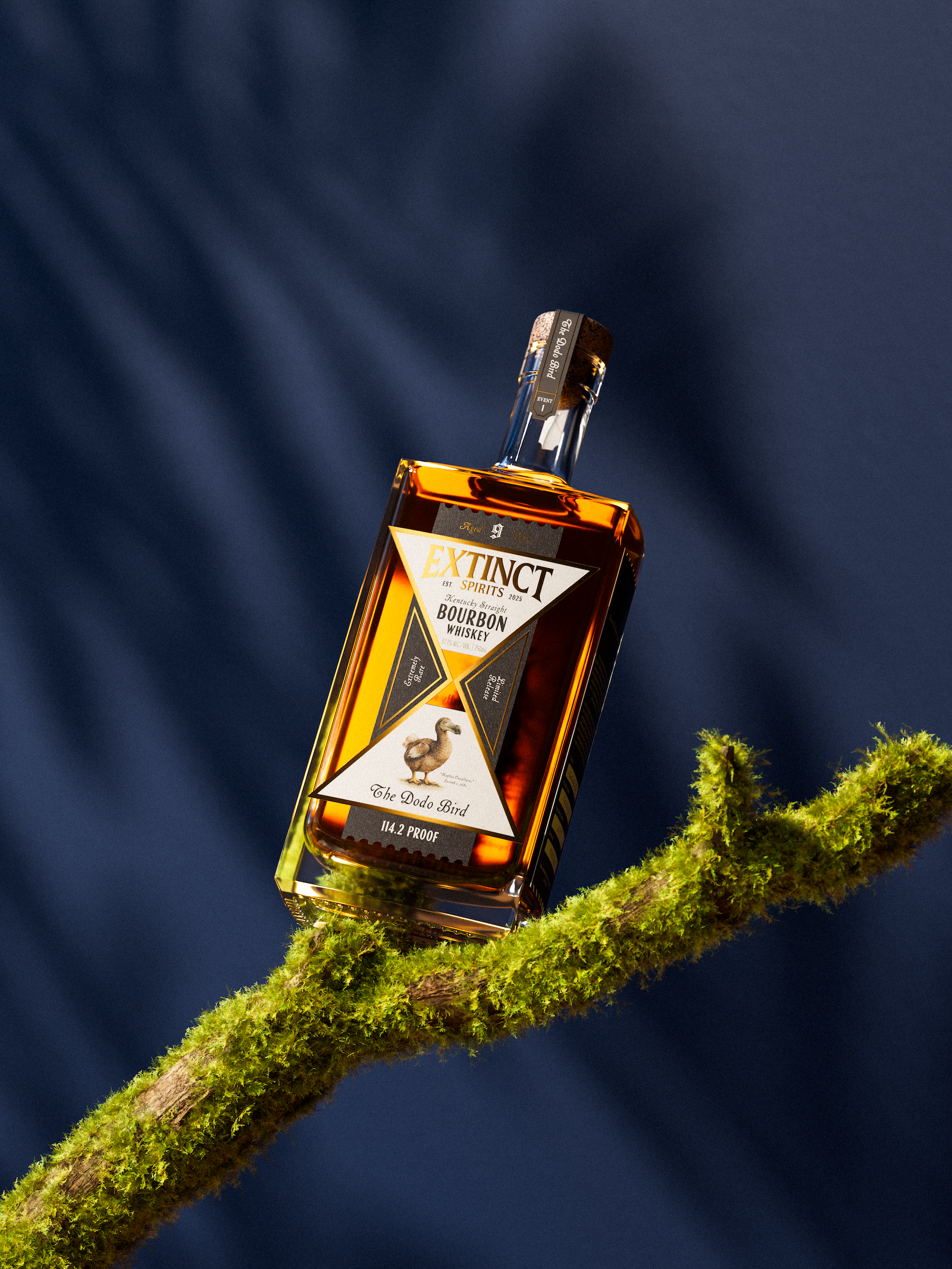
While I don’t formally rate presentation without having the bottle in hand, I can say that I’ve been following this design since its earliest conceptual stages. Having seen it develop from the beginning, this is already one of my favorite whiskey bottle designs on the market.
There’s something about the finished aesthetic that feels particularly appropriate for the brand and the release. It’s distinctive without feeling like it’s trying too hard, and it gives this whiskey an identity before you even pull the cork.
Distinctiveness
This is where The Dodo Bird really starts to separate itself.
I’ve encountered this same source distillate numerous times this year (albeit a slightly different mashbill), and it seems to find a different personality with every barrel. This expression, however, is arguably the most unique version I’ve personally experienced. Despite the familiar foundation, the profile leans heavily into dark fruit, smoky oak, concentrated maple, and mature Kentucky bourbon character without the quintessential pineapple note I typically associate with this distillate.
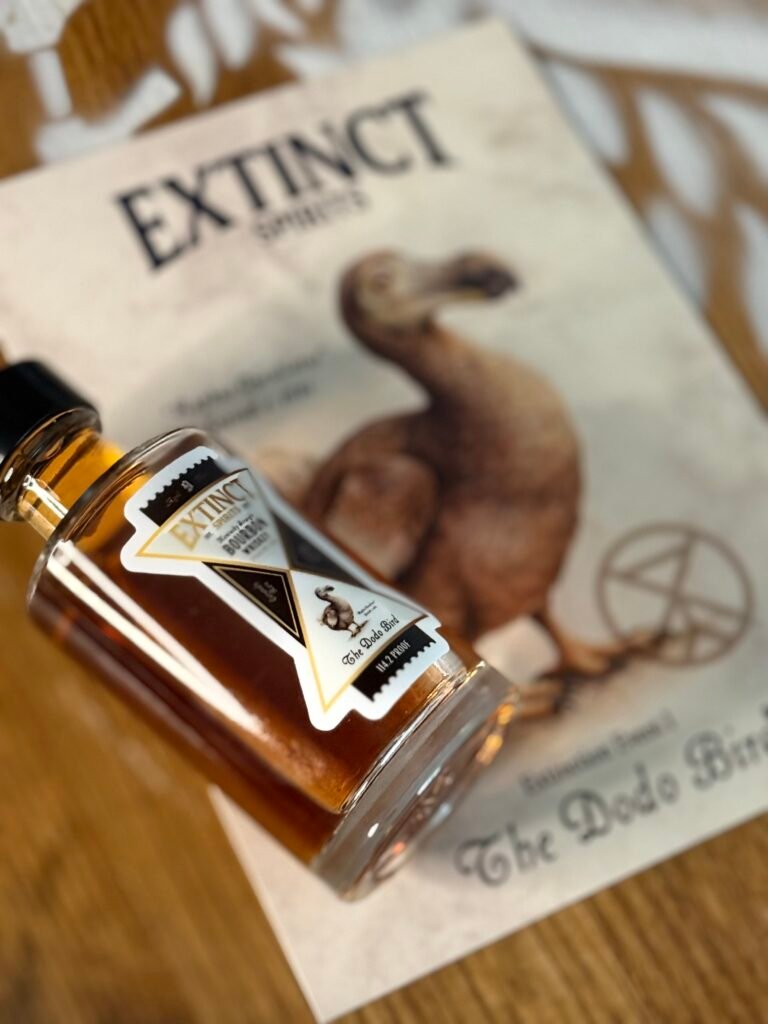
Extinct Spirits confirms that only 29 other barrels exist. That’s a remarkably small pool of whiskey, and this particular expression makes a compelling argument for why barrel selection matters so much. The difference here isn’t a minor variation in flavor. It’s an entirely different personality.
“The closest comparison I can make is to that concentrated, mature Kentucky bourbon character that makes certain unicorn bottles so memorable.”
Transparency
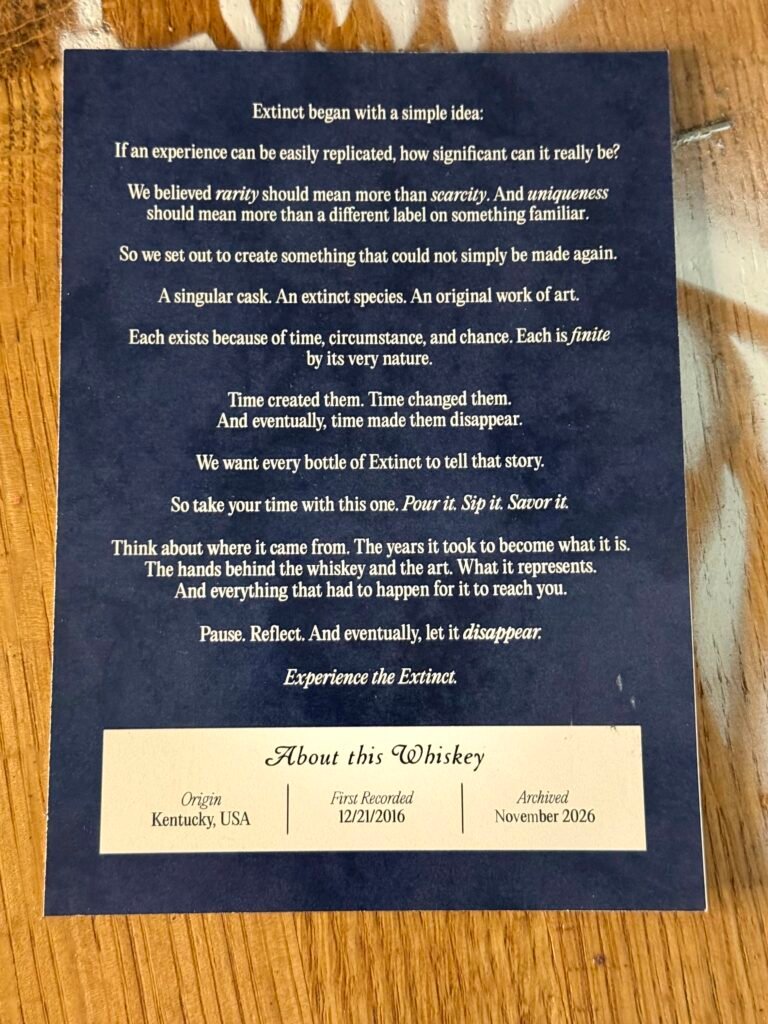
For a premium, limited-release brand, I find the information provided here refreshingly transparent.
In their most recent social media post, the brand confirmed the O.Z. Tyler origin officially.
I appreciate that. Plenty of brands operating in this price category would be perfectly comfortable leaving it at “Distilled in Kentucky”. Providing more specific sourcing information, along with the age, mashbill, proof, and barrel scarcity, gives consumers considerably more to work with.
Value
This is probably the most difficult category for me.
Is $200 expensive? Absolutely. Does a nearly 10-year-old Kentucky bourbon automatically justify a $200 price tag? No. Age and proof alone aren’t enough to get there.
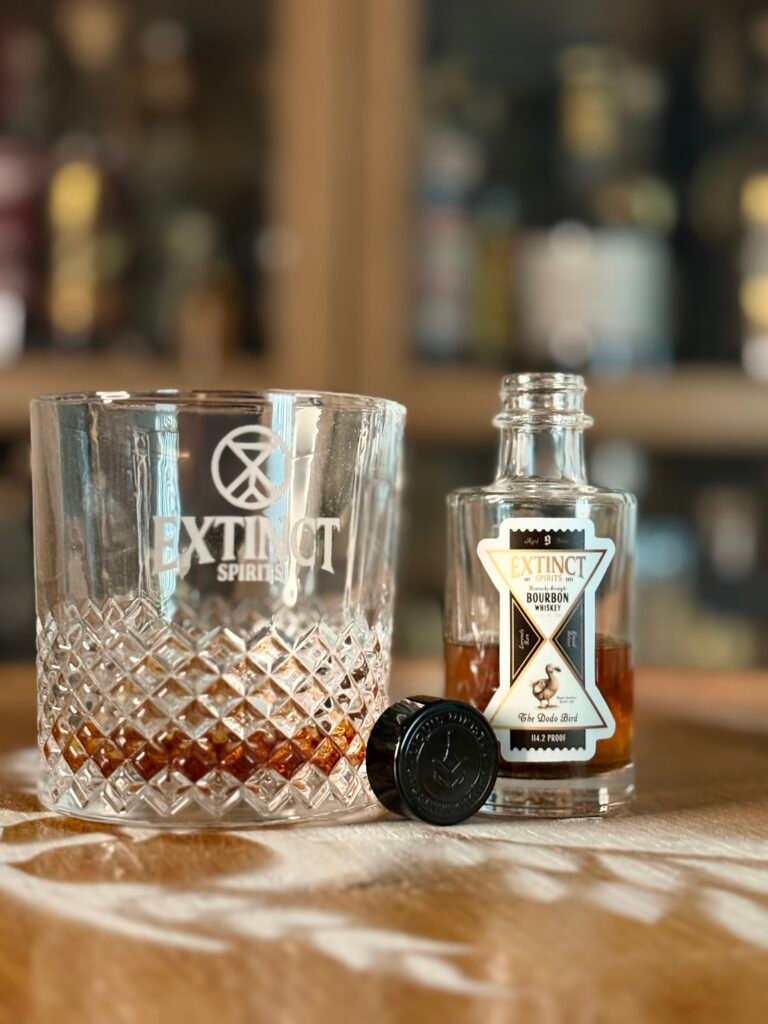
But this is where the conversation becomes more interesting. You’re not paying for a run of the mill nine-year-old bourbon with a familiar mashbill. You’re paying for a particularly distinctive barrel, an exceptionally well-developed flavor profile, a beautiful presentation, and a mashbill/origin with just 30 barrels in existence.
The whiskey itself is genuinely excellent. The depth and concentration remind me of the kind of dark, mature Kentucky bourbon character that makes releases like certain Heaven Hill 22-year expressions, or some of the highly sought-after sourced Kentucky barrels, so compelling. I’m not suggesting this is directly comparable to those bottles in every respect, but the concentration of flavor and mature oak character put it in an interesting conversation.
If you’re already comfortable spending this kind of money on premium bourbon, I think there’s a legitimate case for this bottle. I would happily put it alongside similarly priced Kentucky releases, including some of Wild Turkey’s special offerings.
It’s not an everyday value proposition, but it doesn’t need to be. If you have the cash and appreciate distinctive, high-quality bourbon, this one earns serious consideration.
Buy if:
- You love dark, rich Kentucky bourbon with concentrated maple and mature oak.
- You appreciate barrel variation and want something that stands apart from familiar distillate profiles.
- You enjoy smoke, tobacco, dark fruit, and baking spice in your bourbon.
- You’re comfortable spending $200 for a distinctive, extremely limited release.
Skip if:
- You prefer bright, fruity, pineapple-forward bourbon profiles.
- You generally gravitate toward lighter, sweeter, less oak-driven whiskey.
- You’re looking for an everyday pour or straightforward age-to-price value.
- Your bourbon budget tops out well below $200
Verdict
Wow. This is absolutely in the running for one of my top 10 pours of the year, and potentially one of the best things I’ve tasted in 2026.
What’s particularly fascinating is that I’ve had this same distillate quite a bit this year, and every barrel seems to bring something different to the table. Some have been more familiar, but The Dodo Bird might be the most distinctive expression I’ve encountered yet. It’s incredibly deep, dark, and rich, with layers of maple, old oak, dark cherry, fig, and baking spice. There’s an almost smoky quality that gives the whiskey another dimension without ever overwhelming the experience.
The closest comparison I can make is to that concentrated, mature Kentucky bourbon character that makes certain unicorn bottles so memorable. Think along the lines of the richness you find in some of the older Heaven Hill releases or highly regarded Kentucky barrel selections. This isn’t necessarily the same whiskey or an attempt to suggest it’s interchangeable with those bottles, but the overall experience belongs in that conversation.
The $199.99 price tag is certainly a hurdle, and I won’t pretend otherwise. But considering the quality of the whiskey, the unusually distinctive barrel profile, the thoughtful presentation, and the fact that only 30 barrels exist, I think Extinct Spirits has something genuinely special here.
This is the kind of whiskey that reminds me why I enjoy exploring individual barrels in the first place. Familiar distillate (slight variation in mashbill), completely different personality, and an experience that sticks with you long after the glass is empty.
Bourbon Bishop Bottom Line:
A remarkably deep, dark, and distinctive Kentucky bourbon that turns distillate with familiar origins into one of my strongest contenders for pour of the year.
For those who prefer numbers, here’s the full score breakdown:
- Nose: 6.5 / 7
- Palate: 6.5 / 7
- Finish: 6.75 / 7
- Presentation: N/A
- Distinctiveness: 6 / 7
- Transparency: 7 / 7
- Value: 5.75 / 7
Bourbon Bishop Rating: 6.42 / 7 – Holy Heaven
Out-of-this-world. A true unicorn.
| Score | Descriptor | Notes |
|---|---|---|
| 0–1 | Hell No | Drain pour. Seriously undrinkable. |
| 1.1–2 | Purgatory | Bad, but could be worse. Only in extreme cases. |
| 2.1–3 | Only Earthly | Just okay. Best used as a mixer. |
| 3.1–4 | Bliss | Passable to Good sipper. Works well in cocktails. |
| 4.1–5 | Angelic | Good to great. Often high value for the price. |
| 5.1–6 | Divine | Top-shelf. Must-buy for fans of the style. |
| 6.1–7 | Holy Heaven | Out-of-this-world. A true unicorn. |
Disclosure: This sample was provided to me free of charge for review. All opinions are my own.
About Extinct Spirits
Founded by Cole Hanna, Joslyn Hanna, and Darrick Jackson, Extinct Spirits is an independent spirits brand built around distinctive, limited-quantity single-cask releases. Each release, known as an Extinction Event, pairs a carefully selected spirit with an extinct species and original commissioned artwork. Once a release sells out, its story, artwork, and spirit are preserved in The Archive, creating a permanent record of each unique bottling.
The founding team brings established whiskey industry experience to the venture, with connections to H.K. Young Bourbon Co. Cole Hanna is a co-founder of H.K. Young, while Darrick Jackson serves as its sales manager. Joslyn Hanna is also involved in the broader H.K. Young business. Together, the founders are bringing that industry experience into a distinct brand focused on highly curated spirits, creative storytelling, and limited releases.
Beyond whiskey, Extinct Spirits has a conservation-minded mission, using each release to raise awareness of species lost to time while supporting efforts to protect vulnerable wildlife and their ecosystems. The company is veteran-owned and woman co-owned.
Related Articles
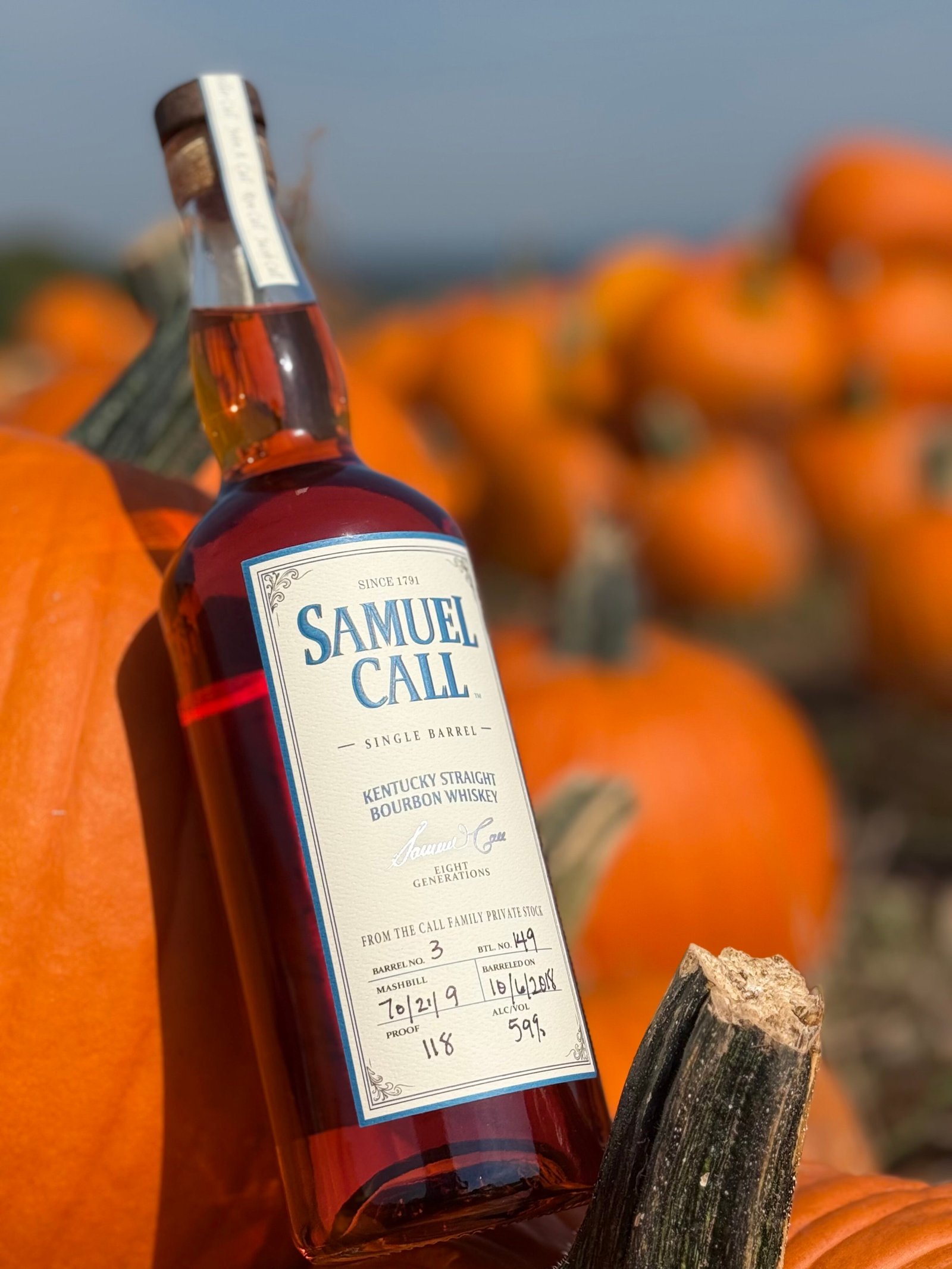
Samuel Call Barrel 3 delivers rich brown sugar, creamy caramel, dark fruit, cinnamon spice, and a lingering pineapple upside-down cake finish at 118 proof.
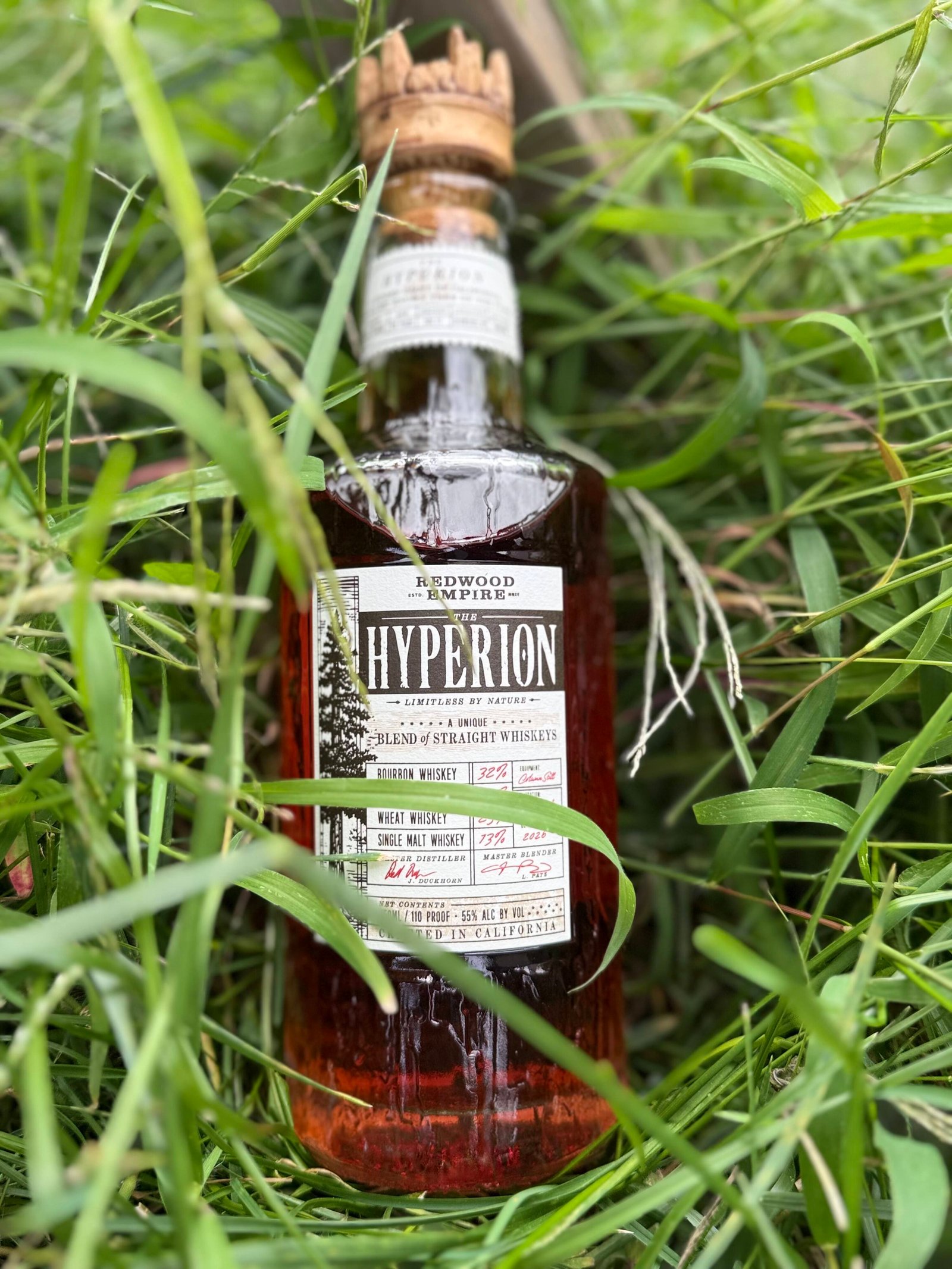
Redwood Empire The Hyperion blends bourbon, rye, wheat whiskey and American single malt aged 7–14 years. Explore tasting notes, transparency, value and our verdict on this $99, 110-proof release.
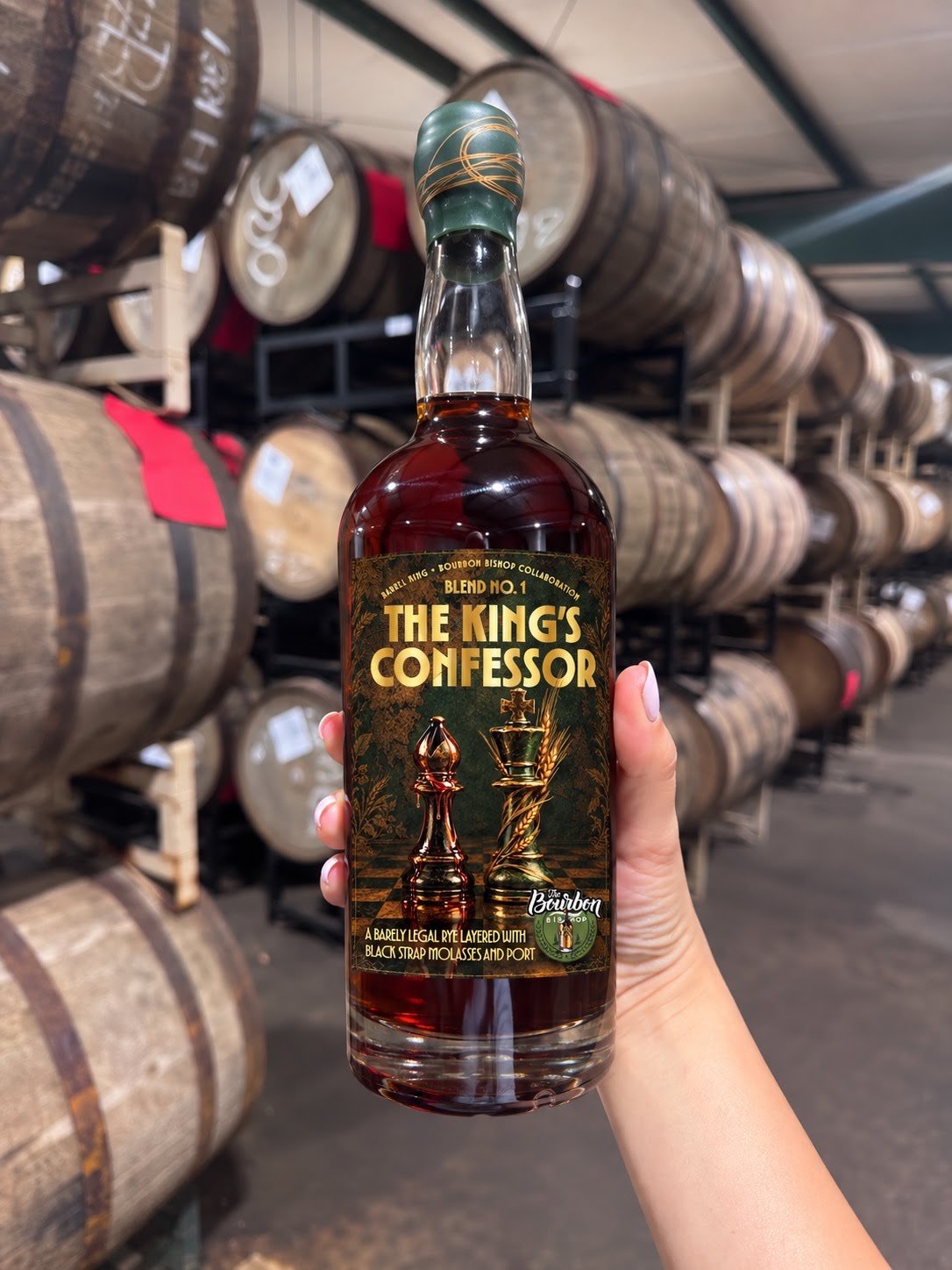
I went into my Barrel King whiskey selection expecting to pick a single barrel. Instead, four very different bourbons and ryes (including a 9 year O.Z. Tyler) became The Bourbon Bishop Blend. See how it came together.
I went into my Barrel King whiskey selection expecting to pick a single barrel. Instead, four very different bourbons and ryes (including a 9 year O.Z. Tyler) became The Bourbon Bishop Blend. See how it came together.
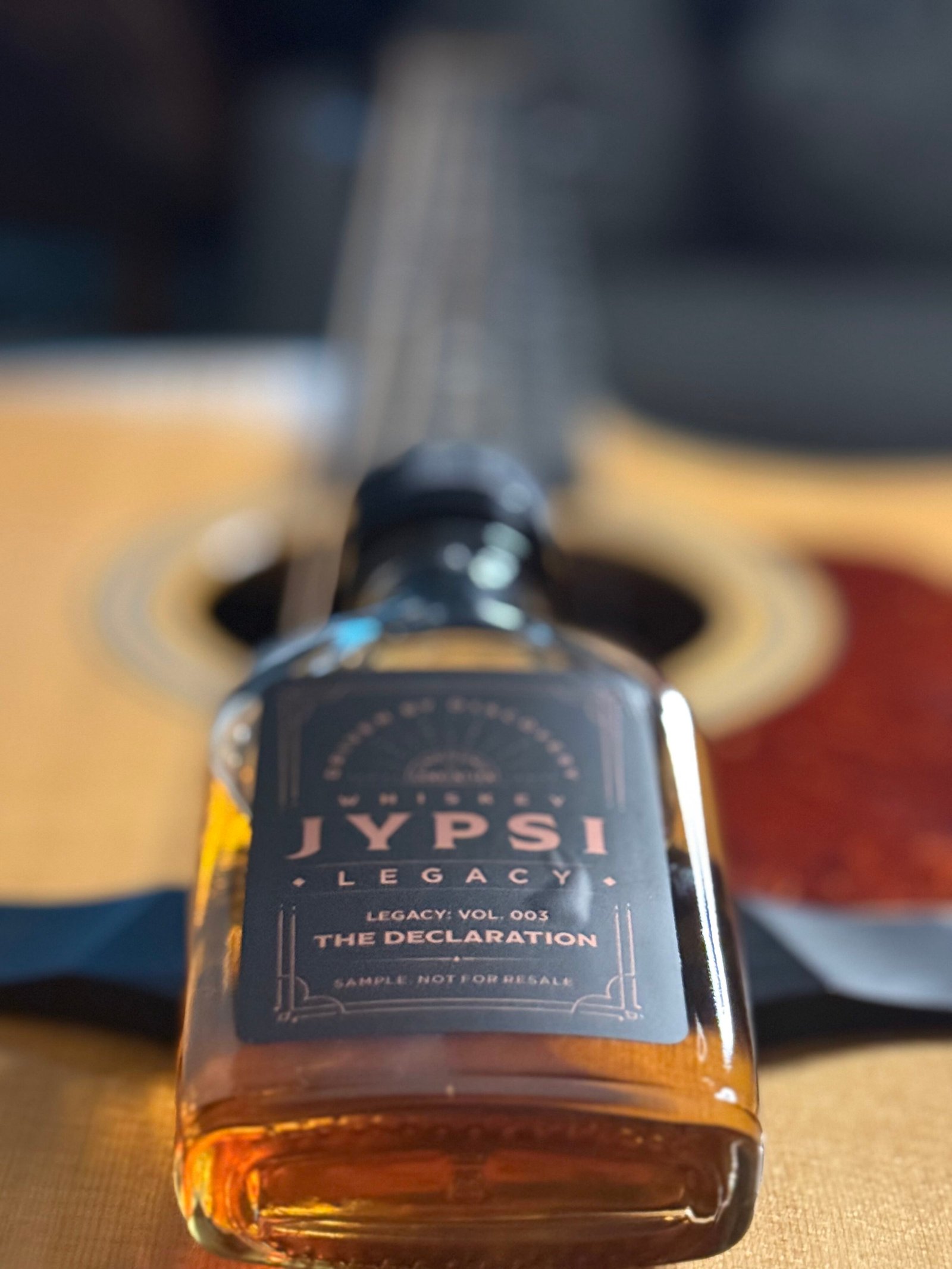
Whiskey JYPSI Legacy Batch 003 is an ambitious blend that brings together three distinct whiskey styles to create something greater than the sum of its parts. With layers of cinnamon, baked apple, French toast, and antique oak, it offers a memorable experience at 115.74 proof. The blending is impressive, but at $199.99, the price deserves a closer look.
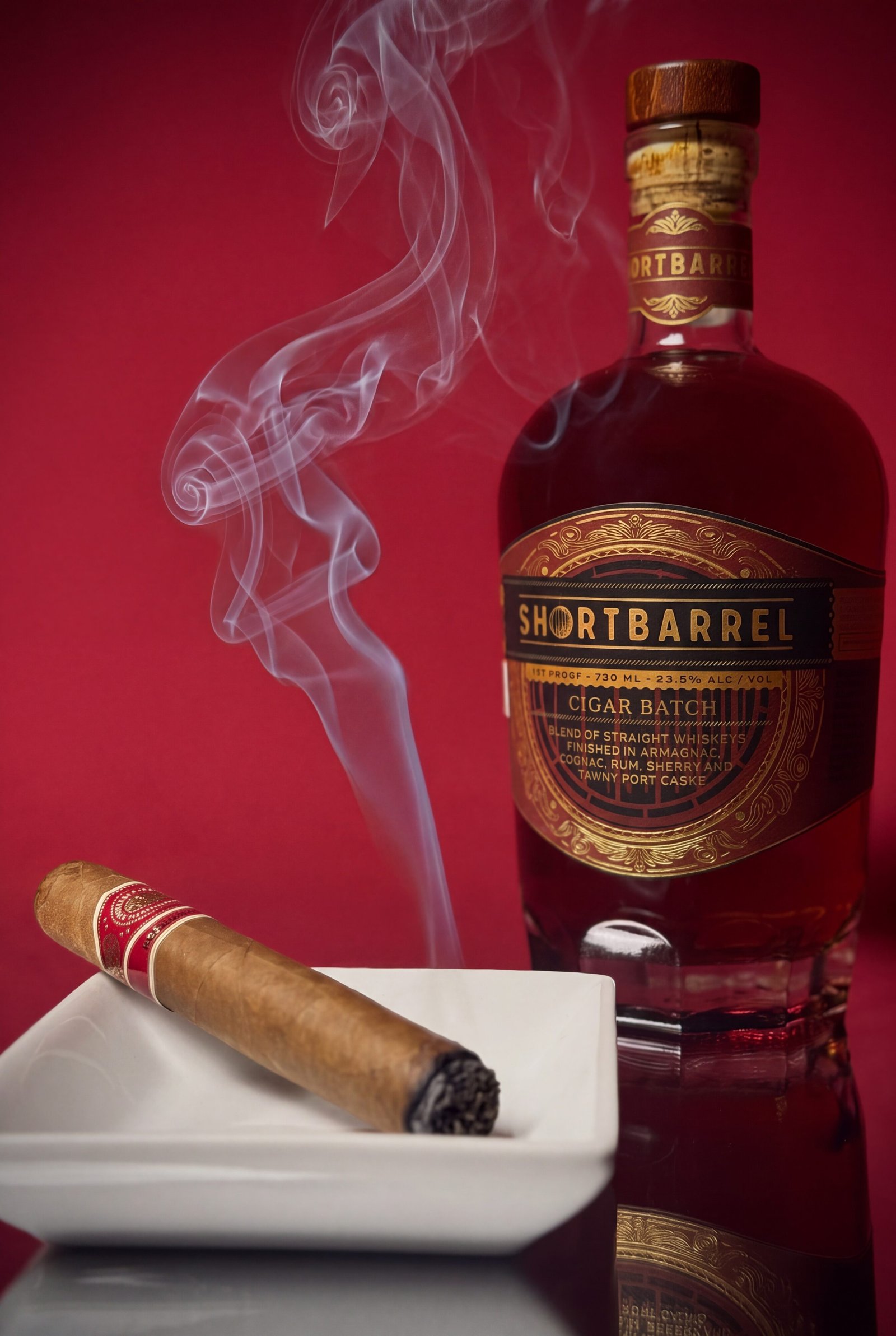
Shortbarrel Cigar Batch #4 blends dark cherry, fig, chocolate, leather and lingering rye spice in a complex, approachable American whiskey.
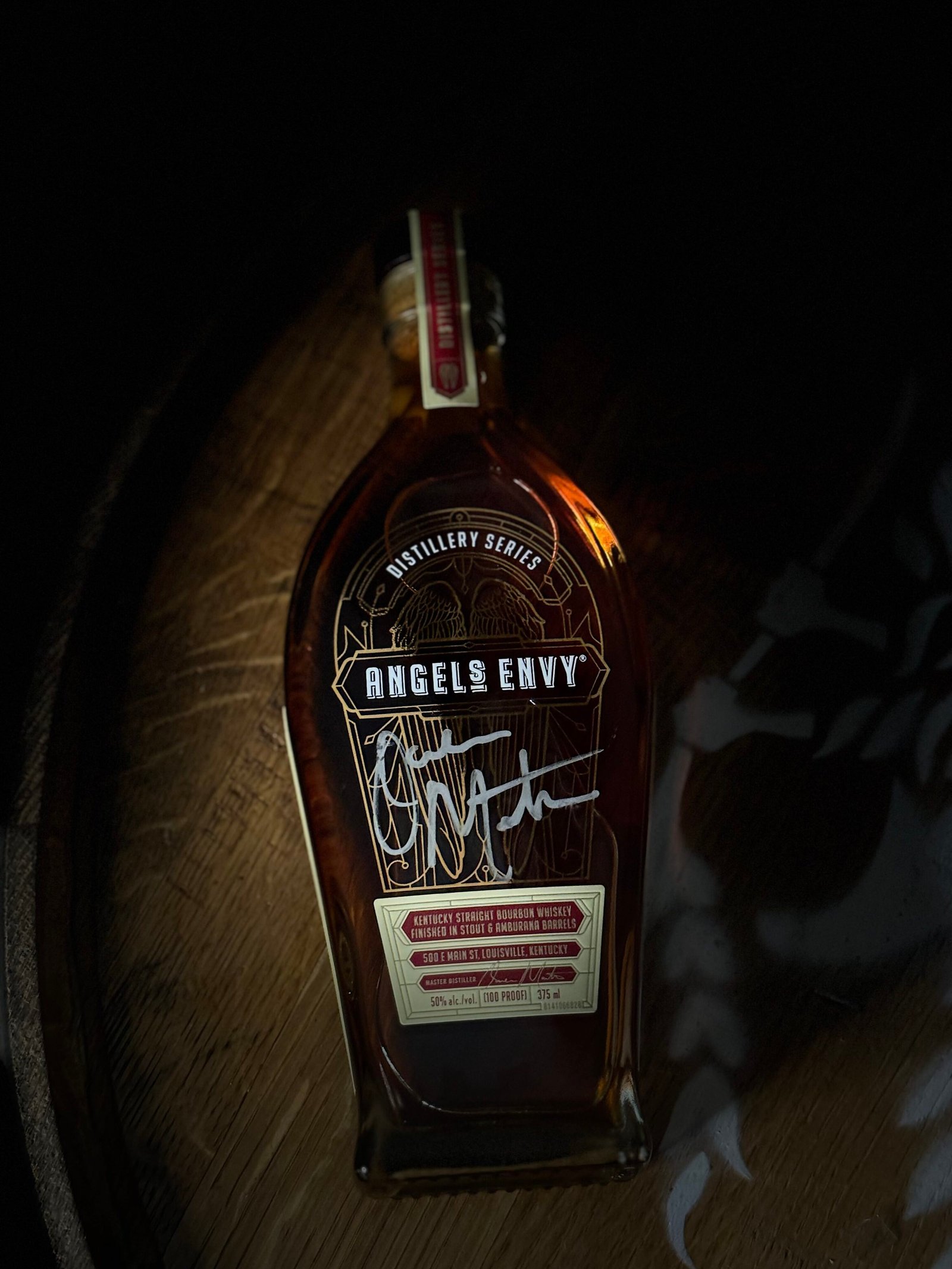
Angel’s Envy Stout and Amburana Finished blends stout-barrel chocolate and cherry with warming cinnamon, ginger, and a lingering Mexican hot chocolate finish.
Confused by whiskey terms like small batch, bottled in bond, NDP, cask strength, or mash bill? Here’s a plain-English whiskey dictionary that defines common whiskey words and actually makes sense.
Small Batch has no legal definition, but a growing number of independent bottlers and craft distilleries are redefining the term through transparency, intentional blending, and truly limited barrel counts.