
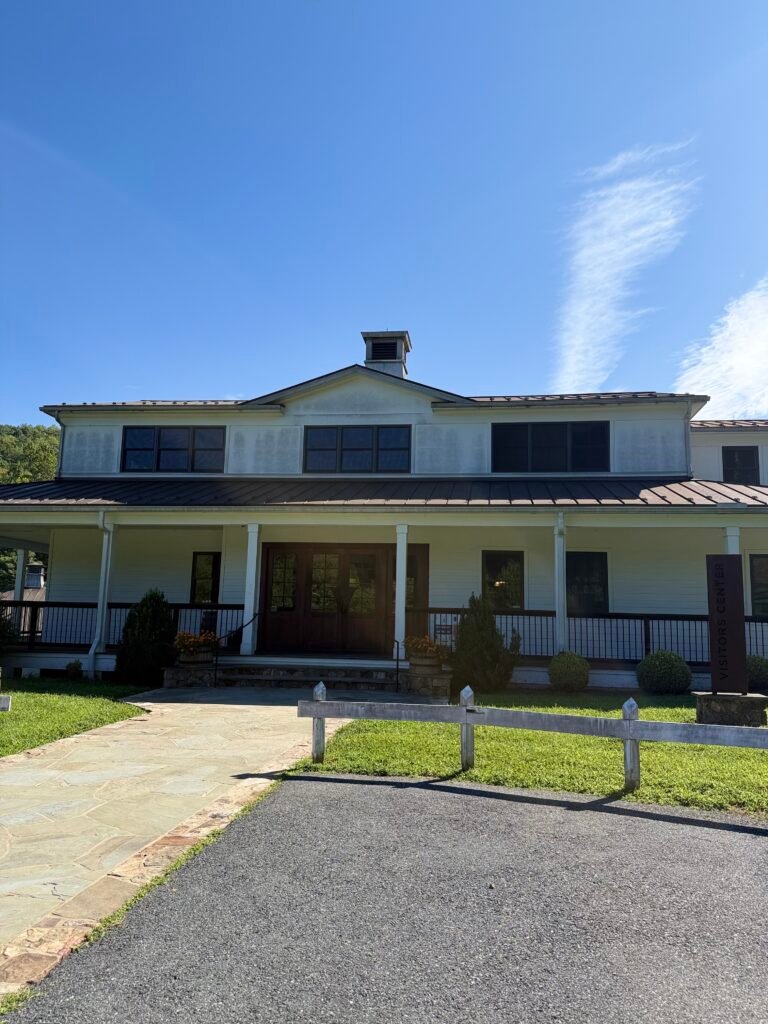
A visit to Virginia Distillery Company in Lovingston reveals how malt, mountain climate, unusual casks and a little American experimentation come together in one of the country’s most distinctive single malt operations.
Part of the Bourbon Bishop Virginia Craft Whiskey Starter Trail
This distillery is featured on my Bourbon Bishop Virginia Craft Whiskey Starter Trail in the Virginia Spirits Trail app, a curated way to explore some of the Commonwealth’s craft distilleries.
There are certain distilleries where the building tells you almost as much about the whiskey as the bottle does.
Virginia Distillery Company is one of those places.
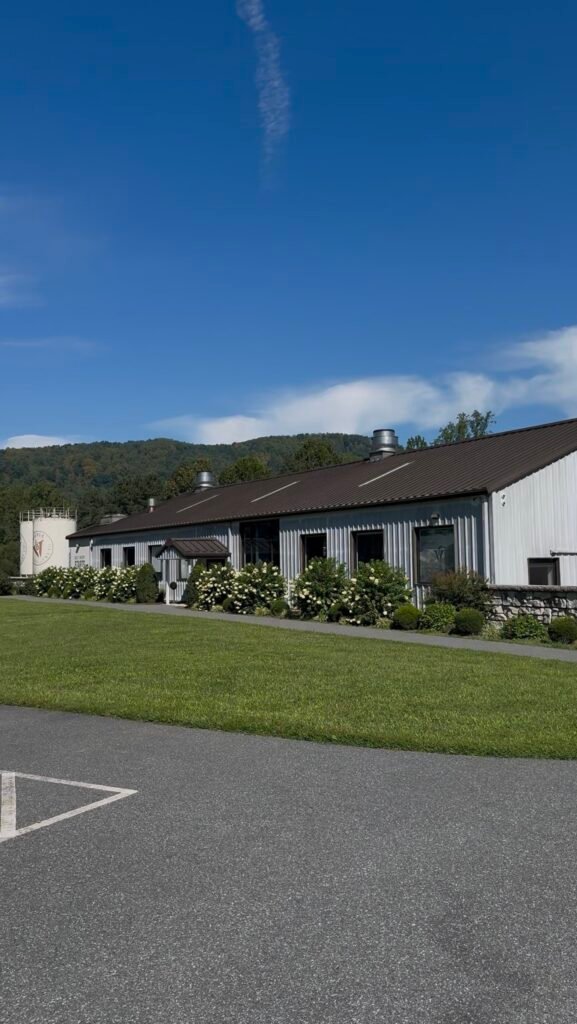
Tucked into the Blue Ridge Mountains in Lovingston, Virginia, VDC has built its identity around American single malt whisky, but the experience of visiting makes it clear that the idea goes much deeper than putting malted barley into a still.
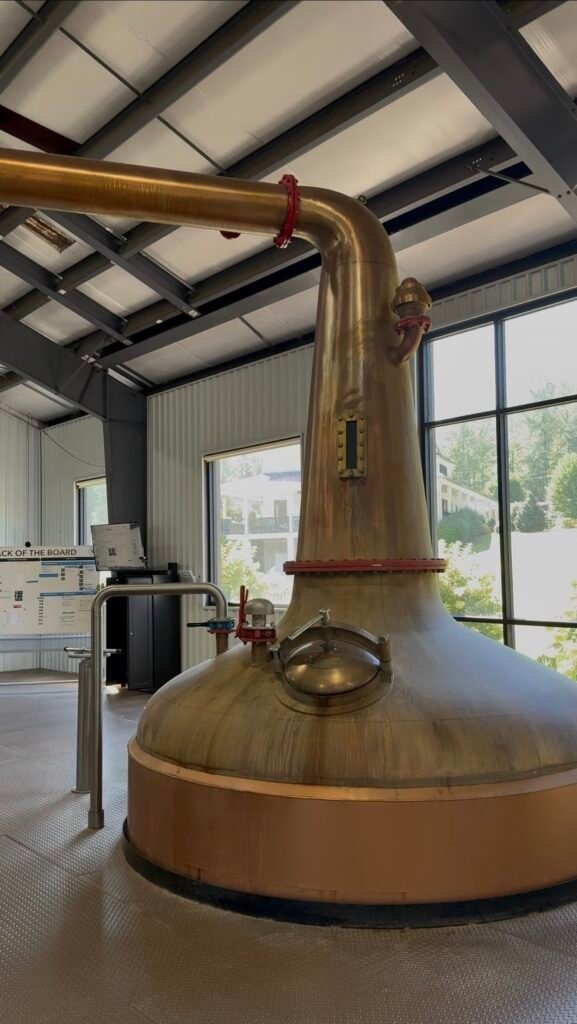
There is an unmistakable Old World influence here. There is a 1920s Boby Mill. There are copper pot stills. There is an approach to whisky that owes plenty to Scotland and Ireland.
Then there is Virginia.
The mountain climate. The heat. The barrel experimentation. The willingness to put single malt into casks that range from sherry and port to stout barrels.
And, perhaps most importantly, a team willing to see where those pieces can take the whisky.
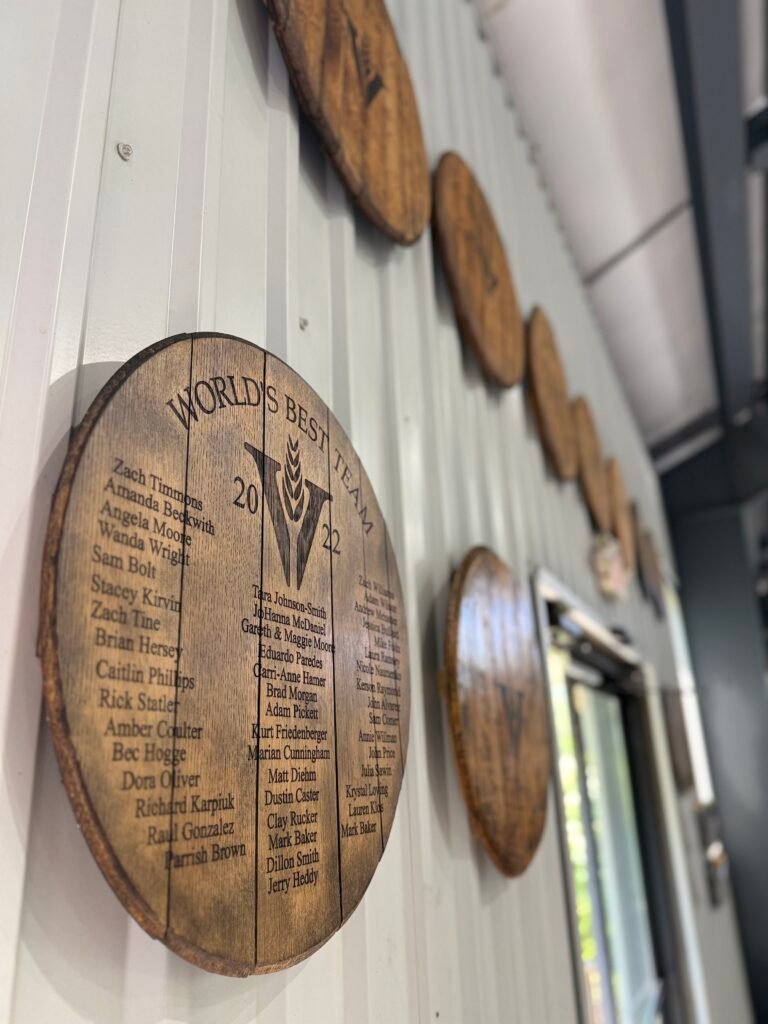
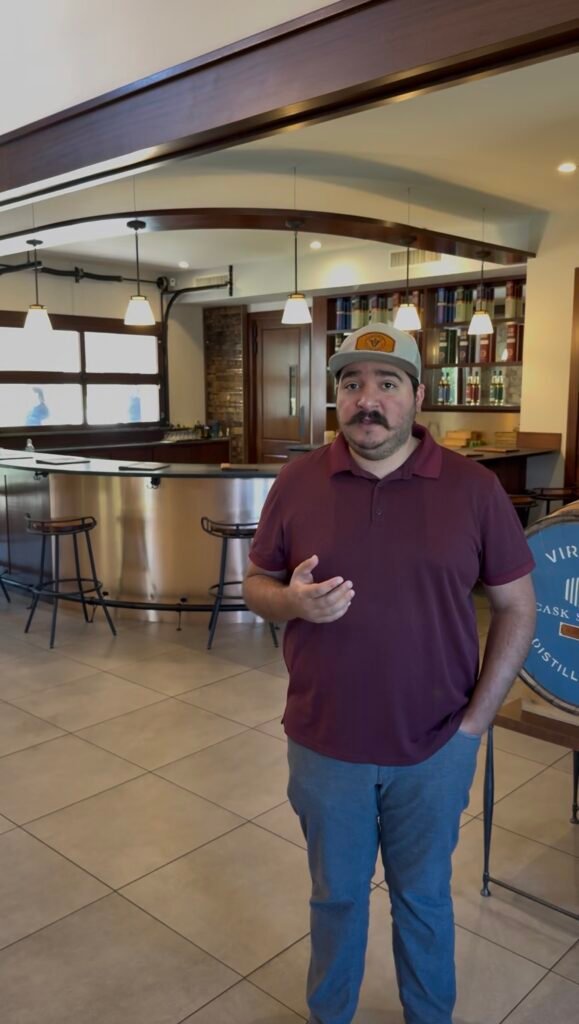
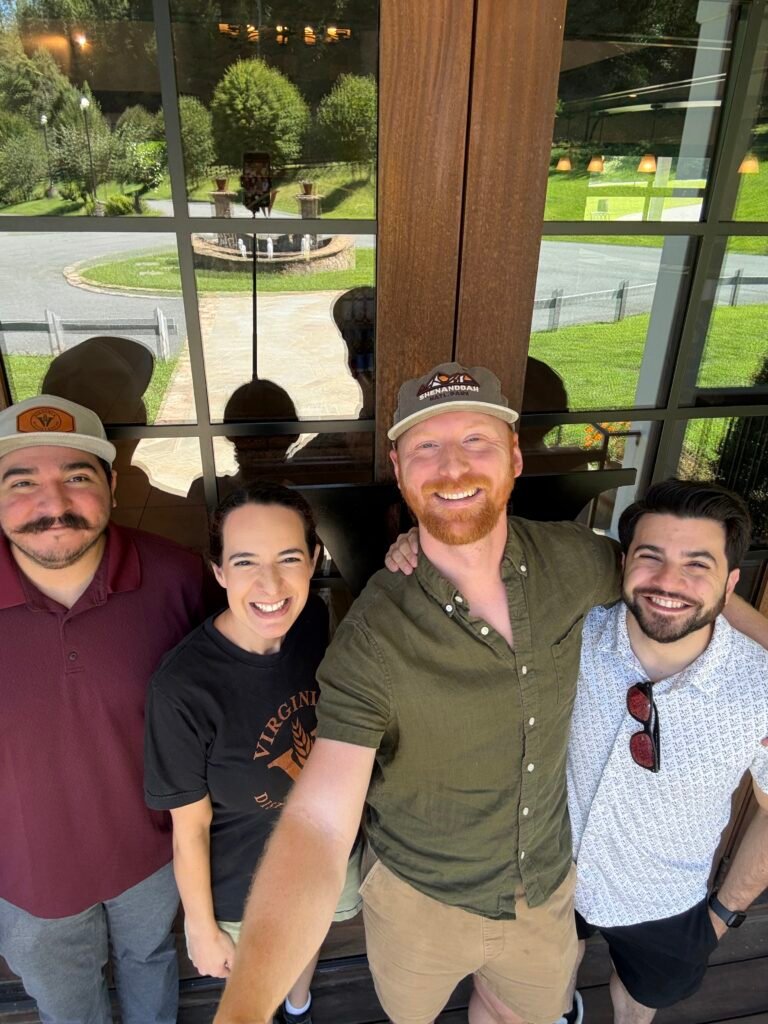
I visited Virginia Distillery Company and was hosted by Raul Gonzalez and Amanda Beckwith, getting a closer look at the operation and tasting through several of the whiskies that show just how broad the VDC flavor palette has become.
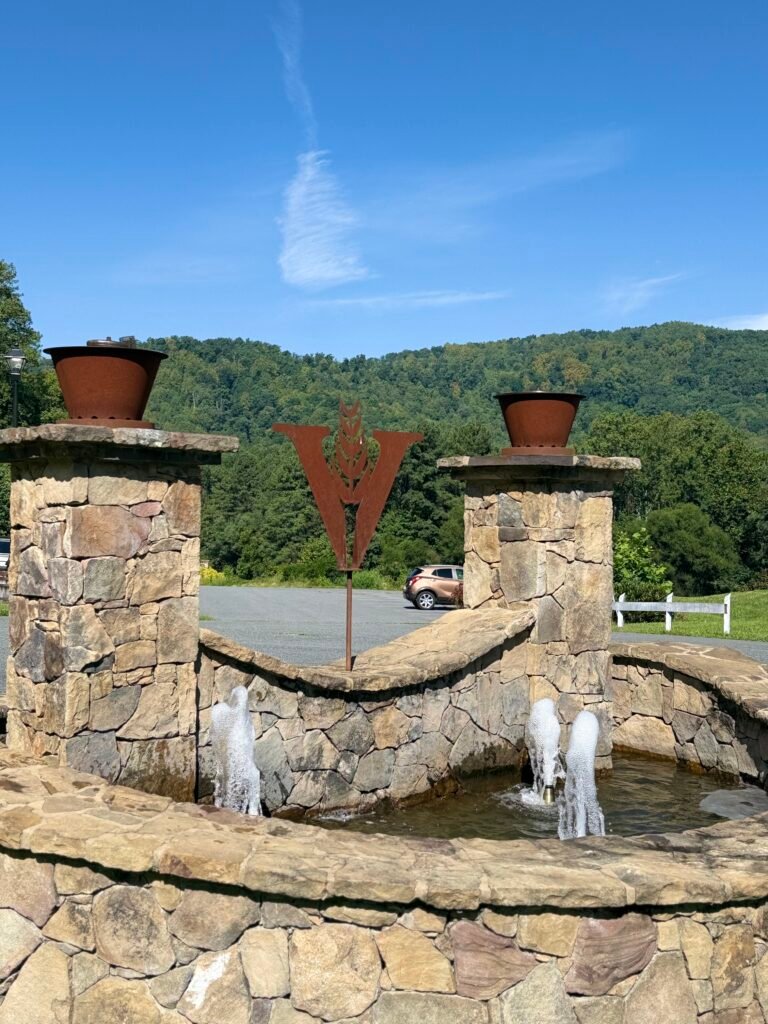
- Distillery: Virginia Distillery Company
- Location: Lovingston, Virginia
- Opened: 2011
- Known for: American Single Malt whisky, sherry and port finishing, experimental casks, and its Courage Club
- Hosted by: Raul Gonzalez & Amanda Beckwith
Old World Whisky in the Blue Ridge
Virginia Distillery Company’s story starts with a pretty simple idea: bring the traditions of single malt whisky to Virginia and see what happens when those traditions meet a very different environment.
The result is something that feels familiar and distinctly American at the same time.
The distillery uses 100% malted barley, with the malt primarily coming from the Midwest, including Minnesota and Wisconsin. From there, the grain moves through milling, mashing, fermentation, distillation and eventually into barrels for maturation.
That sounds straightforward enough. Then you see the equipment.
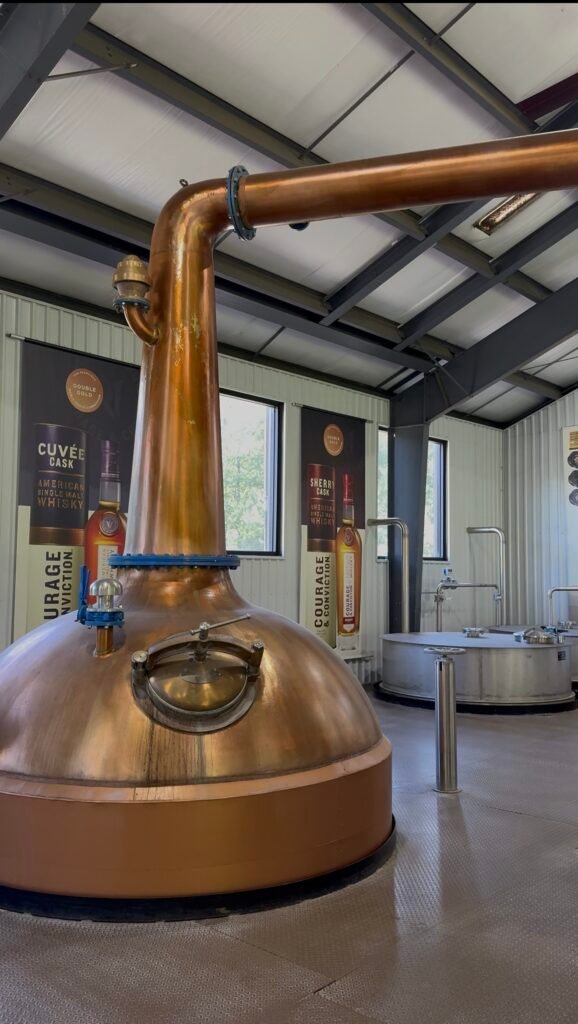
The Boby Mill
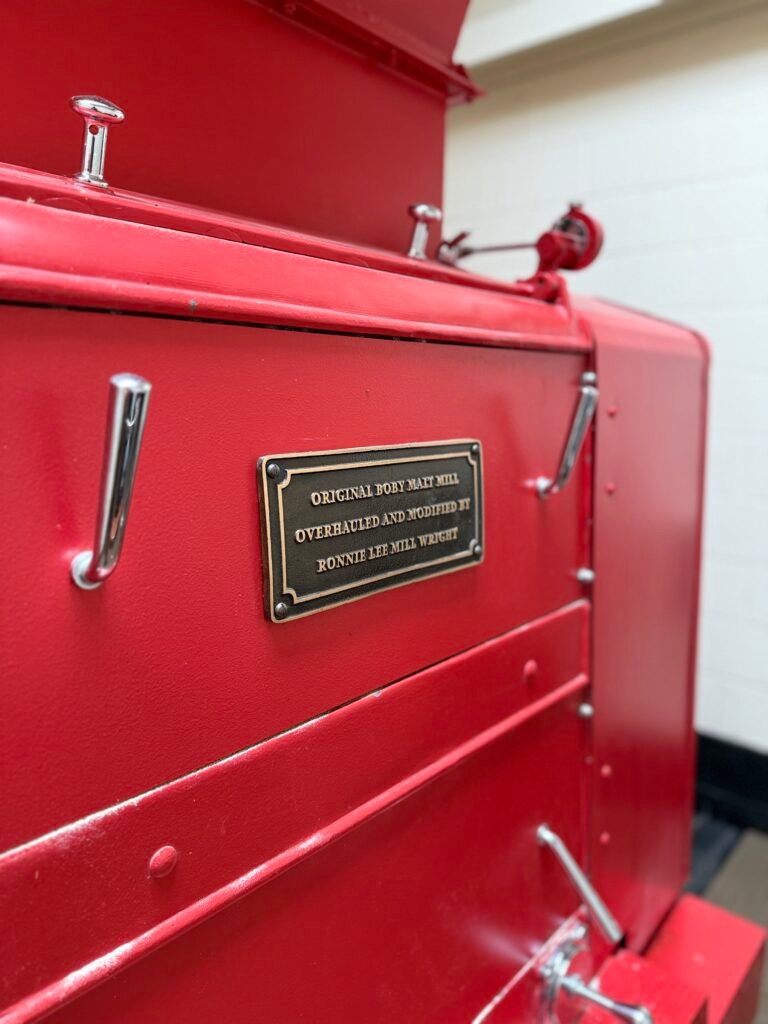
One of the first things that grabbed my attention was VDC’s Boby Mill.
The mill dates back to the 1920s and is one of only a small number of Boby malt mills still operating in the United States.
It’s the kind of piece of equipment that immediately makes a modern distillery feel connected to whisky’s history.
There’s something satisfying about seeing the grain pass through machinery that was built generations ago before continuing through a very modern American whisky operation.
The Boby Mill is also a good representation of VDC itself.
Old World equipment. American surroundings. Virginia whisky.
“Old World meets New World.”
That phrase kept coming back to me throughout the visit.
Because once you get past the equipment, the environment starts playing an increasingly important role.
A Willy Wonka Connection Between Grain and Bottle
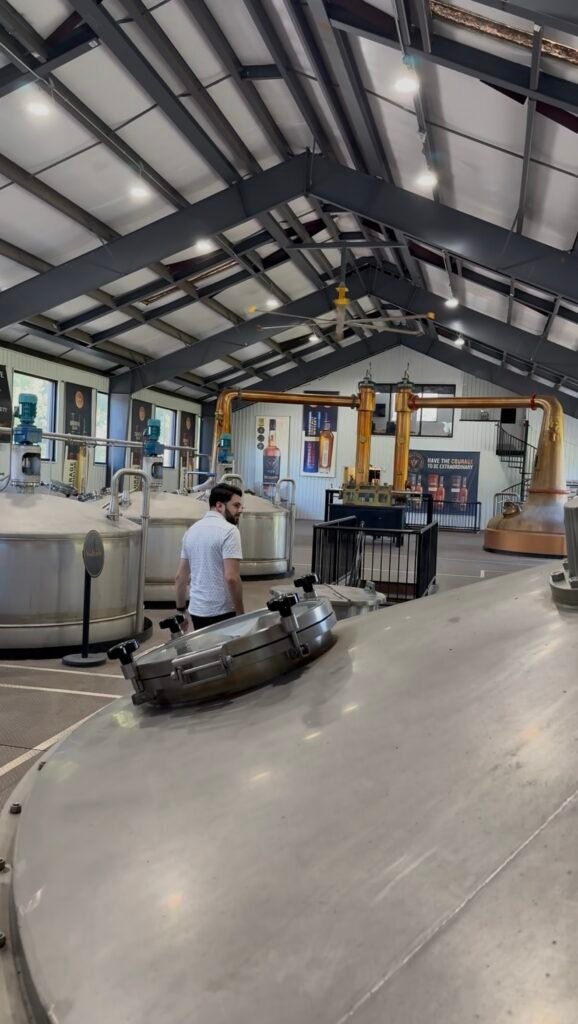
The VDC tour takes you through the entire production process.
Milling. Mashing. Fermentation. Distillation. Aging. And eventually bottling.
One of my favorite visual elements was the way the production areas connect the vatting tanks with the bottling operation.
There’s almost a little Willy Wonka quality to it.
Tanks, pipes, equipment and production areas all connect in a way that gives you a much better appreciation for just how much happens between the grain entering the building and the bottle leaving it.
It’s easy to forget how many individual steps go into making whisky.
A distillery tour gives you a chance to slow that process down and actually see it.
Eleven Years of Building VDC
Amanda Beckwith has been with Virginia Distillery Company for more than a decade, and that kind of institutional knowledge is noticeable when you spend time talking about the whisky.
She’s now VDC’s Director of Liquid Development and Lead Blender, working with the whisky from a sensory and blending perspective.
That role becomes particularly interesting when you consider the number of different casks VDC has available.
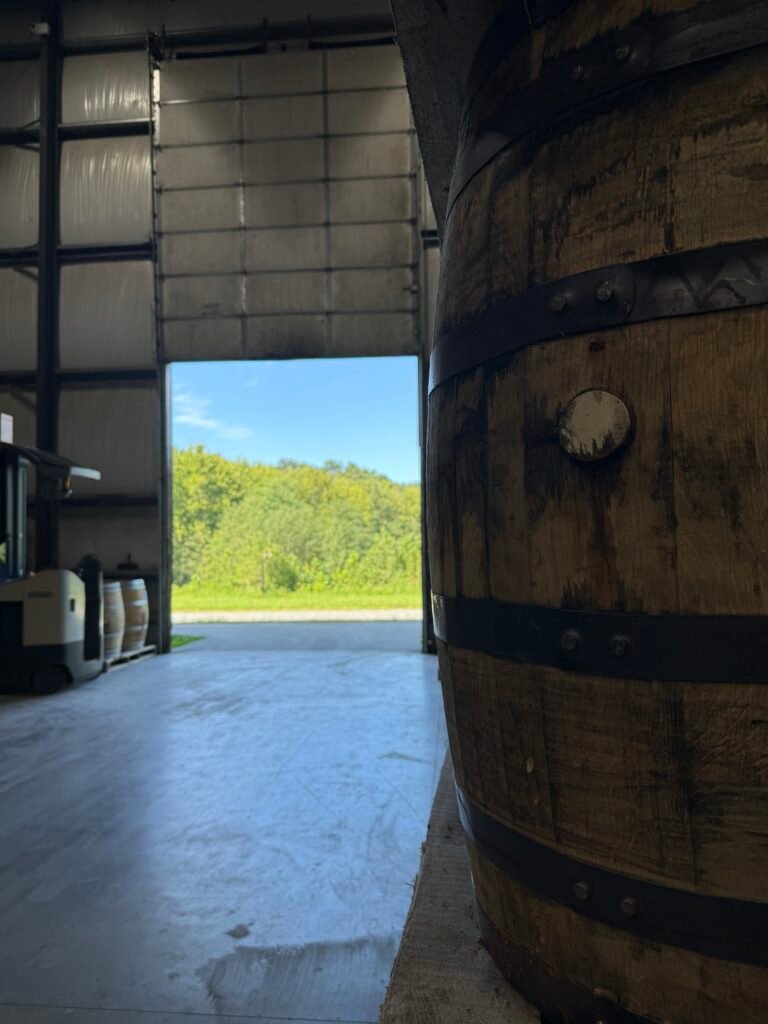
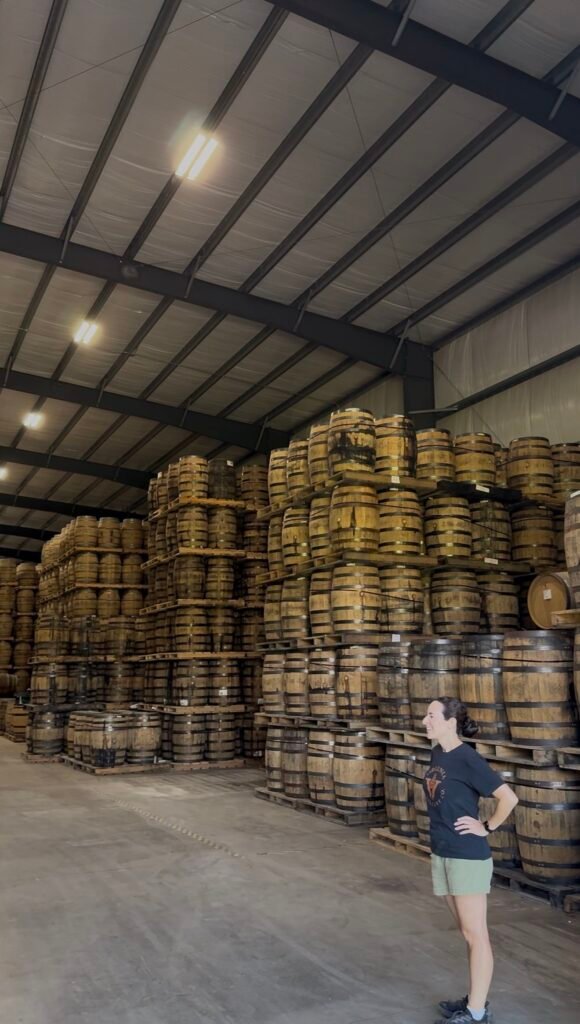
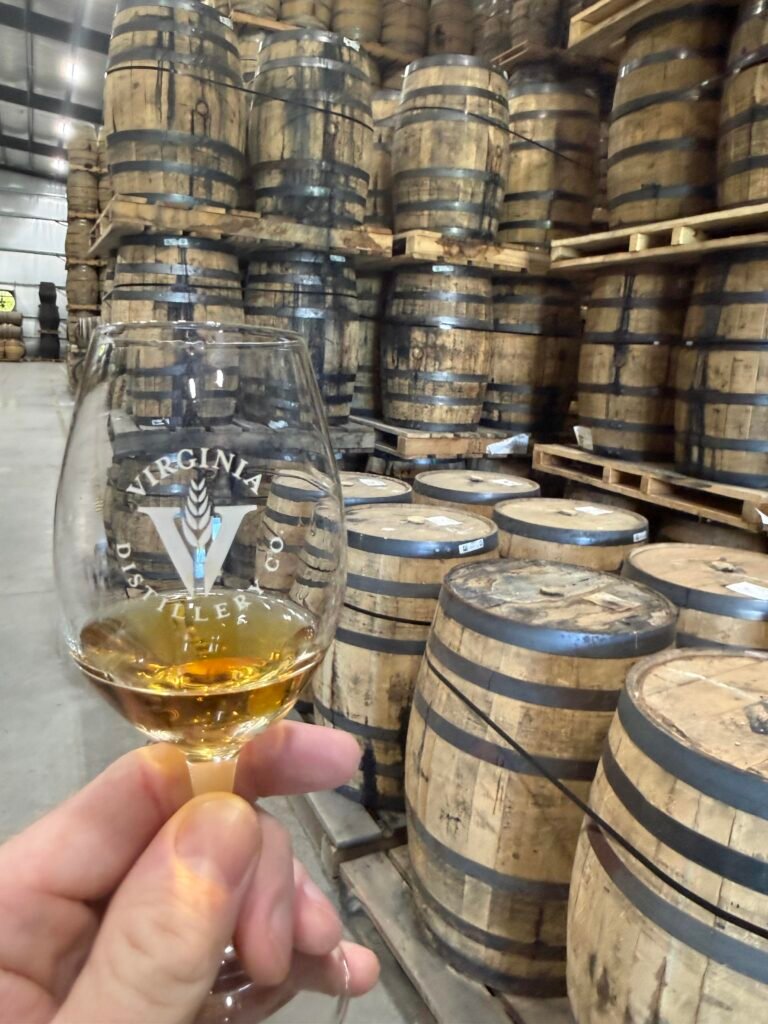
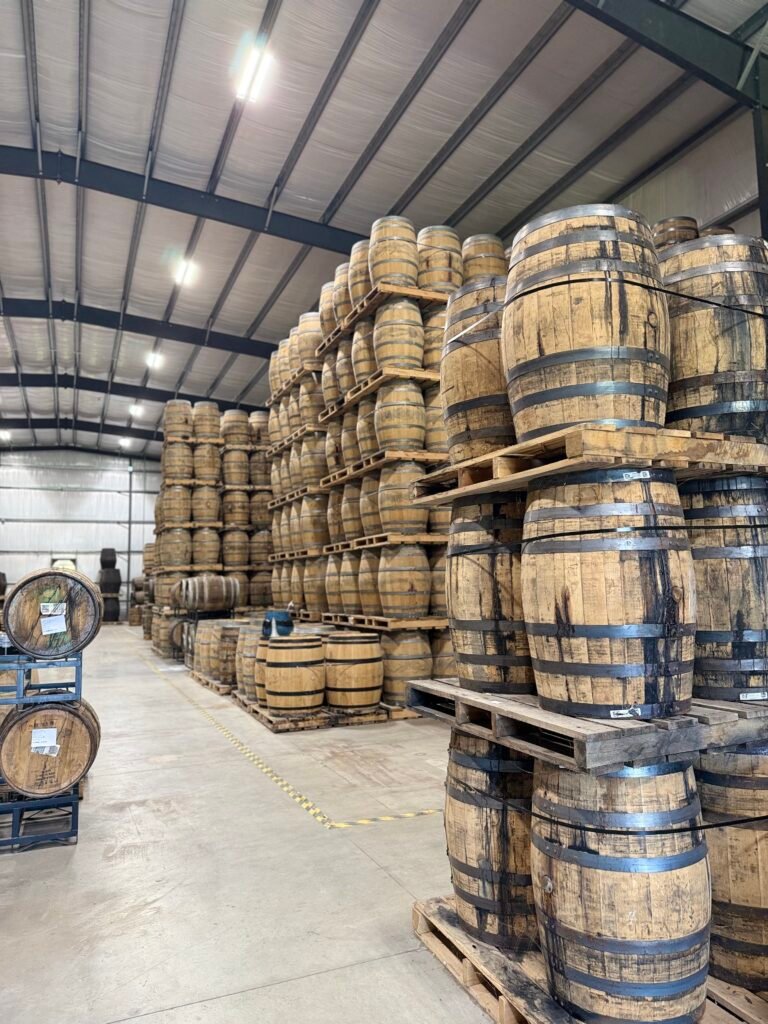
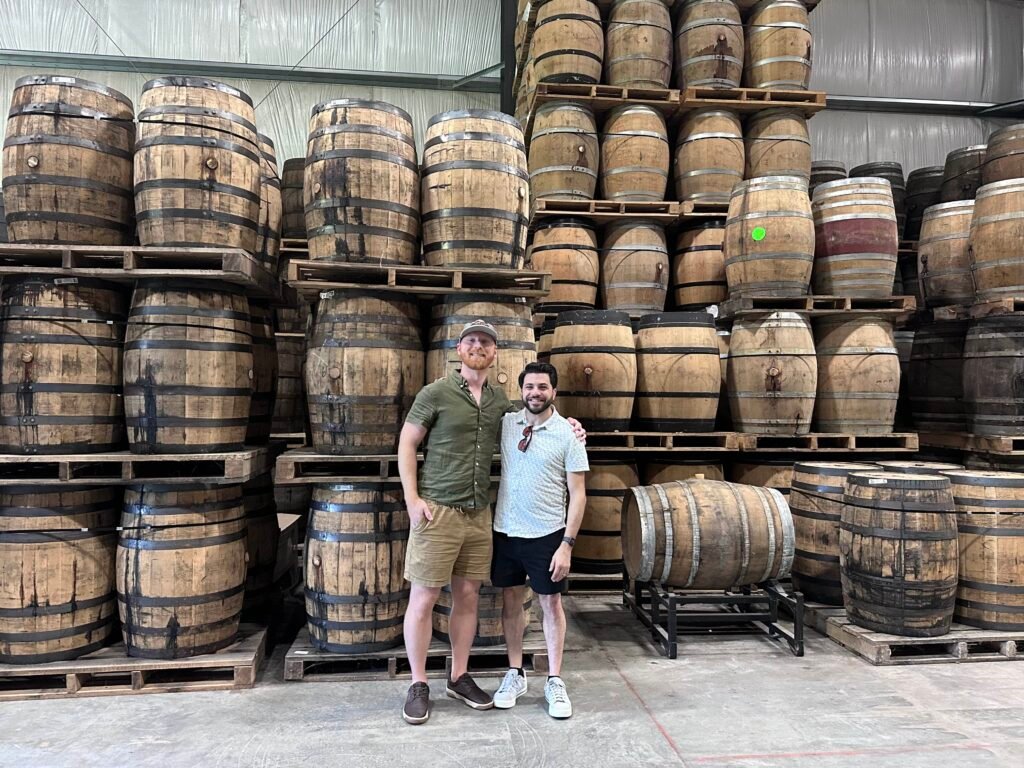
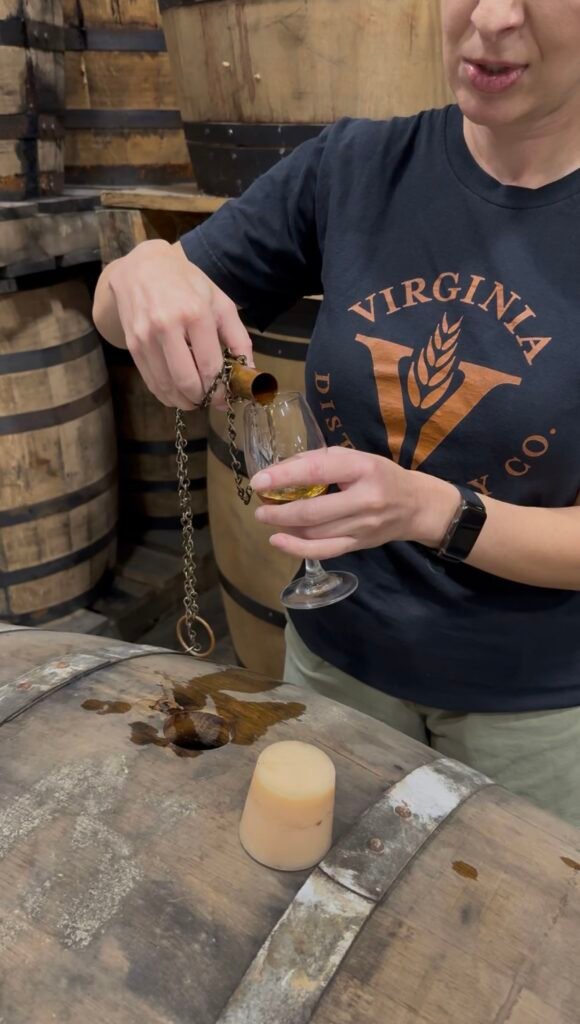
At the time of my visit, the distillery had more than 12,000 barrels aging.
That’s a lot of whisky. And more importantly, that’s a lot of potential combinations.
The distillery’s club releases provide another outlet for that experimentation, with special releases offered to members throughout the year.
It’s a model that makes sense for a distillery with a growing inventory and a willingness to explore.
Rather than having every barrel eventually funnel into one standard expression, VDC has room to let individual casks show what they can do.
“The interesting part isn’t simply finding a good barrel. It’s understanding what that barrel can contribute.”
Aging Virginia Single Malt
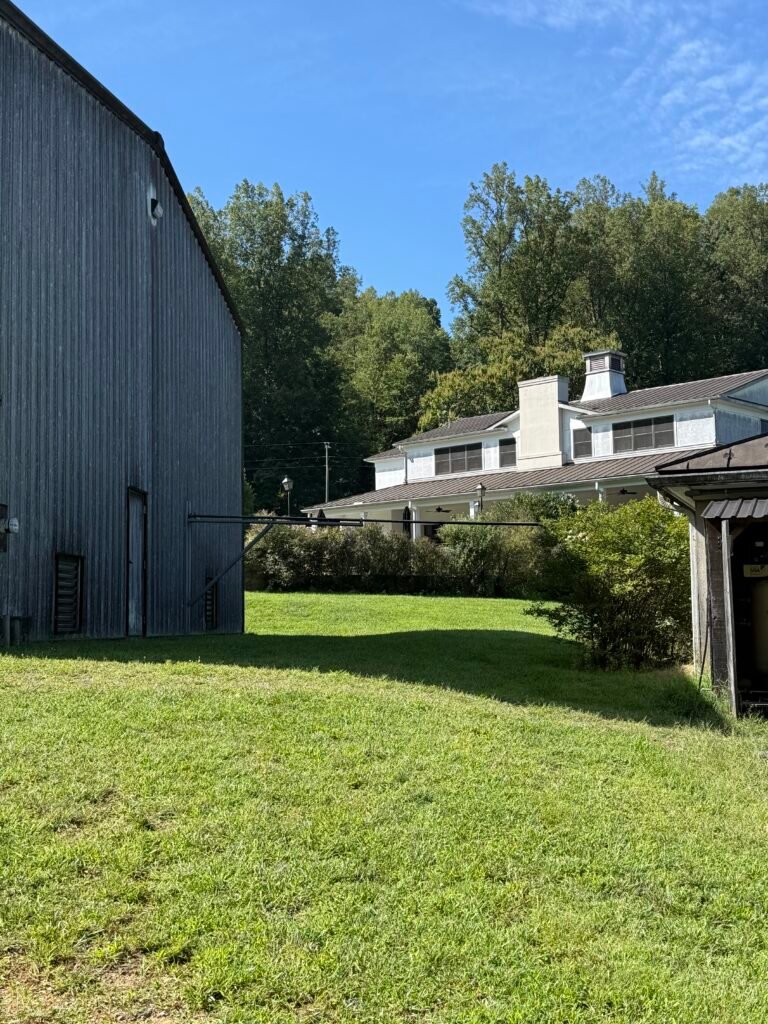
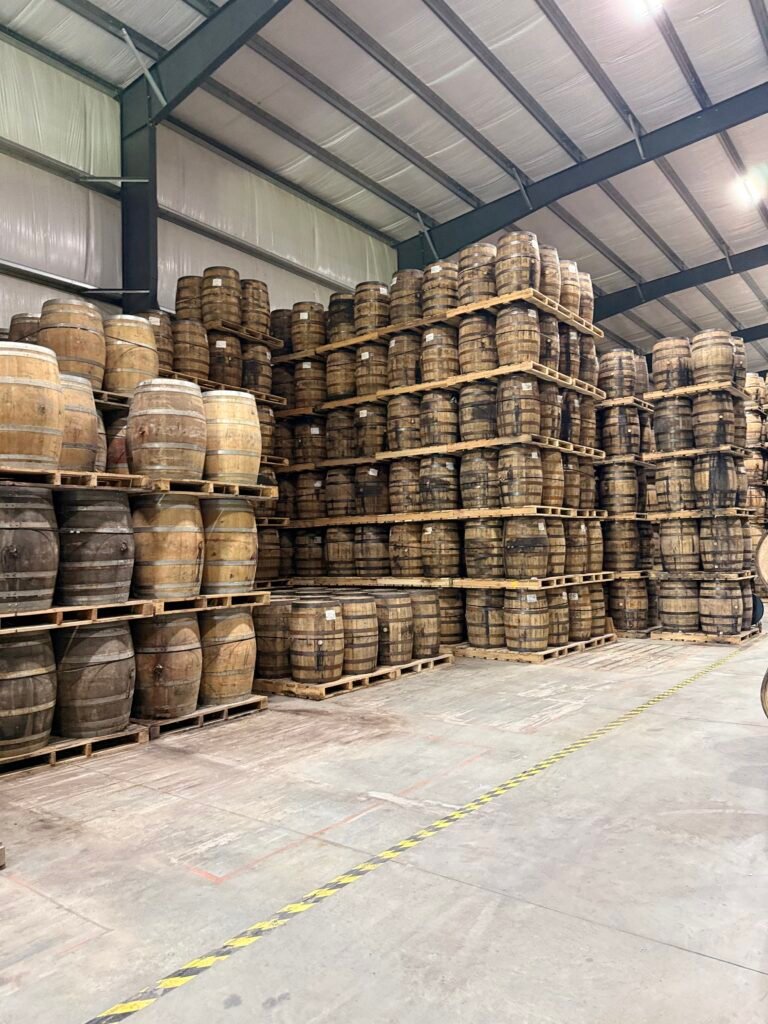
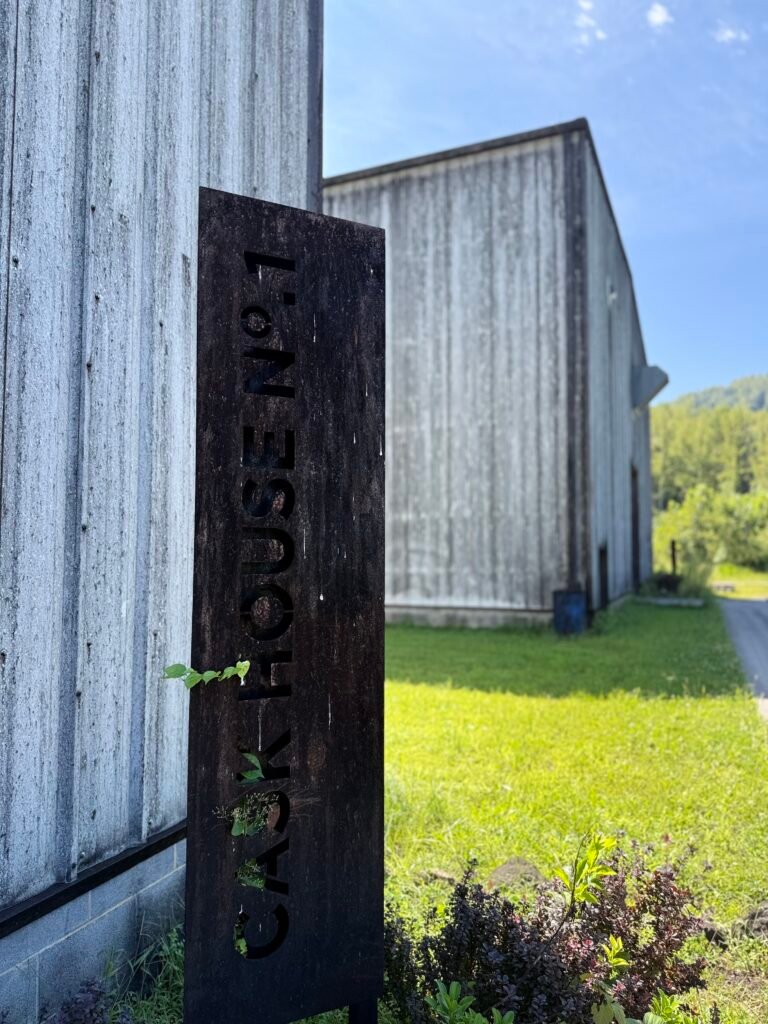
VDC’s two rickhouses sit about a quarter-mile up the road from the main distillery campus.
That’s where much of the whisky’s Virginia maturation happens.
And Virginia is a very different place to age whisky than Scotland.
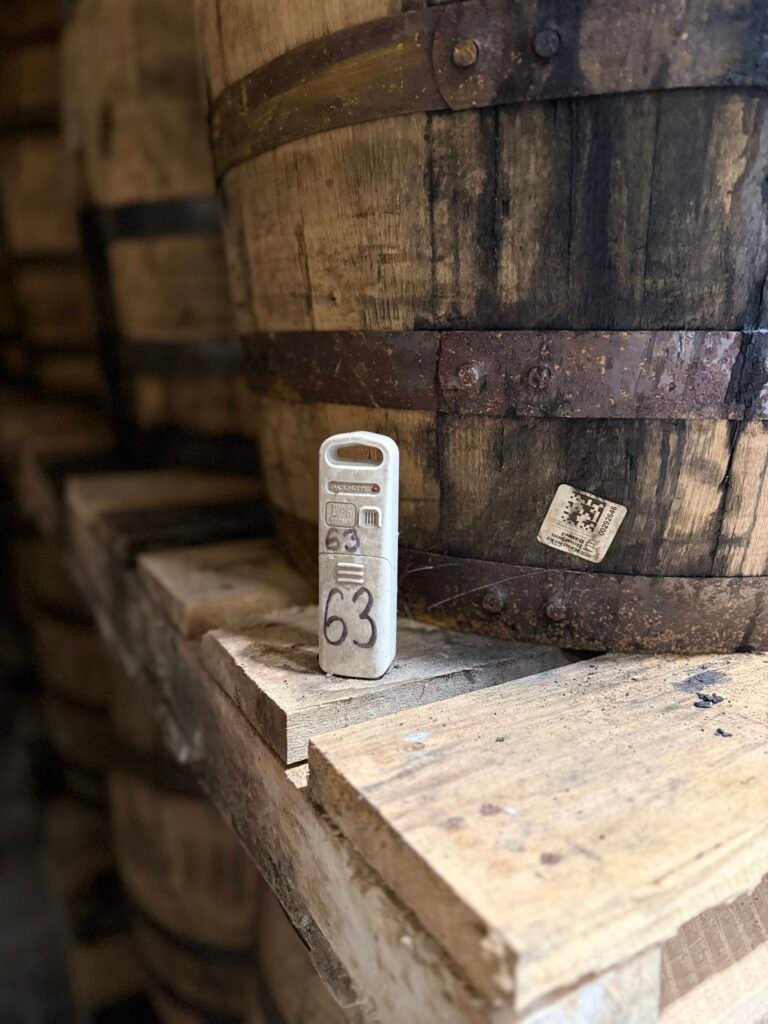
The Blue Ridge region experiences significant seasonal temperature changes, and those swings can have a meaningful effect on how whisky interacts with its barrel.
That’s part of what makes American single malt from Virginia such an interesting category.
The underlying whisky may be built around techniques that have been refined across generations in Scotland, but the environment is completely different.
The barrels know they’re in Virginia.
More than 12,000 barrels also means the distillery has an increasingly large palette to work with.
And that’s where the tasting got particularly interesting.
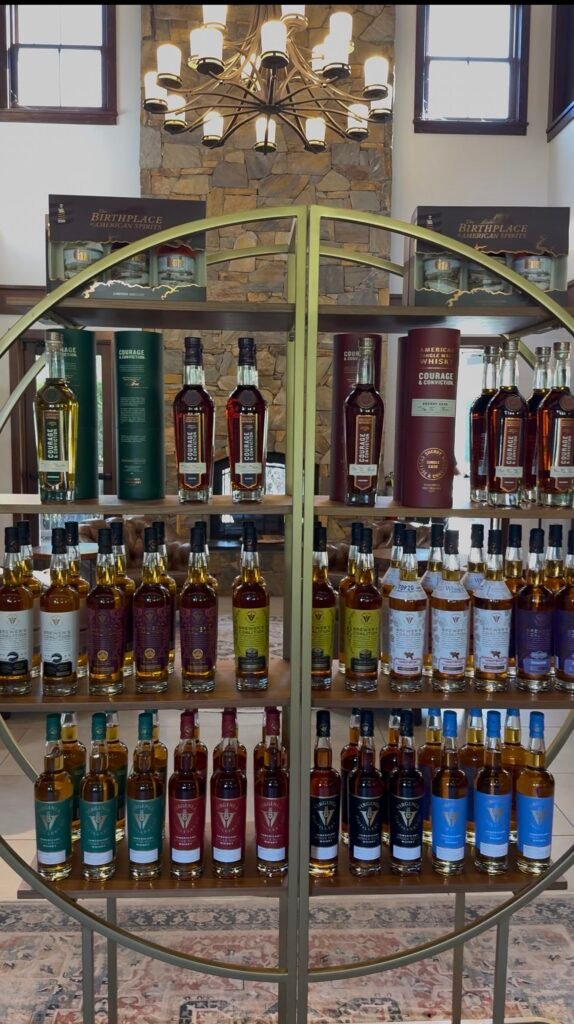
Tasting Virginia Distillery Company
The most interesting part of any distillery visit eventually comes down to what’s in the glass.
VDC gave me quite a bit to work through.
What stood out wasn’t simply that the whiskies were different.
It was how different they were.
The underlying single malt could move from chocolate and cocoa to dark red fruit, almond, tropical fruit and sherry spice depending on the cask.
That’s a pretty compelling argument for experimentation.
8-Year STR Cask Single Malt
The 8-year STR cask was immediately impressive from a texture standpoint.
Super viscous and packed full of flavor, but still surprisingly approachable.
The STR cask treatment brought plenty of richness to the whisky without making it feel heavy or overly dominated by the barrel.
It had the kind of mouthfeel that makes you want to slow down and spend some time with the pour.
Brewer’s Coalition (Stout-Aged) — 100 Proof
The stout-aged whisky took things somewhere completely different.
Brownie. Cocoa powder.
Those were the notes that immediately jumped out to me.
At 100 proof, it had enough weight to carry the stout influence while maintaining a really enjoyable texture.
The chocolate character felt more like baked goods and cocoa than a simple roasted malt note.
It was rich without becoming cumbersome.
I have 3 brewer’s coalition bottles in my collection ready for review, including the 2 newest releases.
Amontillado Club Exclusive — 6 Years, 112 Proof
The Amontillado club exclusive was darker and spicier.
At six years and 112 proof, it delivered a big sherry influence with plenty of dark red fruit.
There was also a dusty, hotter-climate character that made the whisky feel more mature than its age might suggest.
The barrel spice came through strongly, but the fruit kept the profile from becoming one-dimensional.
This is exactly the kind of release that makes a club program interesting.
You’re getting to see what the distillery can do when it takes the core whisky and gives it a very different cask to work with.
Port-Finished Pick
The port-finished pick brought a different kind of richness.
New wood and almond showed up on the nose alongside red fruits.
The palate became viscous and sweet, with plenty of dark red fruit balanced by barrel spice.
The almond character carried into the finish, giving it another layer beyond the obvious port influence.
The sweetness was noticeable, but the barrel spice gave it enough structure to keep the whisky from becoming syrupy.
Tío Pepe Sherry-Finished Club Exclusive — 112 Proof
Then came the Tío Pepe.
And this one went in a completely different direction.
Rather than the darker fruit and spice I associated with the Amontillado, this whisky was much more tropical-fruit forward.
Pineapple. Kiwi. Lots of fruit.
Then, toward the finish, the barrel spice returned.
At 112 proof, there was plenty of intensity behind it, but the tropical character kept the whisky bright and lively.
It was probably the clearest reminder of just how much influence the finishing cask can have on VDC’s single malt.
Two sherry-related finishes can produce remarkably different experiences.
The Cask Is Part of the Story
This is probably what I found most compelling about VDC.
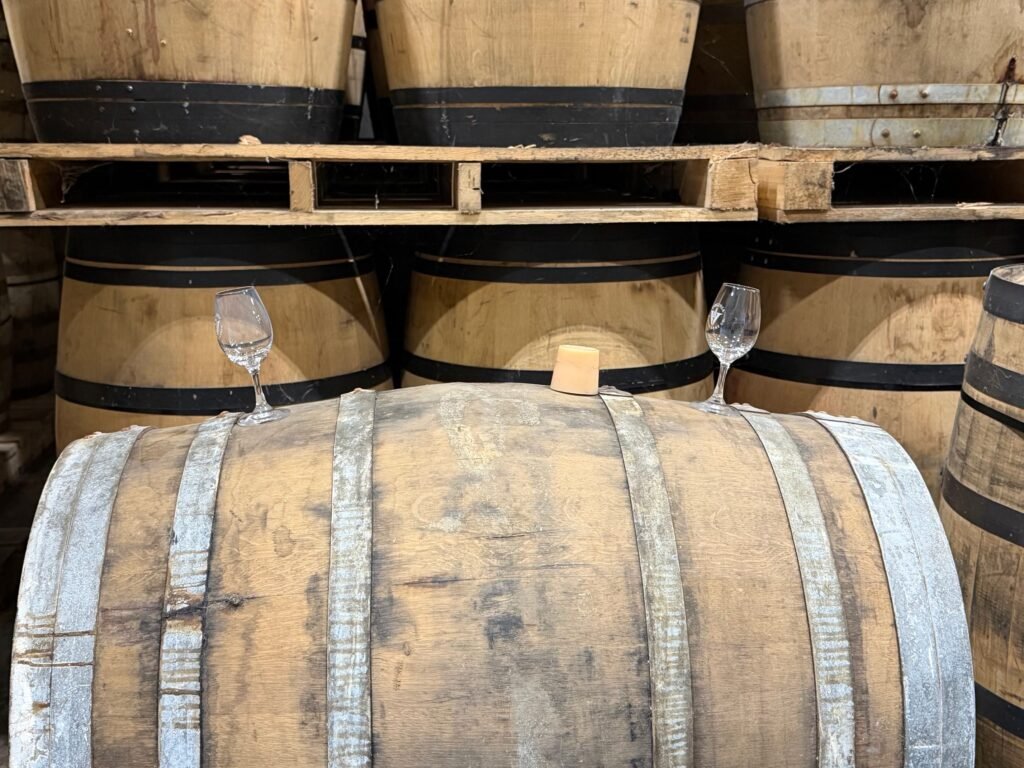
The cask program doesn’t feel like an afterthought.
It’s part of the identity.
Sherry. Port. Stout. STR.
Different proofs. Different ages. Different barrel histories.
Each one gives the underlying malt another set of tools to work with.
And because VDC has thousands of barrels aging, there’s room to keep exploring.
That’s where the blending and liquid-development side becomes particularly important.
Finding a good barrel is one thing.
Knowing what that barrel contributes, and what it doesn’t, is another.
A stout barrel can bring chocolate and roasted character.
A sherry cask can bring fruit and spice.
Port can add sweetness and dark fruit.
A particular cask may bring almond, tropical fruit or something completely unexpected.
The challenge is making sure the cask contributes to the whisky rather than simply becoming the whisky.
From what I tasted during this visit, VDC seems very interested in finding that line.
“Different casks can take the same basic whisky in radically different directions.”
A Different Kind of Virginia Whiskey
There’s a temptation when talking about Virginia whiskey to focus primarily on the fact that it’s made in Virginia.
But VDC is interesting for a different reason.
It’s using Virginia as part of an established whisky tradition without trying to simply reproduce what another country has already done.
The malt and distillation methods have clear Old World connections.
The maturation environment does not.
The cask experimentation certainly doesn’t have to.
And the final product isn’t bourbon, rye or a whiskey designed to fit neatly into one of those familiar American categories.
It’s American single malt. Made in Virginia.
And increasingly, it has its own identity.
Final Pour
My favorite part of a distillery visit isn’t necessarily finding the bottle I want to take home.
It’s getting to understand why the bottle tastes the way it does.
Virginia Distillery Company gave me plenty of reasons to pay attention.
The production side tells a story about Old World whisky traditions finding a home in the Blue Ridge Mountains.
The aging program shows what happens when those traditions encounter Virginia’s climate.
And the tasting demonstrated just how dramatically different casks can shape the final whisky.
The stout-aged expression brought brownie and cocoa.
The Amontillado pushed toward dark red fruit and sherry spice.
The port finish added sweetness, red fruit and almond.
The Tío Pepe went tropical with pineapple and kiwi.
And underneath all of it was that same basic idea: malted barley, carefully distilled, then given time and a Virginia environment to become something of its own.
That’s what I took away from the visit.
VDC isn’t trying to convince you that Virginia is Scotland.
It’s showing you what happens when Virginia takes some of those Old World ideas and makes them its own.
Bourbon Bishop Bottom Line:
Virginia Distillery Company is one of the Virginia distilleries that can make you rethink what American whiskey looks like.
The Old World influence is obvious, but the finished whisky is shaped by everything Virginia brings to the equation: from the mountain climate to the growing barrel inventory and the willingness to experiment with casks. The tasting showed real range, from rich brownie and cocoa notes to dark red fruit, sherry spice, almond and tropical fruit.
More than anything, VDC is a distillery worth visiting if you want to understand where American single malt can go when tradition is treated as a starting point rather than a boundary.
Additional Media
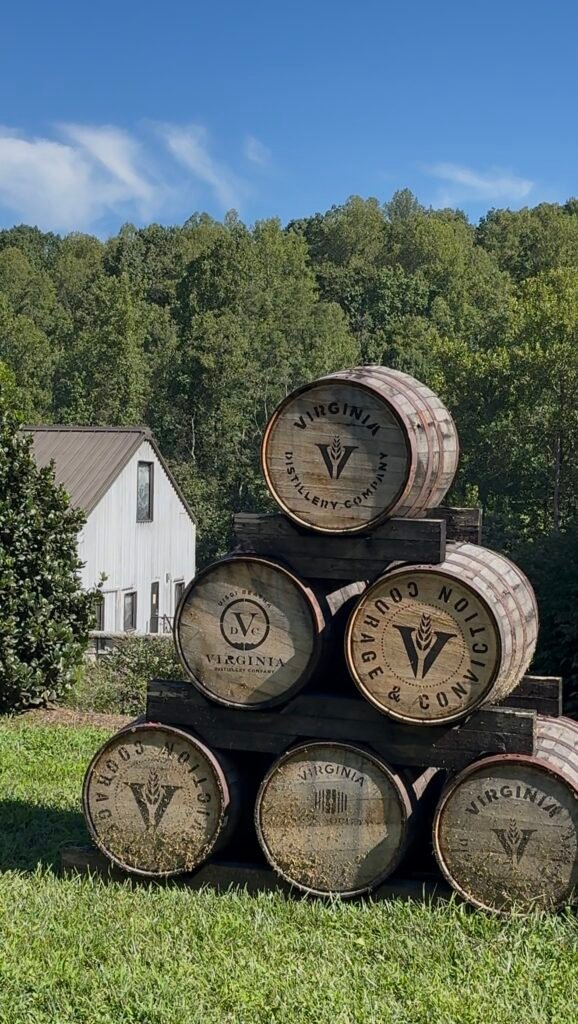
This piece was written in conjuction with my current Virginia Spirits project. Check out the Bourbon Bishop Virginia Craft Whiskey Starter Trail Here, only on the Virginia Spirits Trail App
If you enjoyed this piece, check out my past distillery visit articles here.
This visit was hosted by the distillery. All thoughts are my own and not influenced by the experience.
Related Distillery Visits
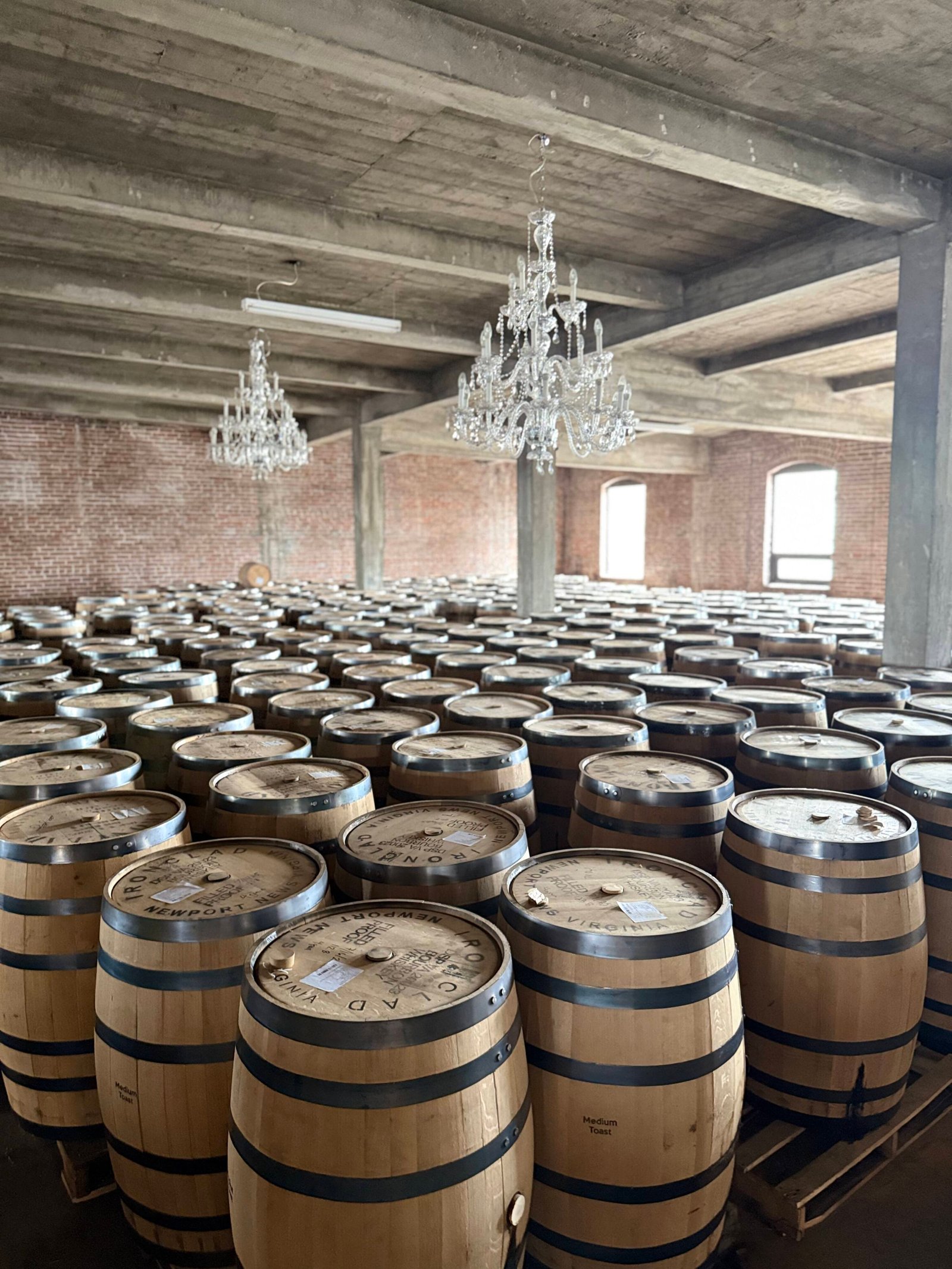
Visit Ironclad Distillery in Newport News, Virginia, to explore its four-grain bourbon, experimental whiskey finishes, historic home, and Virginia spirits.
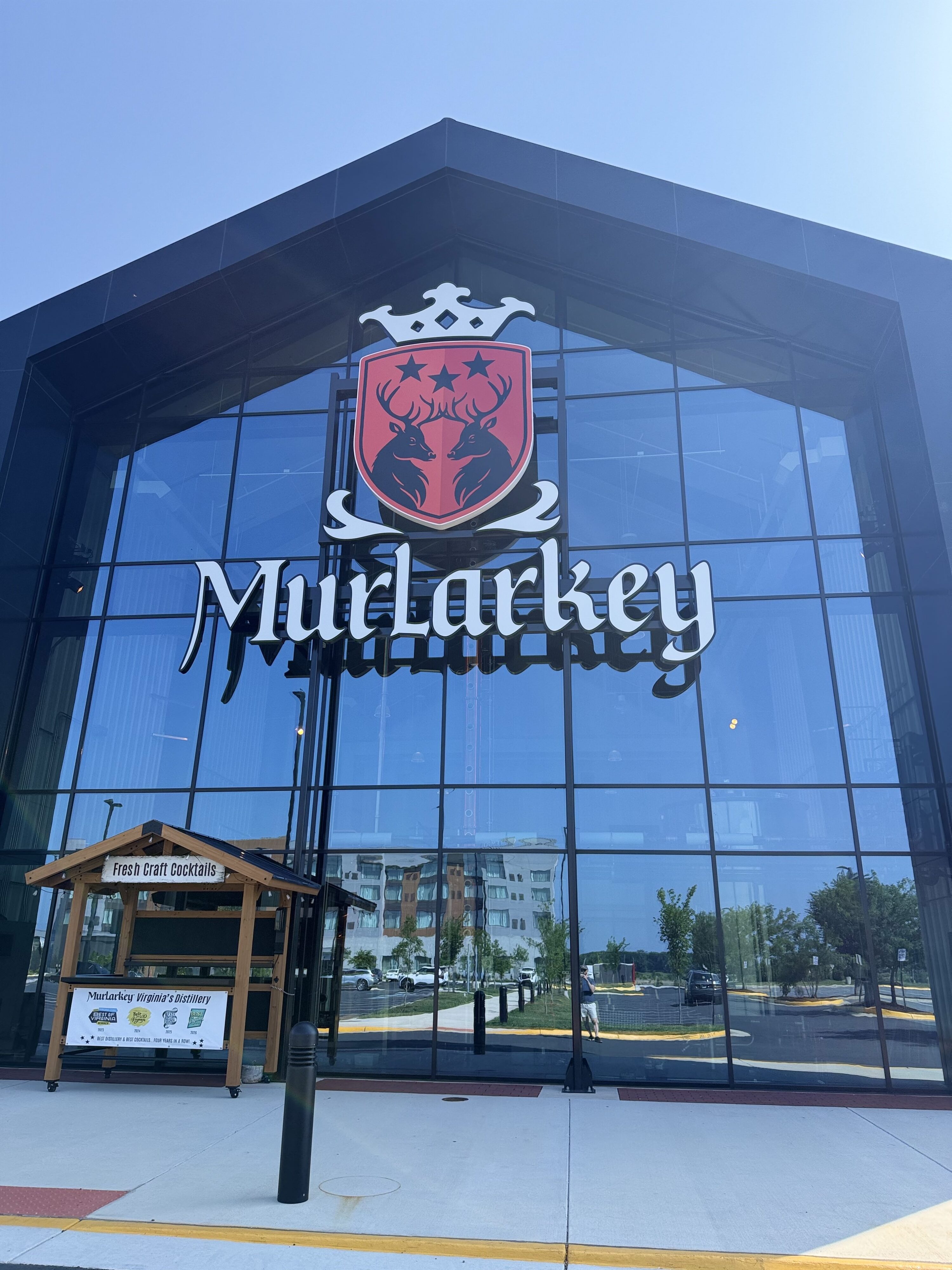
A behind-the-scenes visit to MurLarkey Distilled Spirits in Manassas, Virginia, exploring Virginia-grown grain, award-winning whiskey, innovative flavored spirits, and one of the Commonwealth’s premier craft distillery experiences.
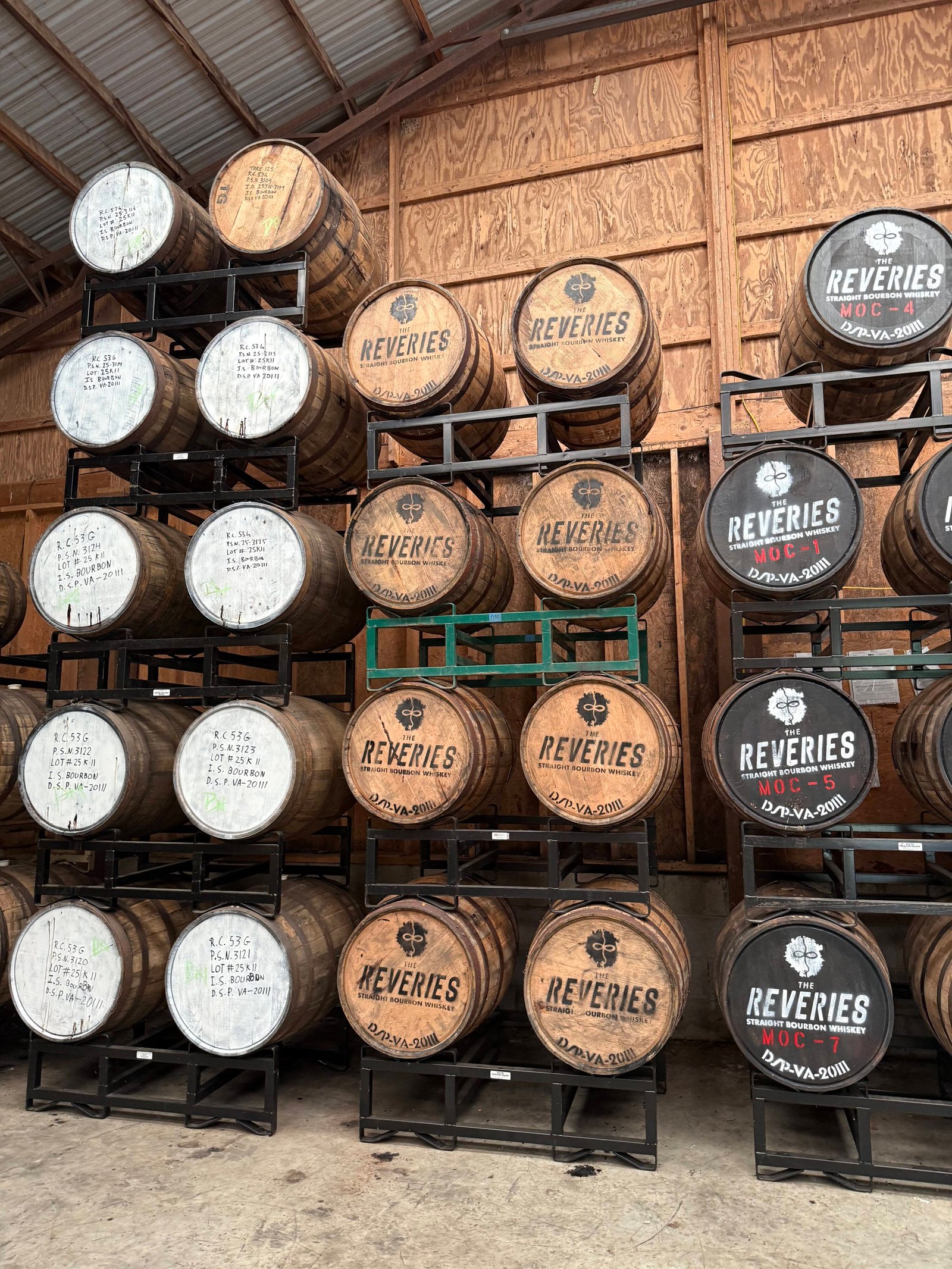
Explore Provenance with Jay West and discover the philosophy behind curated whiskey, Reveries single barrels, slow proofing, experimental finishes, and the Bottle Your Own experience.
From the distillery and dining experience to the home glass — the quality sourced and blended whiskies of Open Road Open Road Distilling Co.
A visit to Lost Whiskey Club in Virginia — exploring their sourced whiskey program, evolving maturation approach, and a philosophy rooted in community, storytelling, and shared pours.
Explore the farm-to-glass operation in the Agricultural Reserve, reviews of their bourbon and an exclusive rye blending experience with head distiller Kristian Naslund