
Distillery Closures Outpace Openings for the First Time as Jobs, Investment and Market Access Decline
American craft spirits sales fell for a third consecutive year in 2025, and the latest industry data reveal a troubling trend beyond the sales numbers: fewer active distillers, fewer jobs and less money being reinvested in the businesses that make American craft spirits.
The American Craft Spirits Association (ACSA) and Park Street released the findings of the 2026 Craft Spirits Data Project on October 6, offering a sobering look at an industry still navigating a difficult market. For independent distillers, the challenge is no longer simply making a good bottle. It’s getting that bottle in front of the people who might buy it.
What Counts as a Craft Distillery?
Before getting into the numbers, it’s worth clarifying what the report means by craft spirits.
There is no universally accepted definition of craft spirits, and the term isn’t universally protected. For this report, ACSA uses criteria that include U.S. production, annual production limits, independent ownership and a commitment to its Code of Ethics. Among other requirements, qualifying producers remove no more than 750,000 proof gallons from bond annually and cannot be openly controlled by a large spirits supplier.
That distinction matters because the report covers the broader American craft spirits category, not just bourbon or whiskey. Its findings include producers across multiple spirits categories, so the numbers should be understood as an industry-wide snapshot rather than a whiskey-specific sales report.
The definition also helps explain why the term craft alone doesn’t tell consumers everything they need to know about a bottle. Production scale, ownership, transparency and the character of the spirit can vary considerably across the category.
The Numbers Tell a Difficult Story
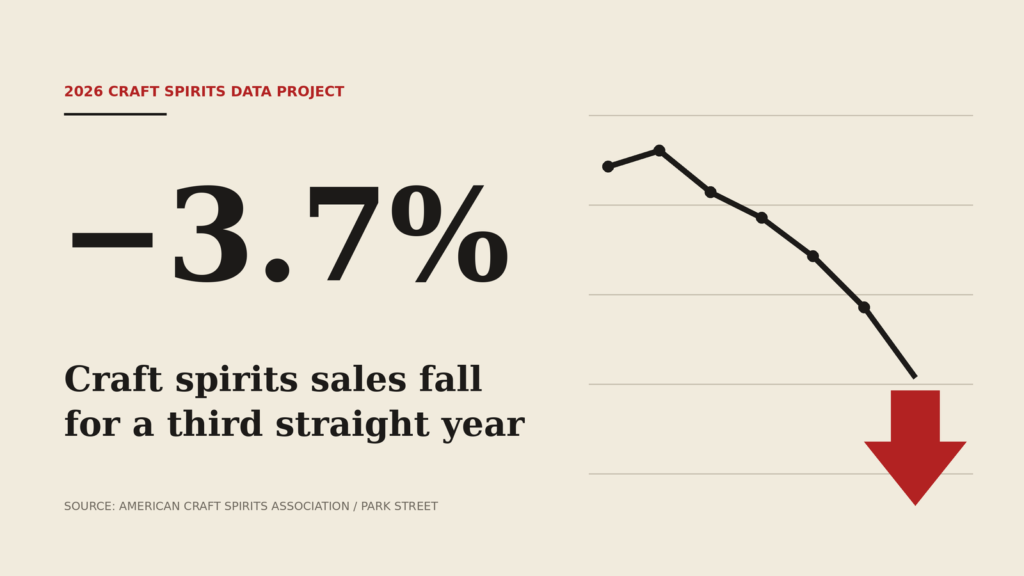
According to the 2026 Craft Spirits Data Project, the U.S. craft spirits category sold 11.7 million nine-liter cases in 2025, down from 12.7 million the year before. Total sales value fell 3.7% to $7.3 billion.
The decline marks the third consecutive year of contraction for craft spirits. The category also lost ground in the broader U.S. spirits market, accounting for 4.2% of total spirits volume and 7.3% of total value, compared with 4.5% and 7.5%, respectively, in 2024.
The producer count is equally concerning. As of August 2026, the United States had 2,131 active craft distillers, down 6.6% from 2,282 a year earlier. According to ACSA, this is the first time closures have outpaced openings.
Employment has taken a substantial hit, too. Full-time domestic employment in the craft spirits industry fell to 21,285 in 2025, a 25.6% decline from 28,628 in 2024. Total industry investment dropped from $811 million in 2024 to $526 million in 2025.
Exports weakened as well, falling 13.4% to 123,000 nine-liter cases. That figure is a long way from the roughly 600,000 cases exported in 2016.
These aren’t isolated setbacks. Sales, jobs, investment and the number of operating distilleries are all moving in the wrong direction.
The Decline Isn’t Hitting Every Distillery Equally
The headline numbers tell us the industry is contracting. The breakdown by producer size helps explain why that contraction can look very different depending on which distillery you’re talking about.
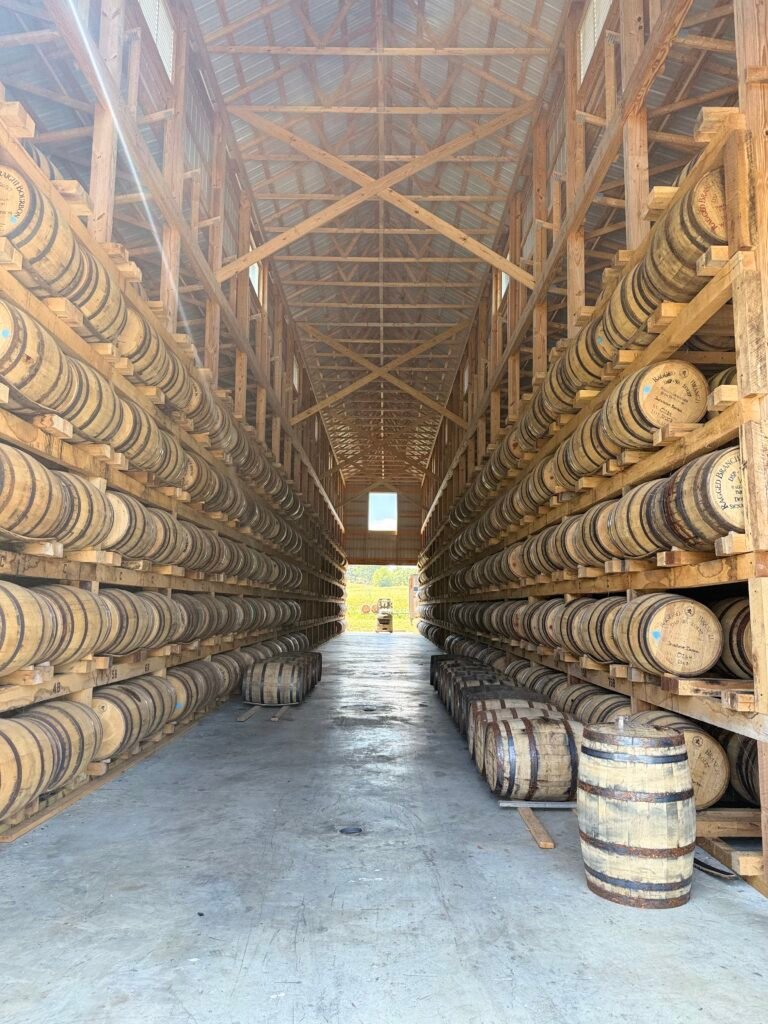
According to ACSA’s report, small producers made up approximately 89% of craft distillers in 2025, but accounted for just 10.4% of total craft spirits volume. At the other end of the spectrum, large producers represented fewer than 2% of the producer count while accounting for 54.8% of volume.
In other words, the craft spirits category contains a large number of small businesses competing for a relatively small portion of its total volume. A much smaller group of larger producers accounts for more than half of the category’s output.
The pressure on small producers is particularly notable. Their numbers fell 24.1% from a peak of 2,577 in 2023 to 1,956 in 2025. More than half of their business comes from sales at their own distilleries, while just 5.2% comes from outside their home state, including exports.
That combination leaves many smaller operations dependent on local customers, tourism and the ability to sell directly from the distillery.
The report also notes that average cases removed from bond per craft distiller increased 17.7% to 5,341 in 2025. That might sound like a sign of growth at first glance, but it needs context: the sharp decline in the number of small producers affects the average. It doesn’t mean the typical craft distillery is suddenly selling more whiskey or enjoying a healthier business.
The broader picture is more complicated than a single industry-wide number can convey. A larger producer with wider distribution and more resources faces a different set of challenges from a small distillery relying on visitors and sales close to home.
Why Are Craft Distillers Struggling?
The report points to a collection of challenges that make it increasingly difficult for independent producers to grow beyond their immediate markets.
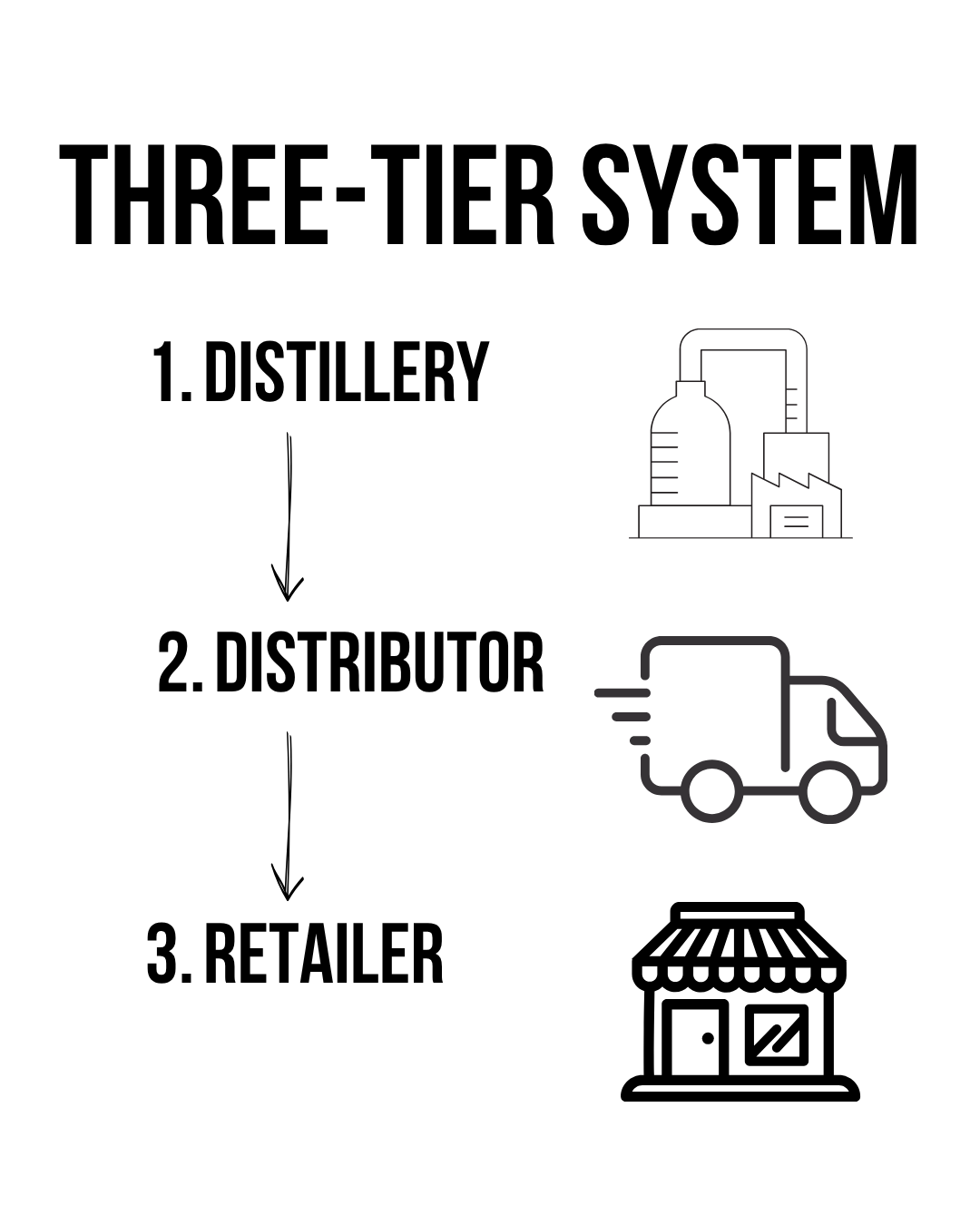
Distribution is one of the biggest obstacles. As distributors work through excess inventory and narrow their portfolios, smaller producers can find it harder to earn shelf space and reach new customers. Retail buyers are also becoming more selective about the products they take on and the sales performance they expect.
A great whiskey doesn’t automatically translate into a distributor willing to take it on, much less a retailer willing to stock it.
Market access is another major hurdle. Many states continue to restrict or prohibit interstate direct-to-consumer shipping of spirits. ACSA reports that 41 states prohibit interstate spirits shipping, while the states that allow it and the District of Columbia still impose restrictions.
For a small distillery without broad distribution, that can make it difficult to reach an interested customer who lives just beyond its home market. A consumer might hear about a bottle, want to buy it and still have no straightforward legal way to get it delivered.
Export markets offer another potential route to customers, but they’re facing pressure of their own. Craft spirits exports fell 13.4% in 2025, with tariffs and other trade barriers adding complications.
Investment is shrinking at the same time. Total industry investment fell from $811 million in 2024 to $526 million in 2025, while average investment per producer also declined. Less money going into the industry can make it harder for businesses to expand production, build brands, reach new markets or weather a prolonged downturn.
These figures don’t establish one single cause for the decline. Consumer demand, pricing, distribution decisions, market access and the economics of running a distillery all matter, and their effects will differ from one producer to another.
Taken together, though, they point to an industry with fewer avenues for growth precisely when many producers need them most.
“These aren’t isolated setbacks. Sales, jobs, investment and the number of operating distilleries are all moving in the wrong direction.”
The Tasting Room Has Become a Lifeline
One of the most revealing findings concerns where craft spirits are sold.
In 2015, distillery sales accounted for 14% of craft spirits sales. By 2025, that share had grown to approximately 26%, more than one in every four craft bottles sold.
That shift highlights the growing importance of tasting rooms, distillery visits and local tourism. When reaching customers through traditional distribution becomes more difficult, bringing those customers directly to the distillery becomes even more valuable.
But there’s an important distinction: a larger share of sales happening at distilleries doesn’t mean tasting-room sales are growing in absolute terms. The report indicates that every sales channel lost volume in 2025. Direct sales are becoming a bigger piece of a shrinking category, not necessarily a growing business on their own.
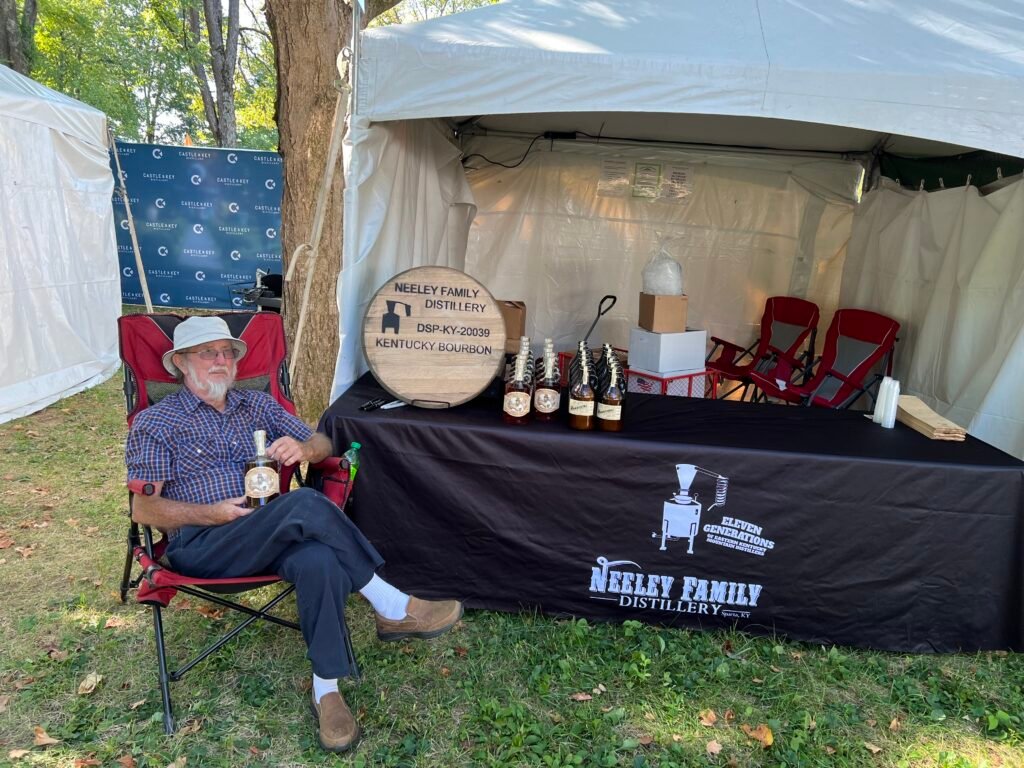
For small producers, that dependence can be even greater. More than half of small craft distillers’ business comes from sales at their own distilleries. With only a small share of their business coming from outside their home state, local visitors can make a meaningful difference.
That makes the tasting room more than a place to try a few pours. It’s a sales channel, a way to introduce customers to a brand and an opportunity for a distillery to build relationships without relying entirely on traditional distribution.
For whiskey drinkers, visiting local distilleries can be a direct way to discover producers, meet the people behind the bottles and support businesses that might otherwise struggle to reach a wider audience.

What Can Whiskey Drinkers Do?
The industry’s challenges won’t be solved by consumers alone. Distribution structures, shipping restrictions, tariffs, pricing, business decisions and broader spirits-market conditions all play a role. Not every craft bottle is worth buying, and supporting independent producers shouldn’t mean abandoning honest reviews or expecting consumers to pay any price.
Still, consumers have choices that matter.
Visit a local distillery. Buy a pour, take a tour, learn how the whiskey is made and consider taking home a bottle if it earns a place on your shelf.
Explore beyond familiar names. Independent producers often have less marketing reach than major brands. Asking your local retailer about regional craft whiskey, or seeking out a bottle recommended by someone you trust (wink wink, nudge nudge), can help bring lesser-known producers into the conversation.
Tell people what you discover. Share a bottle you enjoyed, recommend a distillery worth visiting or bring a friend along for a tasting. Word of mouth can help a small brand earn attention it might not be able to buy.
Support the producers who earn your trust. Craft is not a guarantee of quality, and independent doesn’t automatically mean better. But when a producer makes a whiskey you genuinely enjoy, choosing to support that business can help keep more options available in the future.
“Still, consumers have choices that matter.”
Bourbon Bishop Bottom Line:
The latest craft spirits numbers deserve our attention, but they shouldn’t be treated as a reason to give up on the category.
Independent distilleries bring experimentation, regional character, new ideas and personal connections to American whiskey. They’re also businesses that need customers, sustainable margins and viable routes to market. Passion alone can’t keep a distillery open.
There’s no single solution, and the burden shouldn’t fall entirely on the person buying a bottle. The industry needs better access to consumers, workable distribution opportunities and room for independent producers to build sustainable businesses.
But whiskey drinkers can be part of the answer. We can visit, explore, share and support the producers that deliver something worth coming back for.
The question isn’t whether every craft distillery deserves to survive regardless of what it makes. It’s whether we want a whiskey landscape where independent producers have a fair chance to earn a place in it.
What do you think? Can whiskey drinkers help turn this trend around, or are the bigger problems with distribution, market access and the economics of running a distillery?
Source: American Craft Spirits Association and Park Street, 2026 Craft Spirits Data Project. The report covers calendar year 2025, with producer data collected in 2026.
Related Articles
RNDC’s Chapter 11 filing is more than a distributor story. Explore what it means for whiskey brands, the three-tier system, and an industry facing major market corrections.
New IWSR data shows Gen Z drinking rates have nearly matched the overall adult population while moderation, not abstinence, is reshaping alcohol consumption.
A three-course pairing dinner at Vault & Cellar celebrating Virginia 250 whiskey, gin, and rum through exceptional cocktails, heritage grains, and Virginia craft spirits culture.
The Bourbon Bishop attended the Uncork Loudoun trade tasting to explore Virginia wine, meet local winemakers, and discover why craft and community matter more than what’s in your glass.
Small Batch has no legal definition, but a growing number of independent bottlers and craft distilleries are redefining the term through transparency, intentional blending, and truly limited barrel counts.
Discover the best budget whiskey releases of 2026 so far. From Blue Bolt 107 to Keeper’s Heart Pot Still Whiskey and Wheel Horse Rum Finished, these five bottles under $50 offer outstanding flavor, value, and character.
A curated list of 10 whiskies for summer—from easy RTDs and bright small-batch pours to finished drams and bold cask strength sippers for warm nights.