
Republic National Distributing Company’s bankruptcy filing highlights growing pressure within the alcohol supply chain as brands navigate oversupply, changing consumer habits, and a rapidly shifting marketplace.
Republic National Distributing Company (RNDC), one of the largest wine and spirits distributors in the United States, has initiated a voluntary Chapter 11 bankruptcy process, marking another major disruption in an alcohol industry already navigating significant change.
According to the company’s July 26 announcement, RNDC filed for Chapter 11 protection to “explore potential sale transactions in court” and implement an “orderly wind down” of its remaining operations.
The filing does not encompass the entirety of RNDC’s business. National Distributing Company, Inc. is not included, and most joint ventures, including operations in New York, Illinois, Ohio, Michigan, Indiana, and Kentucky, remain outside the filing. The Alaska joint venture is currently the only joint venture included.
Still, the implications extend far beyond one distributor.
For whiskey brands, particularly smaller and emerging producers, the news represents another warning sign that the industry’s post-pandemic correction is far from over.
A Major Distributor Under Pressure
RNDC cited a combination of industry evolution, changing consumer preferences, and an increasingly challenging wholesale environment as factors contributing to the decision.
Over the past year, the company has already begun transitioning out of certain markets, completing sales that preserved more than 5,000 jobs while allowing those operations to continue under new ownership.
Those moves included agreements involving companies such as Reyes Beverage Group, Columbia Distributing, Quality Brands Distributing, and Martignetti Companies.
However, despite those efforts, RNDC stated that its financial position ultimately required it to enter a court-supervised restructuring process.
The bankruptcy filing reportedly lists RNDC with:
- Estimated assets between $500 million and $1 billion
- Estimated liabilities between $1 billion and $10 billion
- More than 100,000 creditors involved in the proceedings
Several major spirits companies appear among RNDC’s largest unsecured creditors, including Proximo Spirits, Edrington, Pernod Ricard, and others.
Why Whiskey Brands Should Pay Attention
For consumers, distributor news can feel distant. After all, the bottle still sits on the shelf, the bar still pours the whiskey, and the tasting room still opens its doors.
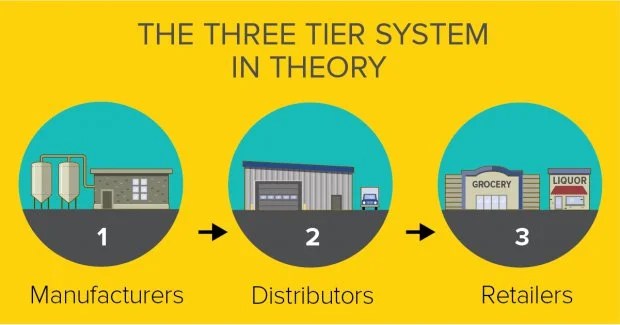
But distributors are one of the most important links in the three-tier alcohol system.
They determine how products move from producers to retailers, how brands receive market support, and often how much attention a bottle receives once it enters a competitive marketplace.
When a major distributor struggles, the effects can ripple outward:
- Brands may lose established sales relationships
- Retail placement can become more difficult
- Smaller producers may struggle to compete for distributor attention
- Marketing investments may become harder to justify during uncertain times
For large brands, these challenges can often be absorbed.
For smaller whiskey companies already operating with limited resources, they can become significant obstacles.
“The companies that survive this correction will likely not just be the ones with the best liquid. They will be the ones with the clearest identity and strongest connection with drinkers.“
Another Stress Point in a Changing Whiskey Market
RNDC’s filing arrives during a period of significant recalibration for American whiskey.
The industry experienced explosive growth during the pandemic years, with demand for premium spirits increasing dramatically. Many brands expanded production, invested heavily in inventory, and planned for continued growth.
The market today looks very different.
Consumer spending has tightened. Some categories have cooled. Alternative beverages, including ready-to-drink cocktails, hard seltzers, cannabis products, and non-alcoholic options, continue competing for consumer attention.
At the same time, brands that expanded aggressively during the boom years are now facing the realities of aging inventory, increased operating costs, and a more selective consumer.
The result is an industry attempting to find balance after years of rapid expansion.
RNDC’s bankruptcy is not the cause of these challenges, but it is another example of the pressure accumulating throughout the system.
The Growing Importance of Brand Strategy
One of the biggest lessons emerging from this market correction is that simply producing great whiskey is no longer enough.
The next era of American whiskey will likely reward brands that can clearly communicate:
- Why their whiskey exists
- Who it is for
- What makes it different
- Why consumers should choose it over thousands of alternatives
Distribution remains critical, but brands increasingly need direct relationships with consumers through storytelling, education, experiences, and community building.
The companies that survive this correction will likely not just be the ones with the best liquid. They will be the ones with the clearest identity and strongest connection with drinkers.
“When a major distributor struggles, the effects can ripple outward…”
What Comes Next?
RNDC says the Chapter 11 process is intended to provide flexibility while it works with interested parties on potential acquisitions and an orderly transition of remaining operations.
For the whiskey industry, though, the bigger question is what this signals about the broader ecosystem.
The distributor landscape is changing. Consumer behavior is changing. The days of assuming every new whiskey release will find an eager audience are gone.
The current market correction may ultimately create a healthier industry, but getting there will require difficult adjustments across every level of the supply chain.
For whiskey brands, the message is becoming increasingly clear:
The next decade will not simply belong to the companies making the most whiskey.
It will belong to the companies that know how to build lasting relationships with the people drinking it.
Related Articles
New IWSR data shows Gen Z drinking rates have nearly matched the overall adult population while moderation, not abstinence, is reshaping alcohol consumption.
A three-course pairing dinner at Vault & Cellar celebrating Virginia 250 whiskey, gin, and rum through exceptional cocktails, heritage grains, and Virginia craft spirits culture.
The Bourbon Bishop attended the Uncork Loudoun trade tasting to explore Virginia wine, meet local winemakers, and discover why craft and community matter more than what’s in your glass.
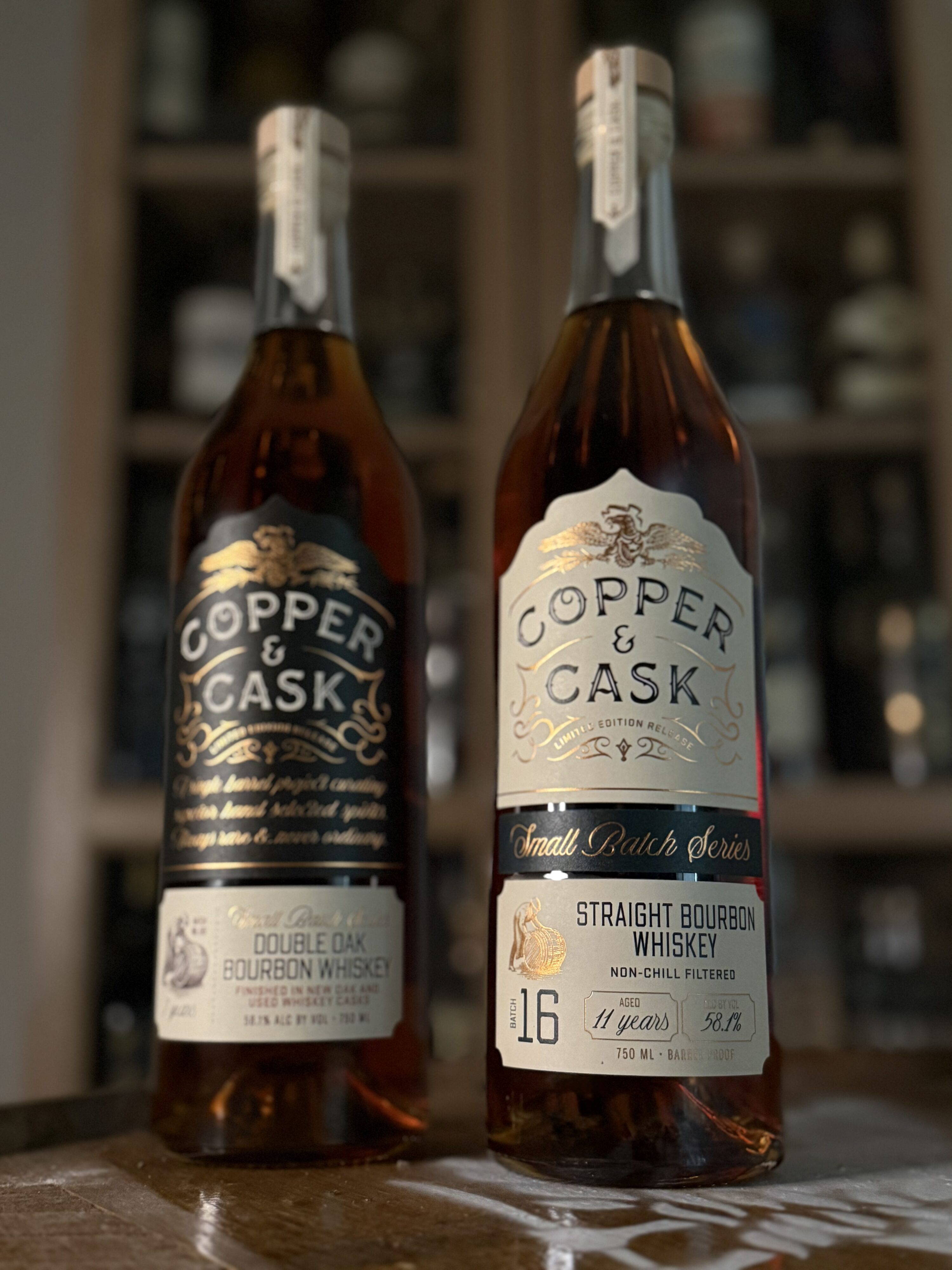
Small Batch has no legal definition, but a growing number of independent bottlers and craft distilleries are redefining the term through transparency, intentional blending, and truly limited barrel counts.
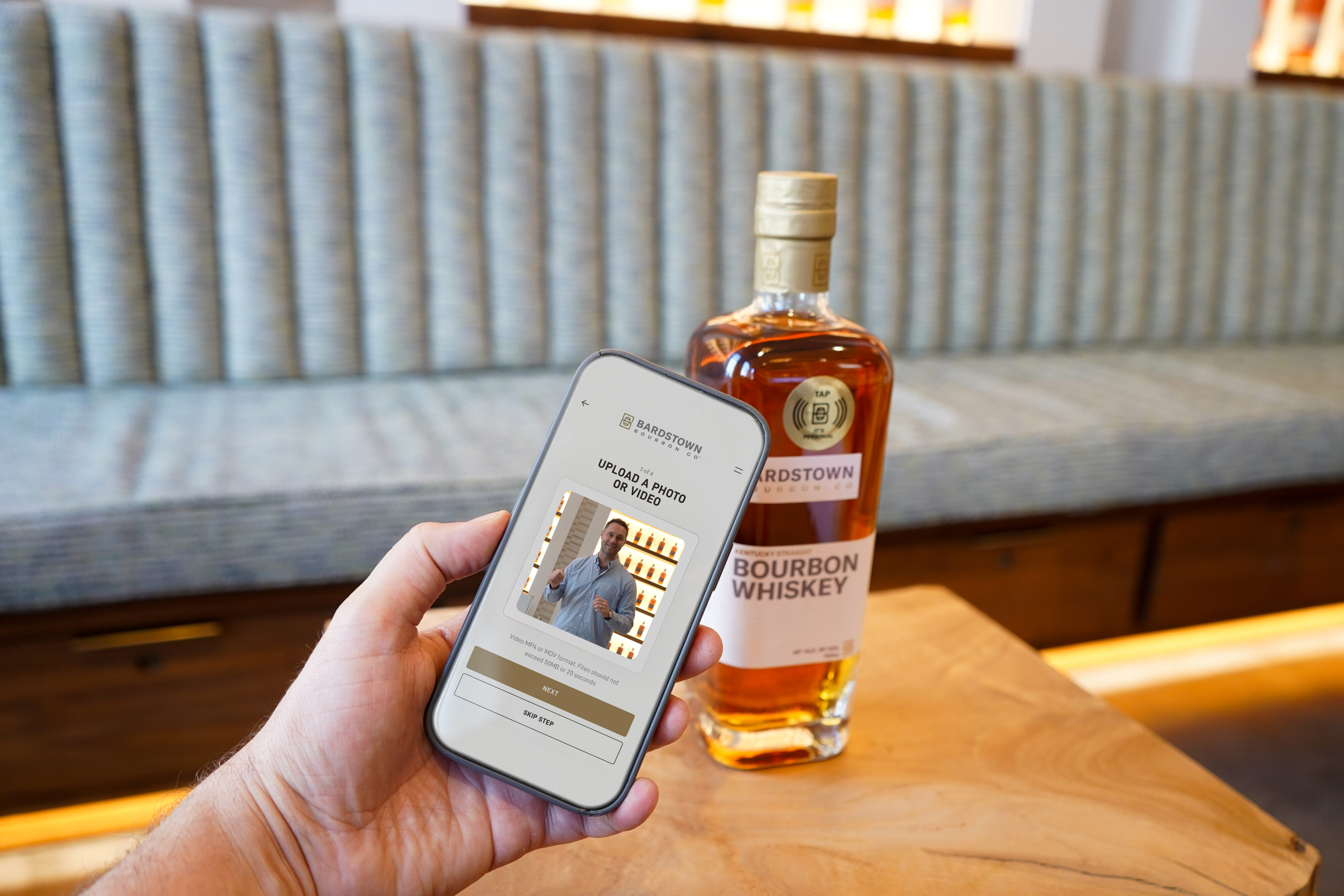
Bardstown Bourbon Company launches NFC-powered gifting tags, allowing consumers to attach personalized messages, photos, and videos to any bourbon bottle via smartphone tap.
Discover the best budget whiskey releases of 2026 so far. From Blue Bolt 107 to Keeper’s Heart Pot Still Whiskey and Wheel Horse Rum Finished, these five bottles under $50 offer outstanding flavor, value, and character.
A curated list of 10 whiskies for summer—from easy RTDs and bright small-batch pours to finished drams and bold cask strength sippers for warm nights.
Explore Provenance with Jay West and discover the philosophy behind curated whiskey, Reveries single barrels, slow proofing, experimental finishes, and the Bottle Your Own experience.