
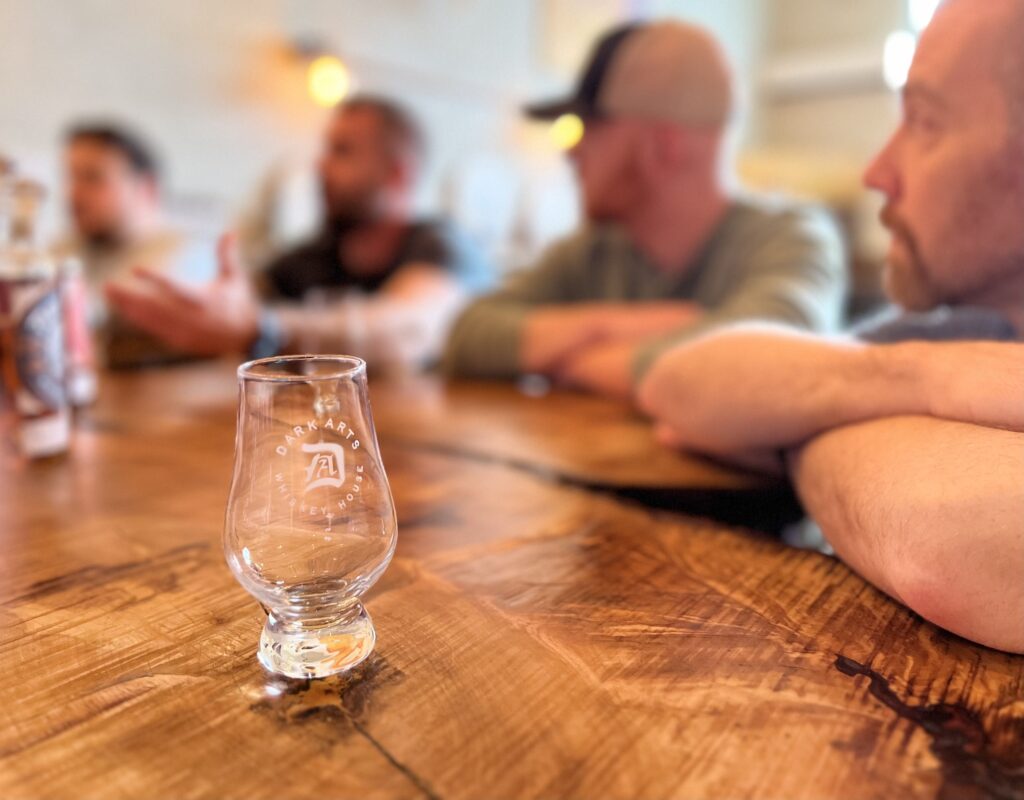
A new global consumer survey suggests the story isn’t that Gen Z stopped drinking. It’s that every generation is drinking more intentionally.
For the last several years, one of the biggest assumptions in the beverage alcohol industry has been that Gen Z simply isn’t interested in drinking. Distilleries, marketers, and whiskey enthusiasts alike have wondered whether the next generation would abandon beverage alcohol altogether in favor of wellness trends and non-alcoholic alternatives.
According to new consumer research from IWSR, that story appears to be incomplete.
The global beverage alcohol analytics firm found that 74% of legal-drinking-age Gen Z consumers now report drinking alcohol, up from 66% just three years ago. Across the 15 core markets surveyed, that’s nearly identical to the overall adult participation rate of 76%.
In other words, Gen Z isn’t opting out of alcohol. They’re simply approaching it differently.
Millennials Still Lead the Pack
Despite the renewed attention on Gen Z, Millennials remain the most engaged generation when it comes to beverage alcohol.
The survey found:
- Millennials: 81% participation
- Gen X: 77%
- Gen Z: 74%
- Boomers: 71%
Boomers also reported drinking less frequently than every other generation and consuming the fewest drinks per occasion, averaging just 2.6 drinks.
That makes the oldest generation, not Gen Z, the group showing the strongest moderation trends.
Moderation Doesn’t Mean Abstinence
Perhaps the most important takeaway isn’t who drinks.
It’s how they drink.
Across nearly every market surveyed, the number of people who drink has remained remarkably stable. What has changed is frequency and quantity.
Average drinks per occasion have fallen from 4.4 in recent years to 3.9 today, while consumers across every generation increasingly report intentionally choosing to drink less.
Rather than being a temporary response to inflation or economic uncertainty, IWSR suggests moderation has become a long-term lifestyle shift.
People aren’t necessarily giving up alcohol.
They’re becoming more intentional about when, and how much, they drink.
“That makes the oldest generation, not Gen Z, the group showing the strongest moderation trends.“
Gen Z Is Changing Drinking Culture
Although participation rates now resemble older generations, Gen Z’s habits stand apart in several ways.
Compared with other age groups, Gen Z drinkers are:
- The most likely to order cocktails.
- The most likely to follow government health guidance regarding alcohol.
- The most likely to drink in larger social groups.
These habits point toward a generation that views alcohol as a social experience rather than a routine one.
That distinction matters for producers.
Brands focused solely on volume may struggle, while those emphasizing experiences, premium products, education, and community could be better positioned for the future.
What About the United States?
The U.S. data tells a similar story.
Overall alcohol participation remained steady at 70%, while Gen Z drinking increased slightly from 68% to 71%.
The trend isn’t explosive, but it’s enough to challenge the assumption that younger legal-age consumers are abandoning beverage alcohol.
Instead, they’re entering the category with different expectations than previous generations.
“If moderation is becoming the norm, every pour has to justify itself.“
What This Means for Whiskey
For whiskey producers, this research reinforces several trends already visible across the industry.
Consumers continue to premiumize, buying fewer bottles but expecting better quality. Experiences—from distillery visits to barrel picks and educational tastings—continue gaining importance. Transparency, authenticity, and community matter more than ever.
That’s particularly relevant for craft distilleries and independent bottlers. Winning over younger consumers may have less to do with chasing trends and more to do with creating memorable experiences around genuinely good whiskey.
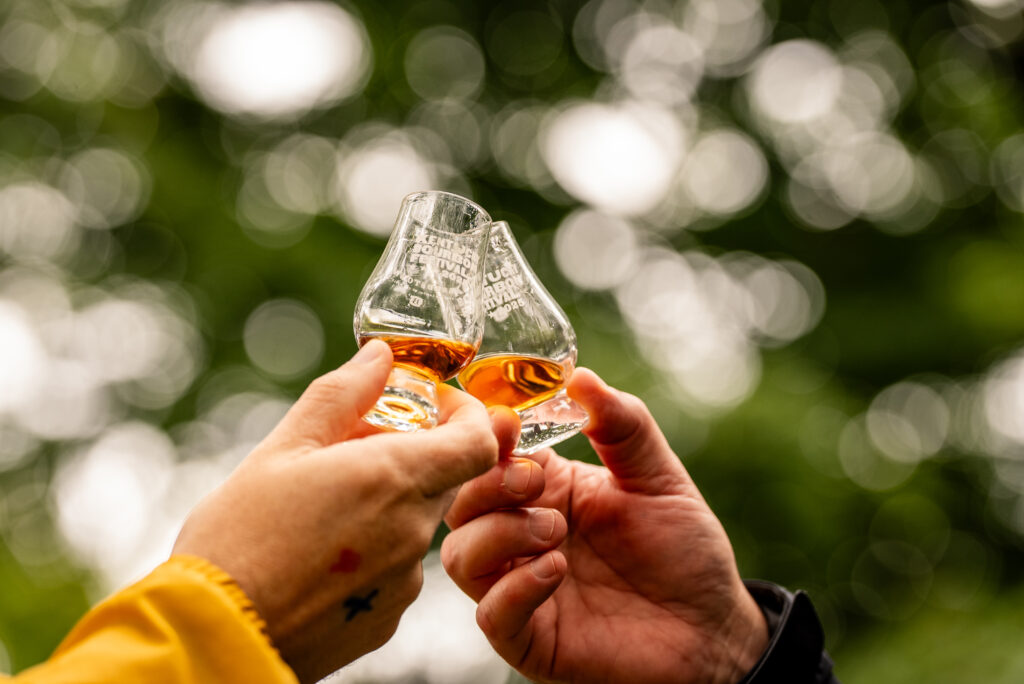
If moderation is becoming the norm, every pour has to justify itself.
The Bottom Line
The headline isn’t that Gen Z drinks more.
It’s that the long-running assumption that they don’t drink appears increasingly outdated.
The real shift is broader.
Across generations, consumers are choosing quality over quantity. They’re drinking less often, consuming fewer drinks when they do, and making alcohol a more intentional part of social life.
For whiskey lovers, that’s not necessarily bad news.
It may simply mean the future belongs to bottles, and brands, that are worth slowing down for.
Related Articles
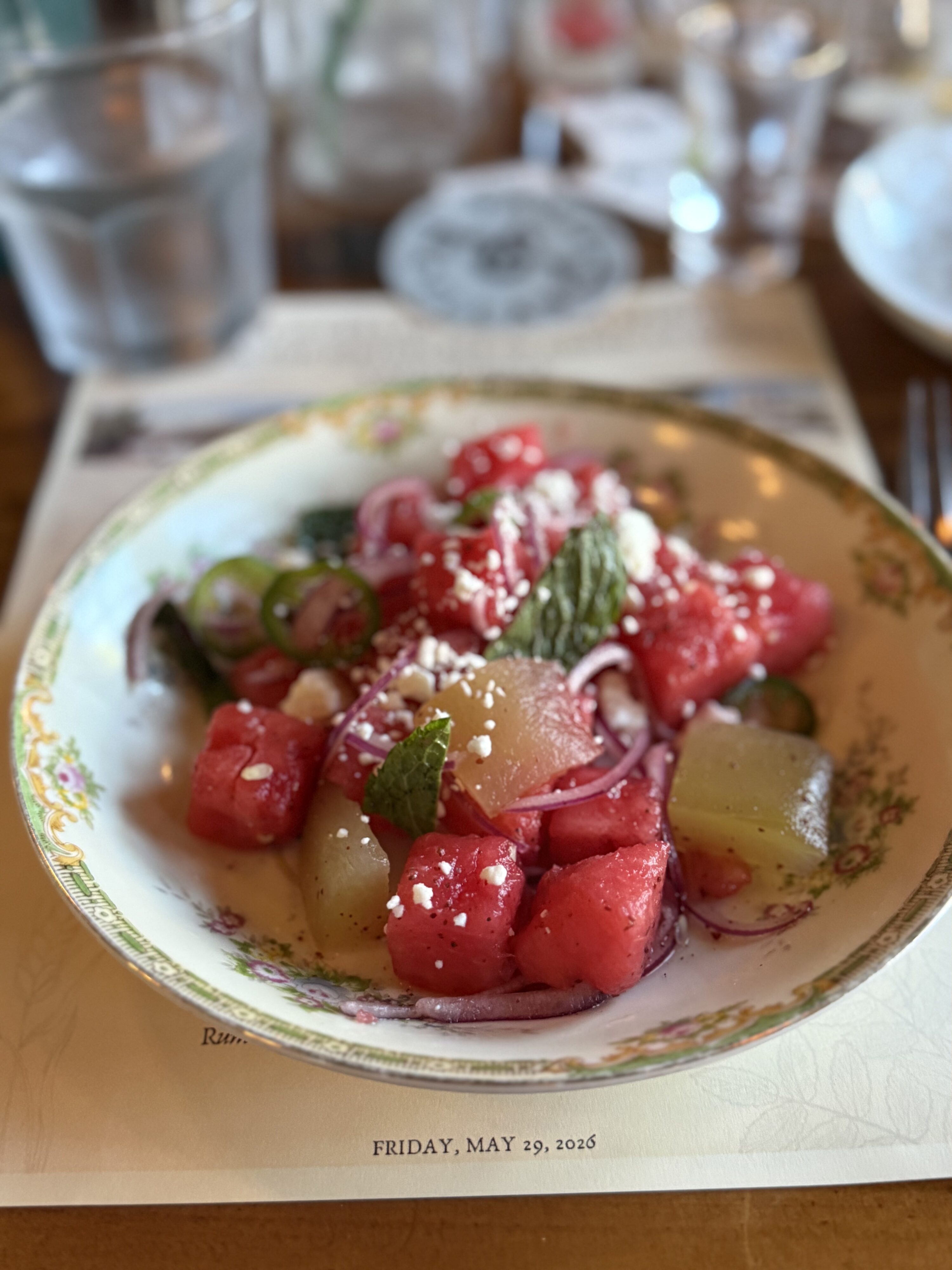
A three-course pairing dinner at Vault & Cellar celebrating Virginia 250 whiskey, gin, and rum through exceptional cocktails, heritage grains, and Virginia craft spirits culture.
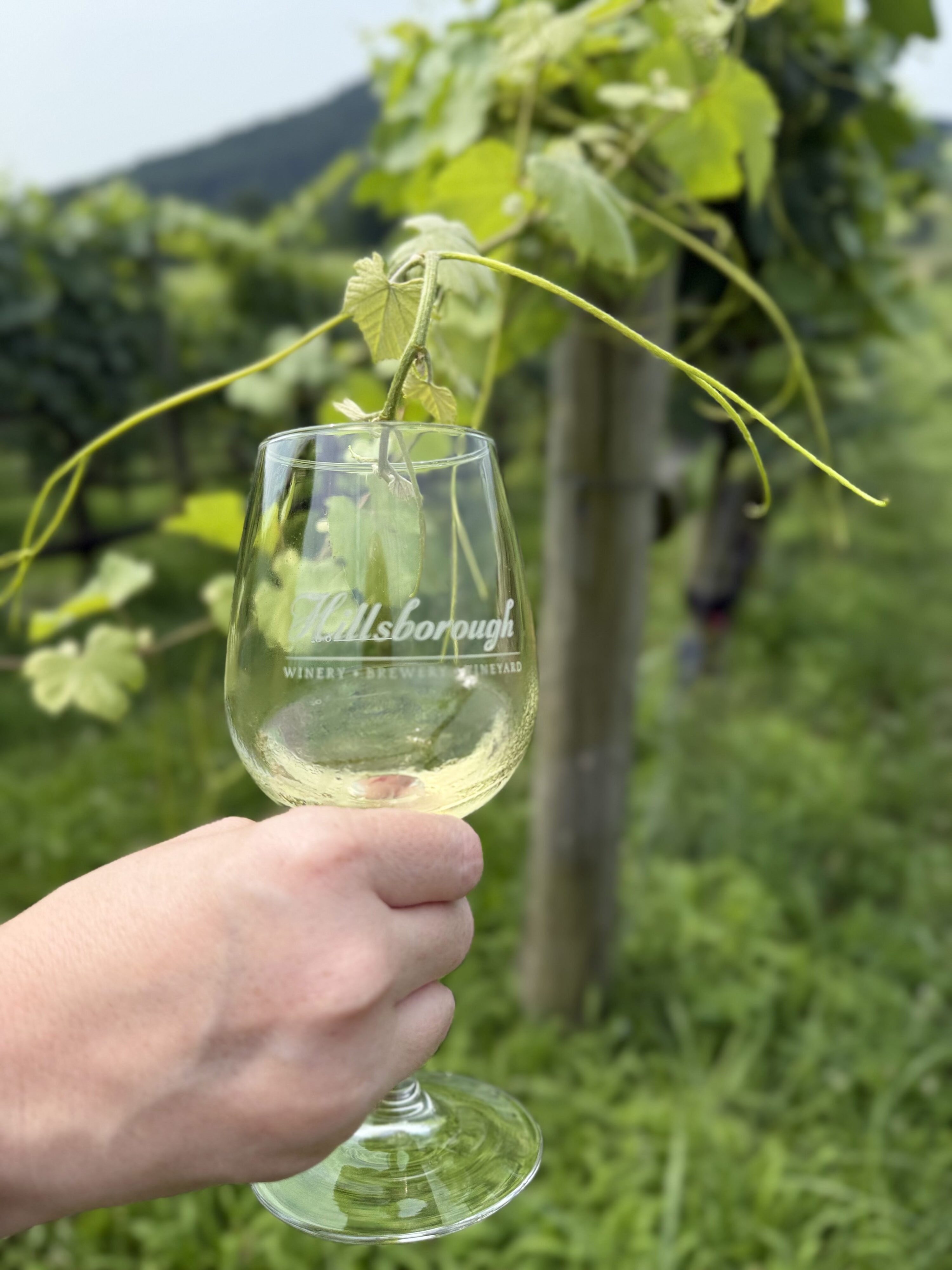
The Bourbon Bishop attended the Uncork Loudoun trade tasting to explore Virginia wine, meet local winemakers, and discover why craft and community matter more than what’s in your glass.
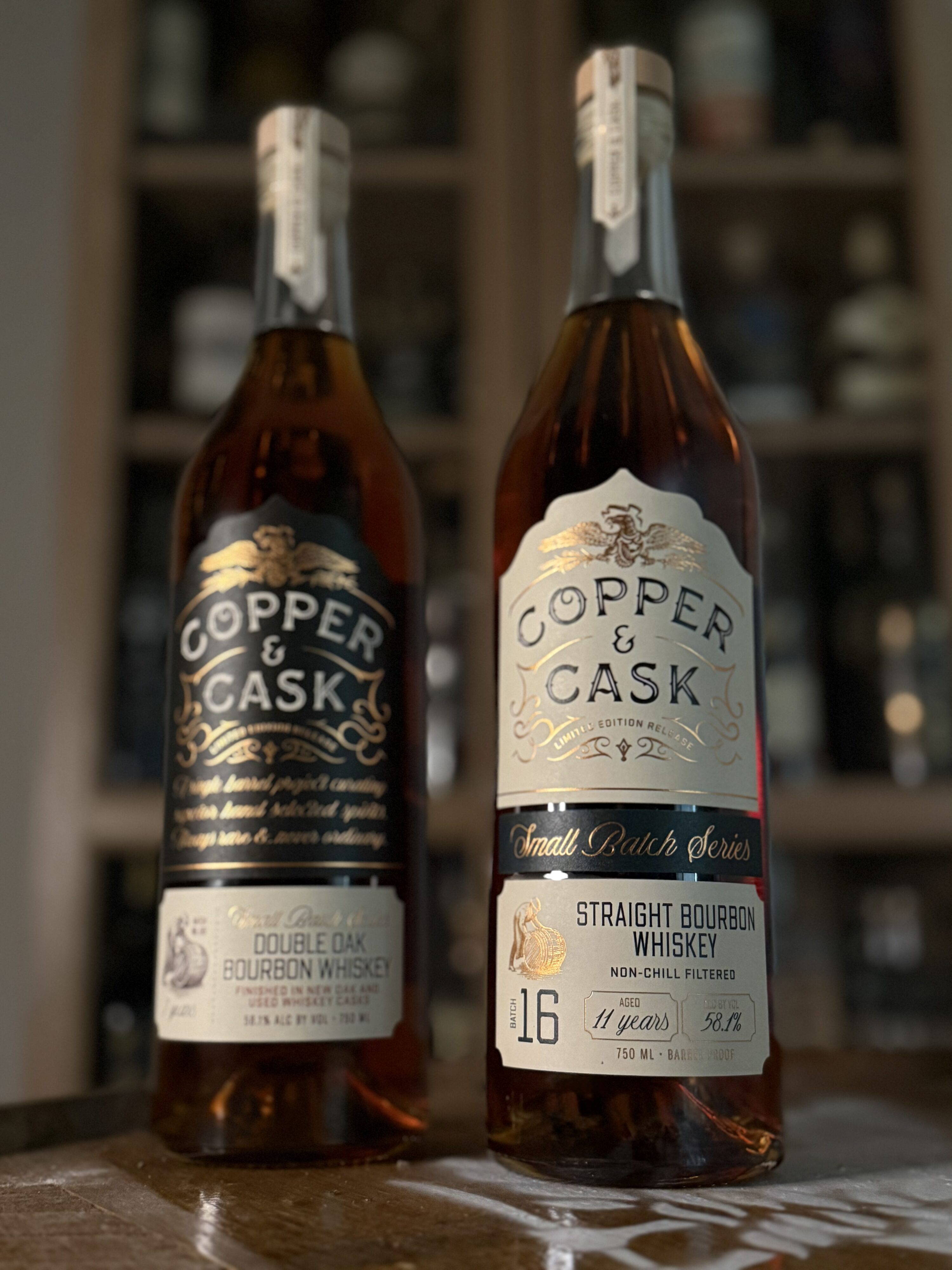
Small Batch has no legal definition, but a growing number of independent bottlers and craft distilleries are redefining the term through transparency, intentional blending, and truly limited barrel counts.
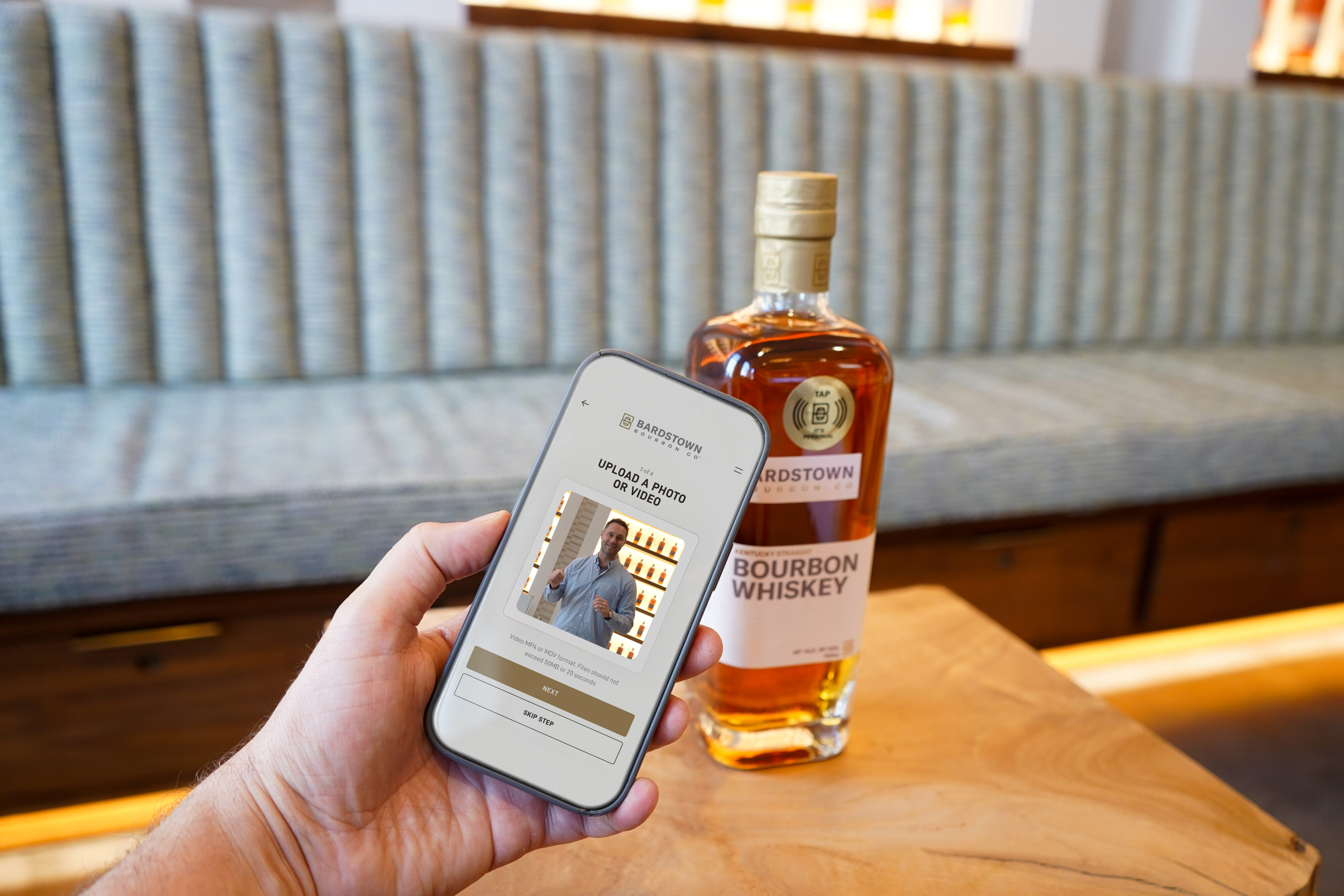
Bardstown Bourbon Company launches NFC-powered gifting tags, allowing consumers to attach personalized messages, photos, and videos to any bourbon bottle via smartphone tap.
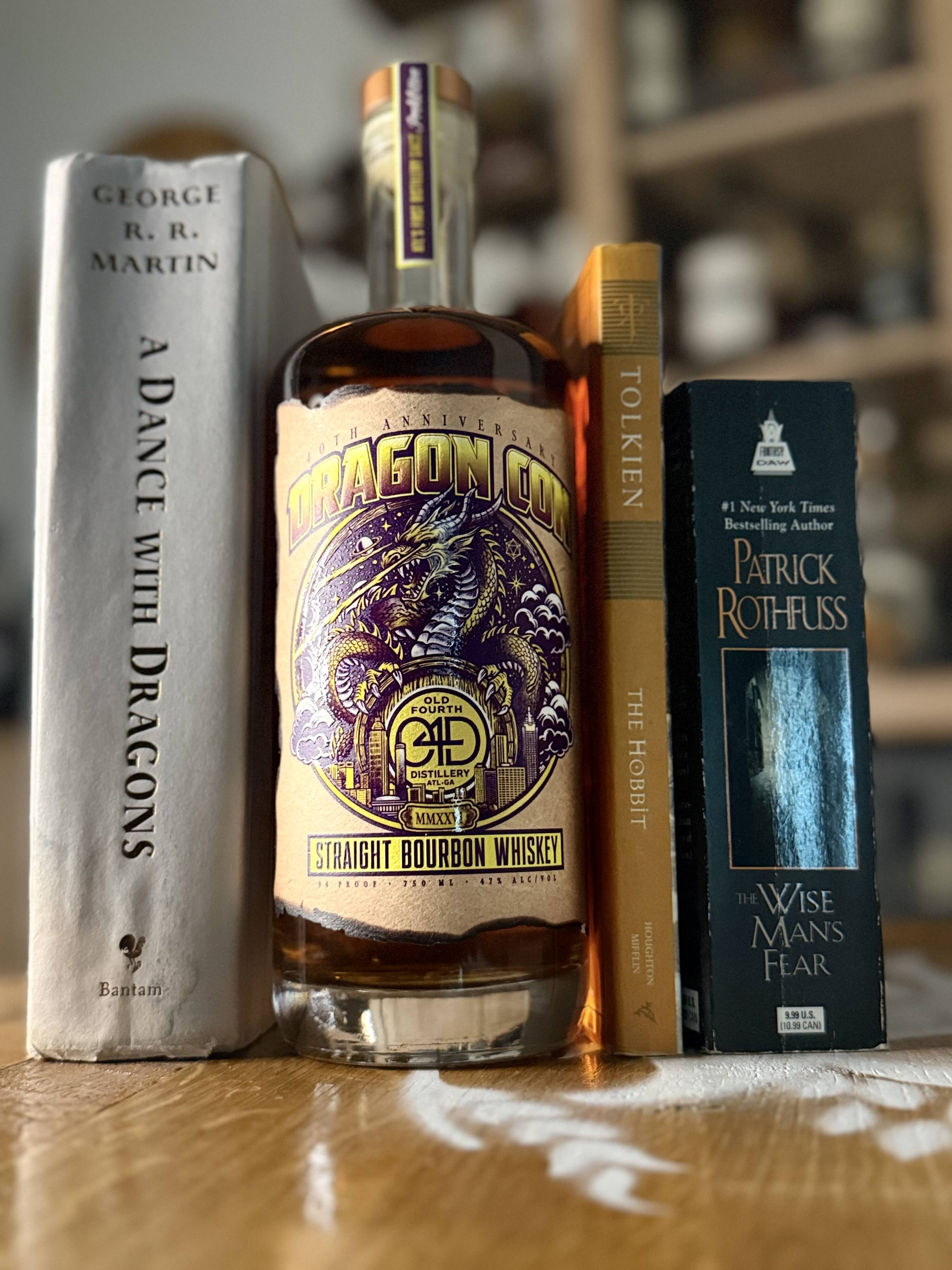
Discover the best budget whiskey releases of 2026 so far. From Blue Bolt 107 to Keeper’s Heart Pot Still Whiskey and Wheel Horse Rum Finished, these five bottles under $50 offer outstanding flavor, value, and character.
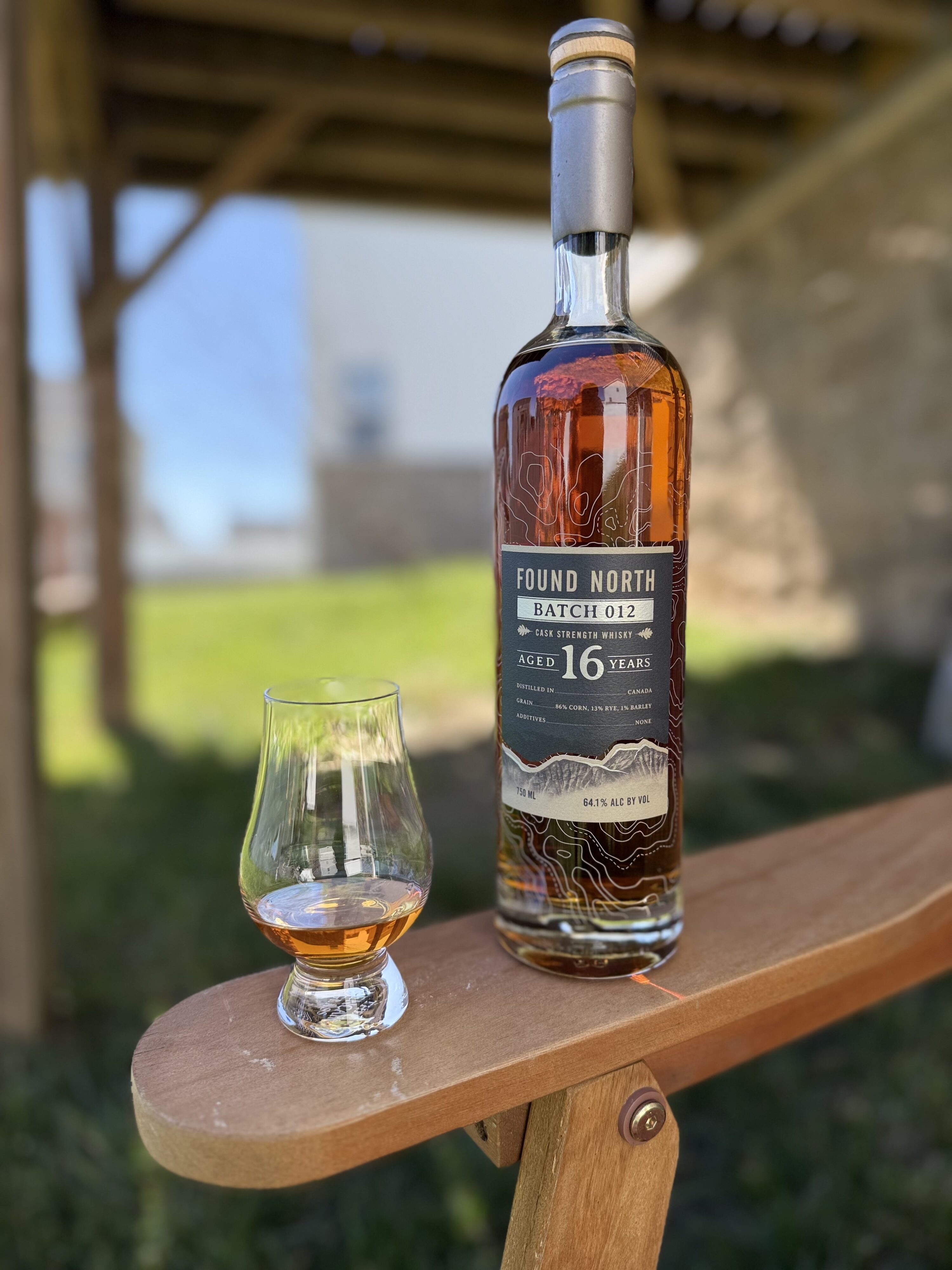
A curated list of 10 whiskies for summer—from easy RTDs and bright small-batch pours to finished drams and bold cask strength sippers for warm nights.
Explore Provenance with Jay West and discover the philosophy behind curated whiskey, Reveries single barrels, slow proofing, experimental finishes, and the Bottle Your Own experience.
Pingback: RNDC Chapter 11 Filing Signals Deeper Strain Across the American Whiskey Industry Review | Bourbon Bishop