
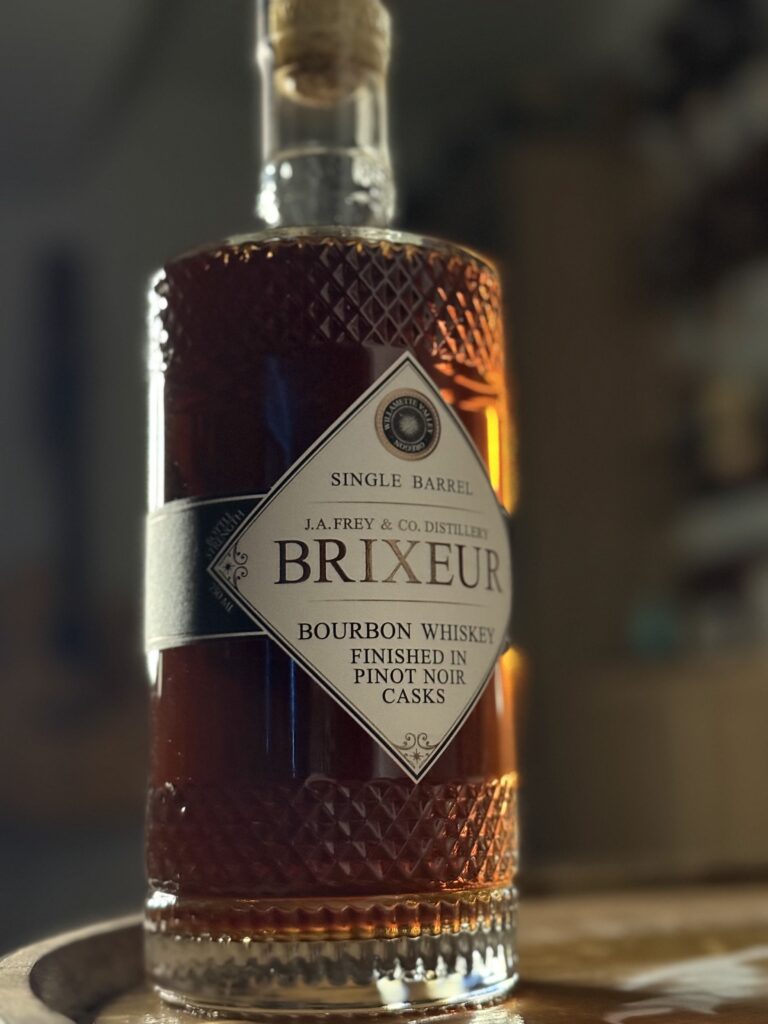
Three separate Pinot Noir cask finishes create one of the most wine-driven sourced bourbons I’ve tasted… but does that come at the expense of balance?
Stats
- Age: 4 year
- Proof: 95 (47.5% ABV)
- Mashbill: 75% Corn │ 21% Rye │ 4% Malted Barley
- Origin: (Assumed) Ross & Squibb (MGP) — Lawrenceburg, Indiana
- Finish: Finished in sister winery Trisaetum Pinot Casks three times (four months each)
- Aging/Blending/Bottling Location: Brixeur Spirits — Newburg, Oregon
- Release: Wide release, single barrel
- MSRP: $65 (on sale for $58.50 at the time of review until 7/18)
Tasting Notes
- Nose: The nose opens with sweet red apple, rich caramel, and warm baking spice before bright citrus begins to emerge. Notes of lemon zest and orange peel give it an unexpectedly vibrant lift, making for an aroma that’s both familiar and surprisingly unique for MGP.
- Palate: The mouthfeel is moderately coating, but the whiskey quickly shifts from citrus into an overwhelmingly Pinot Noir-driven profile. Smoky tannins dominate the middle of the palate, covering much of the underlying bourbon and making the wine influence the undeniable centerpiece.
- Finish: The initial finish is surprisingly short, disappearing almost as quickly as it arrives after a burst of caramelized sweetness and pepper. Then, almost unexpectedly, it returns with lingering red wine tannins, dates, strawberries, oatmeal raisin cookie, mulled spice, and even a touch of sweet corn, creating a far more satisfying second act than its opening would suggest.
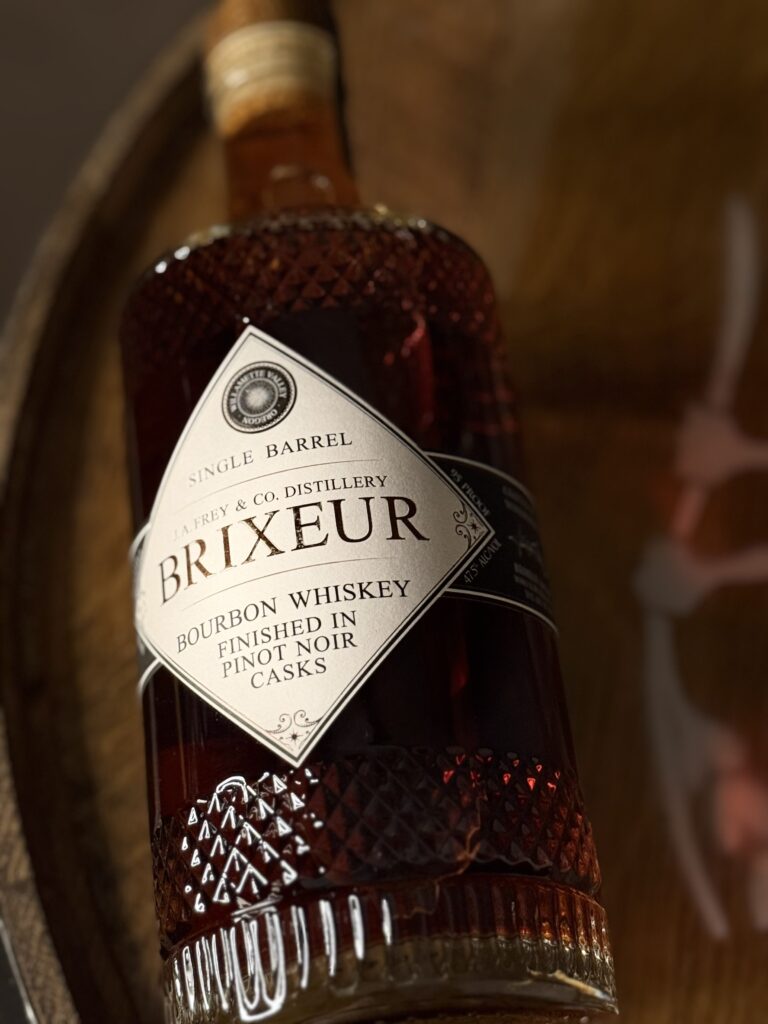
There are plenty of wine-finished bourbons, but very few commit to the concept as completely as Brixeur Spirits. Rather than a single secondary finish, this 4-year MGP bourbon spends its final year moving through three separate freshly emptied Trisaetum Pinot Noir barrels, each for roughly four months before entering the next cask.
The result is a bourbon where the wine finish becomes the dominant personality, largely masking its sourced MGP roots. Whether that’s a positive or negative depends entirely on what you’re looking for. If you want bourbon accented by wine, this may feel excessive. If you want whiskey that celebrates the finish itself, Brixeur accomplishes exactly that.
Presentation
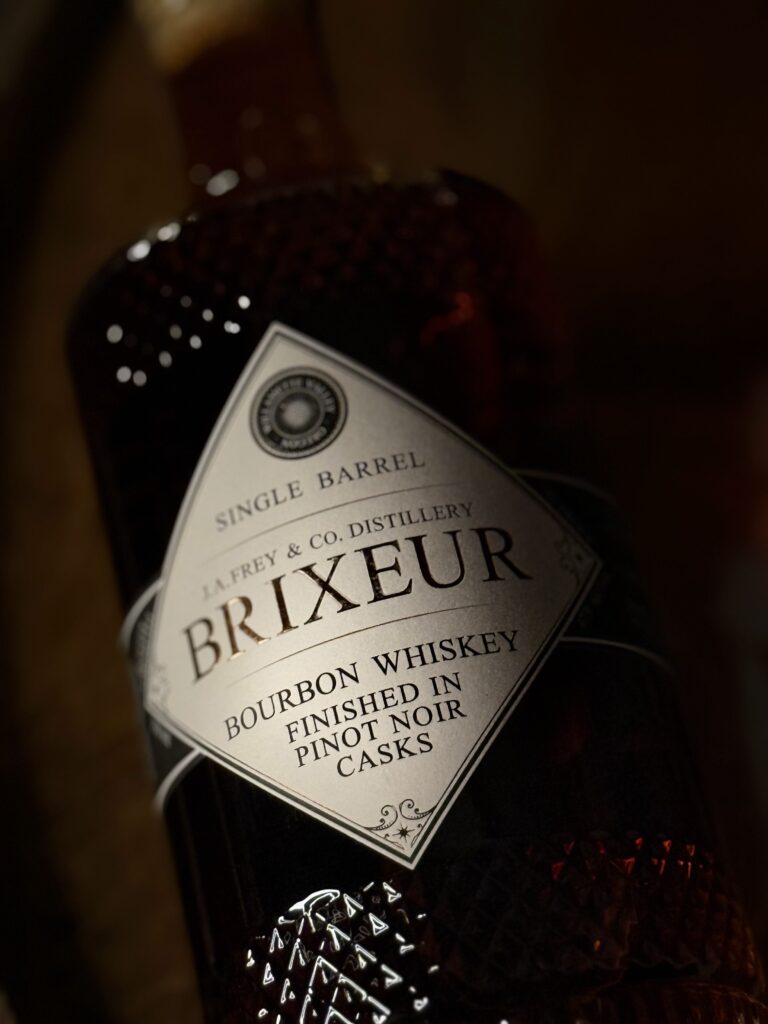
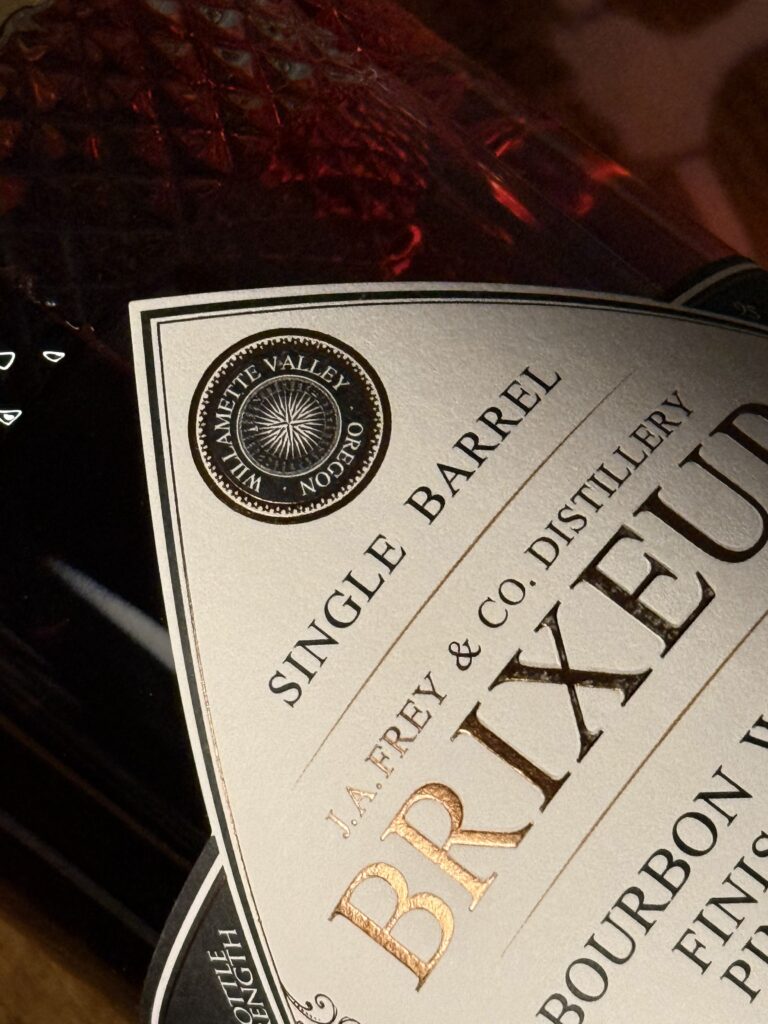
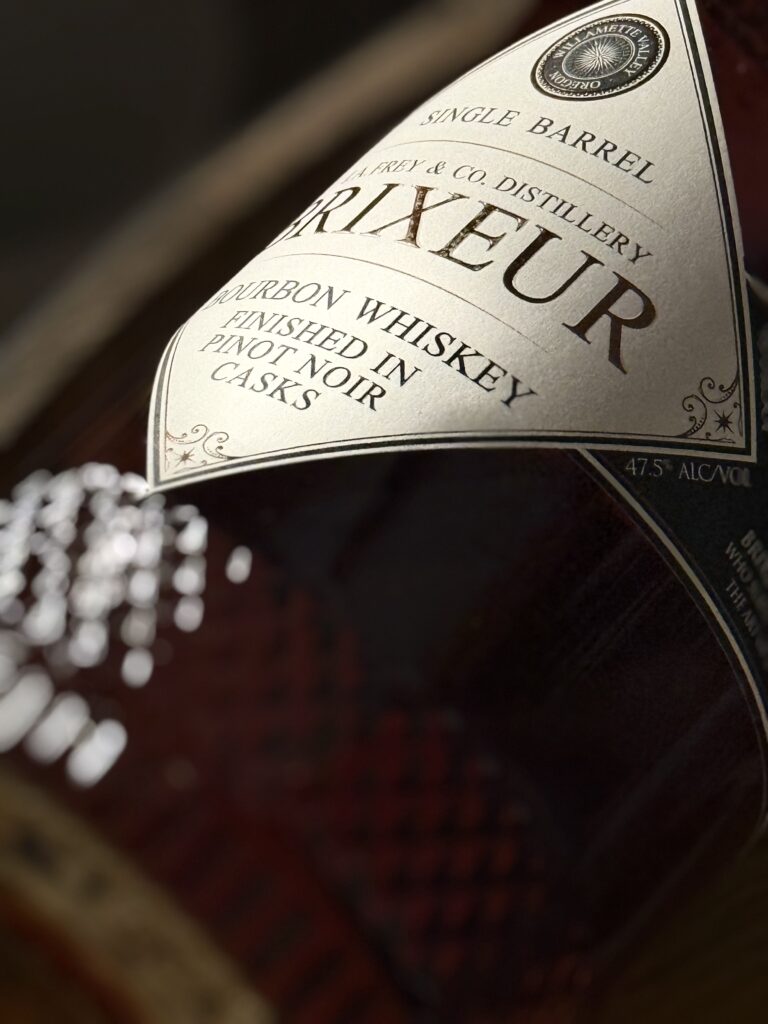
This is probably one of the best-looking bottles I’ve reviewed this year. The diamond-textured glass wrapping both the upper and lower portions of the bottle, paired with the elegant diamond-shaped label, gives it a refined appearance reminiscent of blend of Hendrick’s Gin and a nice rocks glass while still feeling entirely its own.
The overall presentation strikes a wonderful balance between minimalism and luxury, looking premium without becoming overly flashy.
Distinctiveness
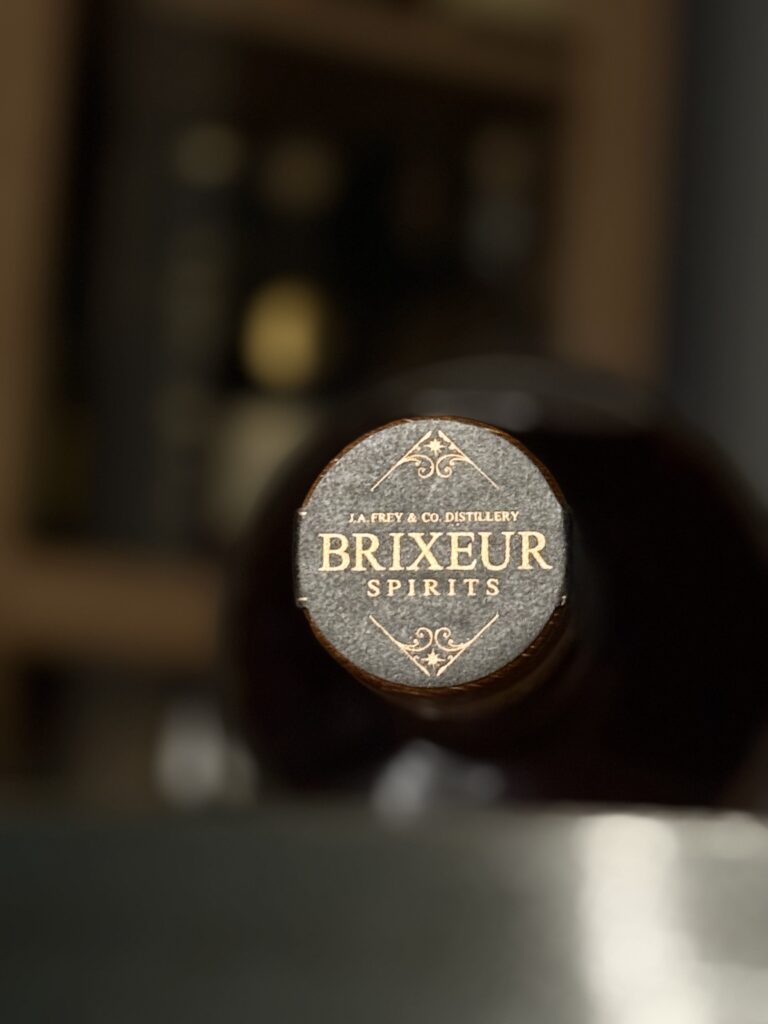
If Brixeur had one goal, it was likely to make the wine finish the star of the show, and it succeeds. At almost no point during the tasting did I think, “This tastes like MGP.”
Instead, the whiskey leans heavily into red fruit, dry Pinot Noir tannins, and layered wine character, creating something that feels more like a meeting point between bourbon and wine than a traditional finished bourbon. Even the citrus notes on the nose help separate it from the typical MGP profile.
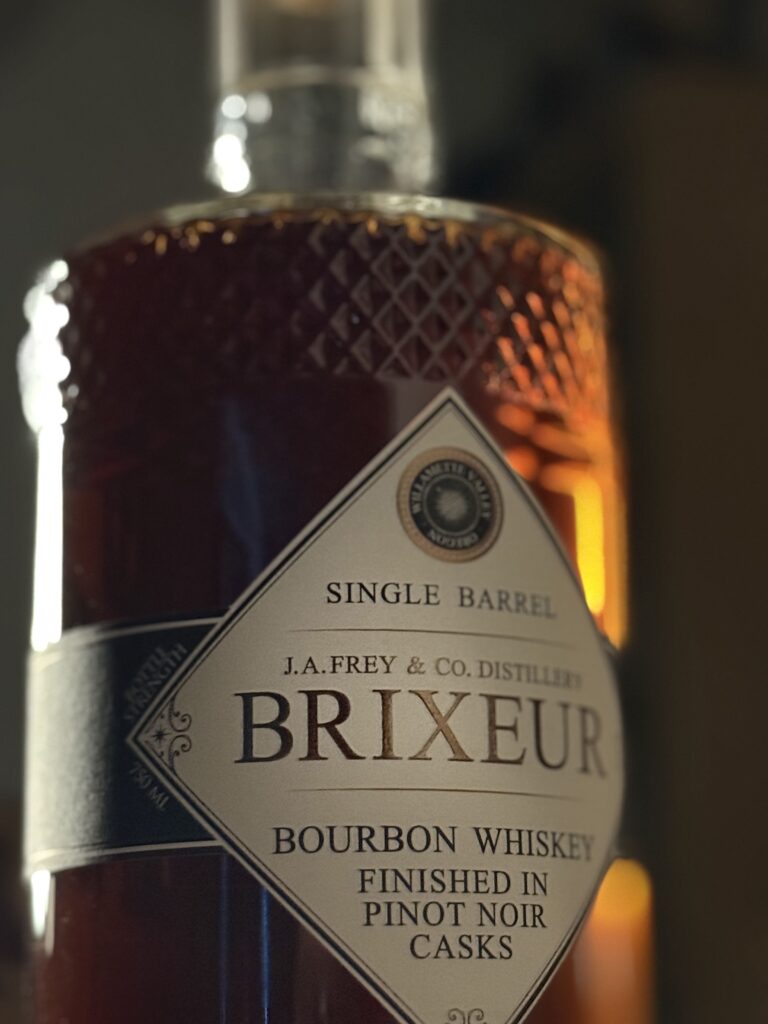
“There are plenty of wine-finished bourbons, but very few commit to the concept as completely as Brixeur Spirits”
Transparency
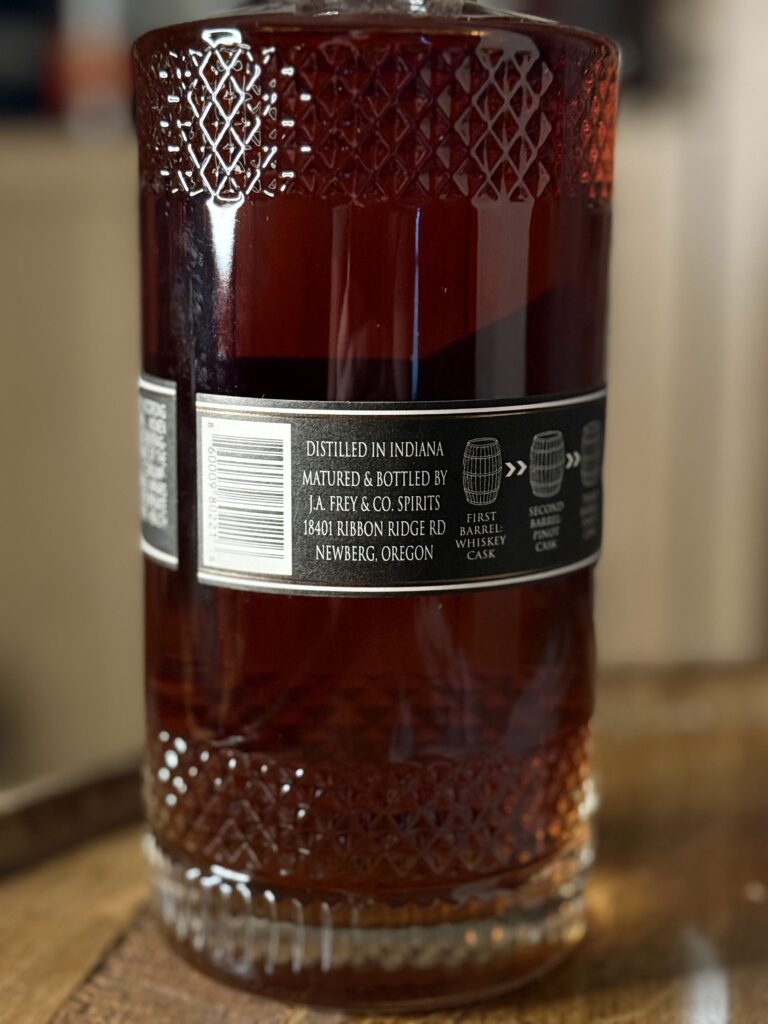
While Brixeur never explicitly prints “MGP” on the label, they provide enough information for enthusiasts to easily connect the dots by disclosing both the Indiana origin and the 75/21/4 mashbill. There’s absolutely no shame in sourcing excellent whiskey, and the company doesn’t appear to be hiding it.
Where they truly excel is documenting the finishing process. They disclose the use of freshly emptied Trisaetum Pinot Noir barrels, explain that the whiskey was transferred three separate times, and even provide the finishing timeline. That level of detail deserves recognition.
Value
At $65, this sits a little above where I’d personally value a 4-year sourced MGP bourbon, even with such an extensive finishing process.
That said, this isn’t simply another finished bourbon. The triple Pinot Noir treatment clearly required additional time, effort, and barrels, and the current $58.50 sale price feels much closer to where this bottle becomes an easy recommendation. Personally, I see its sweet spot around $50–55.
Buy if:
- You love bold red wine-finished bourbons.
- You’re looking for a bourbon with minimal recognizable MGP character.
- You enjoy dry Pinot Noir tannins and layered red fruit notes.
- Premium presentation matters to you as much as what’s inside the bottle.
Skip if:
- You prefer the bourbon to remain the star of a finished whiskey.
- You dislike assertive wine influence or drying tannins.
- You’re looking for maximum value in the $60+ price range.
- You want a long, immediately lingering finish rather than one that fades before returning.
Verdict
Brixeur Spirits made a fascinating creative decision: rather than allowing the bourbon to remain the primary voice with wine acting as an accent, they flipped the script. This is a whiskey where the Pinot Noir finish becomes the dominant experience, almost entirely overshadowing its MGP foundation. In that sense, the project succeeds exactly as intended.
Where I think there’s room to grow is in balance. The whiskey occasionally feels over-finished, particularly across the middle palate where the wine masks much of the bourbon’s character. A few additional years of maturation, a slightly higher proof, or a more robust base whiskey could help create greater harmony between the spirit and the finishing barrels.
Ironically, one of the whiskey’s greatest strengths comes from this same decision. Because the finishing is so assertive, I rarely found myself thinking about MGP at all. For drinkers who love red wine-finished bourbons, or perhaps wine enthusiasts exploring bourbon for the first time, this could be exactly what they’re looking for. Traditional bourbon drinkers, however, may wish for more of the underlying whiskey to shine through.
Bourbon Bishop Bottom Line:
A beautifully executed wine-forward experiment that will appeal more to wine lovers exploring bourbon than bourbon lovers exploring wine.
For those who prefer numbers, here’s the full score breakdown:
- Nose: 4 / 7
- Palate: 3.5 / 7
- Finish: 3.75 / 7
- Presentation: 6.5 / 7
- Distinctiveness: 4.25 / 7
- Transparency: 6.5 / 7
- Value: 4.25 / 7
Bourbon Bishop Rating: 4.23 / 7 – Angelic
Good to great. Often high value for the price.
| Score | Descriptor | Notes |
|---|---|---|
| 0–1 | Hell No | Drain pour. Seriously undrinkable. |
| 1.1–2 | Purgatory | Bad, but could be worse. Only in extreme cases. |
| 2.1–3 | Only Earthly | Just okay. Best used as a mixer. |
| 3.1–4 | Bliss | Passable to Good sipper. Works well in cocktails. |
| 4.1–5 | Angelic | Good to great. Often high value for the price. |
| 5.1–6 | Divine | Top-shelf. Must-buy for fans of the style. |
| 6.1–7 | Holy Heaven | Out-of-this-world. A true unicorn. |
Disclosure: This bottle was provided to me free of charge for review. All opinions are my own.
About Brixeur Spirits
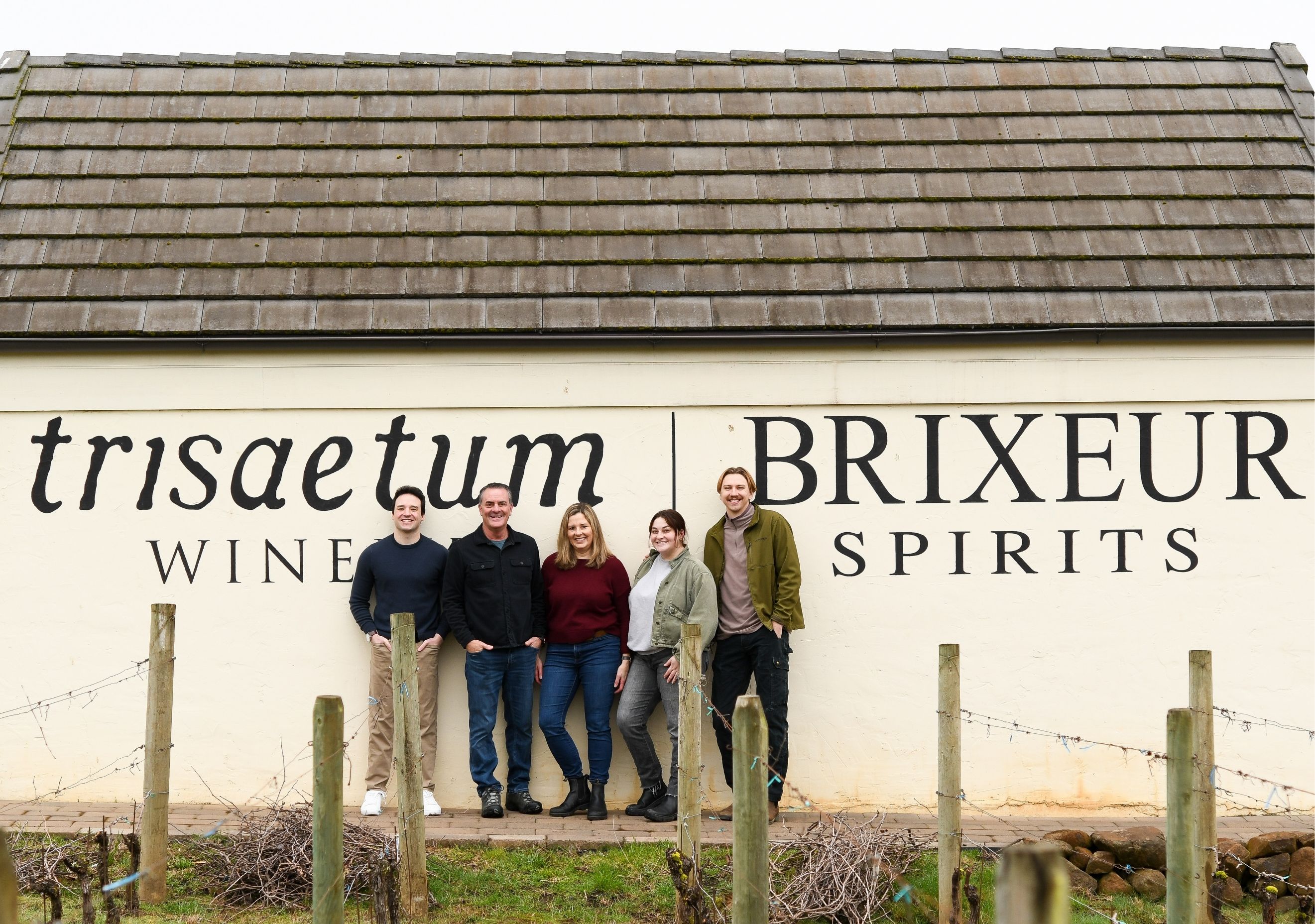
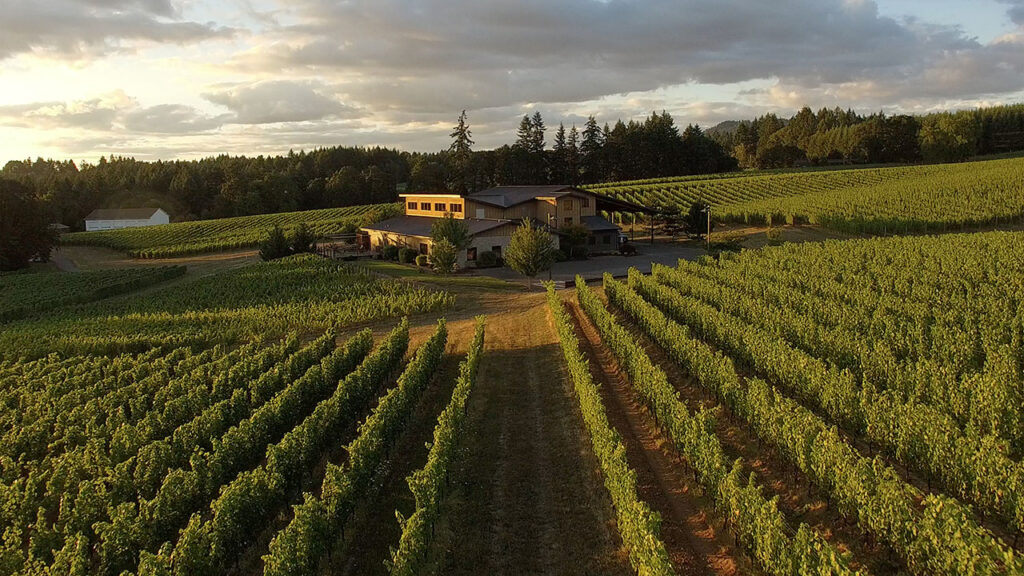
Founded in 2020 in Oregon’s Willamette Valley, Brixeur Spirits is a family-owned craft distillery born from the team behind Trisaetum Winery. Rather than treating wine barrels as an afterthought, Brixeur approaches whiskey through a winemaker’s lens, aging spirits in the very Pinot Noir, Cabernet Sauvignon, and Riesling casks that once held their own estate wines. The result is a portfolio that intentionally blurs the line between the worlds of fine wine and whiskey.
Led by father-and-daughter founders James and Tatum Frey, alongside lead distiller Jackson Harloff, Brixeur embraces experimentation while remaining rooted in craftsmanship. Their whiskey, gin, and vodka are shaped by estate-grown ingredients, locally foraged botanicals, and exceptionally pure water drawn from the ancient Ribbon Ridge Aquifer, with every spirit refined through constant tasting rather than rigid formulas.
What truly separates Brixeur is that it doesn’t simply finish whiskey in wine barrels—it finishes whiskey in its own wine barrels. That vineyard-to-glass philosophy gives the distillery a distinctive identity, creating spirits that reflect both the terroir of Oregon wine country and a willingness to push traditional whiskey boundaries.
Related Articles
Can six different barrel finishes actually work? Gambit Bourbon, blended by Chip Tate, delivers one of the most complex low-proof finished bourbons I’ve tasted with remarkable balance, transparency, and value.
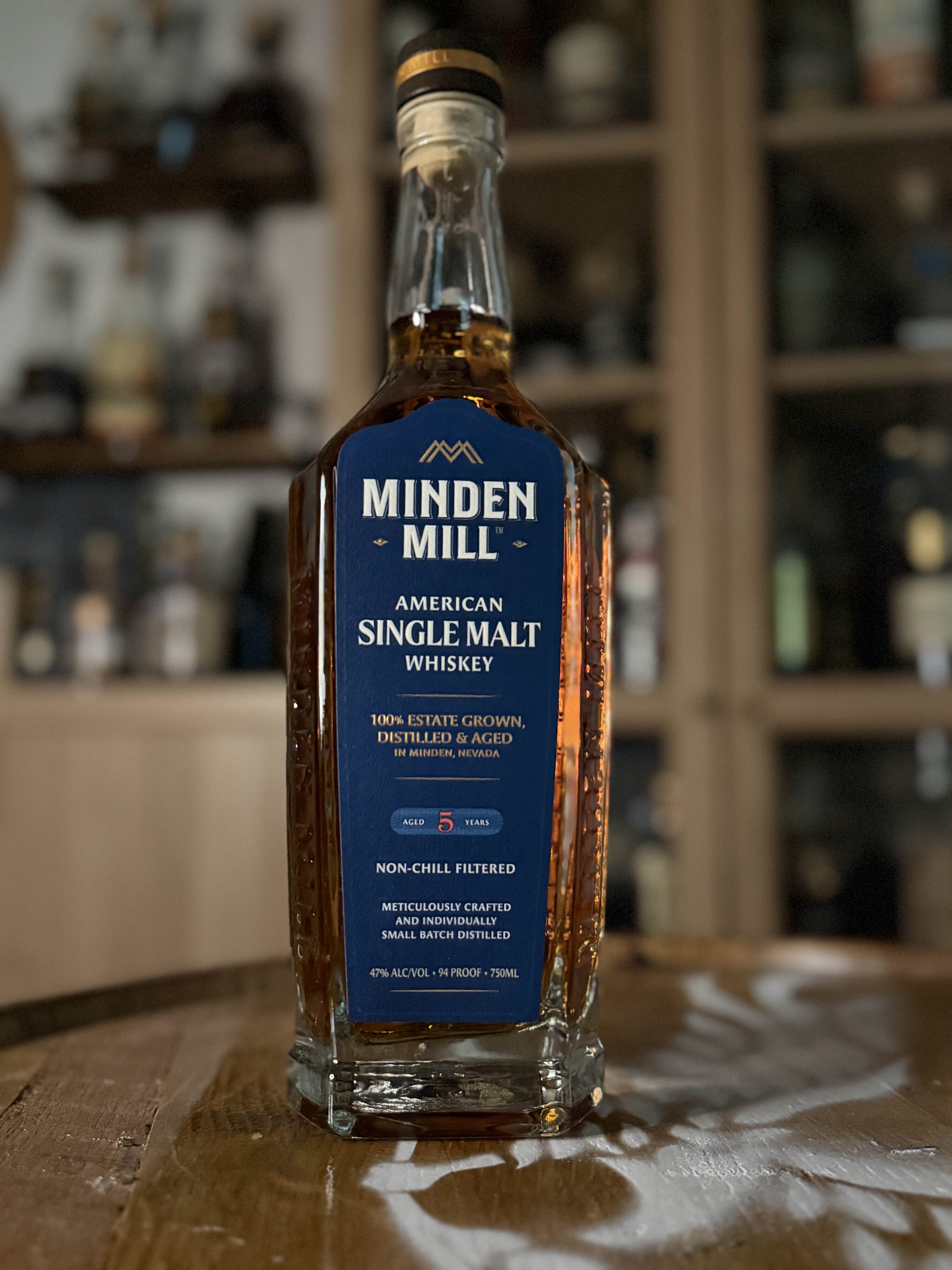
Minden Mill American Single Malt blends oloroso sherry, ex-bourbon, and American oak aging into a malt-forward pour that feels far closer to unpeated Scotch than modern American whiskey.
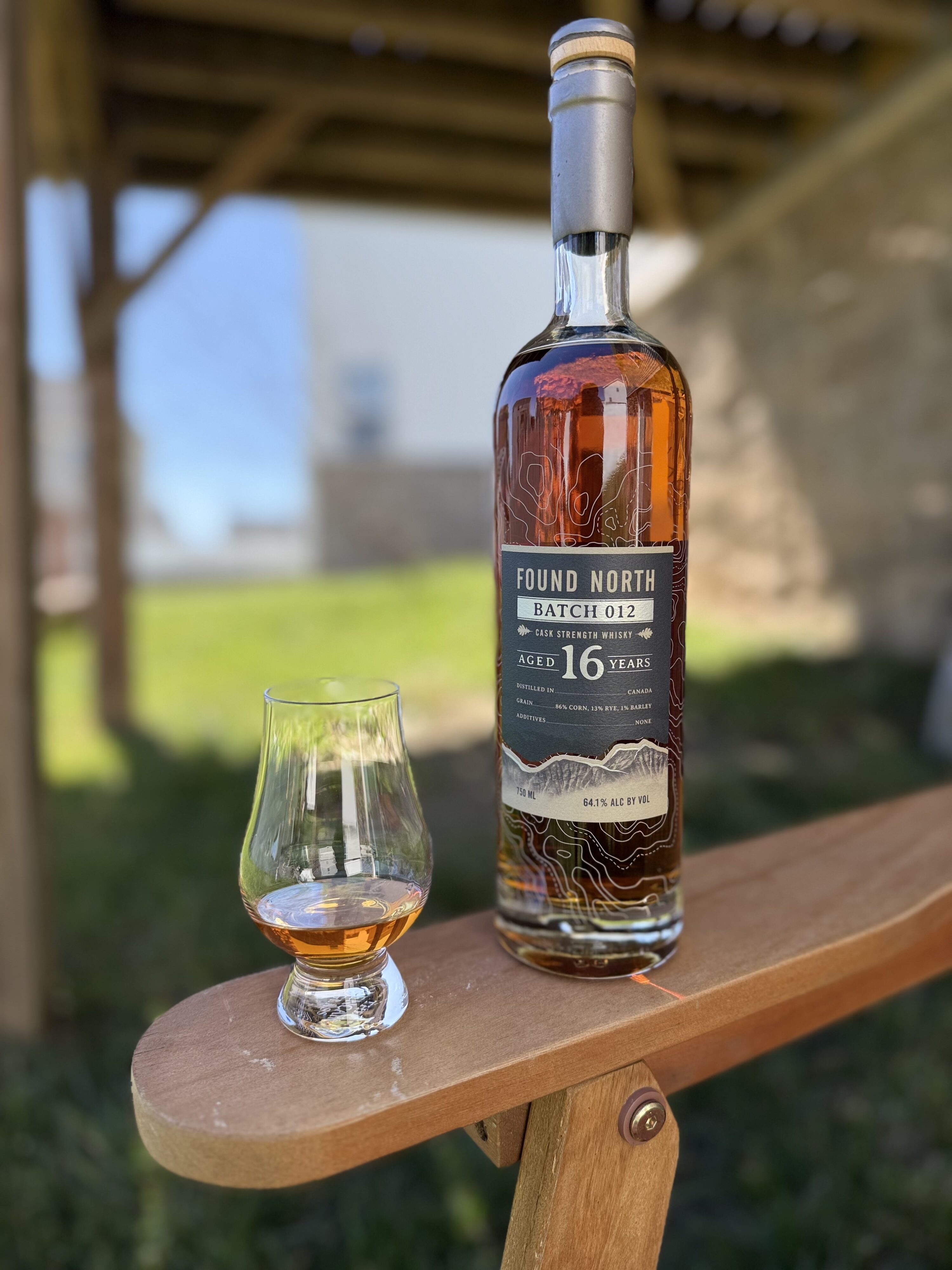
A curated list of 10 whiskies for summer—from easy RTDs and bright small-batch pours to finished drams and bold cask strength sippers for warm nights.
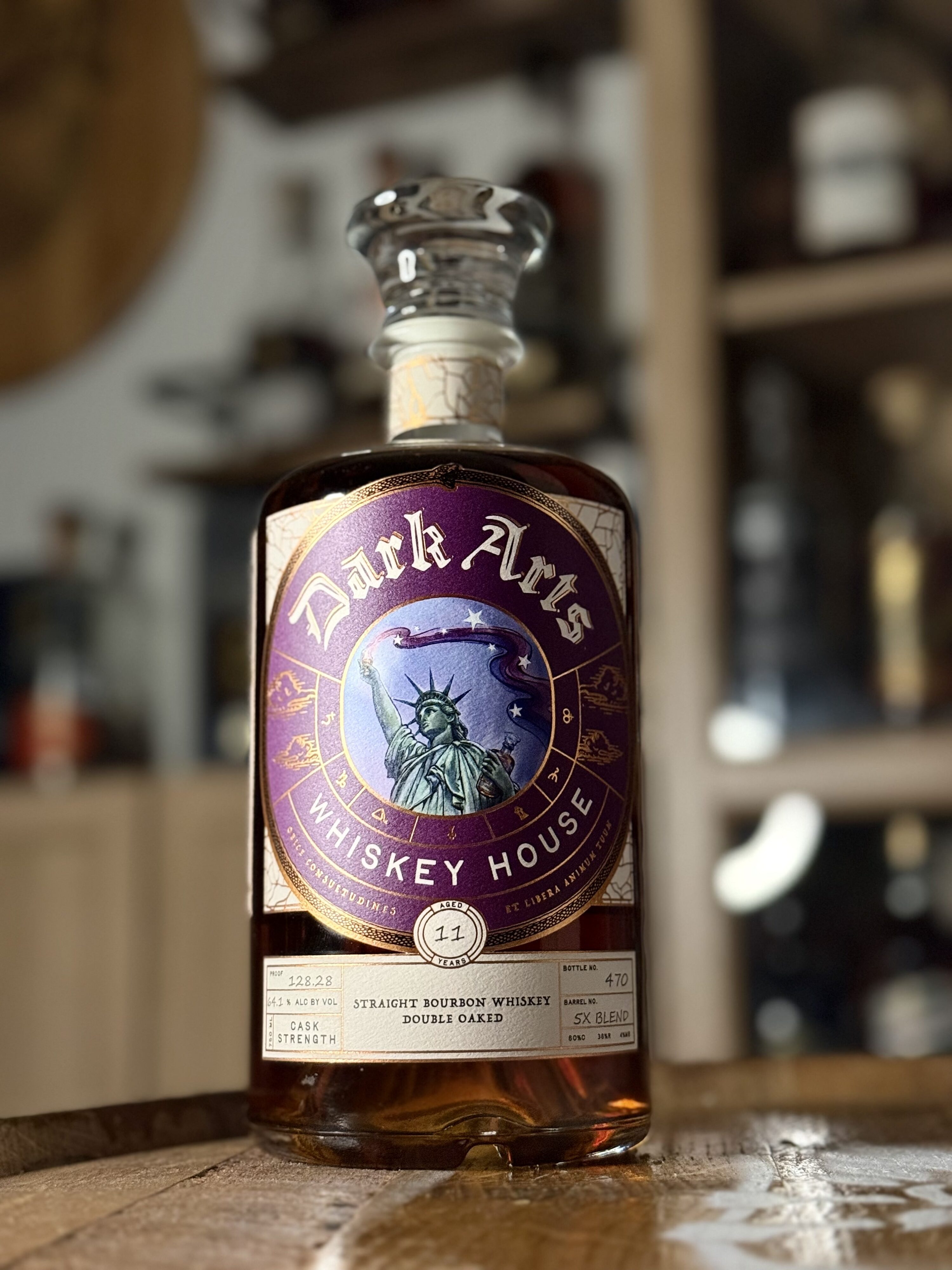
A detailed review of Dark Arts 250th 11-year double oaked MGP blend—bold proof, layered dessert-driven notes, and masterful blending anchored by Macaulay’s precision.
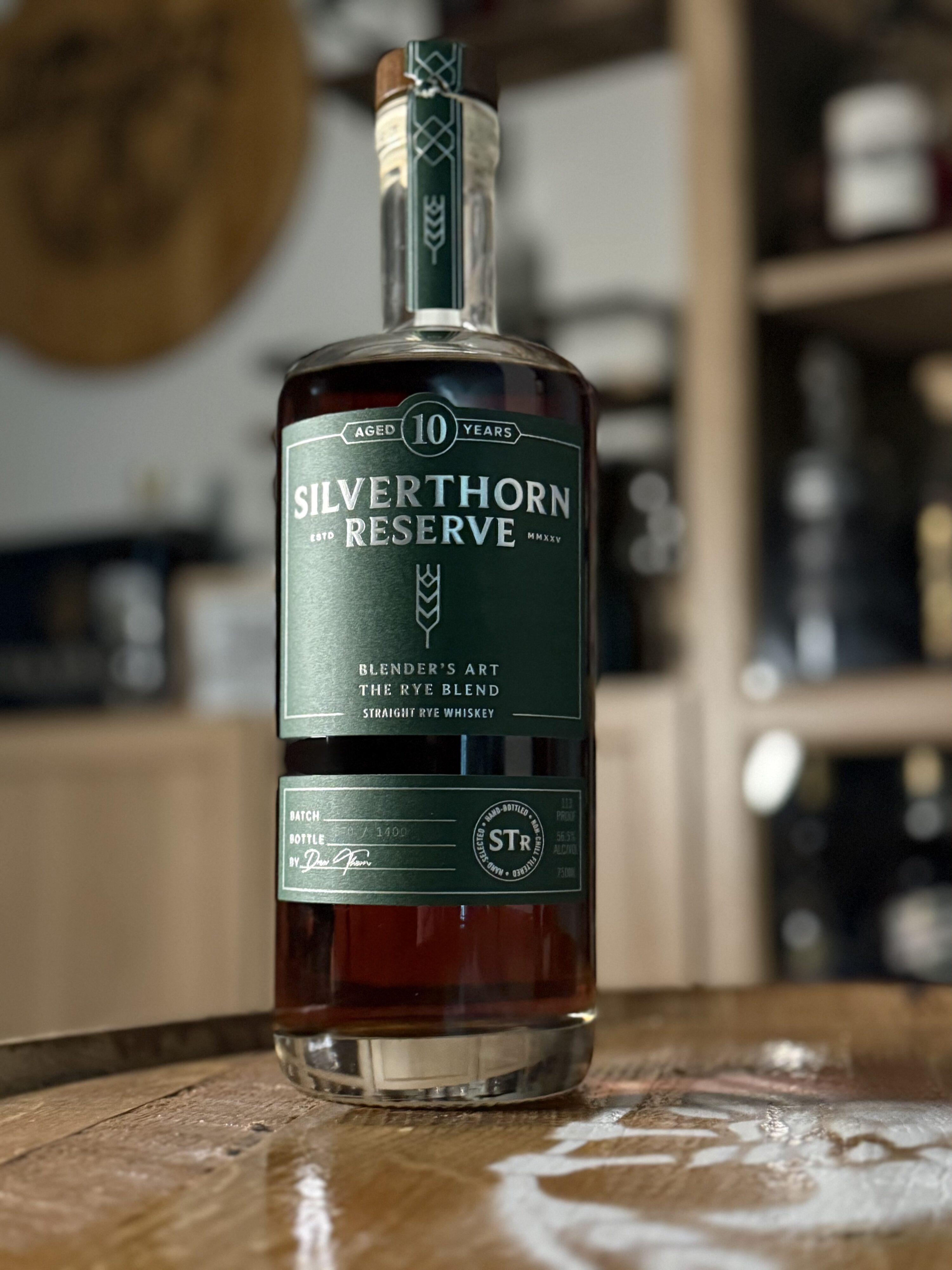
Silverthorn Rye Blend combines multiple mature rye mashbills with double-oaked finishing influence, creating a complex pour full of cinnamon apples, mint, brown sugar, and barrel spice.