
Distillery Closures Outpace Openings for the First Time as Jobs, Investment and Market Access Decline
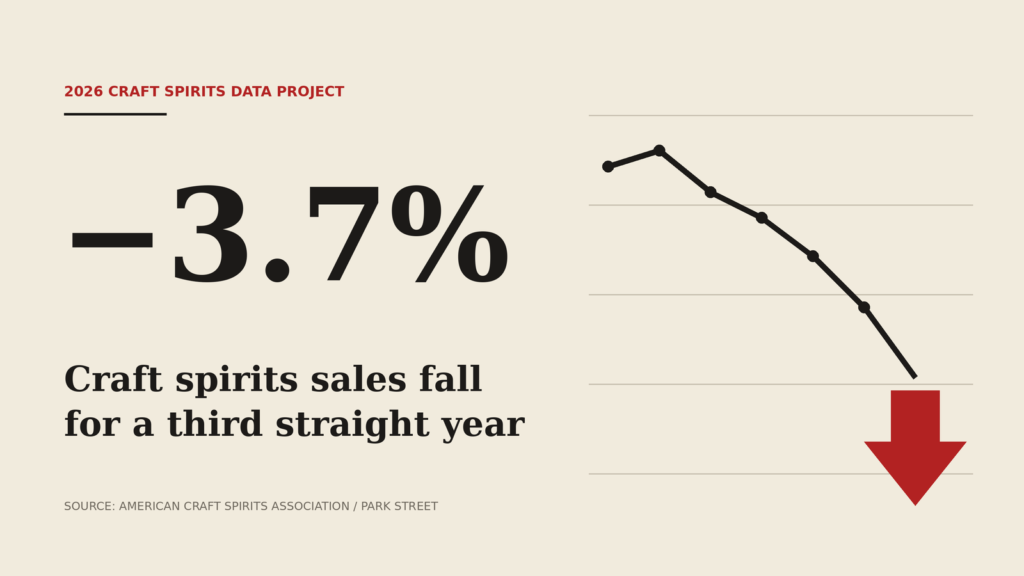
American craft spirits sales fell for a third consecutive year in 2025, and the latest industry data reveal a troubling trend beyond the sales numbers: fewer active distillers, fewer jobs and less money being reinvested in the businesses that make American craft spirits.
The American Craft Spirits Association (ACSA) and Park Street released the findings of the 2026 Craft Spirits Data Project on October 6, offering a sobering look at an industry still navigating a difficult market. For independent distillers, the challenge is no longer simply making a good bottle. It’s getting that bottle in front of the people who might buy it.
The Numbers Tell a Difficult Story
According to the 2026 Craft Spirits Data Project, the U.S. craft spirits category sold 11.7 million nine-liter cases in 2025, down from 12.7 million the year before. Total sales value fell 3.7% to $7.3 billion.
The decline marks the third consecutive year of contraction for craft spirits. The category also lost ground in the broader U.S. spirits market, accounting for 4.2% of total spirits volume and 7.3% of total value, compared with 4.5% and 7.5%, respectively, in 2024.
The producer count is equally concerning. As of August 2026, the United States had 2,131 active craft distillers, down 6.6% from 2,282 a year earlier. According to ACSA, this is the first time closures have outpaced openings.
Employment has taken a substantial hit, too. Full-time domestic employment in the craft spirits industry fell to 21,285 in 2025, a 25.6% decline from 28,628 in 2024. Total industry investment dropped for a second consecutive year, from $811 million to $526 million.
These aren’t isolated setbacks. Sales, jobs, investment and the number of operating distilleries are all moving in the wrong direction.
Why Are Craft Distillers Struggling?
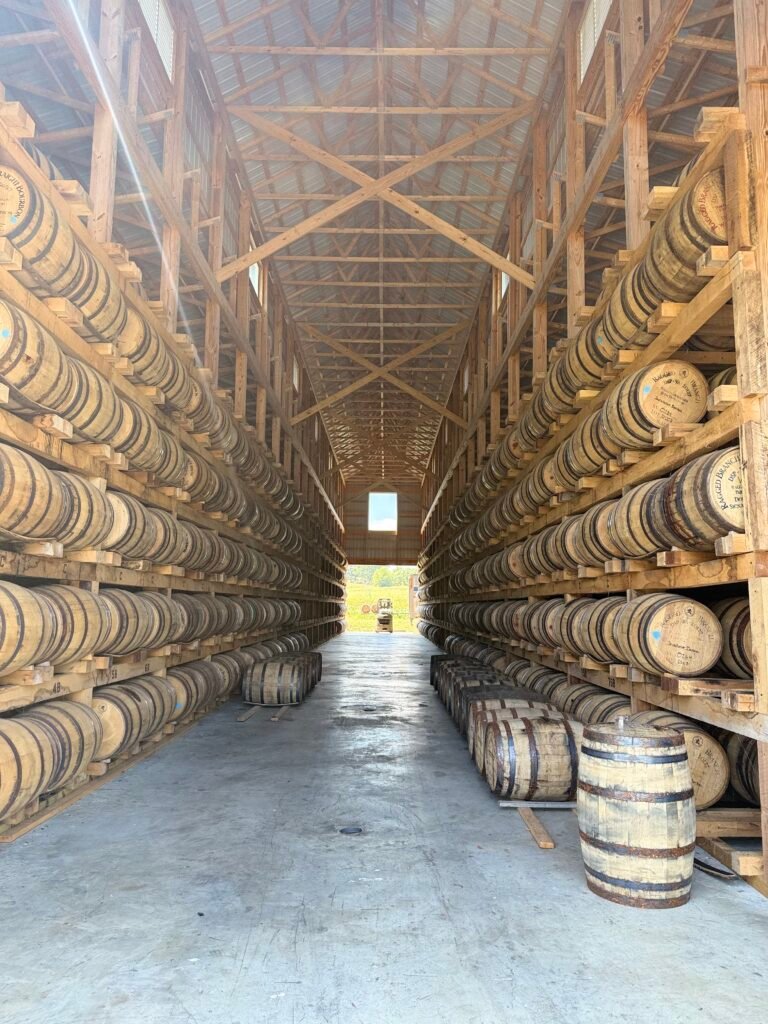
The report points to a collection of challenges that make it increasingly difficult for independent producers to grow beyond their immediate markets.
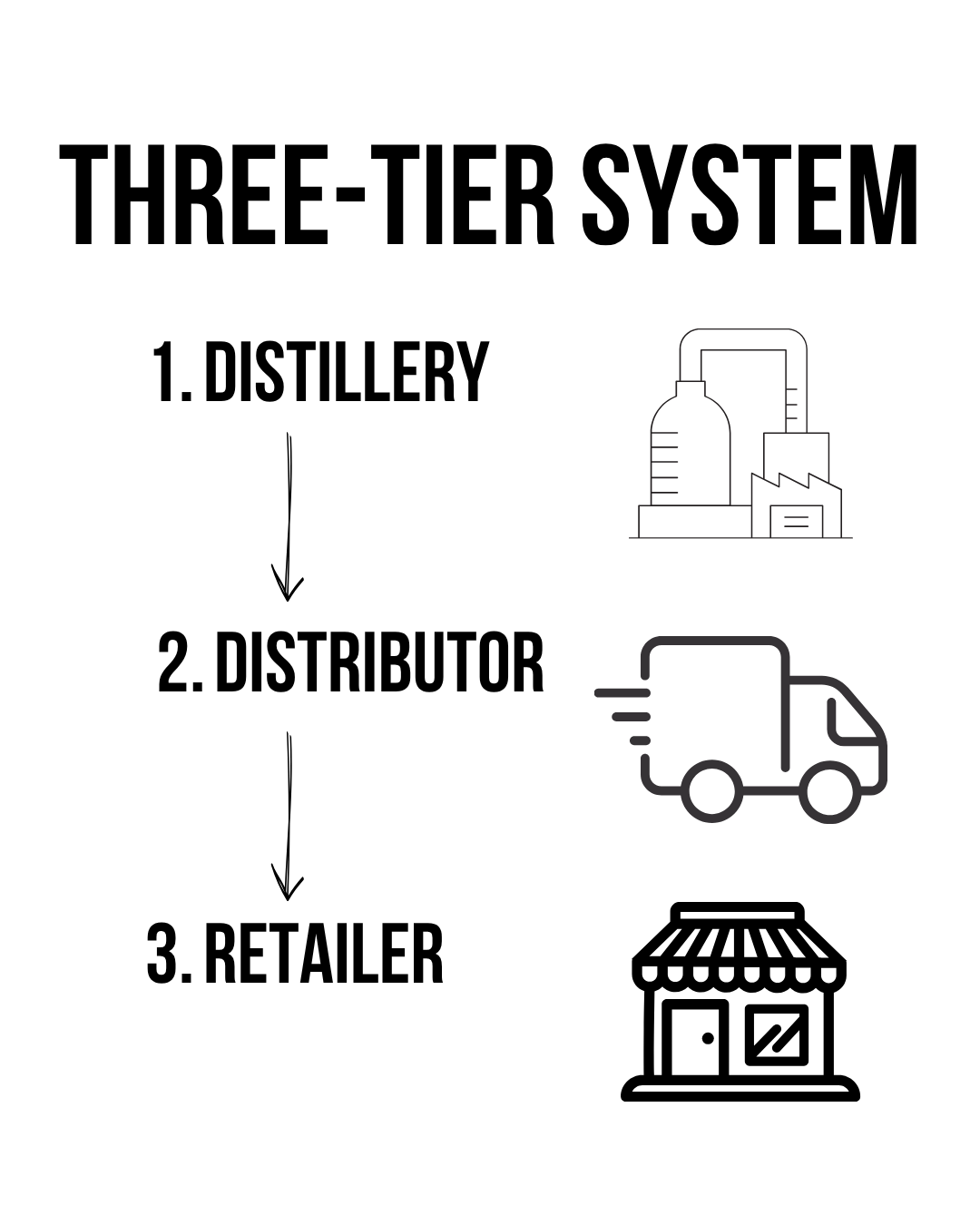
Distribution is one of the biggest obstacles. As distributors work through excess inventory and narrow their portfolios, smaller producers can find it harder to earn shelf space and reach new customers. A great whiskey doesn’t automatically translate into a distributor willing to take it on, much less a retailer willing to stock it.
Export markets have also weakened. Craft spirits exports fell 13.4% in 2025 to 123,000 nine-liter cases, with tariffs and other trade barriers adding pressure.
Direct-to-consumer shipping remains another major limitation. Many states continue to restrict or prohibit interstate shipping of spirits, limiting the ways small producers can reach customers beyond their home markets.
The result is an industry with fewer avenues for growth at precisely the moment many producers need them most.
“These aren’t isolated setbacks. Sales, jobs, investment and the number of operating distilleries are all moving in the wrong direction.”
The Tasting Room Has Become a Lifeline
One of the most revealing findings concerns where craft spirits are sold.
In 2015, distillery sales accounted for 14% of craft spirits sales. By 2025, that share had grown to 26%, more than one in every four craft bottles sold.
That shift highlights the growing importance of tasting rooms, distillery visits and local tourism. When reaching customers through traditional distribution becomes more difficult, bringing those customers directly to the distillery becomes even more valuable.
But there’s an important distinction: a larger share of sales happening at distilleries doesn’t mean tasting-room sales are growing in absolute terms. The report indicates that every sales channel lost volume in 2025. Direct sales are becoming a bigger piece of a shrinking category, not necessarily a growing business on their own.
For whiskey drinkers, that makes visiting local distilleries more than a weekend activity. It can be a direct way to discover producers, meet the people behind the bottles and support businesses that might otherwise struggle to reach a wider audience.
What Can Whiskey Drinkers Do?
The industry’s challenges won’t be solved by consumers alone. Distribution structures, shipping restrictions, tariffs, pricing, business decisions and broader spirits-market conditions all play a role. Not every craft bottle is worth buying, and supporting independent producers shouldn’t mean abandoning honest reviews or expecting consumers to pay any price.
Still, consumers have choices that matter.
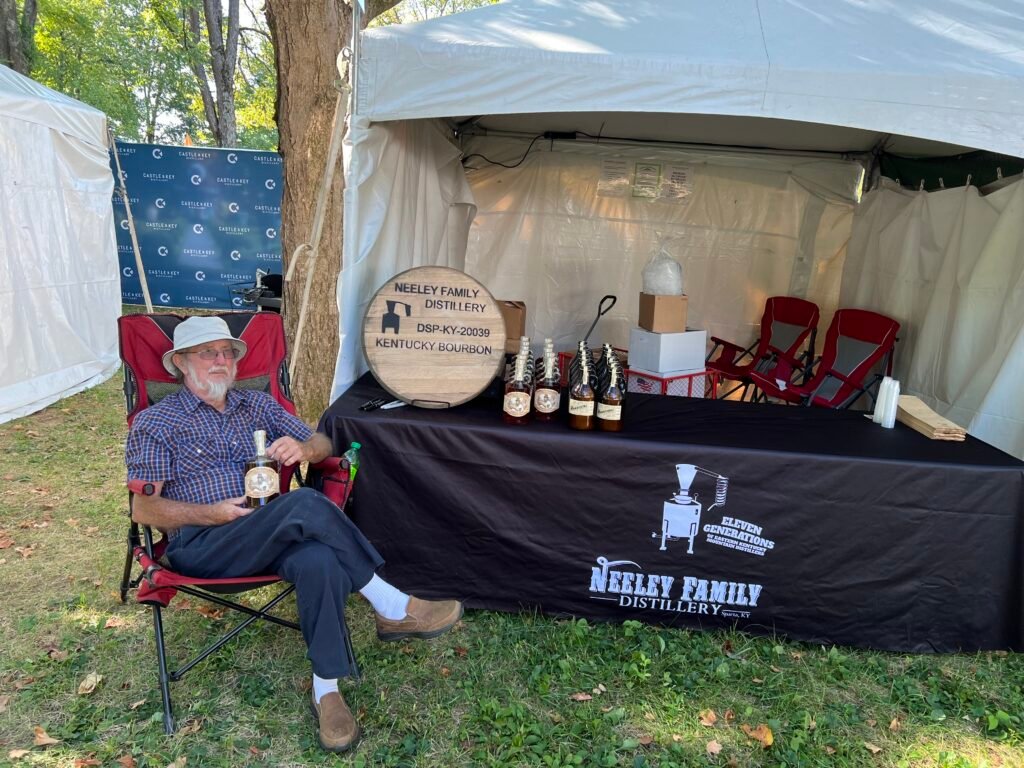
Visit a local distillery. Buy a pour, take a tour, learn how the whiskey is made and consider taking home a bottle if it earns a place on your shelf.
Explore beyond familiar names. Independent producers often have less marketing reach than major brands. Asking your local retailer about regional craft whiskey, or seeking out a bottle recommended by someone you trust (wink wink, nudge nudge), can help bring lesser-known producers into the conversation.
Tell people what you discover. Share a bottle you enjoyed, recommend a distillery worth visiting or bring a friend along for a tasting. Word of mouth can help a small brand earn attention it might not be able to buy.
Support the producers who earn your trust. Craft is not a guarantee of quality, and independent doesn’t automatically mean better. But when a producer makes a whiskey you genuinely enjoy, choosing to support that business can help keep more options available in the future.
“Still, consumers have choices that matter.”
Bourbon Bishop Bottom Line:
The latest craft spirits numbers deserve our attention, but they shouldn’t be treated as a reason to give up on the category.
Independent distilleries bring experimentation, regional character, new ideas and personal connections to American whiskey. They’re also businesses that need customers, sustainable margins and viable routes to market. Passion alone can’t keep a distillery open.
There’s no single solution, and the burden shouldn’t fall entirely on the person buying a bottle. The industry needs better access to consumers, workable distribution opportunities and room for independent producers to build sustainable businesses.
But whiskey drinkers can be part of the answer. We can visit, explore, share and support the producers that deliver something worth coming back for.
The question isn’t whether every craft distillery deserves to survive regardless of what it makes. It’s whether we want a whiskey landscape where independent producers have a fair chance to earn a place in it.
What do you think? Can whiskey drinkers help turn this trend around, or are the bigger problems with distribution, market access and the economics of running a distillery?
Source: American Craft Spirits Association and Park Street, 2026 Craft Spirits Data Project. The report covers calendar year 2025, with producer data collected in 2026.
Related Articles
RNDC’s Chapter 11 filing is more than a distributor story. Explore what it means for whiskey brands, the three-tier system, and an industry facing major market corrections.
New IWSR data shows Gen Z drinking rates have nearly matched the overall adult population while moderation, not abstinence, is reshaping alcohol consumption.
A three-course pairing dinner at Vault & Cellar celebrating Virginia 250 whiskey, gin, and rum through exceptional cocktails, heritage grains, and Virginia craft spirits culture.
The Bourbon Bishop attended the Uncork Loudoun trade tasting to explore Virginia wine, meet local winemakers, and discover why craft and community matter more than what’s in your glass.
Small Batch has no legal definition, but a growing number of independent bottlers and craft distilleries are redefining the term through transparency, intentional blending, and truly limited barrel counts.
Discover the best budget whiskey releases of 2026 so far. From Blue Bolt 107 to Keeper’s Heart Pot Still Whiskey and Wheel Horse Rum Finished, these five bottles under $50 offer outstanding flavor, value, and character.
A curated list of 10 whiskies for summer—from easy RTDs and bright small-batch pours to finished drams and bold cask strength sippers for warm nights.