
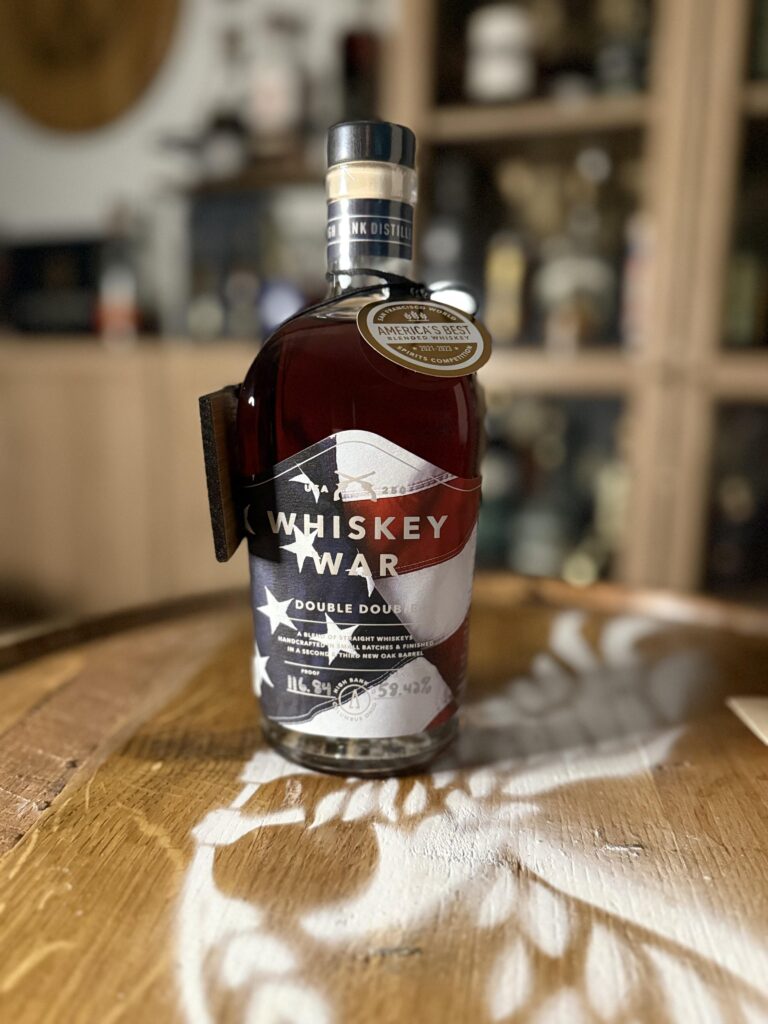
Triple oak treatment transforms familiar sourced whiskey into something far older, darker, and bolder than its age statement suggests.
Stats
- Age: 6 year 6 months
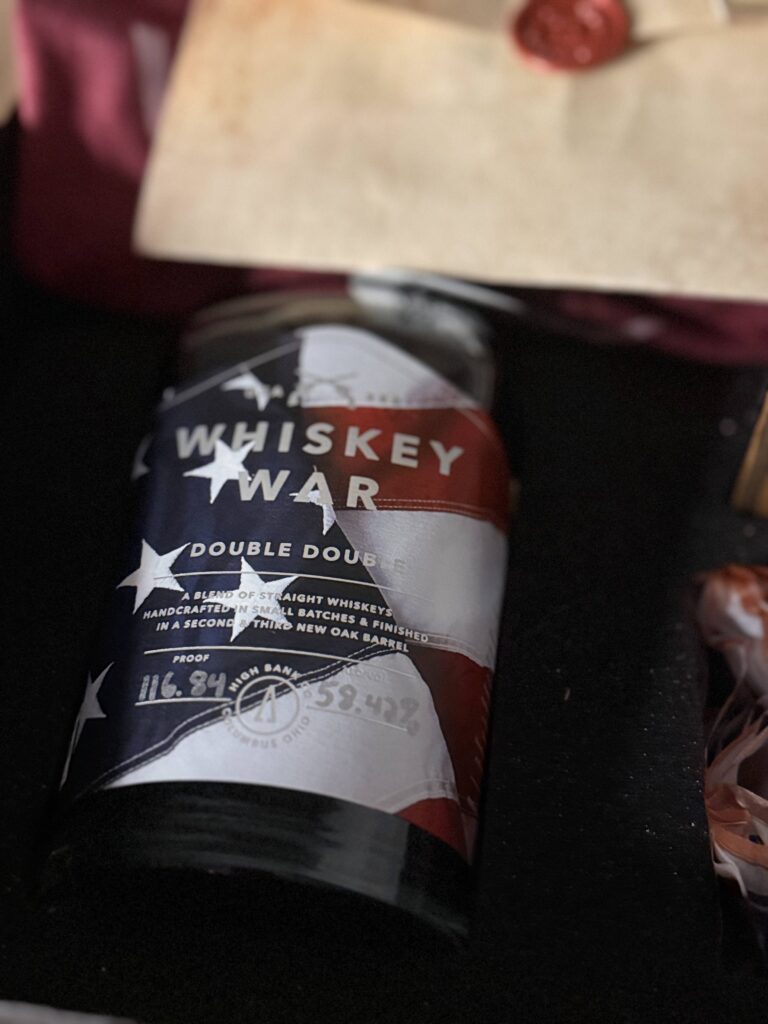
- Proof: 116.84 (58.42% ABV)
- Mashbill: 60% Corn │ 36% Rye │ 4% Malted Barley
- Origin: (Assumed) Ross & Squibb (MGP) — Lawrenceburg, Indiana
- Finish: Triple oaked (Whiskey War Barrel Proof base)
- Release: Limited release, small batch, blended
- MSRP: $99.99 ($109.99 High Banks via Seelbachs)
Tasting Notes
- Nose: The nose opens with M&M’s, Nutella, and warm nutmeg, alongside chocolate-filled croissant and brown sugar barbecue glaze. A distant thread of black pepper adds subtle spice without overpowering the sweeter dessert notes. It stays relatively restrained, offering more of a preview than a full reveal of what’s coming.
- Palate: The palate arrives with a robust, encompassing mouthfeel layered with barrel spice, milk chocolate-covered pretzels, and dark cherries, moving into sweet tobacco. This is where the triple oak influence fully takes over, shaping both structure and depth. Despite the heavy wood impact, it remains only slightly drying and avoids tipping into overt tannic bitterness.
- Finish: The finish oscillates between tobacco spice and chai cinnamon, before settling into dark chocolate, cola, and black tea. Heat sits in the medium-high range with an impressively long linger. A touch of thinness at the back hints at its 6.6-year age, though it ultimately drinks noticeably older than expected.
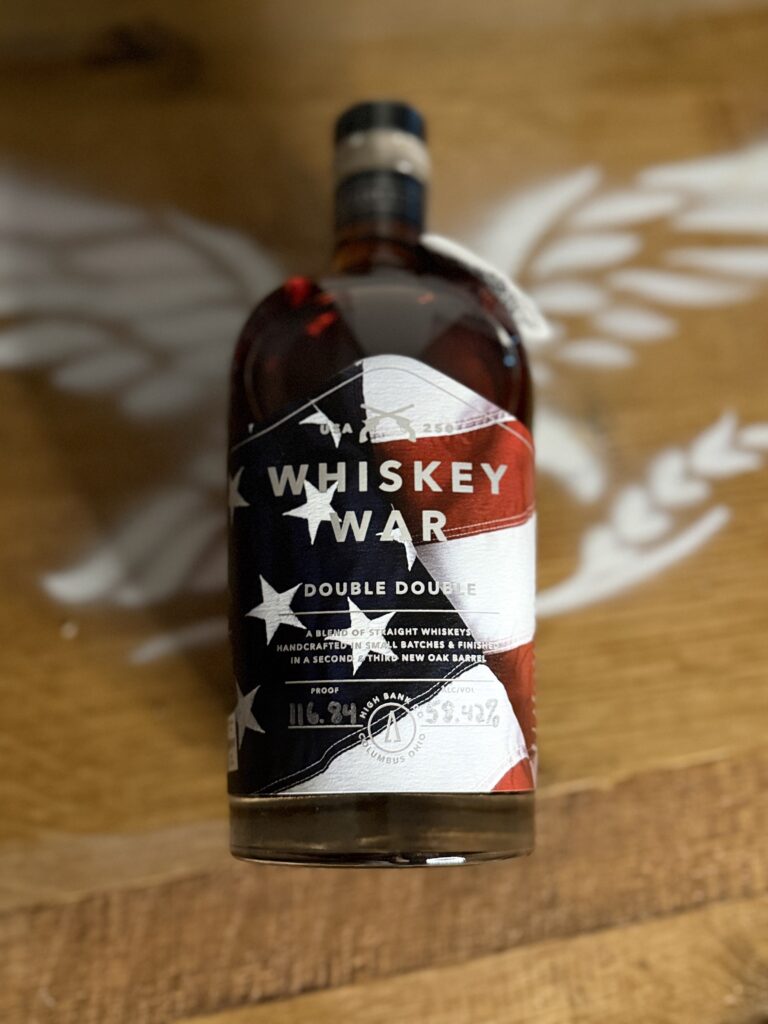
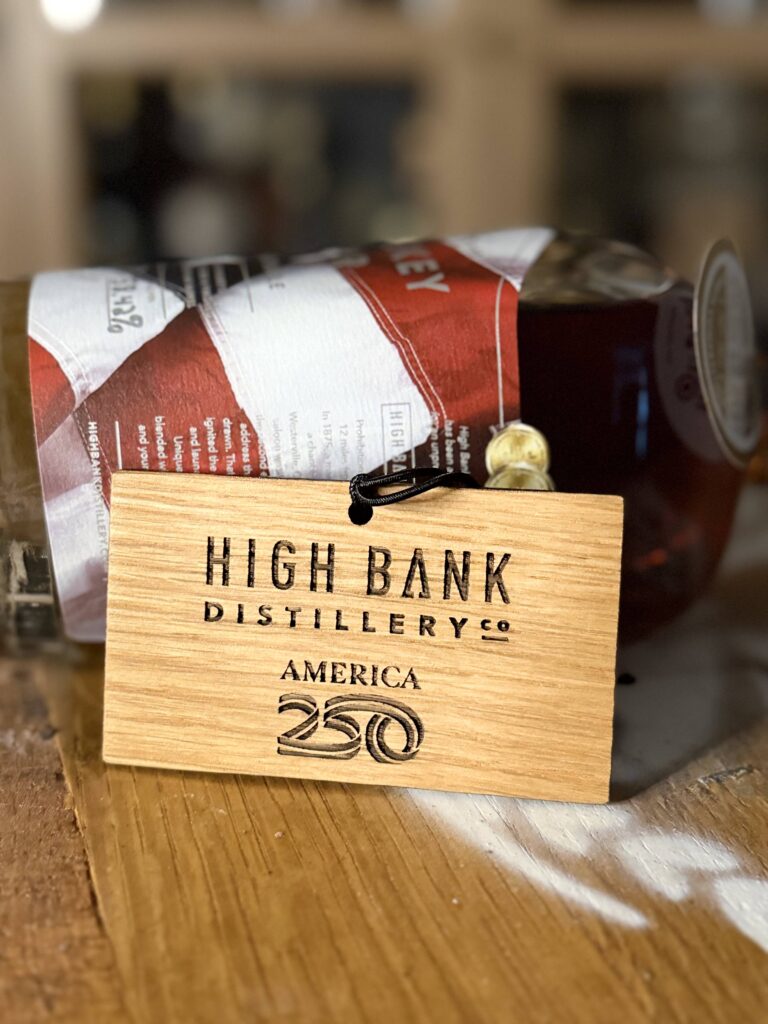
To celebrate the upcoming 250th anniversary of the United States, High Bank Distillery released a patriotic limited edition of its award-winning Whiskey War Barrel Proof. Dubbed the America 250 Release, this expression takes the standard Whiskey War and ages it a second and third time in new oak barrels, creating what is effectively a triple-barreled whiskey designed to push oak influence to its limits.
At 116.84 proof, with a total age statement of 6.6 years and a production run limited to just 1,776 bottles, this sits firmly at the intersection of collector’s bottle and serious whiskey release. The question becomes whether all that additional oak elevates the whiskey—or buries it beneath wood influence.
Fortunately, this lands squarely in the former camp.
Presentation
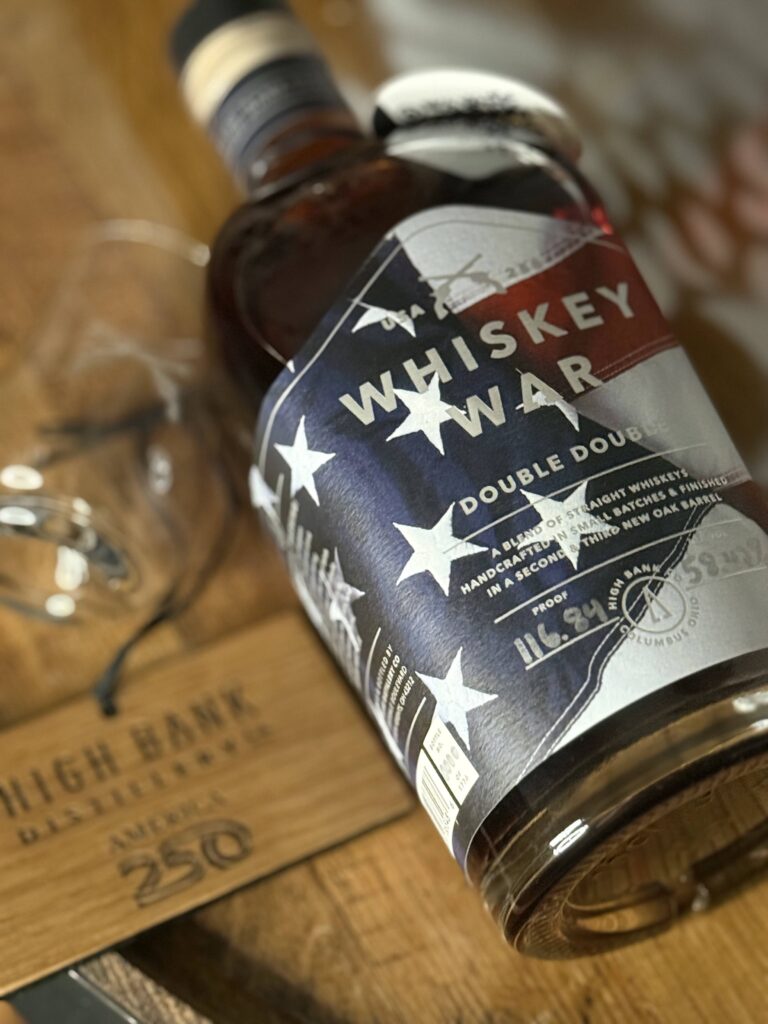
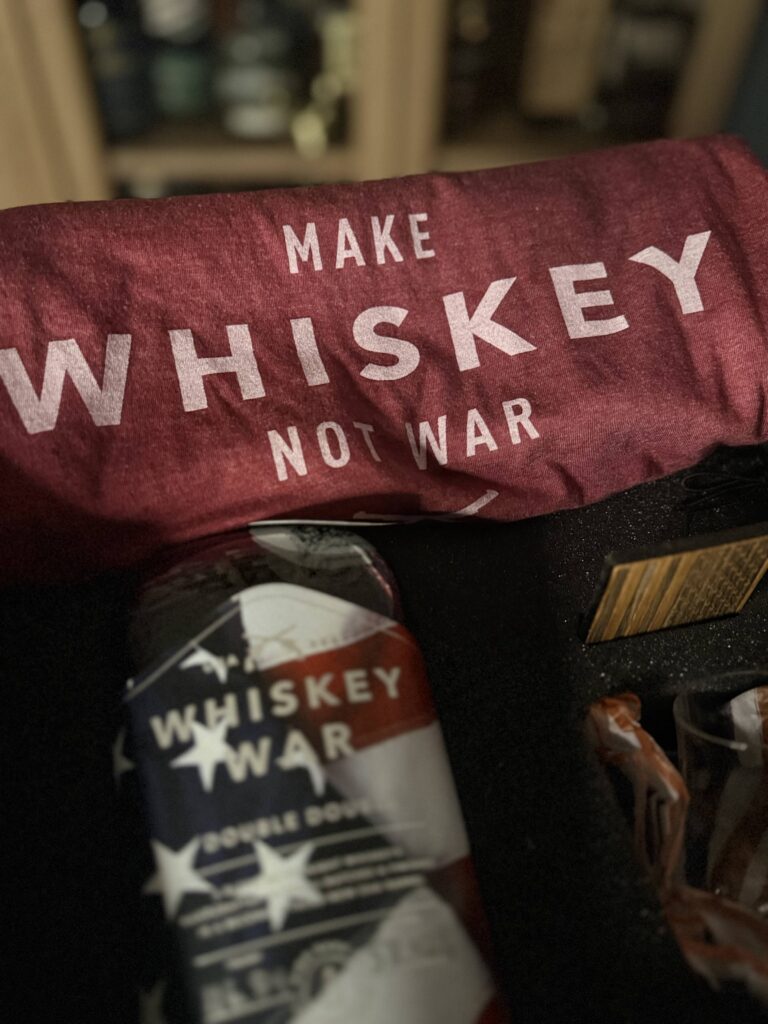
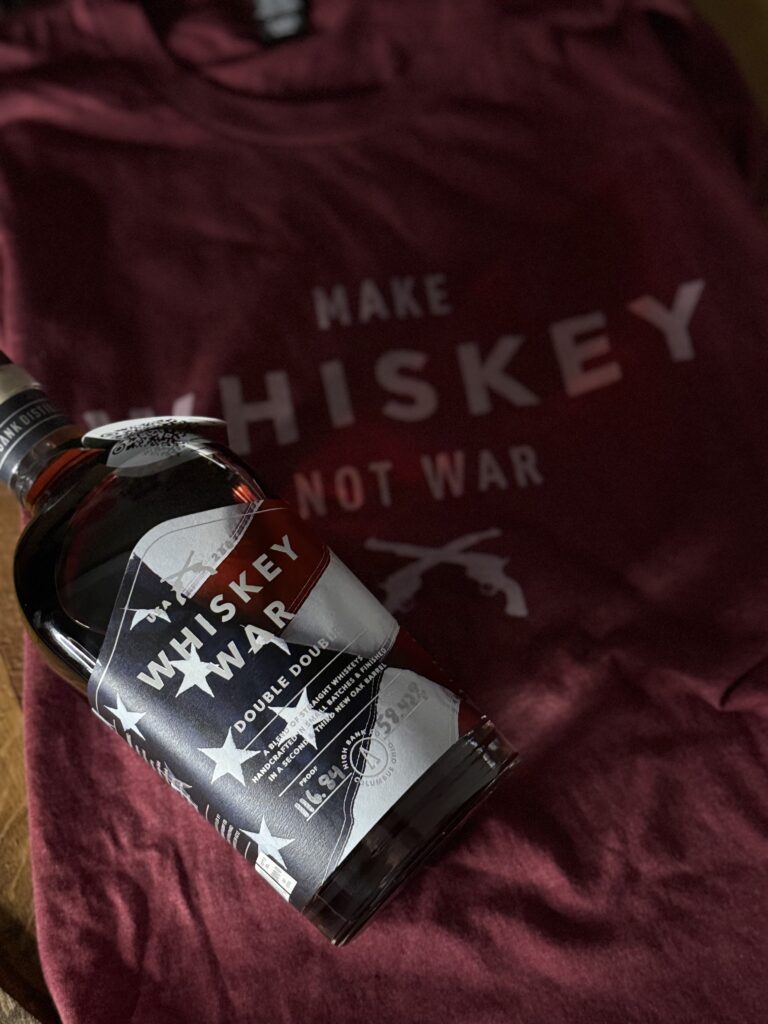
High Bank did a fantastic job elevating the relatively plain but premium Whiskey War Barrel Proof label into something that feels appropriately commemorative. The American flag-inspired design manages to come across as bold and proud without crossing into gimmicky territory—a difficult balance that this bottle strikes well.
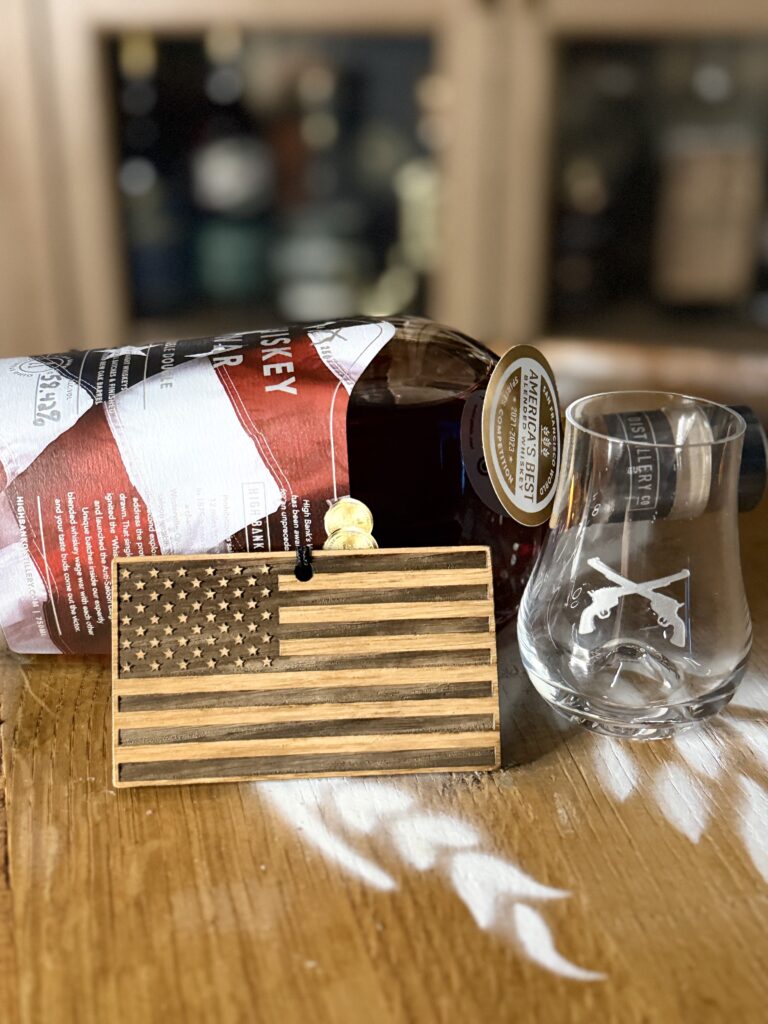
Most consumers won’t experience the media package that accompanied this release, but the included wooden High Bank 250/American flag medallion, “Make Whiskey Not War” shirt, and supporting materials significantly elevated the presentation experience for me personally. While those extras don’t factor into the final score, they deserve recognition as an exceptionally thoughtful care package
Distinctiveness
The triple-oak treatment becomes apparent almost immediately and fundamentally changes the whiskey underneath. Any familiarity with the underlying sourced distillate becomes virtually indiscernible, replaced instead by layers of dark chocolate, tobacco spice, chai tea, and mature oak character.
What stands out most is how convincingly this process ages up the whiskey. Rather than tasting like a barrel-proof whiskey approaching seven years old, this consistently drinks more like a 10 to 12-year-old release, delivering many of the dark, tannic, oak-driven notes that fans of heavily oaked bourbons actively seek out.
“It’s easily one of the standout noses of the year“
Transparency
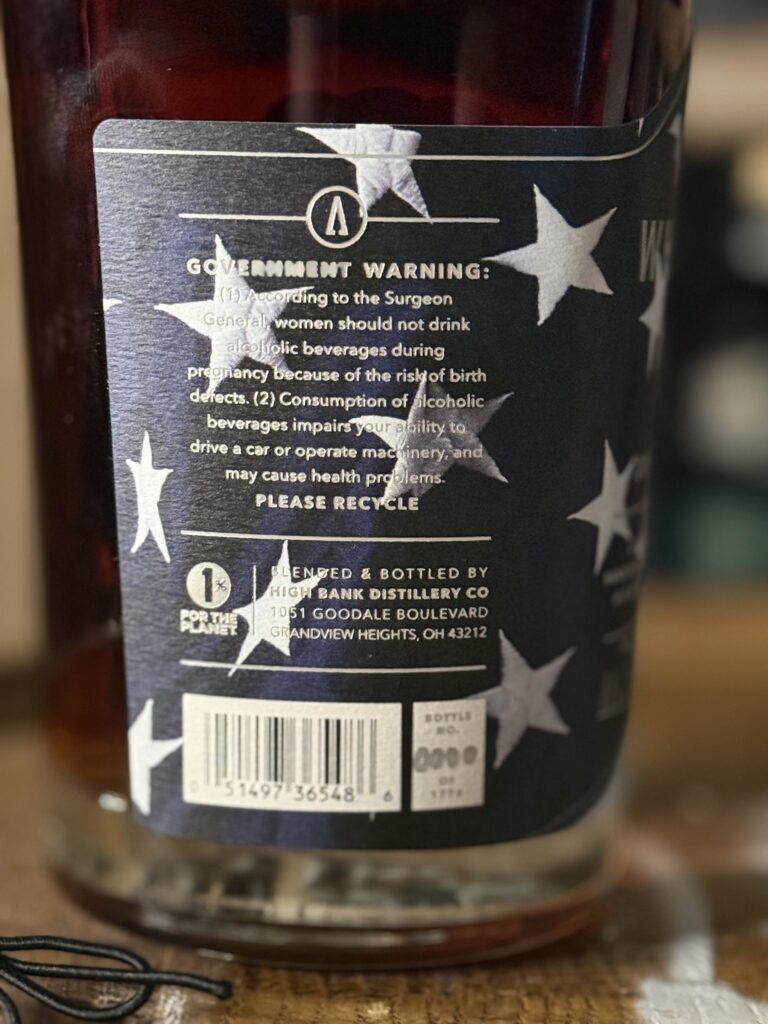
The label states that this whiskey was “blended and bottled by High Bank,” which clearly indicates sourced distillate, though the origin itself goes undisclosed. Online resources widely point toward MGP as the source, but there is nothing on the bottle itself that confirms that information.
At this point in American whiskey, there simply isn’t any shame in openly acknowledging sourced whiskey—especially when the quality of the blending and finishing work stands this strongly on its own merits. At minimum, a simple “Distilled in Indiana” statement on the back label would provide consumers with clarity and avoid creating the impression that this is entirely Ohio-distilled whiskey.
The whiskey doesn’t need the mystery. The liquid speaks for itself.
Value
At $99.99, the value proposition depends heavily on what you’re buying it for.
Viewed strictly as nearly seven-year-old sourced bourbon, the price initially feels steep. However, the triple-barrel maturation process adds meaningful cost and complexity, and finishing work done this successfully easily justifies a premium over standard sourced whiskey.
Factor in the limited release of only 1,776 bottles, the collectible nature of the America 250 packaging, and the substantial transformation achieved through the extra oak influence, and the pricing lands almost exactly where it should for collectors and enthusiasts alike.
Buy if:
- You enjoy double oaked bourbons and want to see that profile pushed even further.
- You appreciate dark chocolate, tobacco, chai spice, and mature oak flavor profiles.
- You collect limited commemorative releases with genuine production constraints.
- You want a whiskey that drinks far older than its age statement suggests.
Skip if:
- You prefer bright fruit-forward bourbons over oak-driven profiles.
- particularly sensitive to barrel spice or tannic oak influence.
- You require full sourcing transparency directly on the bottle.
- You’re looking for the best value per dollar rather than a collectible experience.
Verdict
This is a fascinating example of just how dramatically additional oak maturation can reshape a whiskey. The extra barrel time doesn’t simply add wood influence. It fundamentally transforms the profile into something richer, darker, and considerably older tasting than its 6.6 years would suggest.
For lovers of heavily oaked whiskey, this may be one of the more compelling examples of the style I’ve encountered recently. The nose may undersell what’s coming, but once this whiskey reaches the palate it ramps steadily upward all the way through a long, spice-filled finish that leaves little doubt about its intentions.
For those who prefer numbers, here’s the full score breakdown:
- Nose: 5.4 / 7
- Palate: 5.8 / 7
- Finish: 6.2 / 7
- Presentation: 6.5 / 7
- Distinctiveness: 6 / 7
- Transparency: 4.5 / 7
- Value: 5.5 / 7
Bourbon Bishop Rating: 5.7 / 7 – Divine
Top-shelf. Must-buy for fans of the style.
| Score | Descriptor | Notes |
|---|---|---|
| 0–1 | Hell No | Drain pour. Seriously undrinkable. |
| 1.1–2 | Purgatory | Bad, but could be worse. Only in extreme cases. |
| 2.1–3 | Only Earthly | Just okay. Best used as a mixer. |
| 3.1–4 | Bliss | Passable to Good sipper. Works well in cocktails. |
| 4.1–5 | Angelic | Good to great. Often high value for the price. |
| 5.1–6 | Divine | Top-shelf. Must-buy for fans of the style. |
| 6.1–7 | Holy Heaven | Out-of-this-world. A true unicorn. |
Disclosure: This bottle was provided to me free of charge for review. All opinions are my own.
About High Bank Distillery Co.
High Bank Distillery is rooted in Columbus, Ohio, a city founded in 1812 on the high bank of the Scioto and Olentangy River fork. That name isn’t just branding; it’s a direct nod to place, history, and the elevated ground that shaped the city’s earliest identity.
The distillery’s origin story begins with a chance motorcycle ride through Kentucky and Tennessee, where founder Adam Hines first encountered the world of rickhouses, aging bourbon, and eventually the Jack Daniel’s Distillery. That moment of curiosity became a lifelong obsession with brown spirits and ultimately led to Hines becoming Ohio’s most decorated master distiller and co-founding High Bank.
Today, that same spirit of exploration, craftsmanship, and experimentation runs through every release. From award-winning Whiskey War expressions to experimental oak finishes like this America 250 edition, High Bank continues to build a portfolio defined by ambition, blending skill, and a willingness to push what sourced and finished whiskey can become.

Related Articles
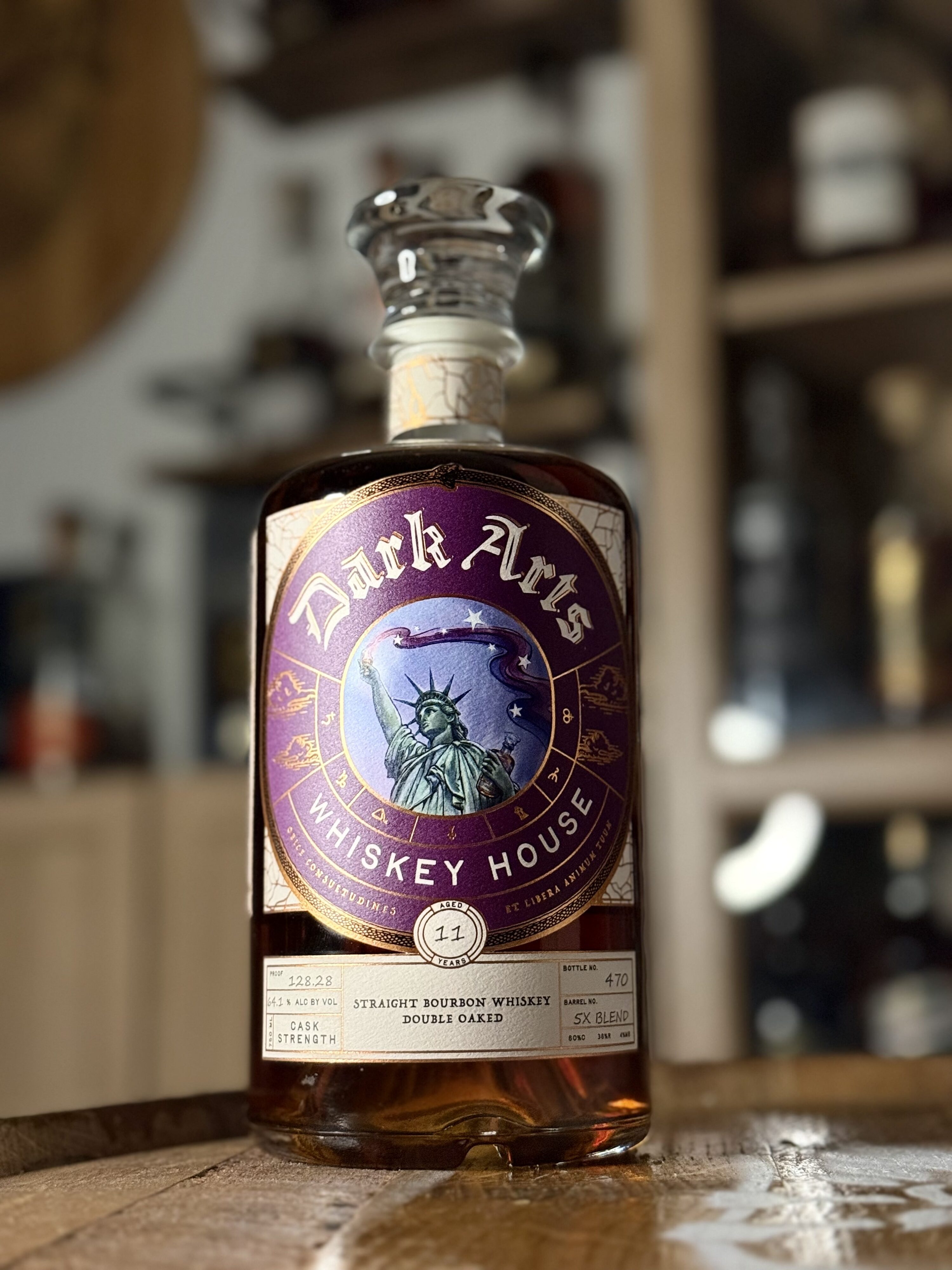
A detailed review of Dark Arts 250th 11-year double oaked MGP blend—bold proof, layered dessert-driven notes, and masterful blending anchored by Macaulay’s precision.
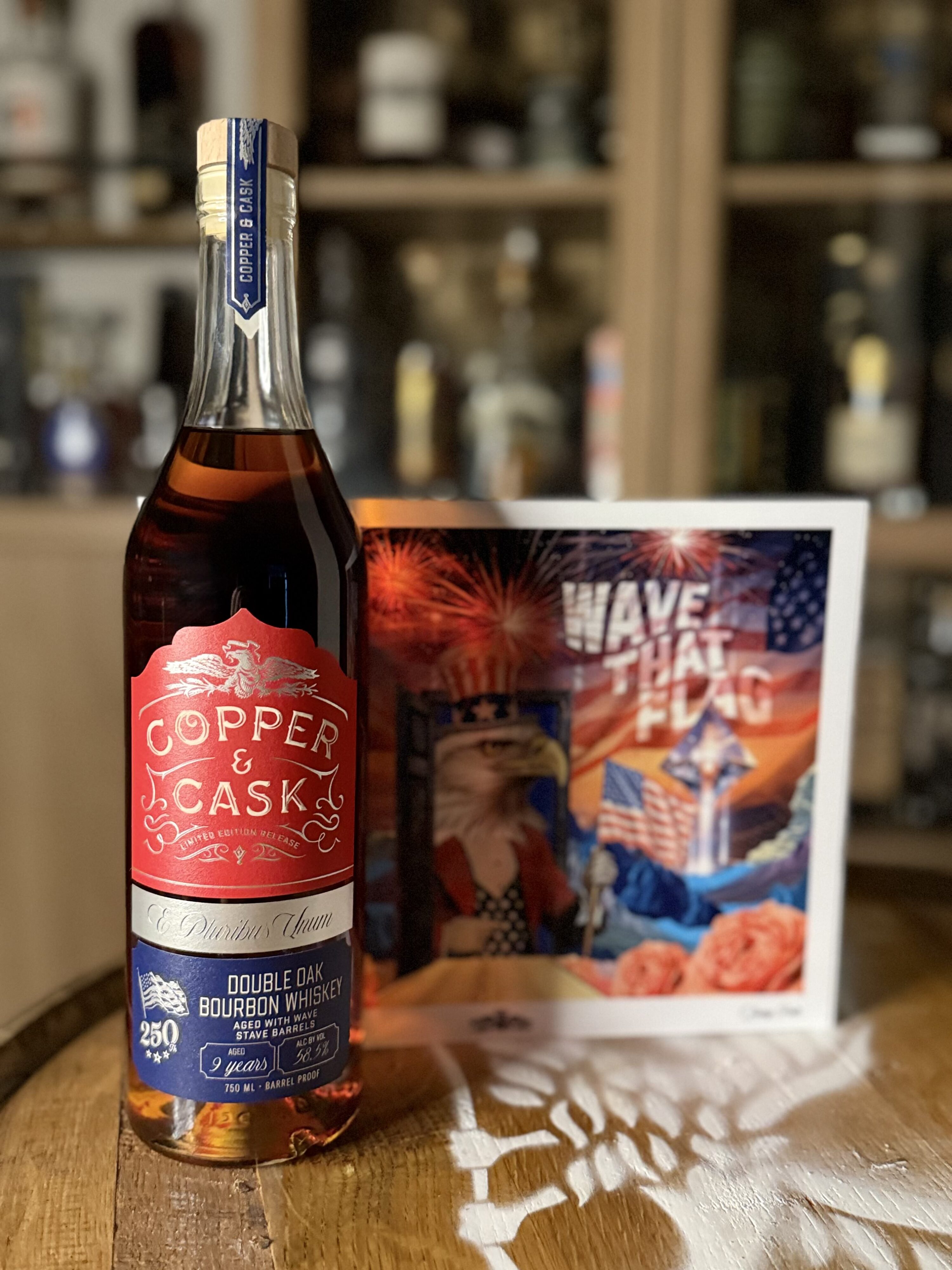
Copper & Cask’s Wave That Flag is a 9-year MGP bourbon finished in ZAK Cooperage Wave Stave barrels and bottled at 117 proof for just $74.99. With deep maple sweetness, chai spice, stunning collector presentation, and veteran support initiatives, it may be one of the best whiskey values of 2026.
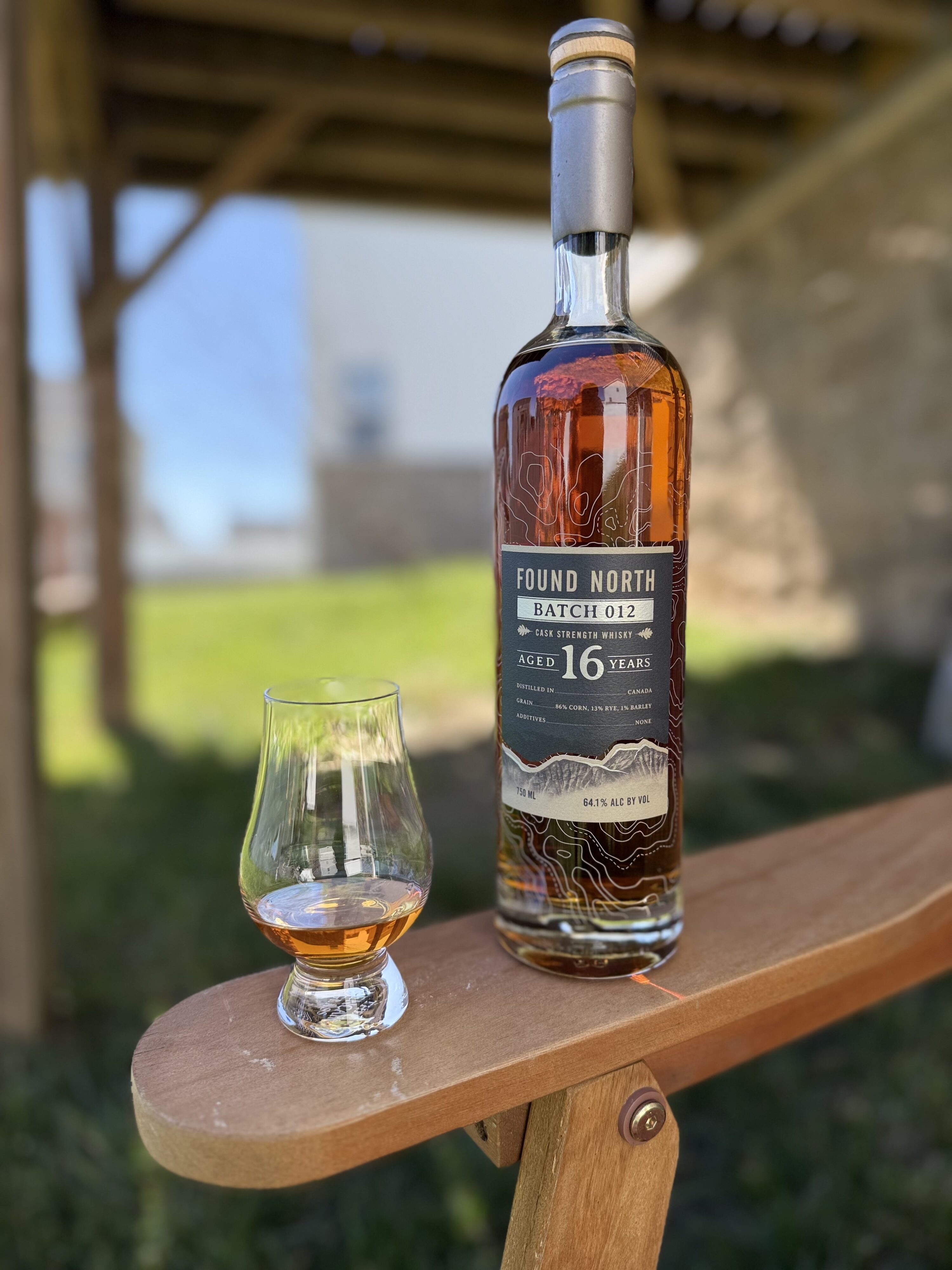
A curated list of 10 whiskies for summer—from easy RTDs and bright small-batch pours to finished drams and bold cask strength sippers for warm nights.
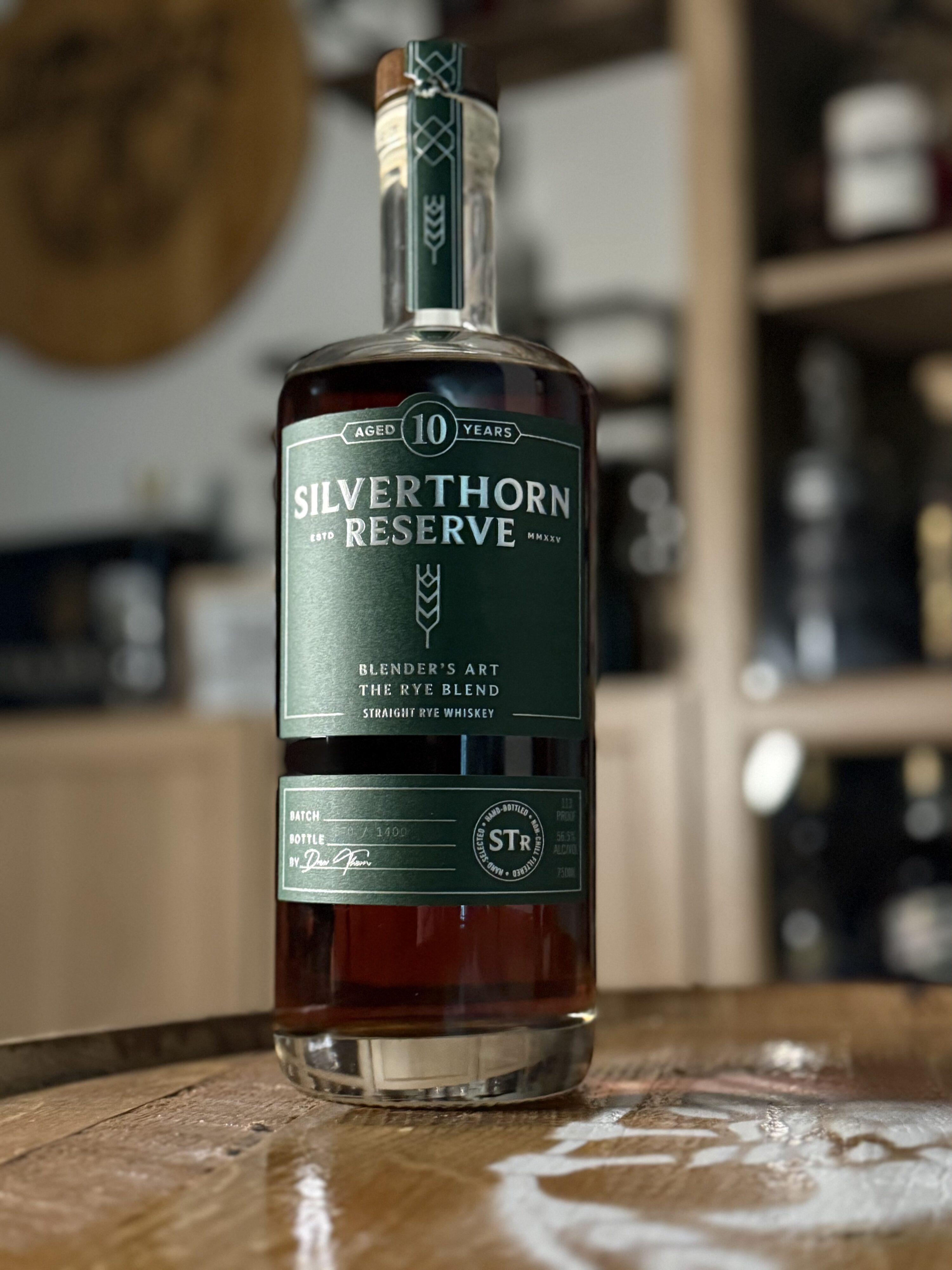
Silverthorn Rye Blend combines multiple mature rye mashbills with double-oaked finishing influence, creating a complex pour full of cinnamon apples, mint, brown sugar, and barrel spice.
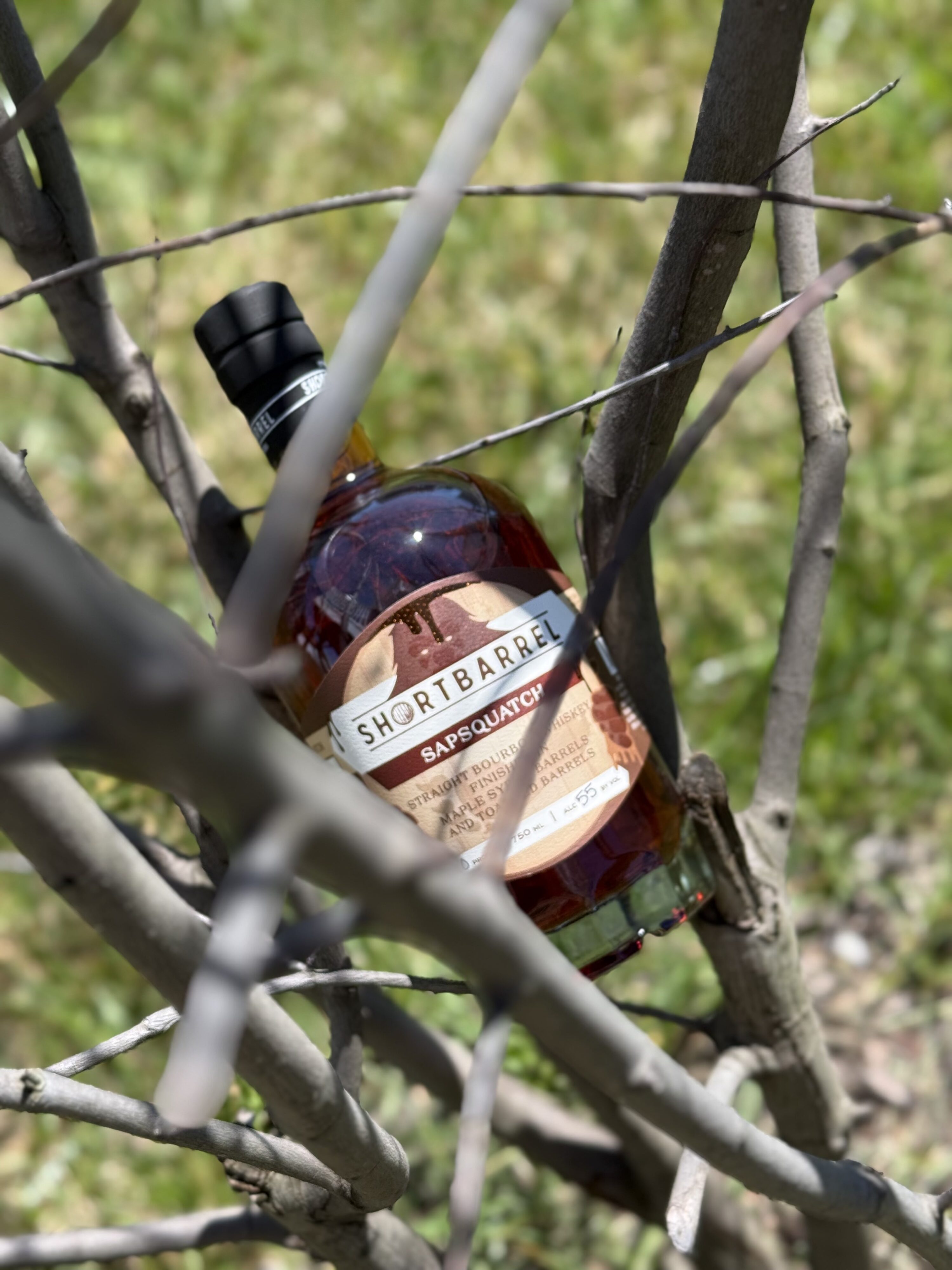
Shortbarrel Sapsquatch combines Kentucky and Indiana bourbon with maple syrup barrel finishing and toasted oak influence. Rich maple, roasted pecans, and warming spice make this one of the most balanced maple-finished bourbons I’ve tried.
Pingback: The 250th Anniversary Whiskey Awards: Three Interpretations of American Oak, Sweetness, and Structure Review | Bourbon Bishop