
Willett’s familiar wheated bourbon gets its first cask-strength expression, with releases planned each spring and fall equinox.
Willett Distillery is bringing one of its most recognizable bourbons to the shelf in a new form: Willett Pot Still Reserve Cask Strength.
Announced September 23, the new expression takes Willett’s small-batch Kentucky Straight Bourbon Whiskey and bottles it at its natural cask strength rather than proofing it down before bottling.
For fans of the standard Pot Still Reserve, the whiskey’s underlying recipe remains familiar. The bourbon is made from a mash bill of 65% corn, 20% wheat and 15% barley and enters the barrel at 115 proof. Because it is bottled at cask strength, the final proof will vary from batch to batch and will be printed on each bottle.
The first release is expected to arrive nationally at a suggested retail price of $67 for a 750 mL bottle. Virginia ABC currently lists the expression at $64.99, with the first bottles appearing through its retail system.
A familiar bottle, with a different kind of pour
Perhaps the most immediately recognizable part of the release isn’t new at all.
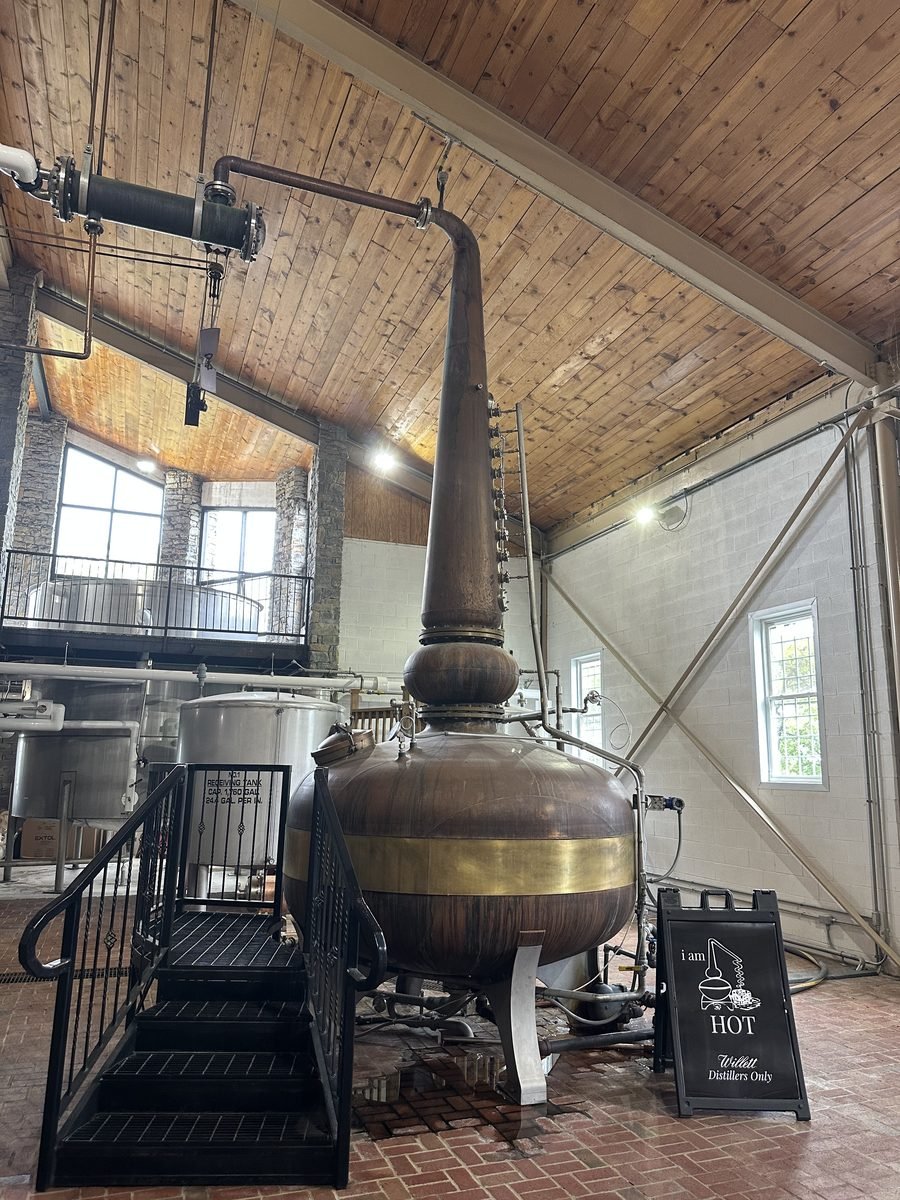
Willett is keeping its distinctive pot still-shaped bottle, a design conceived by the late Even Kulsveen as a replica of the patented Willett pot still built by Vendome Copper and Brass.
That makes the new release something of a bridge between familiar and new: the same iconic presentation and wheated bourbon foundation, but bottled with considerably less intervention between barrel and glass.
Master Distiller Drew Kulsveen described the move as another way for drinkers to experience the Willett wheated mash bill, this time at full proof and with the additional body and intensity that comes with cask-strength bottling.
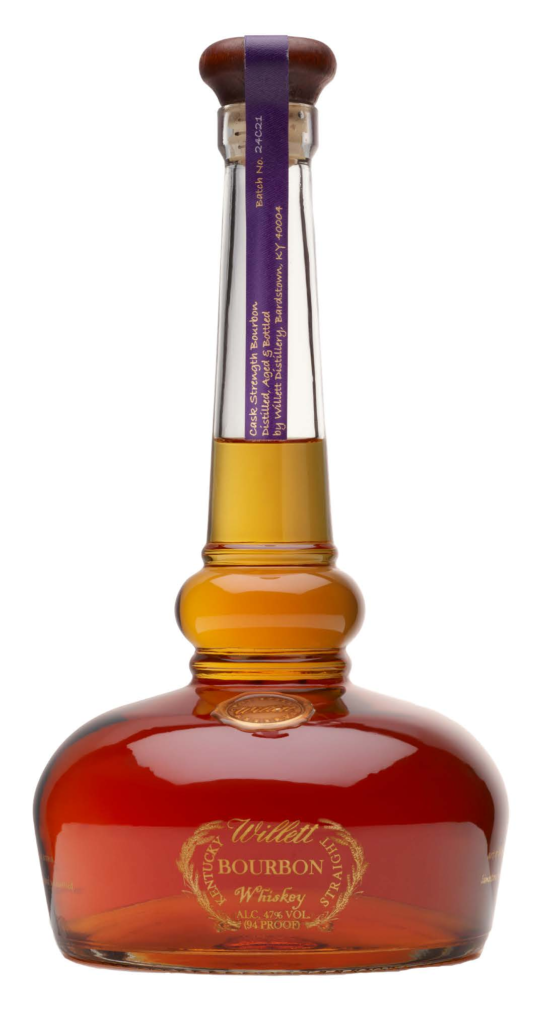
Twice a year, tied to the equinoxes
Willett isn’t treating the cask-strength expression as a one-off limited release.
The distillery plans to release Willett Pot Still Reserve Cask Strength twice each year, timed around the spring and fall equinoxes.
That gives the expression a defined seasonal cadence, with each release carrying its own batch-specific proof.
For bourbon drinkers, that also means the proof itself becomes part of the story. Rather than every bottle arriving at a predetermined strength, each release will reflect the whiskey’s natural proof at bottling.
Drew Kulsveen, Willett Master Distiller” …another way for drinkers to experience the Willett wheated mash bill, this time at full proof and with the additional body and intensity that comes with cask-strength bottling.”
Why This Matters
Willett Pot Still Reserve has long been one of the more recognizable wheated bourbons on the shelf, but cask-strength versions have become an increasingly important part of the bourbon landscape.
This release gives Willett a way to put more emphasis on the whiskey itself without abandoning the visual identity that has become synonymous with the brand.
The twice-yearly release schedule is arguably just as interesting as the whiskey’s proof. If Willett maintains the format, drinkers will have recurring opportunities to compare releases over time rather than simply chasing a single one-off batch.
And at a suggested retail price of $67, Willett is positioning the new expression well below the pricing attached to many of today’s highly allocated cask-strength bourbons.
The question now is what those batch-to-batch proof differences will mean in the glass and whether the added proof brings enough additional character to make Pot Still Reserve fans reach for this version instead.
Bourbon Bishop Bottom Line:
Willett isn’t reinventing Pot Still Reserve here. It’s giving a familiar bourbon a more direct route from barrel to bottle. That makes this one worth watching.
The combination of Willett’s wheated mash bill, natural cask strength and twice-yearly release schedule gives bourbon drinkers something that can actually be followed over time. If the whiskey delivers the balance Willett is known for while taking advantage of the additional proof, this could become an interesting new regular in the lineup rather than simply another cask-strength bottle chasing attention.
And at around $67 suggested retail, this is one I’ll be interested to get into the glass.
About Willett Distillery
Willett Distillery is a family-owned and operated Kentucky bourbon and rye distillery based in Bardstown, Kentucky. The Willett name dates back to the 1930s, when Thompson Willett founded the distillery with his father, John David Willett. Today, the fourth generation of the family continues that tradition, with Master Distiller Drew Kulsveen overseeing the distillery’s whiskey production.
Willett is perhaps best known for its distinctive pot still-shaped bottles and a portfolio that includes wheated bourbons, rye whiskeys and highly sought-after single-barrel and limited releases. The distillery returned to distilling its own bourbon in 2012, allowing the family to once again control the whiskey-making process from grain through maturation and bottling.
Located on the historic Willett family property in Bardstown, the distillery continues to balance its long Kentucky heritage with a willingness to experiment with different mash bills, barrel finishes and expressions, including the new Willett Pot Still Reserve Cask Strength.
Related Articles
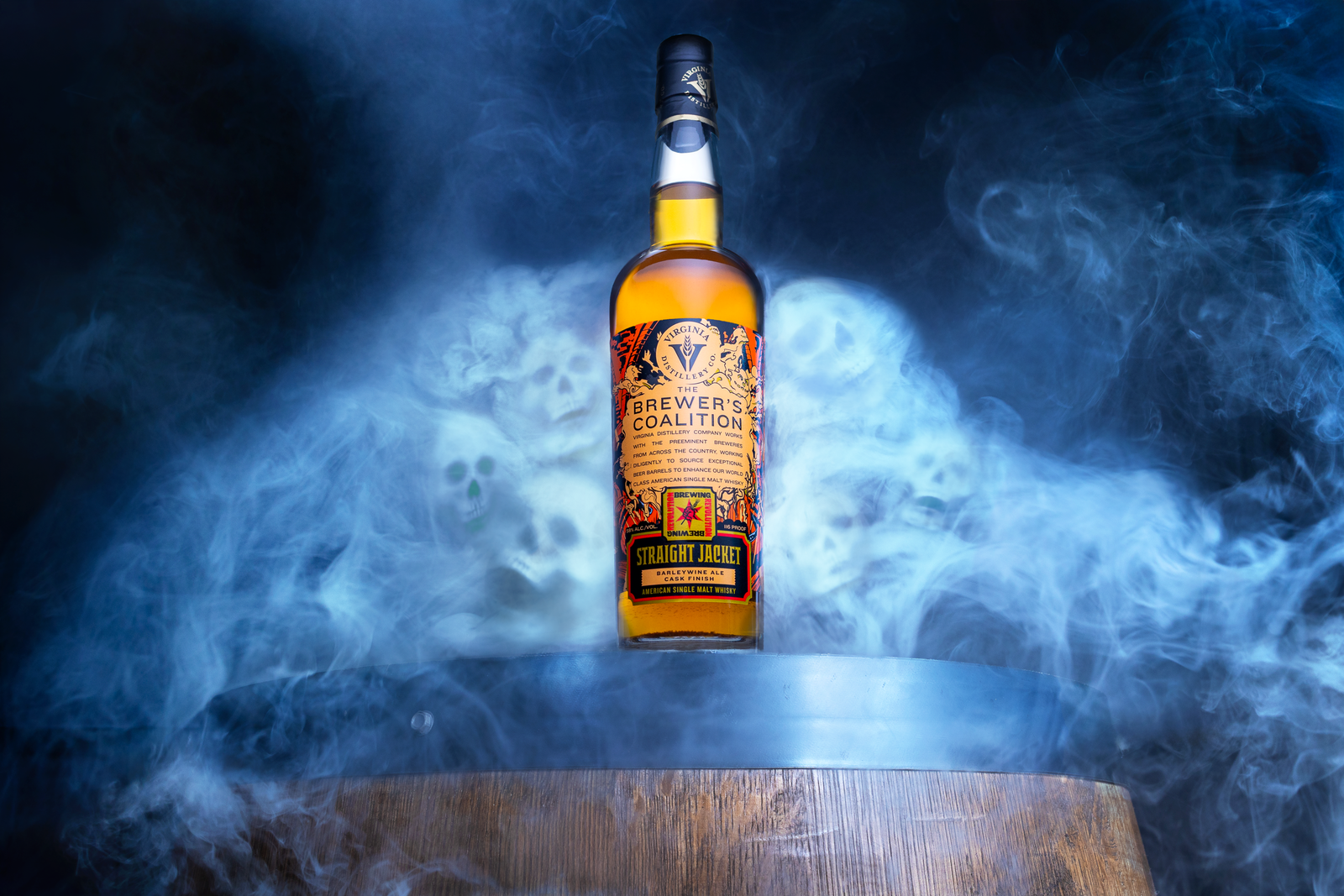
Virginia Distillery Co. expands The Brewer’s Coalition with two limited American Single Malts finished in Black Tuesday stout and Straight Jacket barleywine casks.
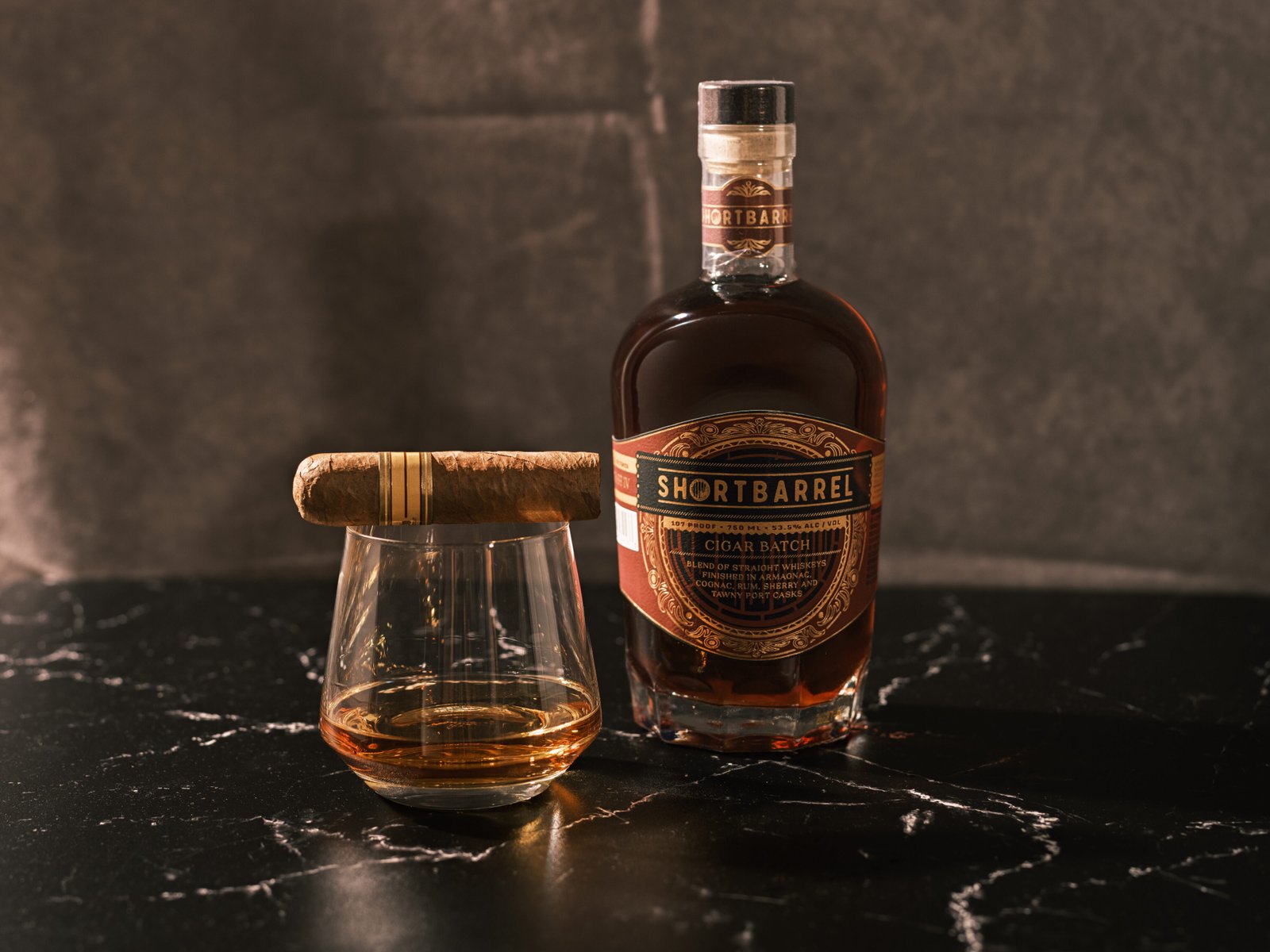
Shortbarrel Cigar Batch #4 blends mature American whiskey finished in 50+ casks, including Armagnac, Cognac, rum, Port and Sherry.
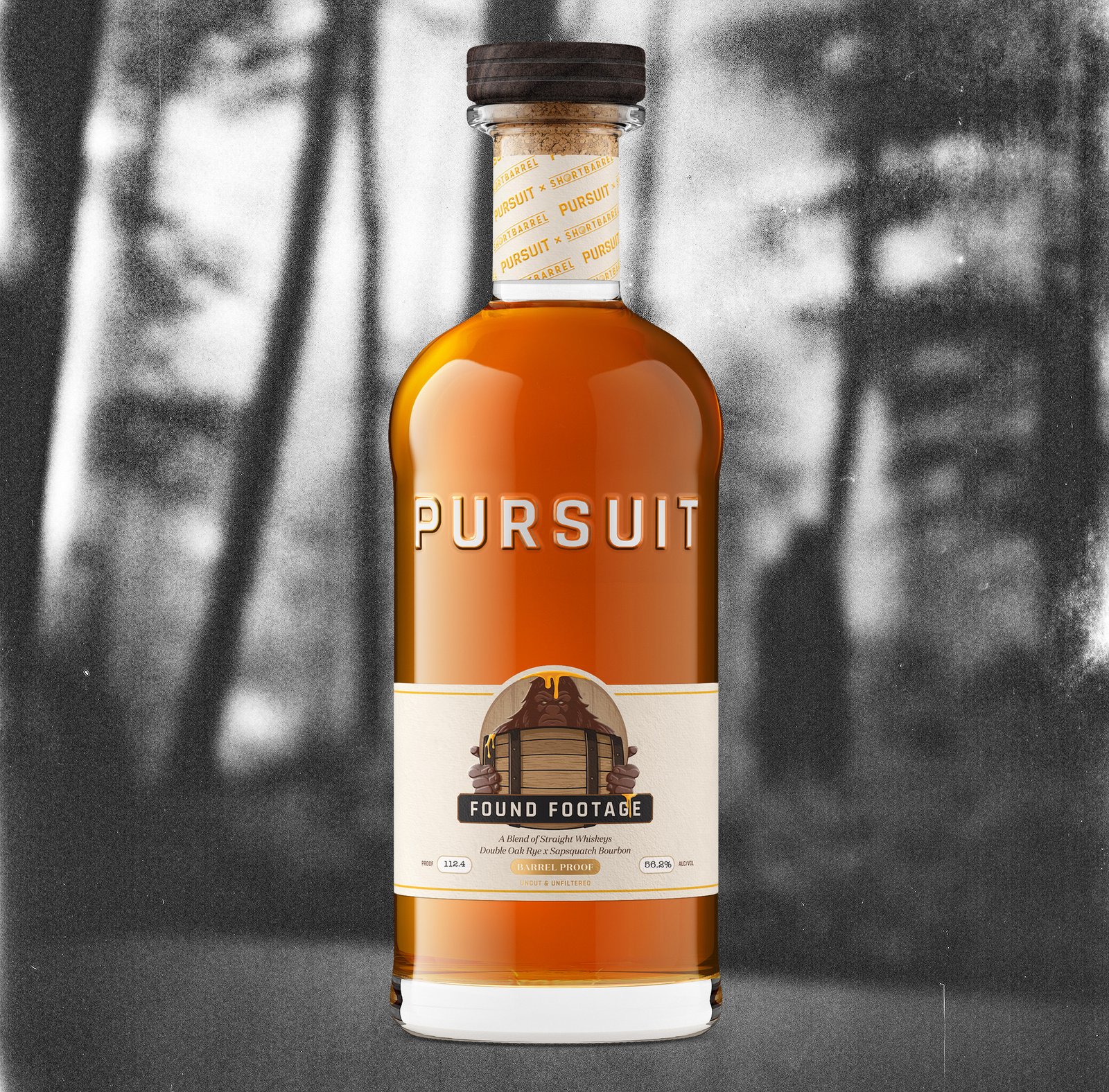
Pursuit Spirits and Shortbarrel announce Found Footage, a 112.4-proof bourbon and rye collaboration launching September 11 at the Kentucky Bourbon Festival.
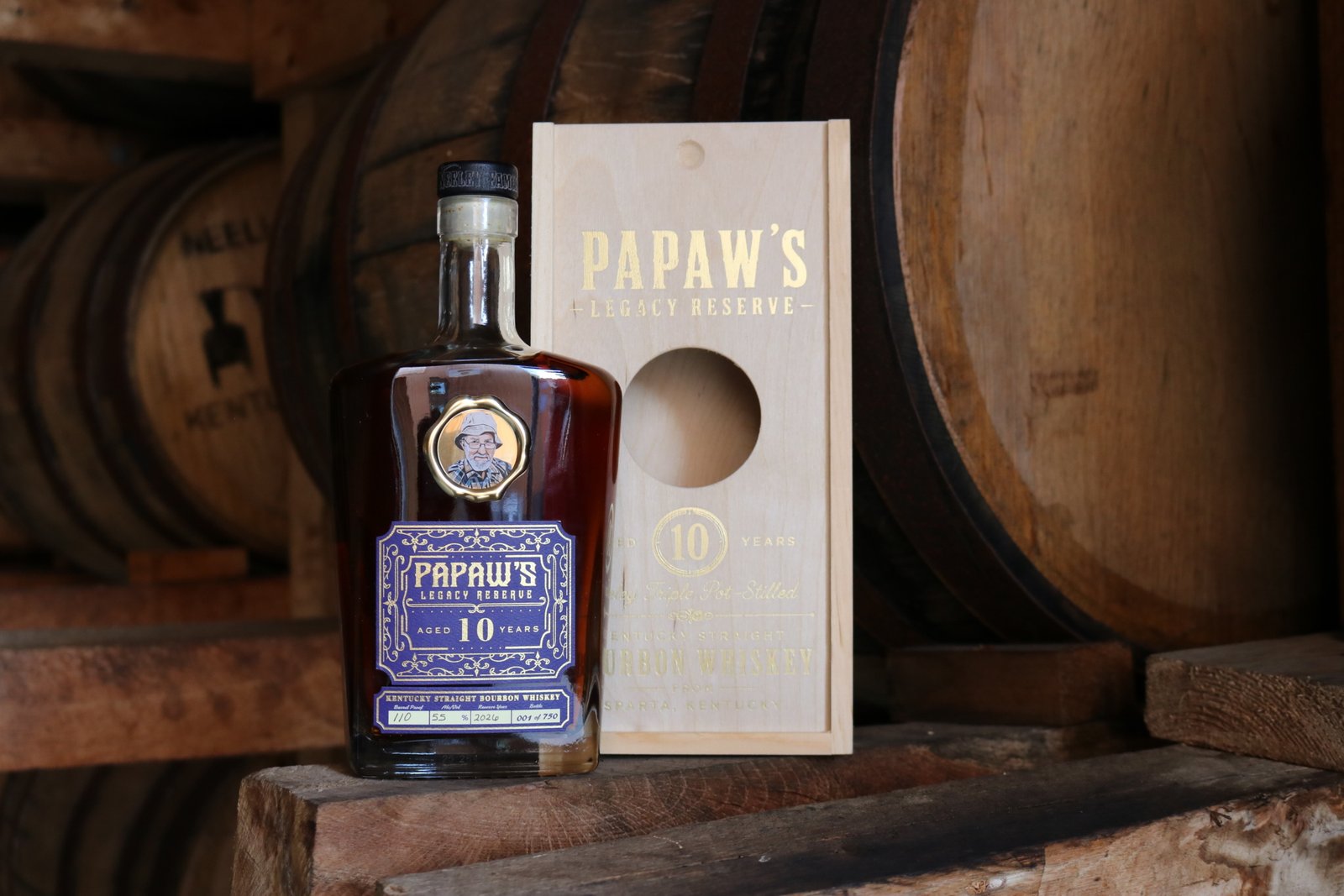
Neeley Family Distillery introduces PaPaw’s Legacy Reserve, a 10-year, 110-proof triple pot-stilled bourbon honoring Royce Neeley’s grandfather.
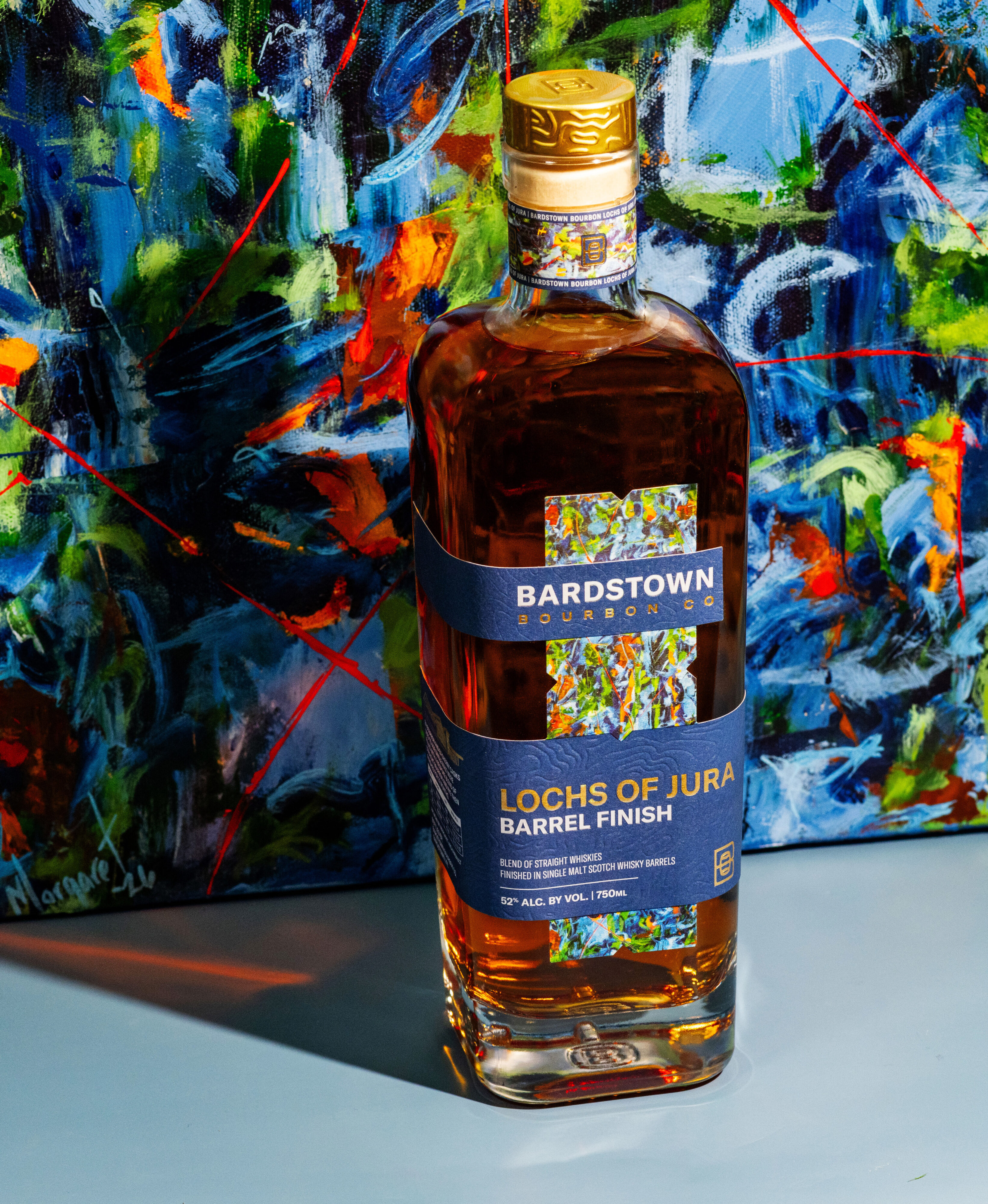
Bardstown Bourbon Company announces 2026 Discovery and Lochs of Jura Barrel Finish, two limited releases arriving nationwide August 21 at $139.99.
Confused by whiskey terms like small batch, bottled in bond, NDP, cask strength, or mash bill? Here’s a plain-English whiskey dictionary that defines common whiskey words and actually makes sense.