
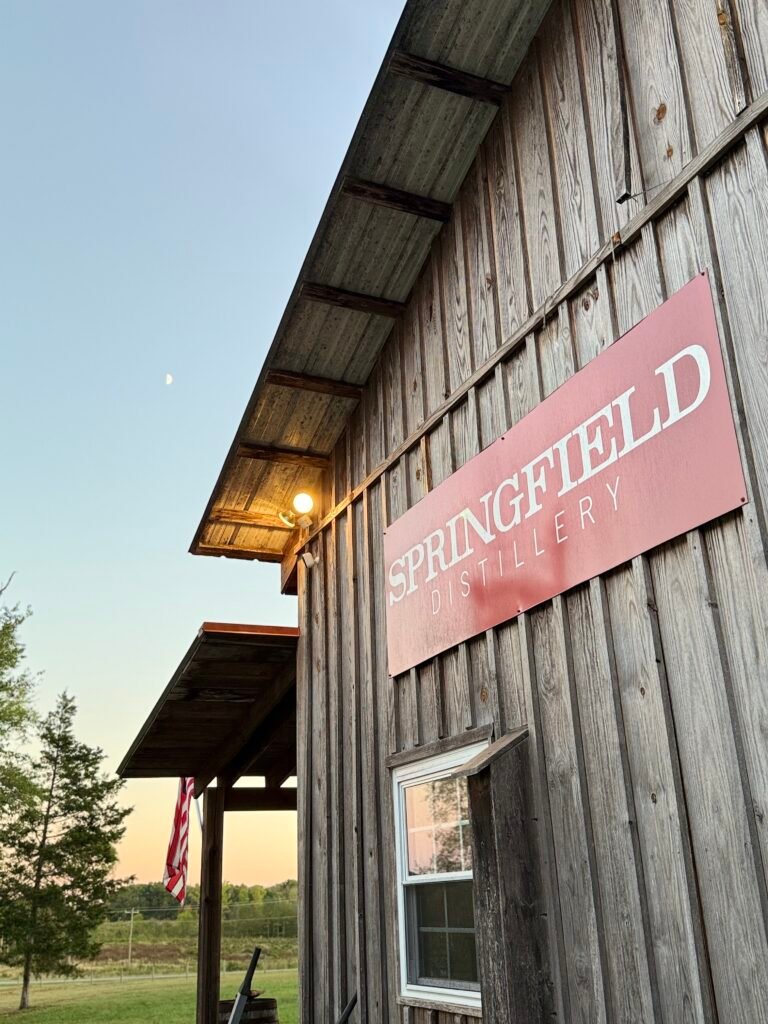
Halifax, Virginia | A family-owned craft distillery where locally sourced spirits, thoughtful hospitality, and a welcoming sense of place come together in the woods of Southern Virginia.
Part of a Bigger Southwestern Virginia Spirits Project
I’m working with Virginia Spirits on an ongoing project to shine a light on the craft distilleries of Southwestern Virginia, helping more people discover the people, places, and spirits that make this corner of the Commonwealth special.
A gravel road, a canopy of pine trees, a little Virginia countryside, and a distillery that feels more like someone’s home than a place of business. That’s Springfield Distillery.
Tucked away among the pine trees of south-central Virginia, it’s the kind of place where the whiskey is only part of the experience. There’s a warmth to the property, to the people who walk through its doors, and to the community that Kelly and James Gordon have built over the years.
The second stop on my Southwest Virginia whiskey trail took me a little farther south and east than the name of the trail might suggest, but sometimes the best discoveries are the ones that take you a little off course. And this one reminded me that a great distillery isn’t just about what’s in the bottle. It’s about the people who bring it to life.
From the moment I arrived, this was the impression I kept coming back to: Springfield feels like home.
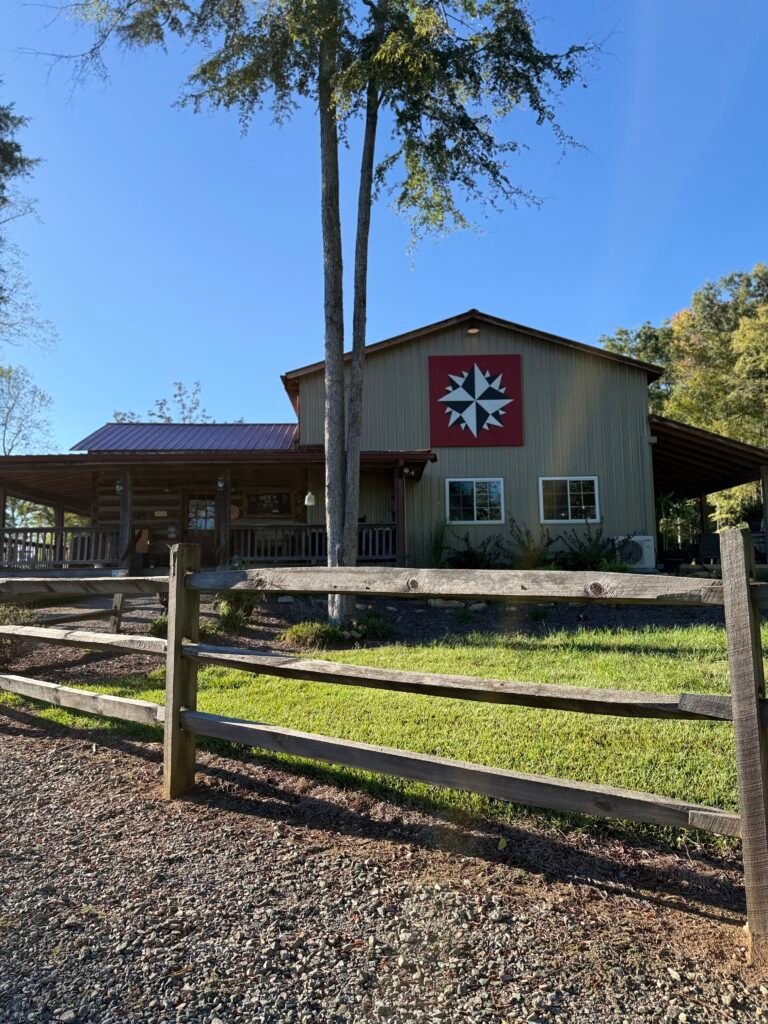
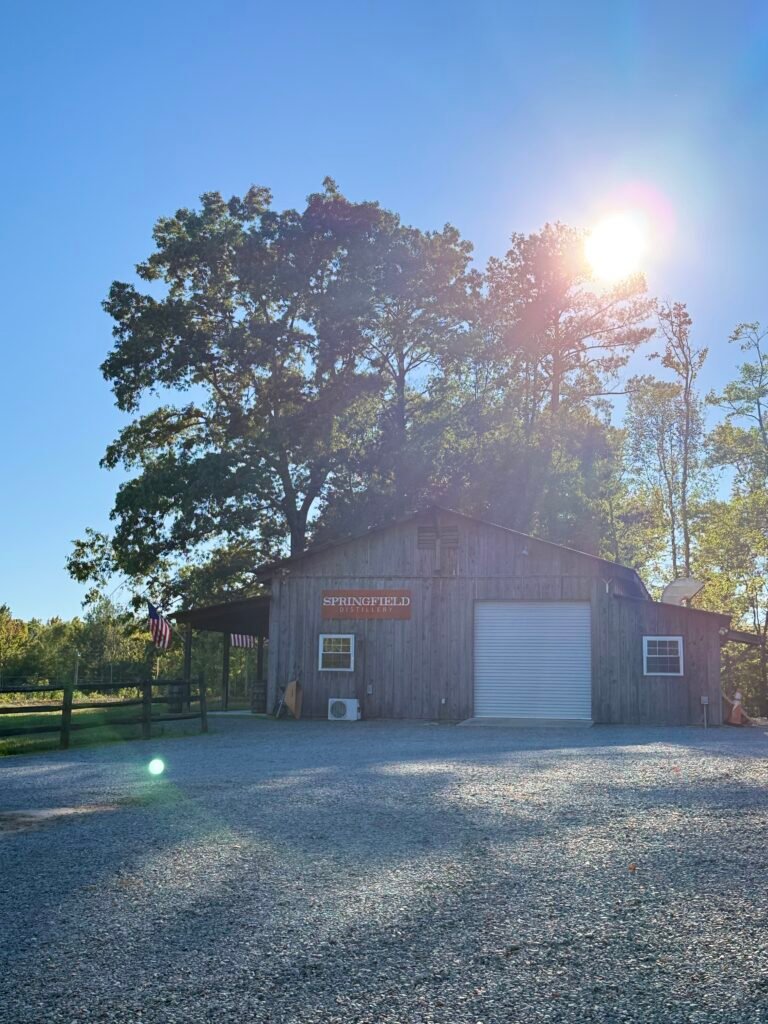
- Distillery: Springfield Distillery
- Location: 9040 River Road, Halifax, Virginia 24558
- Opened: 2016 (founded in 2014)
- Known for: Virginia-sourced bourbon, port-finished whiskey, SCRATCH flavored whiskeys, and an expansive lineup of handcrafted spirits
- Hosted by: Kelly Gordon, Owner and Co-Founder
From a Historic Home to a Virginia Craft Distillery
The Springfield story begins with a property and a vision for something a little different.
The historic Springfield house dates to 1842, while the community itself traces its roots to 1799. Kelly and her husband, James Gordon, found their way to this property with the intention of creating a home and a place where they could build something together. James, whose father was among the early licensed distillers in South Africa, brought a family connection to distilling, while Kelly brought the passion and drive to turn that interest into a business.
The distillery was founded in 2014 and began operating in 2016. What started as a much smaller operation has gradually expanded into a working craft distillery with an impressive tasting room, a growing portfolio of spirits, and overnight accommodations.
Kelly remains at the center of the operation, overseeing the business and its direction. Their son, Mason, has spent approximately eight and a half years of his decade with the operation working as its distiller. That family involvement is evident throughout the property.
Springfield isn’t trying to be a sprawling destination distillery. It has grown organically, and that sense of ownership and personal investment comes through in the details.
A Distillery Rooted in Local Ingredients
One of the more interesting aspects of Springfield is its approach to sourcing.
Their SCRATCH line is where the operation’s grain-to-glass philosophy is most evident. The goal is to source ingredients within roughly a three-county radius, with approximately 80% of their ingredients coming from local sources. That includes a focus on Virginia-grown agricultural products and the resources available in the surrounding area.
It’s a meaningful commitment for a small distillery, particularly one working to offer such a broad variety of products.
Not everything in the lineup is distilled on-site, and Kelly is refreshingly open about that distinction. Their vodka, for example, is sourced as a corn-based spirit at 190 proof before being proofed down using Springfield water. Their River Road Rye is sourced as well, rather than being presented as an estate-produced whiskey.
I appreciate that kind of transparency. A small distillery doesn’t have to make everything from scratch to offer something worthwhile, and being straightforward about what is made in-house versus sourced is part of building trust with the customer.
Their own bourbon and SCRATCH products give visitors a look at what the distillery is capable of producing, while the sourced offerings allow them to round out the selection.
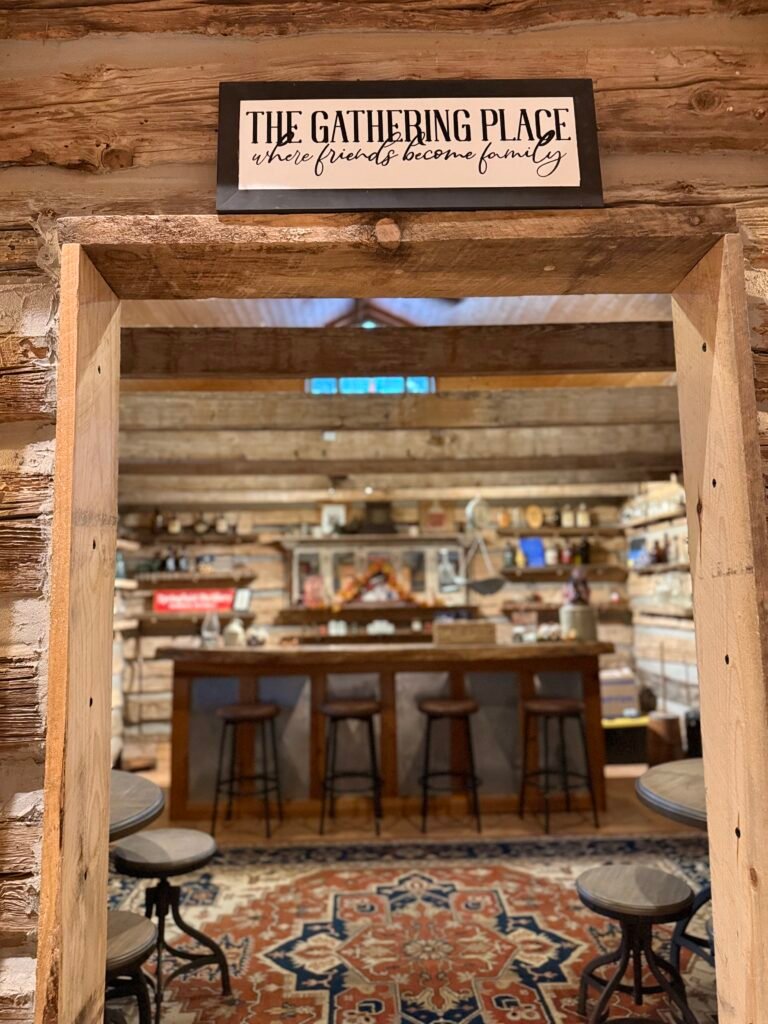
Inside the Springfield Tasting Room
The tasting room is one of Springfield’s biggest strengths.
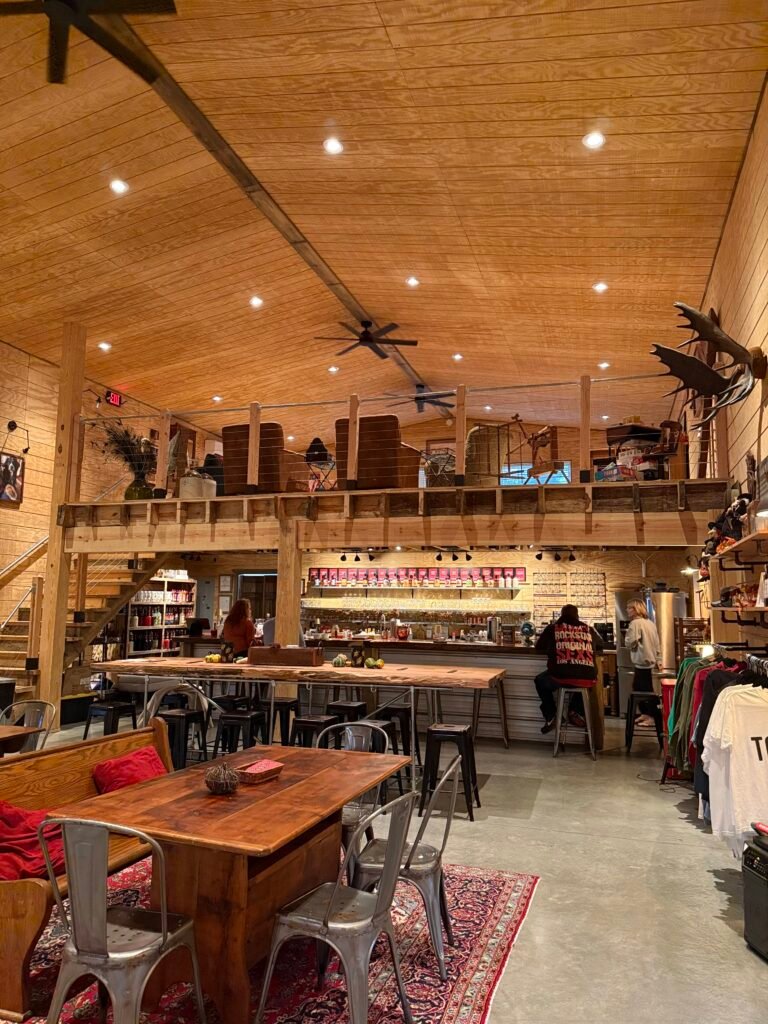
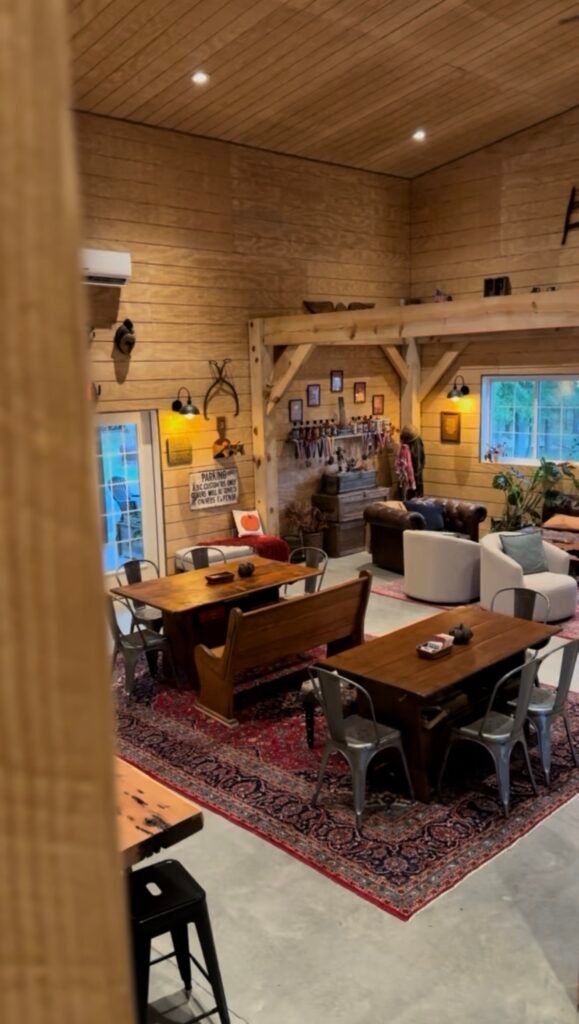
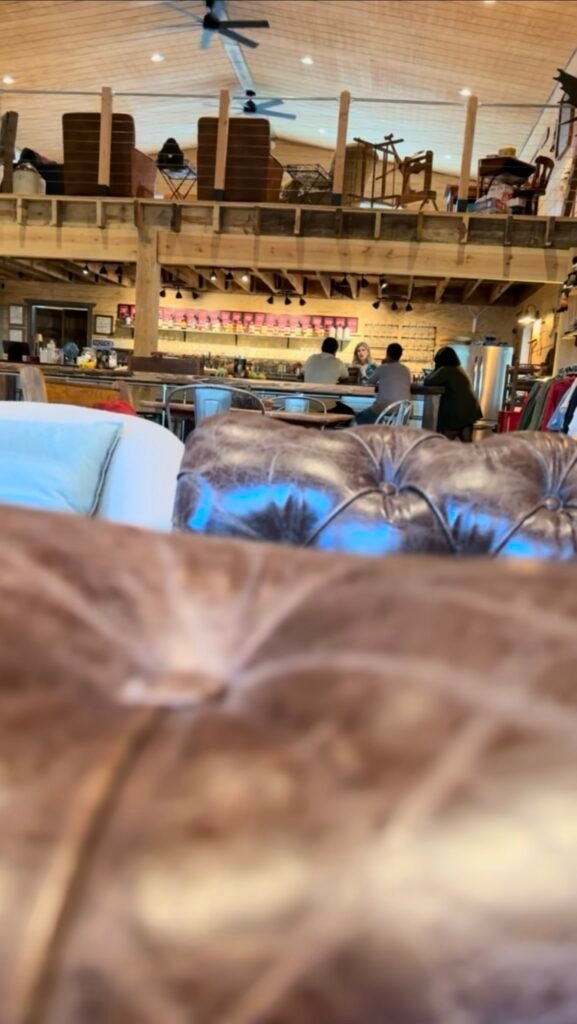
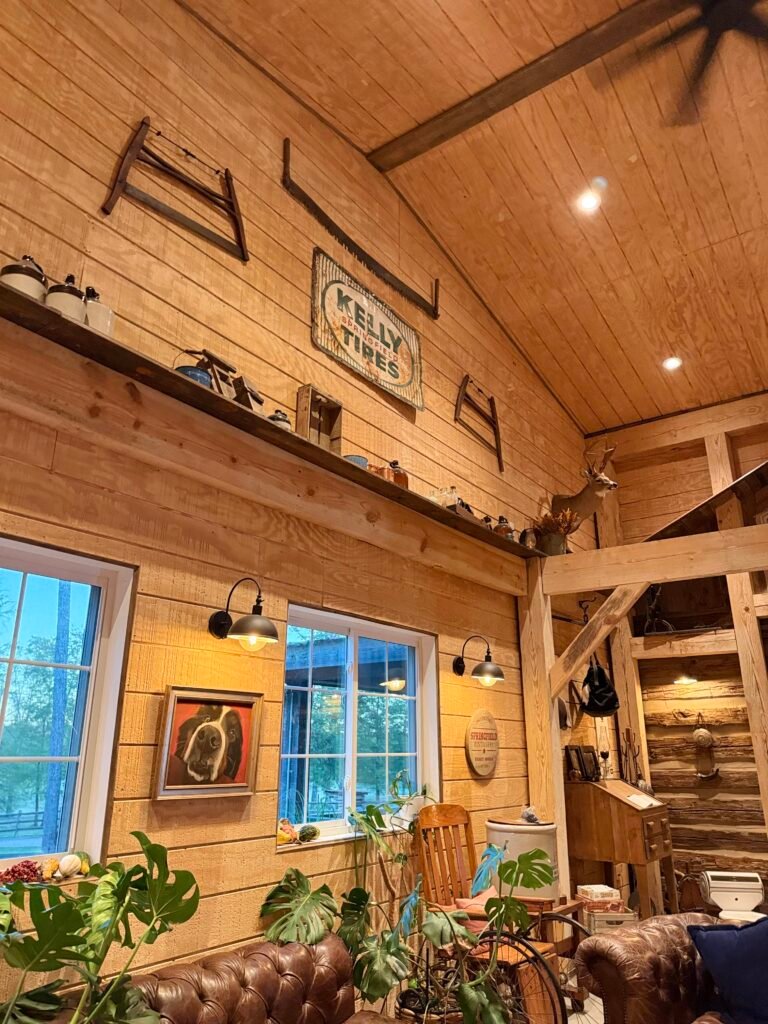
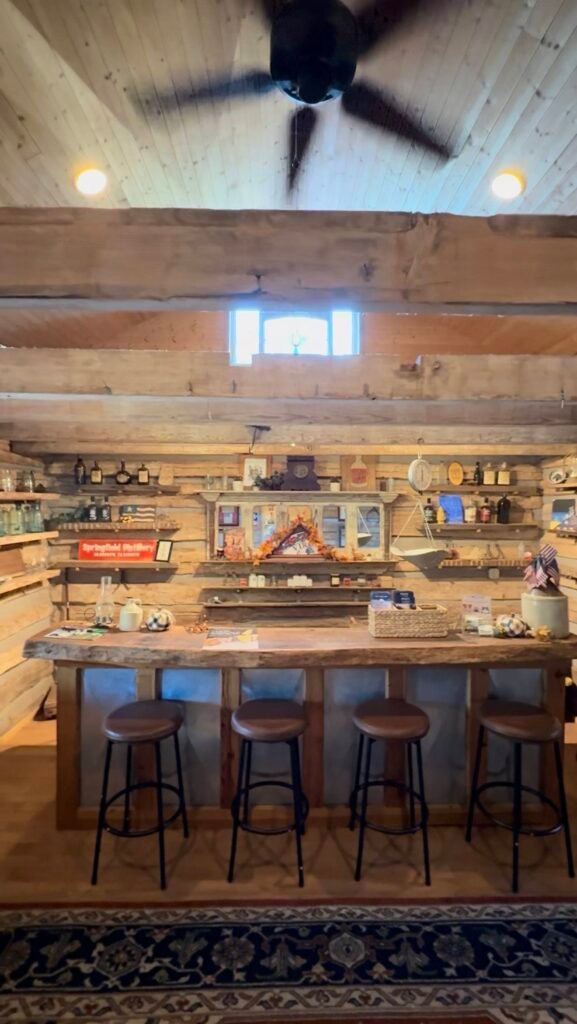
The original small cabin tasting space has been expanded into a much larger rustic barn-inspired environment. The combination works particularly well. You have the character of the original structure, the warmth of exposed wood and old barn-style rafters, and an upstairs loft that adds another layer to the space.
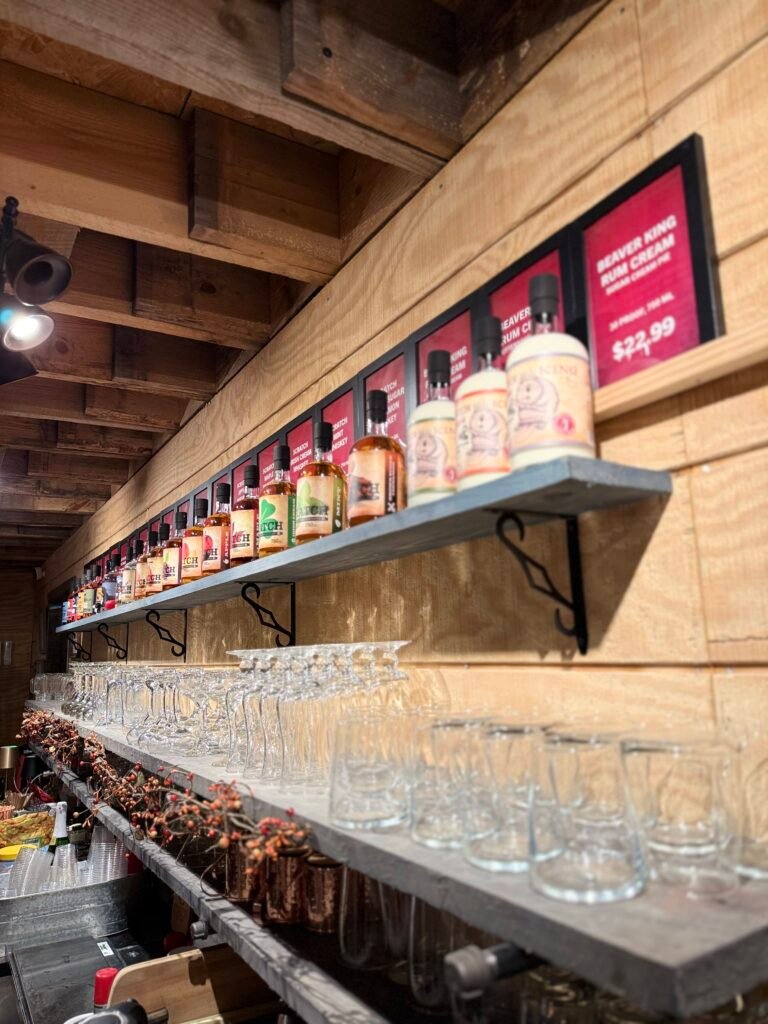
There is plenty of seating, vintage decor, antique bottles and decanters, and the sort of farmhouse details that make the room feel collected over time rather than decorated from a catalog.
It’s comfortable without feeling overly polished or manufactured. You can picture someone spending an entire afternoon here without feeling rushed.
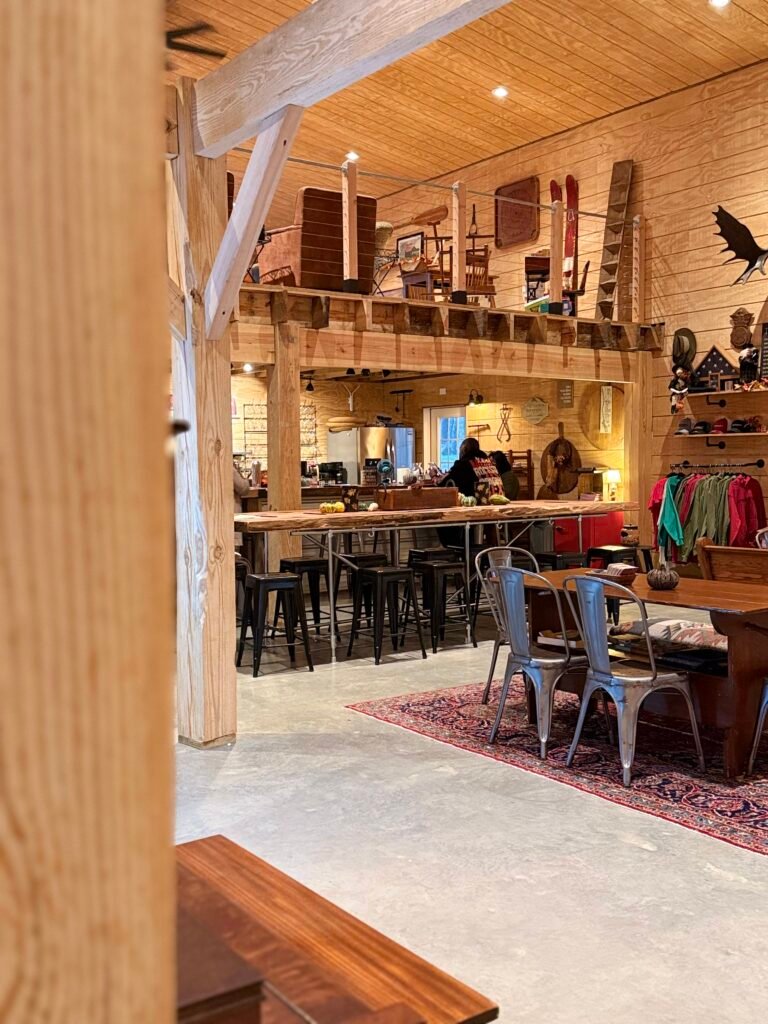
There is also room for families and groups, with games and a relaxed atmosphere that makes the tasting room approachable even for visitors who aren’t particularly invested in whiskey.
But the room itself is only part of the experience.
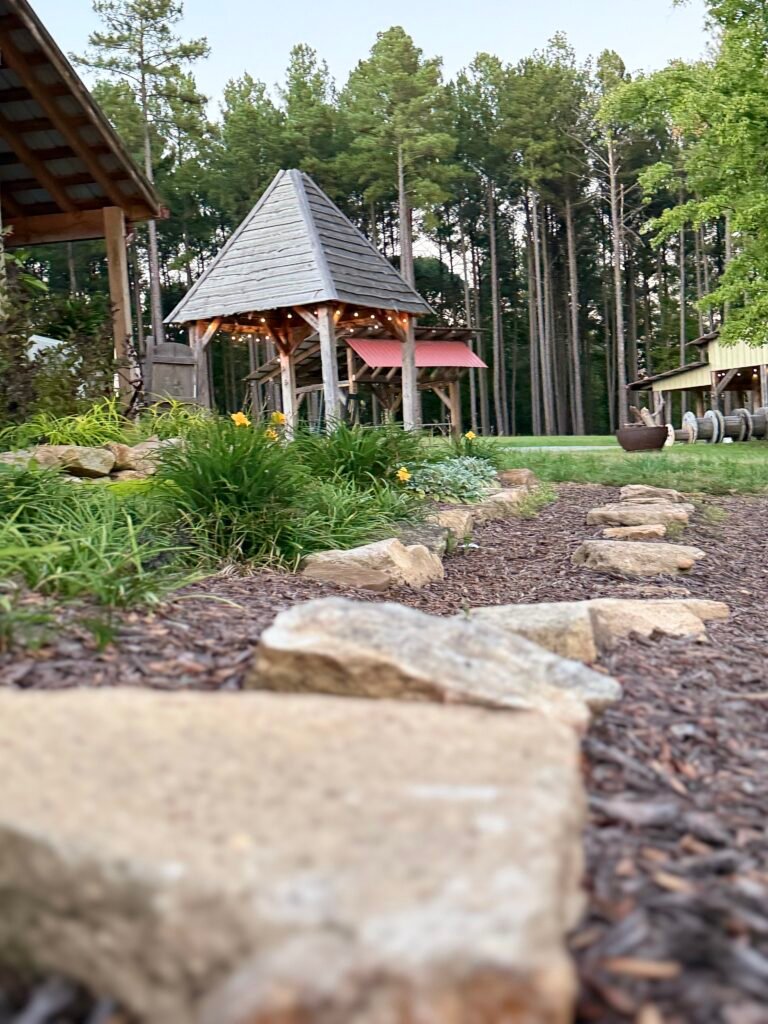
The property has a peaceful, almost secluded feeling. Pine trees surround the area, and the country setting gives you a reason to linger rather than simply stop in for a tasting and head back out.
During my visit, I was struck by how much attention Kelly had given to the atmosphere. Even the little details, including the inviting aroma throughout the tasting room and the cabins, contributed to that feeling of being somewhere genuinely cared for.
It’s the kind of hospitality that is difficult to manufacture.
“From the moment I arrived, this was the impression I kept coming back to: Springfield feels like home.”
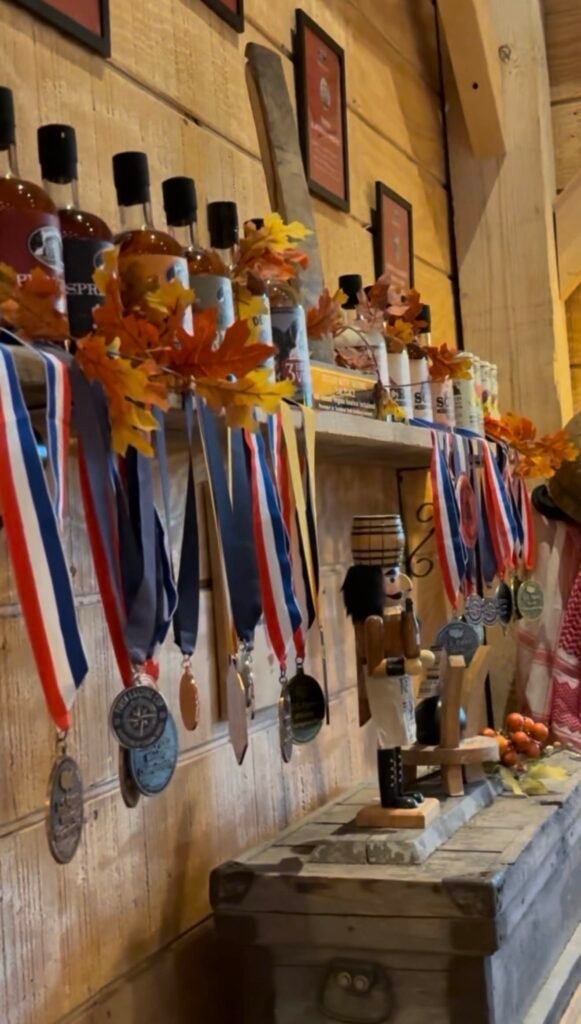
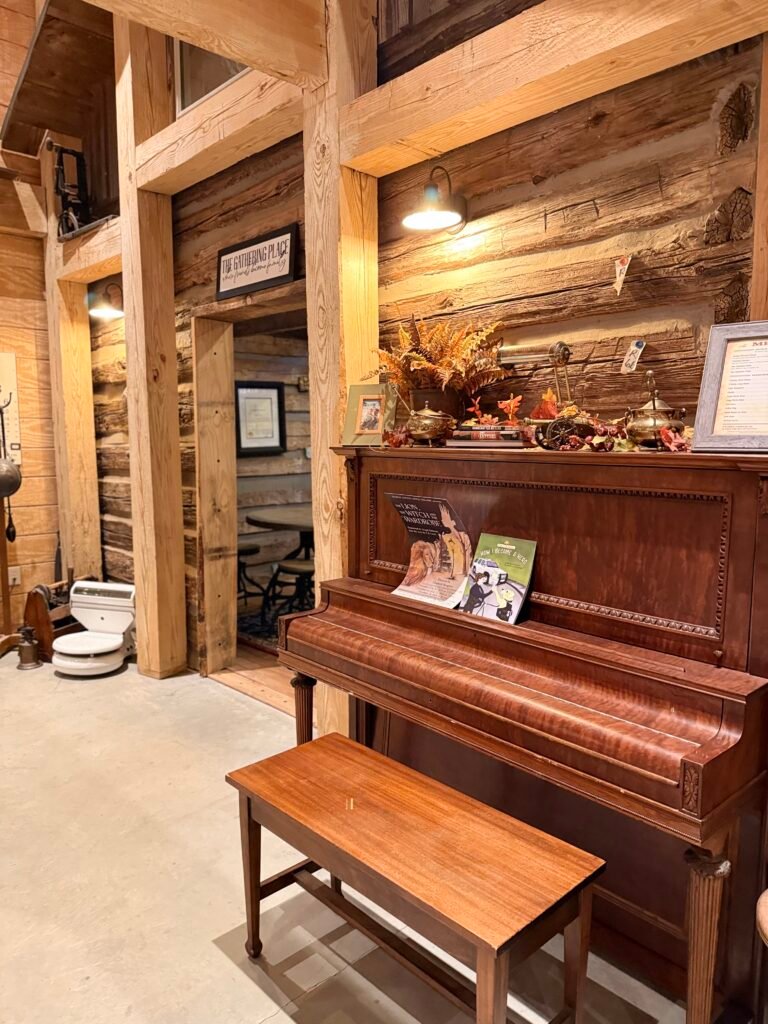
The Spirits: Bourbon, Port Finishing, and Plenty of Variety
Springfield has built a lineup that offers something for just about everyone. There are traditional whiskey offerings, more experimental finishes, flavored spirits, vodka, rum cream, and cocktails.
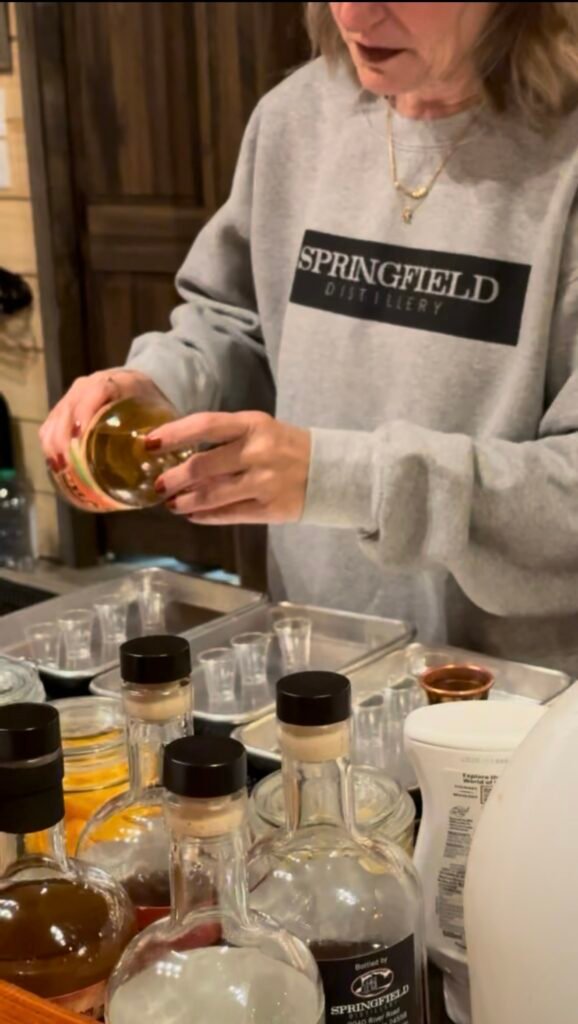
Most of the whiskey I sampled was bottled around 100 proof, which I think is a smart middle ground. There’s enough proof to retain character and flavor without making the lineup intimidating for someone who is newer to whiskey.
The bourbon program is where I would encourage whiskey enthusiasts to start.
The bourbon mash bill I discussed during my visit was 60% corn, 20% wheat, and 20% malted barley. That combination gives the whiskey a different foundation than the more familiar high-rye bourbon profiles many enthusiasts encounter.
Springfield 1897 Bottled in Bond Bourbon
The 1897 Bottled in Bond was one of my favorites of the visit. At 100 proof and now up to six years old (listed as a min 4 yr), it brought a particularly enjoyable combination of sweetness and grain character.
The nose and palate leaned heavily into sweet cornbread, butterscotch, brown bread, and sweet oak. There was also a distinct malted barley character that gave the whiskey some additional depth.
It’s a bourbon with a recognizable sweetness, but the grain character keeps it from feeling one-dimensional. I especially enjoyed the combination of cornbread and butterscotch notes.
Springfield Straight Bourbon
The Straight Bourbon offered a different expression of the same general profile.
Also bottled at 100 proof, I found it smoother in presentation but somewhat smokier than the 1897. It drank as though it were lower in proof, with the spice and malted barley character sitting at a lower simmer rather than announcing themselves immediately.
The oak influence was more restrained, and the finish carried a lingering spice character.
It was an approachable bourbon that should have plenty of appeal to someone looking for a traditional, easygoing Virginia craft whiskey.
The Straight Bourbon has also earned several competition accolades, including a silver medal at the 2023 Virginia Bourbon Invitational, double gold at the 2024 World Spirits Competition, and silver at the 2025 First Landing Cup.
Springfield 1842 Port-Finished Whiskey
This was arguably the most interesting whiskey of the tasting for me.
The 1842 takes Springfield’s whiskey and finishes it in port barrels sourced from nearby Hunting Creek Vineyards. At 100 proof, it offers a noticeable departure from the more traditional bourbon profile.
The first impression brought tart raspberry and blackberry, followed by a little smoke and additional barrel spice. The initial impression was interesting, but the finish was where this whiskey really came together for me. The fruit and spice lingered, creating a more compelling back end than the initial sip might suggest.
I enjoy seeing small distilleries experiment with finishing, particularly when they can incorporate something from their surrounding region. Using port barrels from a nearby Virginia winery gives this whiskey a local connection beyond the distillery itself.
Springfield 1799 Honey Whiskey
The 1799 takes the 1842 port-finished whiskey and adds honey, creating an entirely different drinking experience.
The underlying red berry character remains, along with some of the smoke and spice from the finishing process. But honey is unquestionably the dominant flavor.
It’s very sweet without becoming overwhelmingly so, and the combination of port-derived fruit and honey makes for an unusual but approachable expression.
It’s also a good example of Springfield’s willingness to offer different experiences rather than limiting the lineup to traditional bourbon and rye.
River Road Rye
The River Road Rye is a sourced whiskey, and Kelly was transparent about that during our conversation.
It’s a familiar MGP-style rye profile, with a nice spice character, a touch of floral influence, and some green orchard fruit.
For someone who enjoys a more traditional rye whiskey, it provides a recognizable contrast to the sweeter bourbon and finished offerings.
Golden Eagle Rye
Golden Eagle has a particularly personal story behind its name.
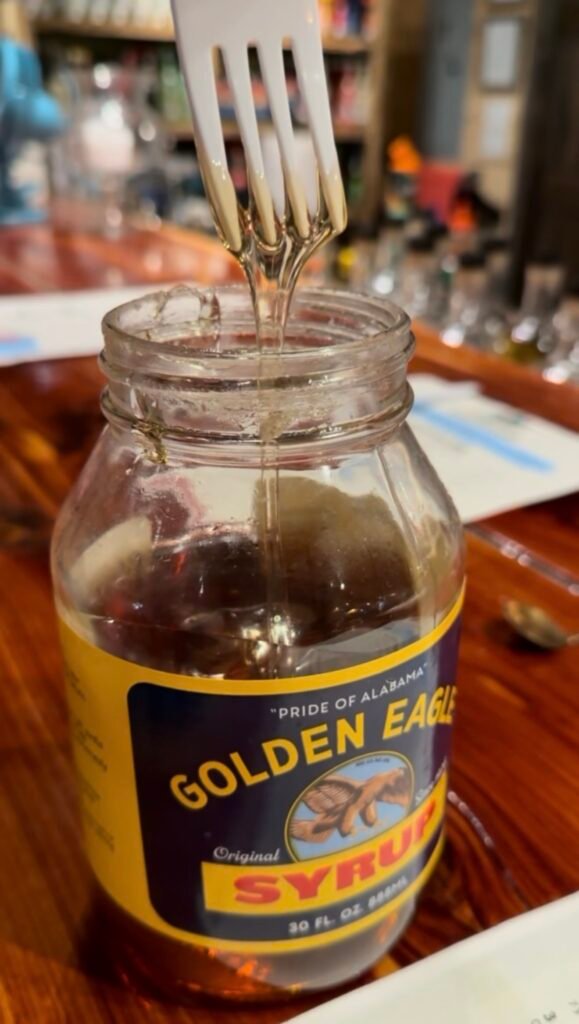
The whiskey is connected to Kelly’s mother’s side of the family, who lived in Fayette, Alabama. Golden Eagle was a familiar name and memory from that side of the family, and the bottle was created as a nod to that connection.
The brand eventually received a cease-and-desist notice from Sazerac, meaning the remaining bottles are the last of this particular release, though they hope to bring it back without the eagle imagery.
It’s a reminder that even a bottle’s name can carry a family story that extends well beyond the liquid inside.
SCRATCH, Flavored Spirits, and Something for Everyone
Beyond the bourbon and rye, Springfield has a surprisingly extensive collection of flavored spirits.
The SCRATCH line is built around its own corn whiskey, with flavors including blackberry, brown sugar cinnamon, maple syrup, peach, mint, and other seasonal or specialty offerings.
These aren’t necessarily aimed at the traditional whiskey enthusiast, and that’s perfectly fine. They give visitors who might not otherwise gravitate toward bourbon an opportunity to find something they enjoy.
The flavored spirits also make for some interesting cocktail possibilities.
Springfield offers additional specialty products, including:
- Sweet Heat: A combination of sweetness and spice featuring Arkansas hot honey and Virginia ingredients.
- Blackberry: A fruit-forward option that offers a different way to enjoy the distillery’s flavored whiskey lineup.
- Brown Sugar Cinnamon: A familiar combination of brown sugar and cinnamon that works naturally in cocktails.
- 3 Berner Vodka: A sourced corn-based vodka named in honor of the first three Bernese Mountain Dogs associated with the family.
- Beaver King Rum Cream: A cream-based spirit made using an rum-cream-style simple syrup.
The variety is extensive, and the distillery has discussed continuing to evolve the lineup, including plans for gin and adjustments to some of its existing SCRATCH flavors.
Cocktails, Transparency, and the Springfield Approach
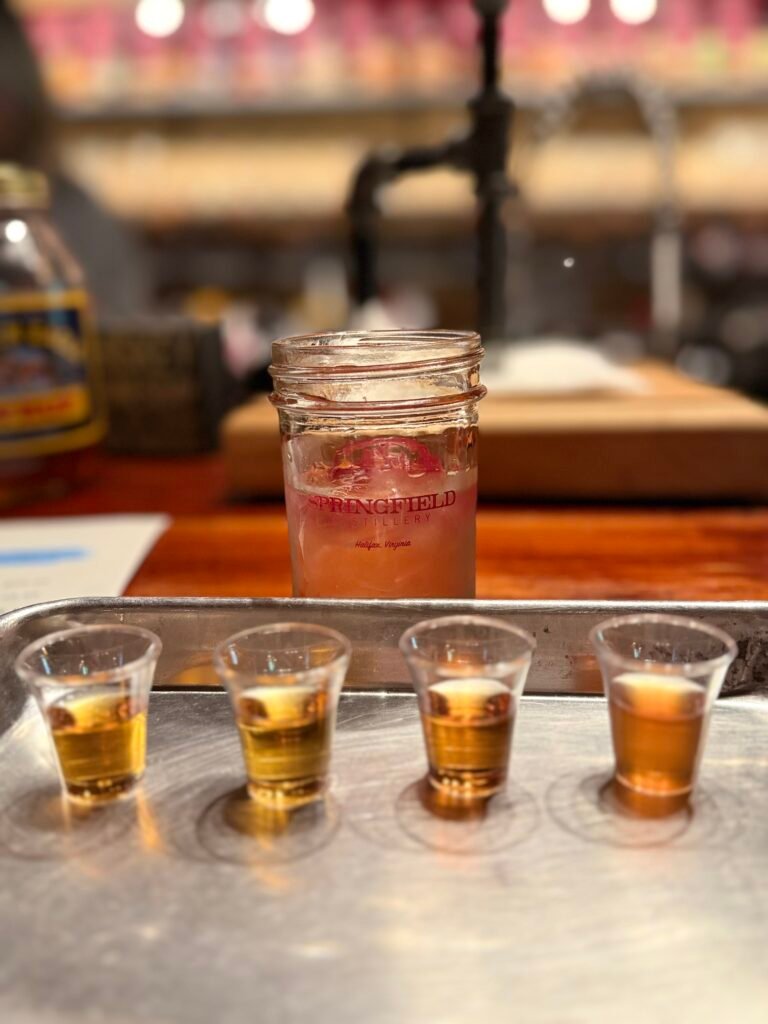
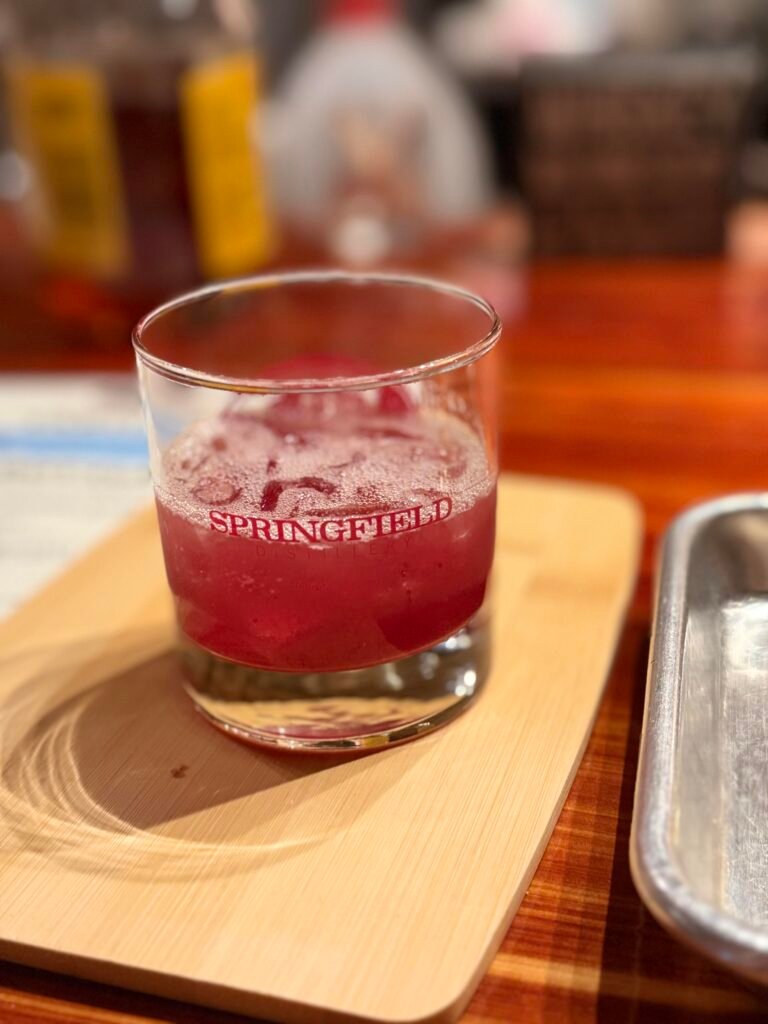
I didn’t spend as much time sampling cocktails as I would have liked because I wanted to focus on tasting the spirits themselves and getting a better understanding of what Springfield produces.
But cocktails are clearly an important part of the experience.
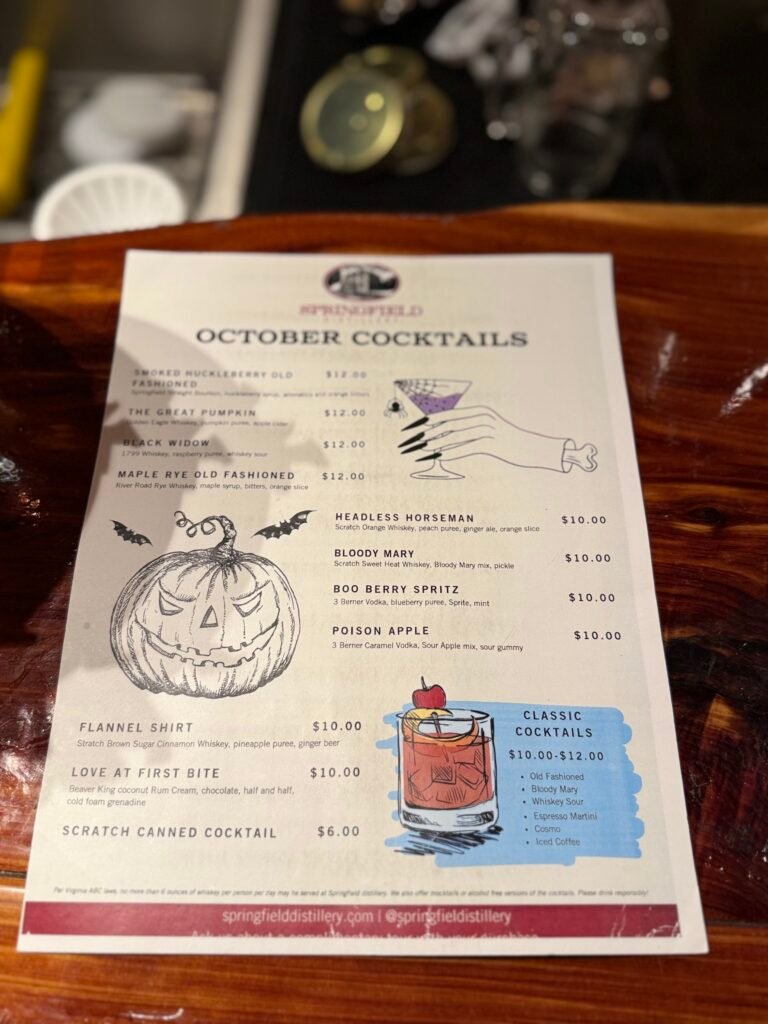
Kelly spoke about the seasonal cocktail menu and how frequently the offerings change. One thing I particularly appreciated was her approach to sharing recipes.
The cocktail recipes are made available online, and the tasting room also keeps a binder of previous menus and recipes. So if someone comes in asking about a cocktail they enjoyed six months earlier, there’s a chance they can find the recipe and recreate it at home.
That openness extends to the spirits themselves. Kelly doesn’t shy away from explaining what is produced on-site, what is sourced, or where the ingredients come from.
For a small operation with a fairly broad product selection, I think that transparency matters.
It’s also consistent with the larger impression of Springfield: the goal isn’t to create an exclusive whiskey experience. It’s to make good spirits accessible and give people a reason to return.
More Than a Tasting: Cabins, Country Living, and an Oasis in the Woods
If there’s one thing I would encourage visitors to consider, it’s staying overnight.
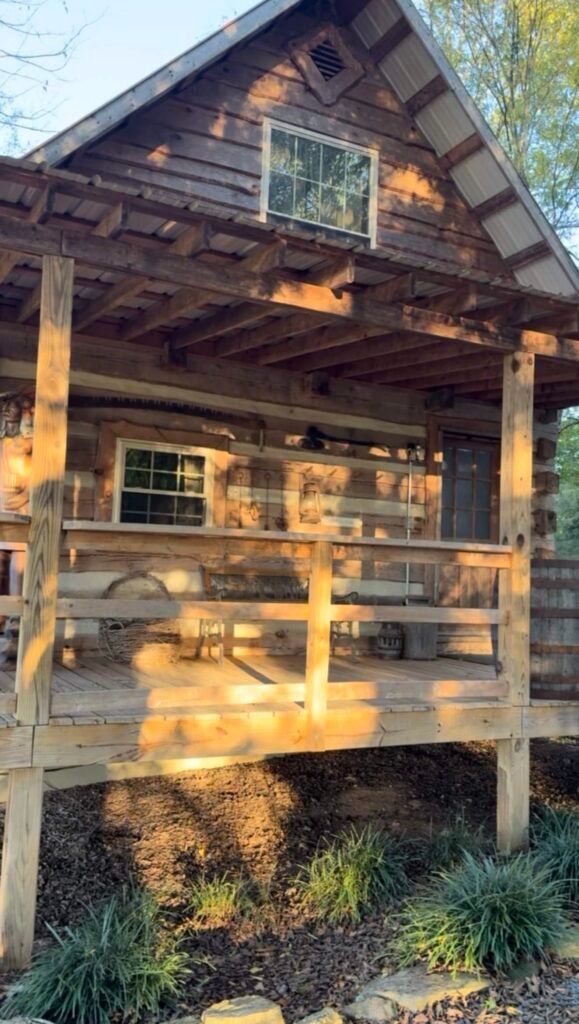
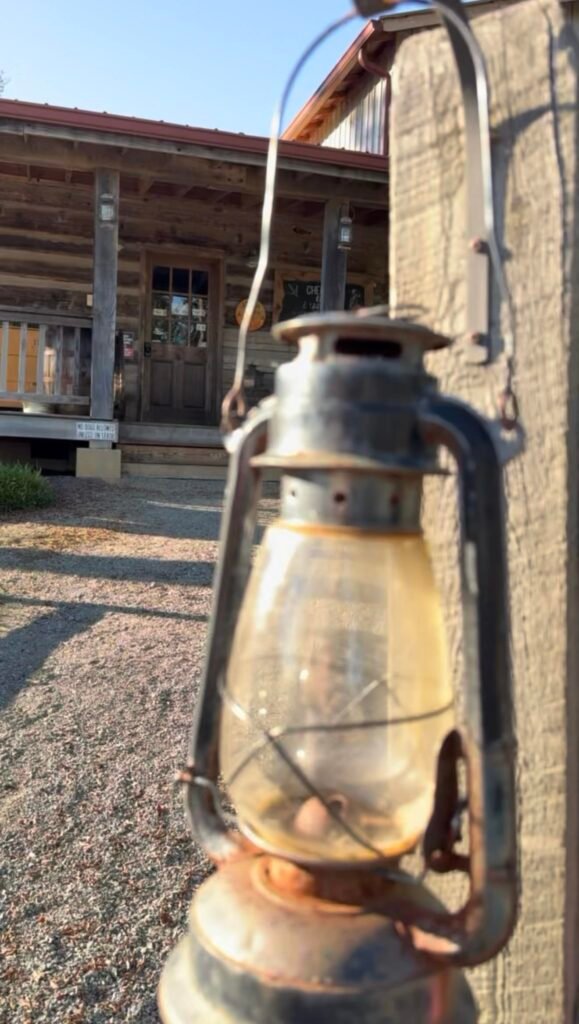
Springfield has two cabins on the property: Mason’s Chapel and Hunter’s Retreat. Both offer a rustic, historic-inspired aesthetic while including the modern amenities you’d expect from an overnight stay.
I had the opportunity to experience one of the cabins, and it was genuinely one of the more enjoyable accommodations I’ve encountered on a distillery visit.
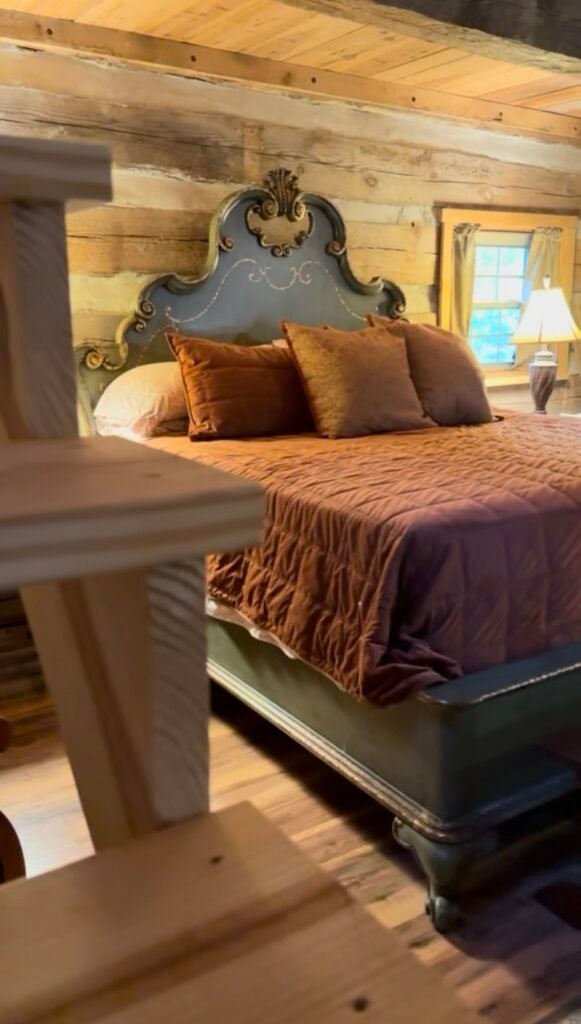
The cabin felt like a little home tucked into the woods. There were vintage lamps, thoughtful farmhouse details, and just enough character to make it feel like a place with a story rather than a generic rental.
At the same time, it had the practical comforts that matter: electricity, heating and cooling, running water, a clean bathroom, a hot shower with excellent water pressure, a microwave, a mini fridge, and a Keurig.
And the bed? Probably the most comfortable bed I’ve slept in at an Airbnb or hotel. The pillows deserve a mention of their own.
The real highlight, though, was the setting.
Stepping onto the porch in the evening, with the moon overhead and stars visible through the trees, made it easy to understand what Kelly and James had seen in this property. In the morning, the light came through the changing leaves, and a cup of coffee on the porch felt like exactly where I was supposed to be.
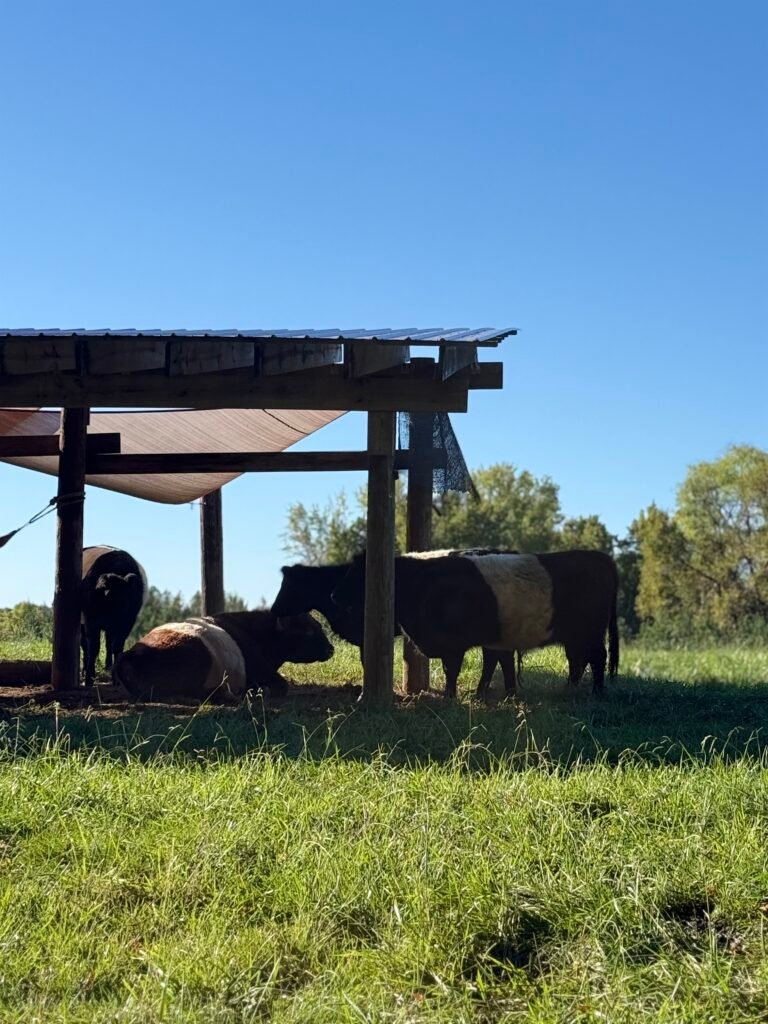
A short walk down the gravel road brings you toward some of the property’s cows and donkeys, adding to the peaceful country atmosphere.
Springfield isn’t a working farm, and it isn’t pretending to be one. But it has that same feeling of space, quiet, and connection to the land.
Kelly also shared a longer-term vision for the property, including the possibility of transforming the main residence into a venue for weddings, family gatherings, and corporate events.
It’s easy to see the potential.
It’s difficult to build something that extends beyond a business and becomes part of people’s lives. But that is what Kelly and James did together over the years.
The Most Important Part: The People
As much as I enjoyed the whiskey and the property, the people are what made Springfield memorable.
Kelly welcomed me almost immediately and introduced me to the regulars who were already enjoying the tasting room. There was a lighthearted familiarity in the way she interacted with everyone, including some good-natured teasing that made it clear these weren’t simply customers stopping in for a drink.
One of the regulars, Travis, was celebrating his birthday. He had already celebrated at the distillery the night before with a crowd of roughly 60 or 70 people, but he was back again on his actual birthday to spend more time with Kelly and the group.
That tells you something.
Small craft distilleries often talk about building community, but it’s not always easy to see what that means in practice. At Springfield, I saw it firsthand.
There were regulars who clearly knew one another, friends visiting the property, and a genuine sense of affection for the people behind the business.
James, Kelly’s husband and co-founder of Springfield Distillery, was not there during my visit. Sadly, he has since passed away. Even without being present, his influence was evident throughout the property and, perhaps most noticeably, in the people surrounding Kelly. The affection and respect they expressed for him made it clear just how much he meant to this community.
It’s difficult to build something that extends beyond a business and becomes part of people’s lives. But that is what Kelly and James did together over the years. Their work created more than a distillery and a collection of spirits. It created a gathering place, a home away from home, and a community of people who genuinely care about one another.
As this article comes together around Kelly and James’s anniversary, it feels especially important to recognize the person and partnership behind Springfield. James’s contribution to the distillery and the life they built together deserve to be remembered, and I hope that the continued growth of Springfield serves as a lasting reflection of the passion they both put into it.
Kelly described the atmosphere as being like family, and that seemed to be an accurate description.
After roughly a decade of operating, they’ve built something that many small businesses would love to have: a community of people who don’t just enjoy the product, but genuinely enjoy being there.
And that may be Springfield’s greatest accomplishment.
Bourbon Bishop Bottom Line:
Springfield Distillery is a reminder that a great distillery visit doesn’t have to revolve around an elaborate production facility, a massive whiskey collection, or a heavily curated visitor experience.
Sometimes the best part is finding a place that makes you want to stay.
The bourbon is worth exploring, particularly the six-year Bottled in Bond 1897 and the more distinctive 1842 port-finished whiskey. I also appreciate the thought behind the 1799 honey expression and the willingness to offer a broad selection of spirits for visitors with different tastes.
But the experience goes beyond the bottles.
Kelly and James built a welcoming destination in rural Halifax County, complete with a comfortable tasting room, thoughtful accommodations, and a community that clearly takes pride in the place. The transparency around sourcing and production is another positive, especially for visitors who want to understand what they’re drinking.
There is also something particularly meaningful about visiting a place and seeing the impact its founders have had on the people around them. James may no longer be here physically, but his spirit and heart lives on through the distillery, the people who gather there, and the community he and Kelly built together.
If you’re a whiskey enthusiast, start with the bourbon and make sure you try the port-finished offerings. If you’re visiting with someone who isn’t particularly interested in whiskey, the broader spirit selection and cocktail menu offer plenty of alternatives.
And if you have the time, book a cabin and stay awhile.
Springfield isn’t just a place to taste Virginia whiskey. It’s a place to slow down, meet good people, and feel at home. That’s the kind of legacy worth celebrating.
Additional Media
This piece was written in conjuction with my current Virginia Spirits project. Check out the Bourbon Bishop Virginia Craft Whiskey Starter Trail Here, only on the Virginia Spirits Trail App
If you enjoyed this piece, check out my past distillery visit articles here.
This visit was hosted by the distillery. All thoughts are my own and not influenced by the experience.
Related Distillery Visits
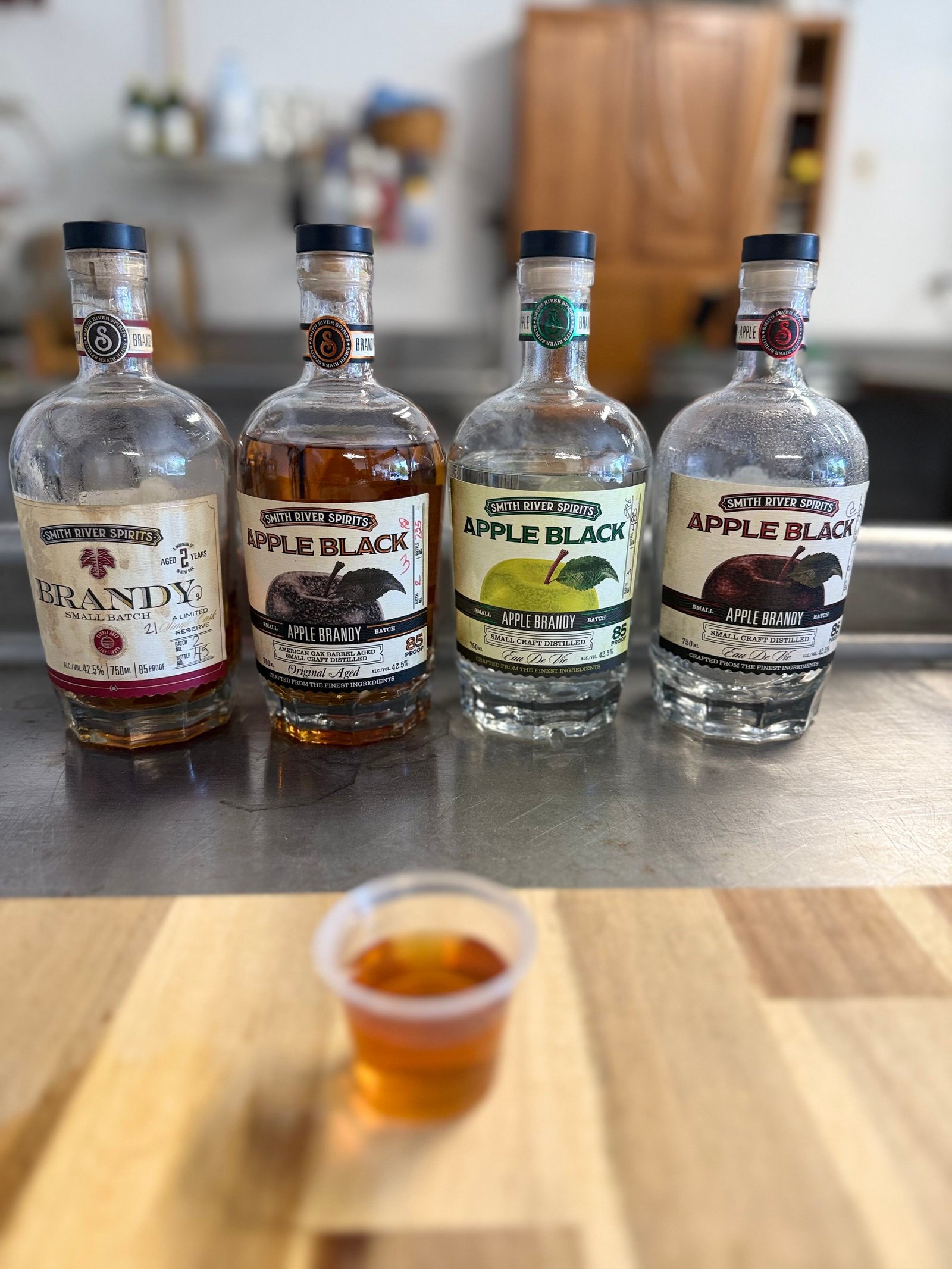
Visit Smith River Spirits in Ridgeway, Virginia, where Kevin Nelson turns Virginia-grown apples and wine into distinctive fruit-forward brandies.
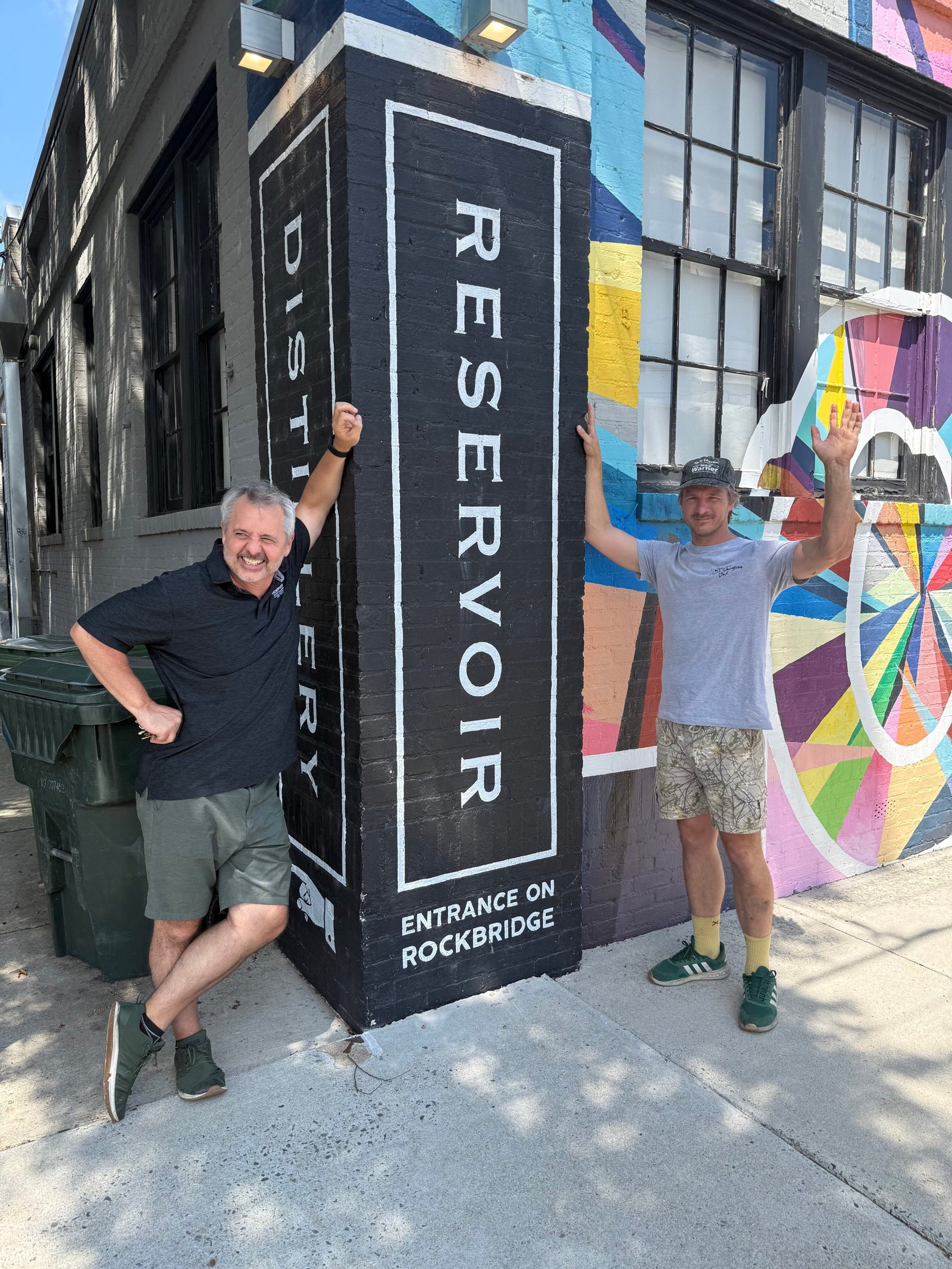
Explore Reservoir Distillery in Richmond, Virginia, where single-grain whiskey, experimental distillation, barrel aging, and local grains challenge convention.
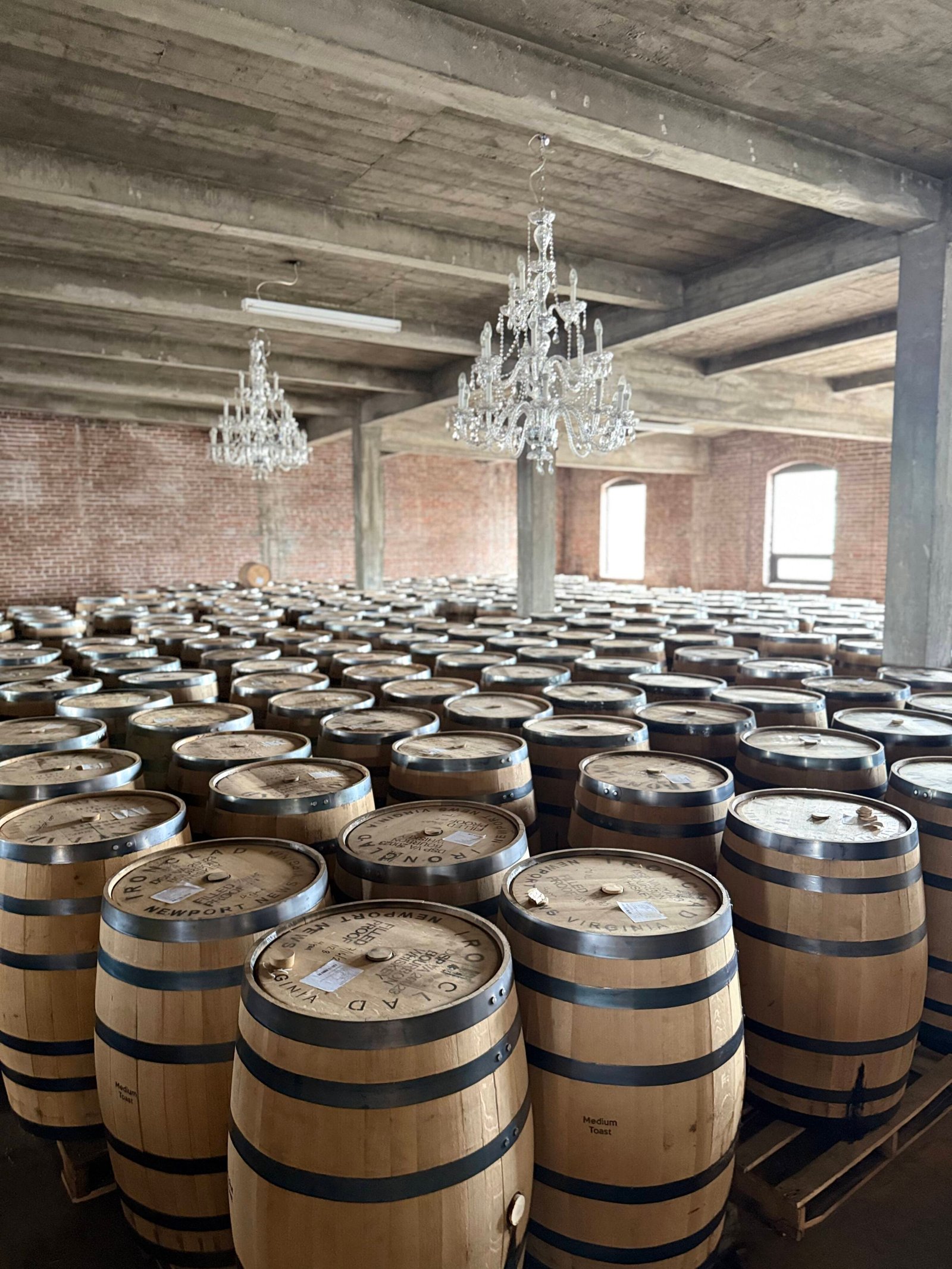
Visit Ironclad Distillery in Newport News, Virginia, to explore its four-grain bourbon, experimental whiskey finishes, historic home, and Virginia spirits.
Inside Virginia Distillery Company in Lovingston, Virginia, where 100% malted barley, a historic Boby Mill, Blue Ridge climate and adventurous cask finishes shape American single malt whisky.
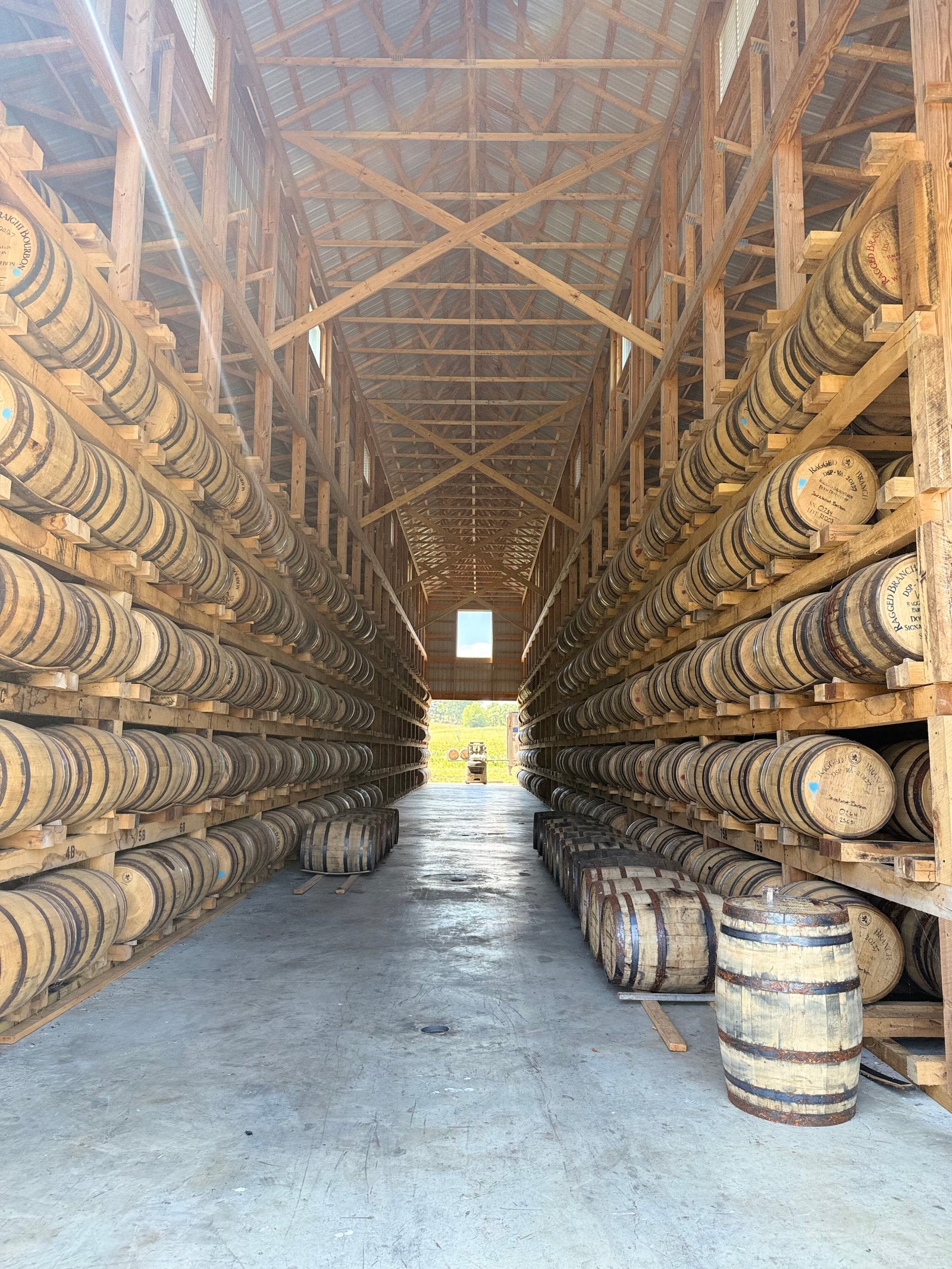
Explore Ragged Branch Distillery in Augusta County, Virginia, from its new production facility and towering rickhouse to its farm-grown bourbon and next chapter.
A behind-the-scenes visit to MurLarkey Distilled Spirits in Manassas, Virginia, exploring Virginia-grown grain, award-winning whiskey, innovative flavored spirits, and one of the Commonwealth’s premier craft distillery experiences.
Explore Provenance with Jay West and discover the philosophy behind curated whiskey, Reveries single barrels, slow proofing, experimental finishes, and the Bottle Your Own experience.
From the distillery and dining experience to the home glass — the quality sourced and blended whiskies of Open Road Open Road Distilling Co.
A visit to Lost Whiskey Club in Virginia — exploring their sourced whiskey program, evolving maturation approach, and a philosophy rooted in community, storytelling, and shared pours.