
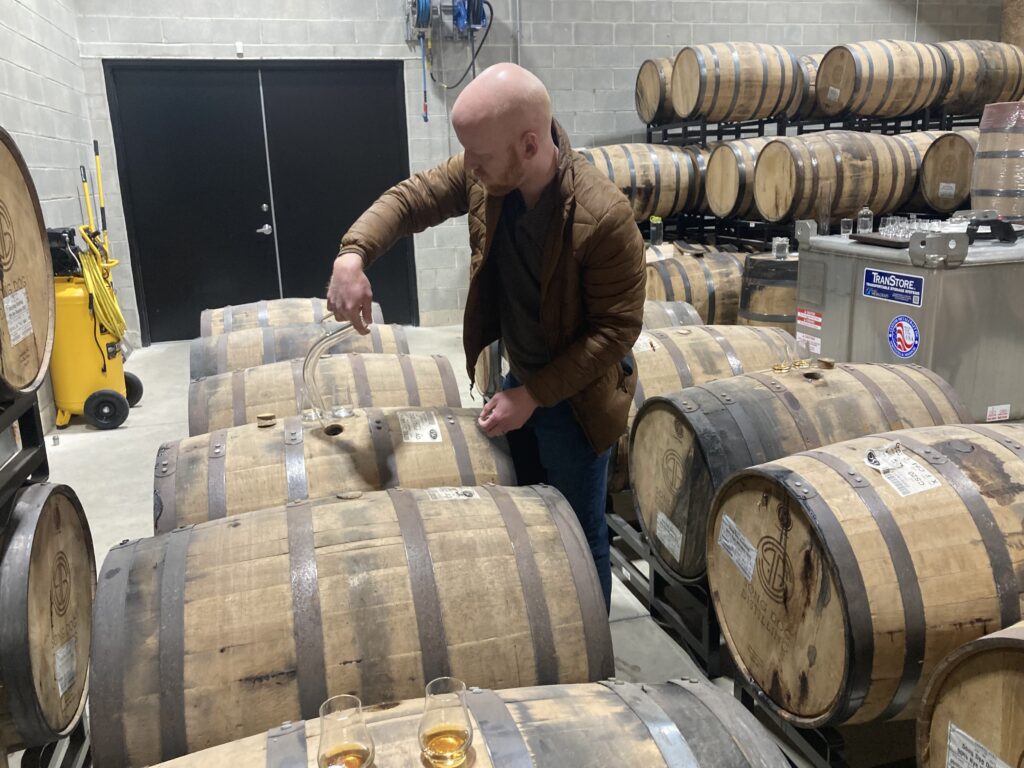
The Rise of True Small Batch Bourbon
Without a legal definition, “small batch” has become one of whiskey’s most misunderstood labels. A new generation of independent bottlers is bringing authenticity back to the term, one barrel at a time.
Walk down the bourbon aisle of almost any liquor store and you’ll find bottles proudly labeled Small Batch. The words immediately evoke a sense of craftsmanship. You picture a master blender carefully selecting a handful of exceptional barrels, creating something more thoughtful and exclusive than mass-produced whiskey.
The reality is far less straightforward.
Unlike terms such as Straight Bourbon or Bottled in Bond, “small batch” has no official definition recognized by the Alcohol and Tobacco Tax and Trade Bureau (TTB). There is no legal maximum number of barrels. No industry-wide standard. No requirement that producers disclose what “small” actually means.
A blend of six barrels and a blend of three hundred barrels can legally wear the exact same designation.
For decades, that’s simply been accepted as part of bourbon marketing. But in recent years, something interesting has begun happening. A growing number of craft distilleries and non-distiller producers (NDPs) aren’t just using the phrase. Instead, they’re redefining it.
And in doing so, they’re making “small batch” mean something again.
What Does “Small Batch” Actually Mean?
The honest answer?
Whatever a producer wants it to mean.
That’s not necessarily deceptive. The bourbon industry is filled with terms that evolved through tradition long before regulations caught up. But unlike age statements, bottled-in-bond requirements, or even bottled proof, there has never been a legal threshold for what qualifies as a small batch.
Consumers naturally assume the phrase refers to a limited number of barrels. Yet legally, there is no difference between blending six barrels or six hundred.
That’s where the disconnect begins.
For many whiskey drinkers, “small batch” suggests intentionality. For many producers, it’s simply the name of a product line.
Neither interpretation is technically wrong.
They’re just very different ideas.
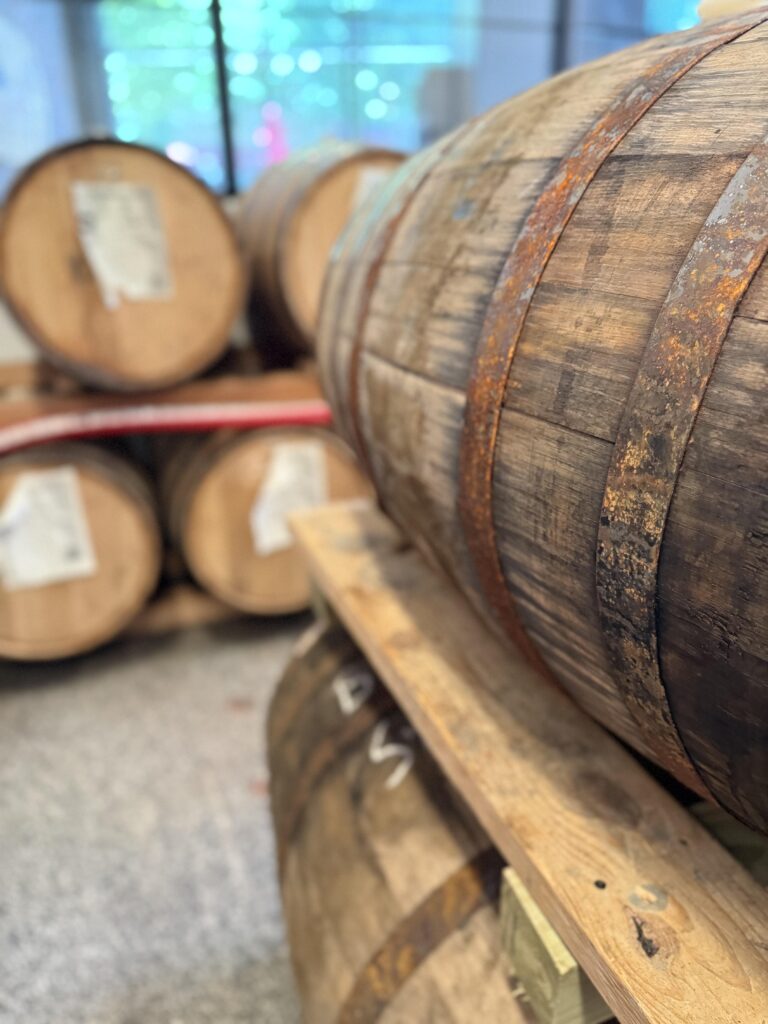
How Legacy Distilleries Built the Category
Small batch isn’t a modern invention.
Long before today’s wave of independent bottlers, Kentucky’s heritage distilleries had already established iconic small batch brands. Four Roses, Jim Beam, Wild Turkey, Heaven Hill, Buffalo Trace, Barton 1792, and others have all produced exceptional bourbons carrying the designation.
In many cases, those whiskeys are created by blending dozens, or even hundreds, of barrels to achieve remarkable consistency year after year across national distribution.
That consistency deserves respect.
Maintaining the same flavor profile at that scale requires incredible skill from blending teams.
But over time, the phrase “small batch” gradually shifted away from describing production size and toward describing a style of bourbon. For many enthusiasts, the words became less about the number of barrels and more about marketing language designed to imply craftsmanship and exclusivity.
That isn’t necessarily a criticism. It’s simply how the term evolved.
The Rise of the Modern Blender
One of the biggest misconceptions about today’s NDPs is that they’re simply buying whiskey and putting their label on it.
The best independent bottlers are doing something much more interesting.
They’re blending.
Rather than prioritizing absolute consistency across hundreds of barrels, many are intentionally creating limited releases where every individual barrel meaningfully contributes to the finished whiskey.
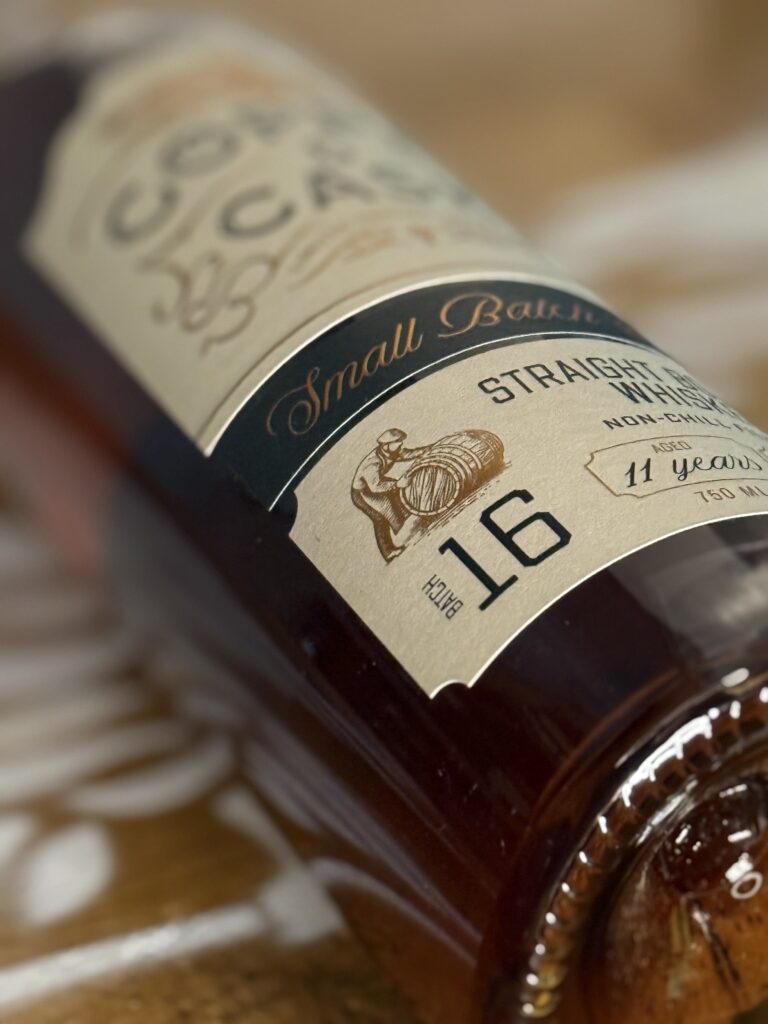
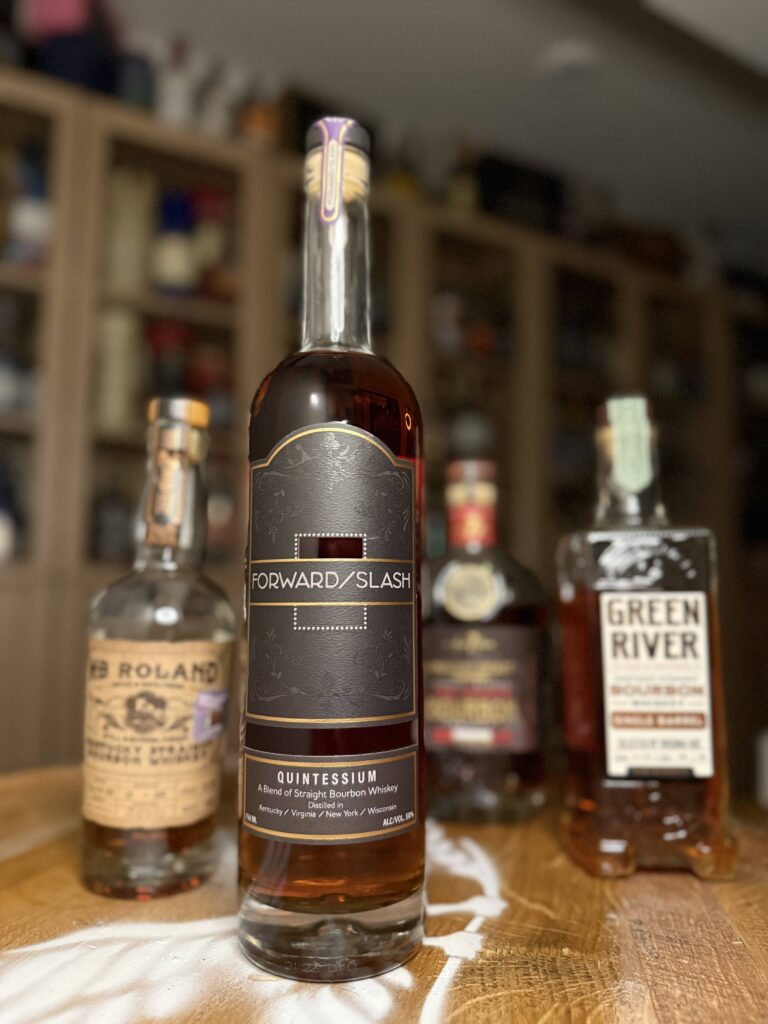
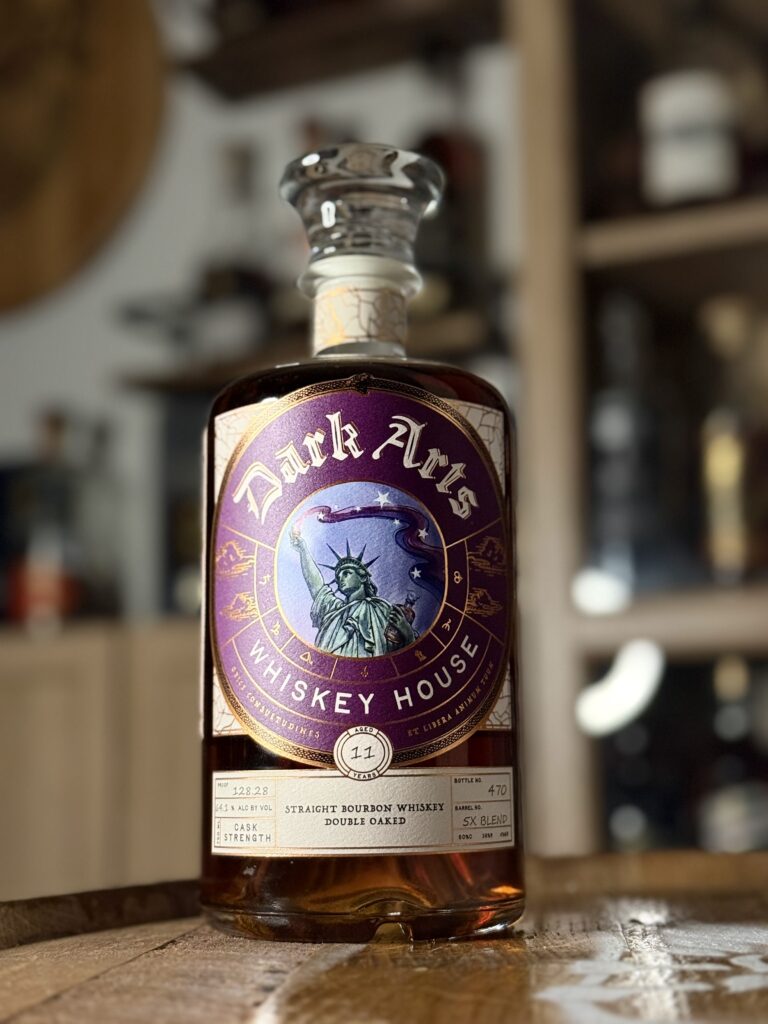
Companies like Copper & Cask and Pinhook have built entire product lines around true small-batch releases alongside their celebrated single barrels. Brands such as Winglore Spirits have embraced small batches as foundational offerings without the naming convention. Others, including Dark Arts, Dreams Spirits (“small batch” just announced), Proof & Wood, Seelbach’s, Forward Slash, Silverthorn, and Kentucky Senator, are producing thoughtfully blended releases that many enthusiasts would comfortably describe as true small batches, even if the label never uses those exact words.
They’re treating blending less like industrial production and more like culinary art.
That’s an exciting shift.
When Every Barrel Matters
I’ve had the privilege of sitting on both sides of the blending table.
During an Open Road Spirits blending session, I watched firsthand how different barrels transformed the direction of a whiskey. More recently, I participated in a craft rye blending experience built from only a handful of barrels.
The conversations weren’t about maximizing production. They were about balance.
Should this barrel add sweetness? Does this one bring too much oak? Is the finish becoming too tannic? Does another barrel introduce enough fruit to brighten the blend?
When you’re blending six barrels instead of three hundred, replacing a single barrel doesn’t make a minor adjustment.
It changes the whiskey.
Every decision matters because every barrel represents a meaningful percentage of the finished product. That’s where true small batch becomes fascinating. It’s no longer about chasing perfect consistency. It’s about creating something intentionally unique while allowing each barrel to leave its fingerprint on the final blend.
In many ways, it shares the spirit of a single barrel while opening the door to nearly endless creative possibilities.
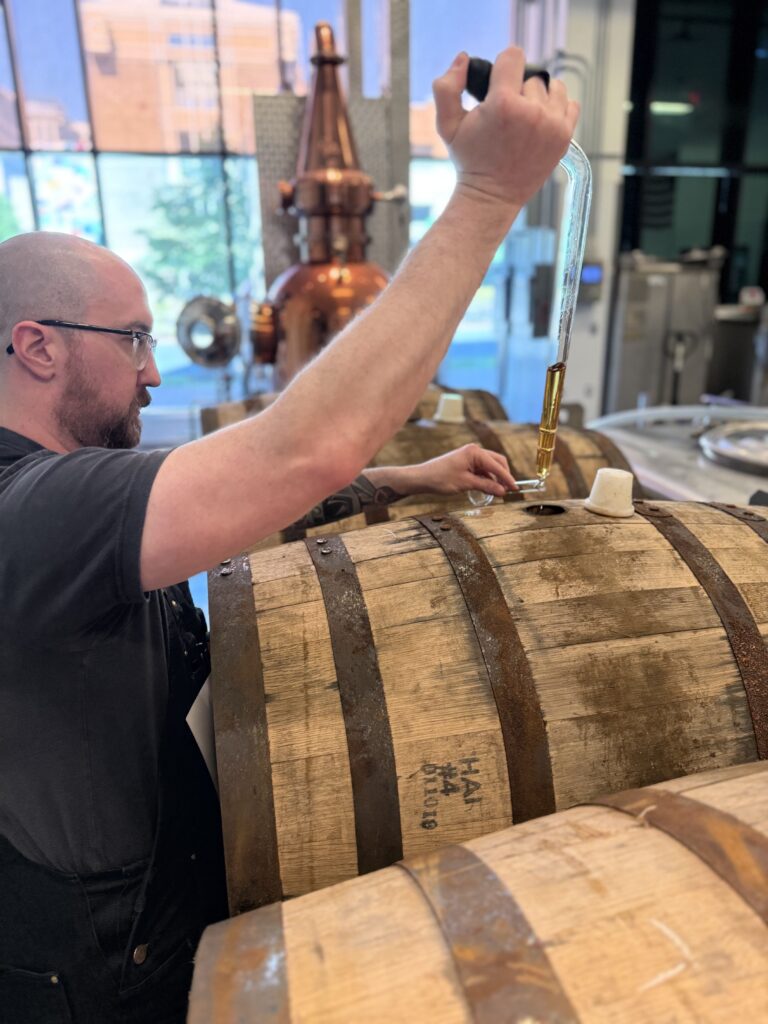
Bourbon Bishop Perspective
Personally, I consider 20 barrels the upper limit of what should reasonably qualify as a true small batch. My ideal range is six to ten barrels, where every barrel still meaningfully shapes the final whiskey.
Why I Think Twenty Barrels Should Be the Ceiling
Since there is no official definition, every enthusiast develops their own interpretation.
Mine has evolved over years of tasting and blending.
Personally, I think a true small batch should consist of no more than twenty barrels.
Even then, I believe the sweet spot is closer to six to ten barrels.
At that size, every barrel still has enough influence to meaningfully shape the whiskey’s character. You’re preserving the individuality that makes single barrels so captivating while giving the blender just enough flexibility to create greater complexity and balance.
Push much beyond twenty barrels and the phrase begins losing the intimacy that “small batch” naturally implies.
That number isn’t a rule.
It’s simply where the words begin matching the experience for me.
The Breakdown of a Batch
Single Barrel
1 Barrel
“Every barrel tells its own story.”
True Small Batch
6–10 Barrels
“My preferred sweet spot.”
Small Batch
11–20 Barrels
“Still intentionally blended.”
Large Batch
21–100+
“Greater consistency.”
Mass Production
100–300+ Barrels
“Scale becomes the priority.”
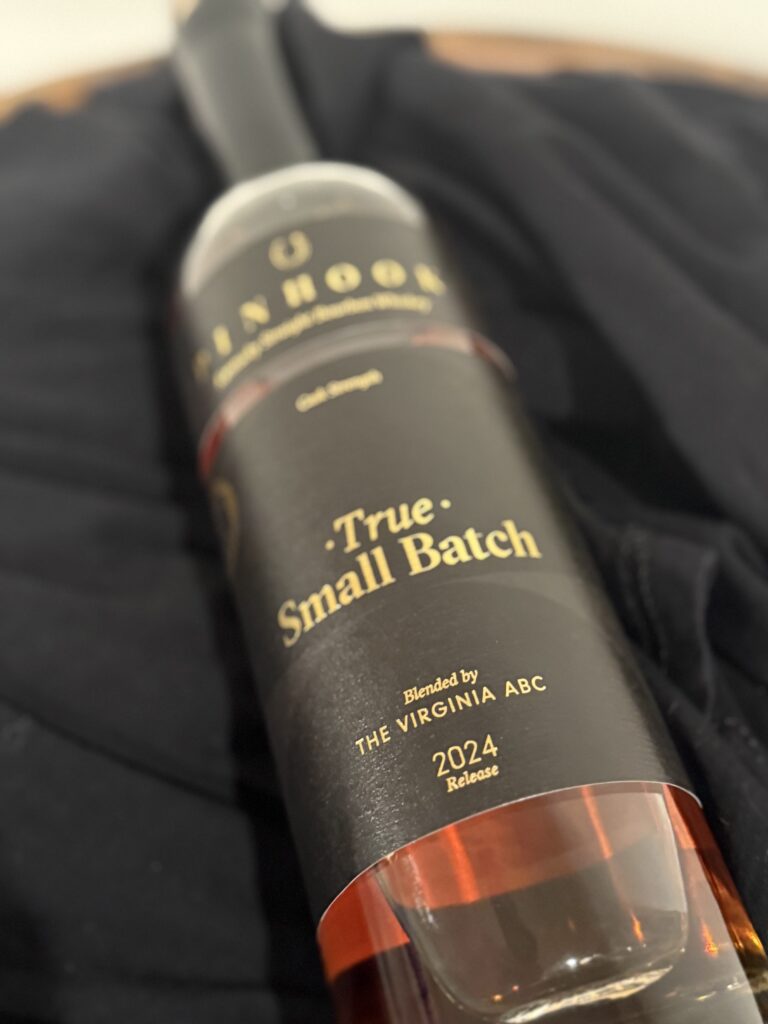
Pinhook’s “True Small Batch”
One company that recognized this disconnect is Pinhook.
Rather than simply calling another release “Small Batch,” they introduced the phrase True Small Batch to distinguish blends built from only a handful of barrels.
Whether everyone agrees with their exact barrel count isn’t really the point.
The important part is that they’re participating in a larger movement toward transparency.
Consumers increasingly want to know not only what they’re drinking, but how it was created.
The more producers voluntarily answer those questions, the more meaningful these labels become.
This Isn’t the First Wave of Sourced Whiskey
None of this means sourced bourbon is new.
Brands like Bulleit helped prove decades ago that exceptional whiskey didn’t have to come from your own stills. Horse Soldier built a loyal following sourcing whiskey long before its own distillery reached maturity.
Today’s NDPs are simply taking the concept further.
They’re openly discussing mash bills, distillation partners, barrel selection, finishing techniques, and blending philosophy in ways that were far less common a decade ago.
The conversation has shifted from Where was it made? to Why were these particular barrels chosen?
That’s a much more interesting question.
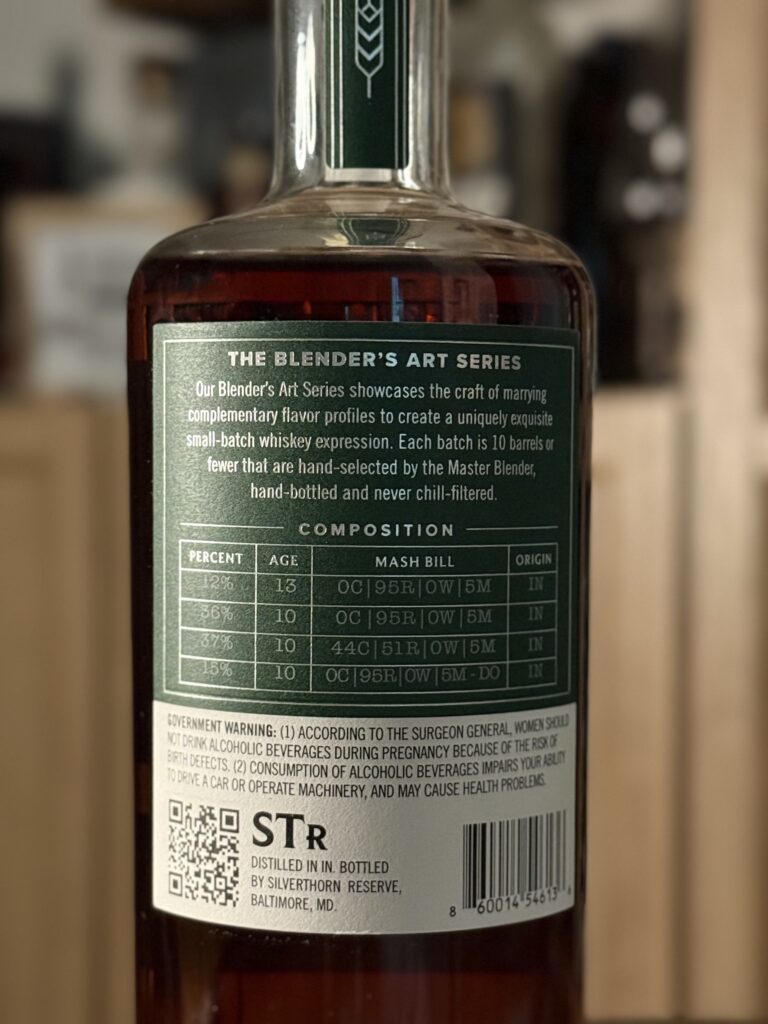
“Transparency, not exclusivity, is becoming bourbon’s newest luxury.”
Small Batch Reviews Worth Exploring
If you’re curious how this philosophy translates into the glass, several of my reviews explore examples of intentionally blended small-batch whiskeys.
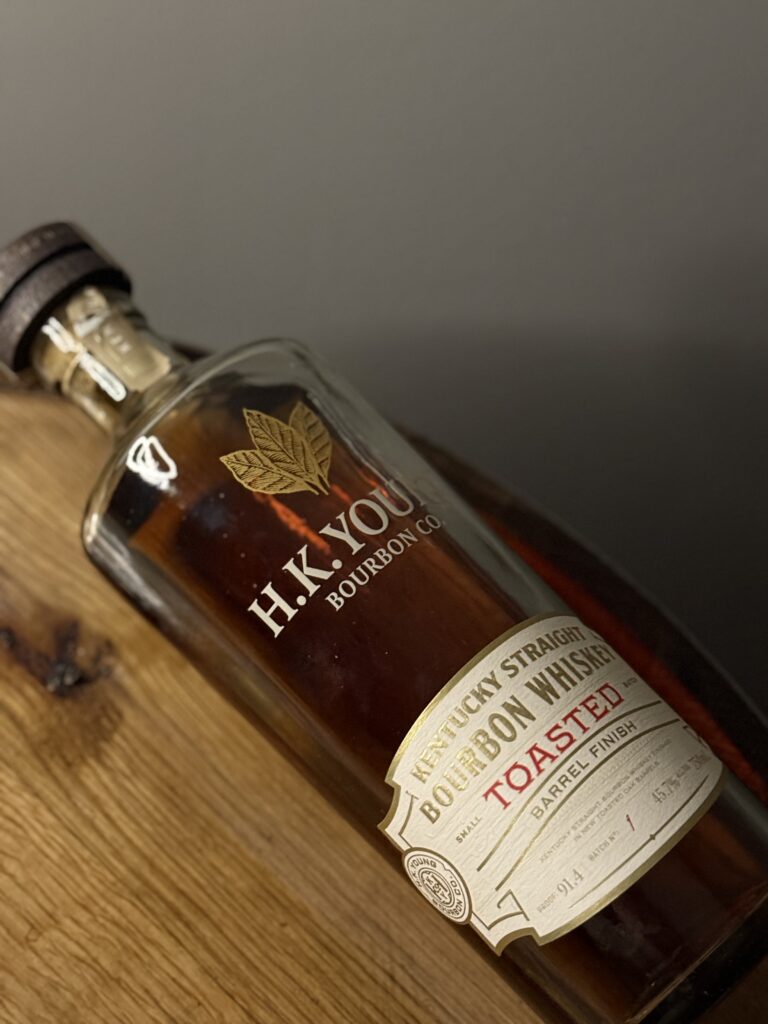
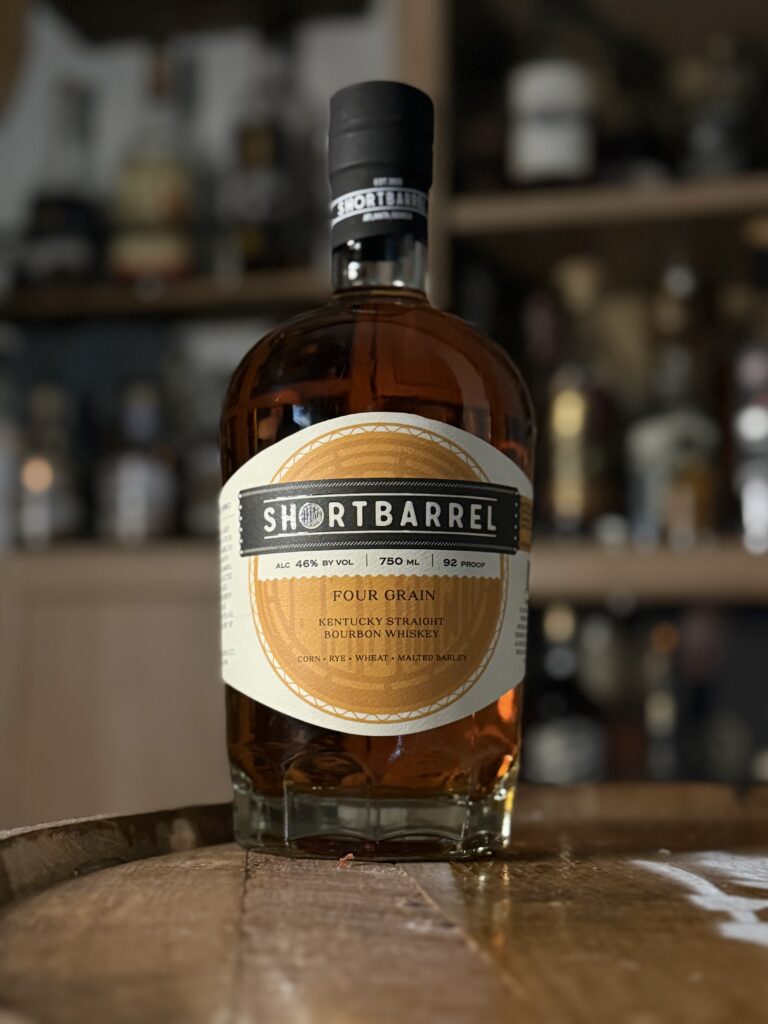
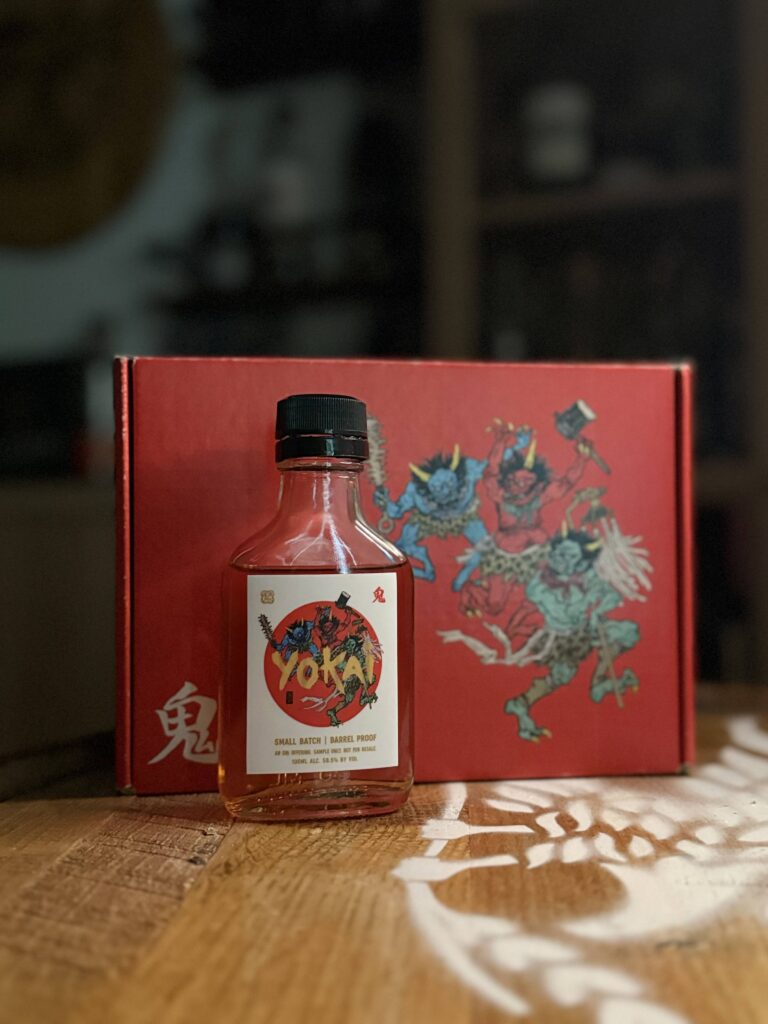
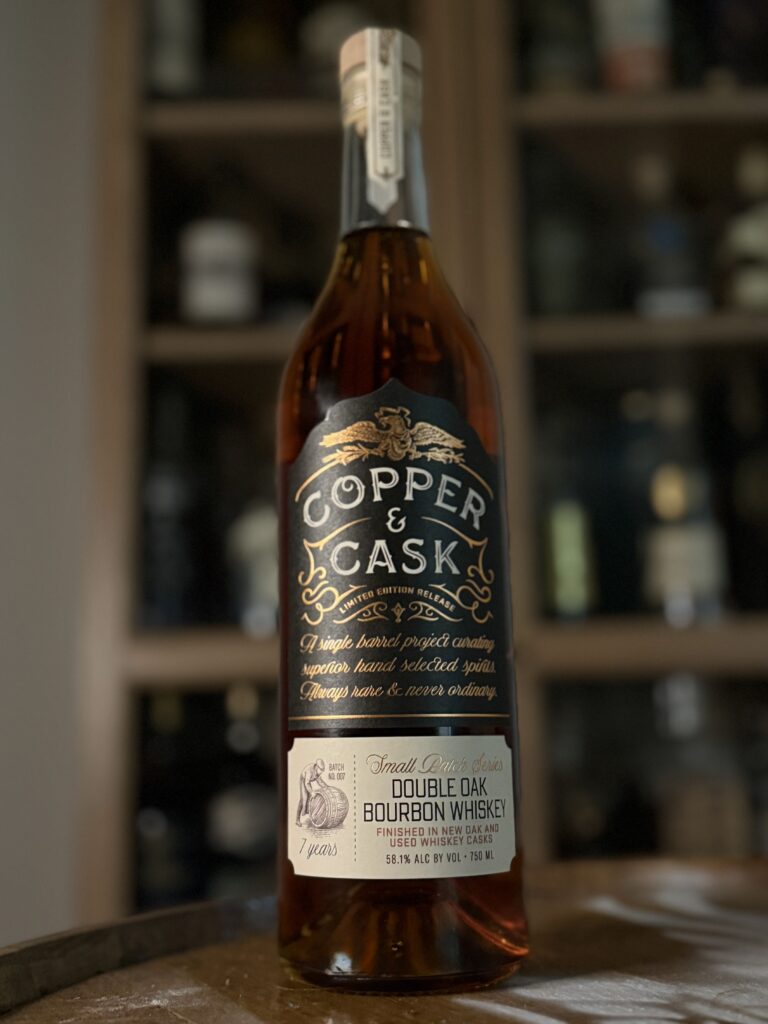
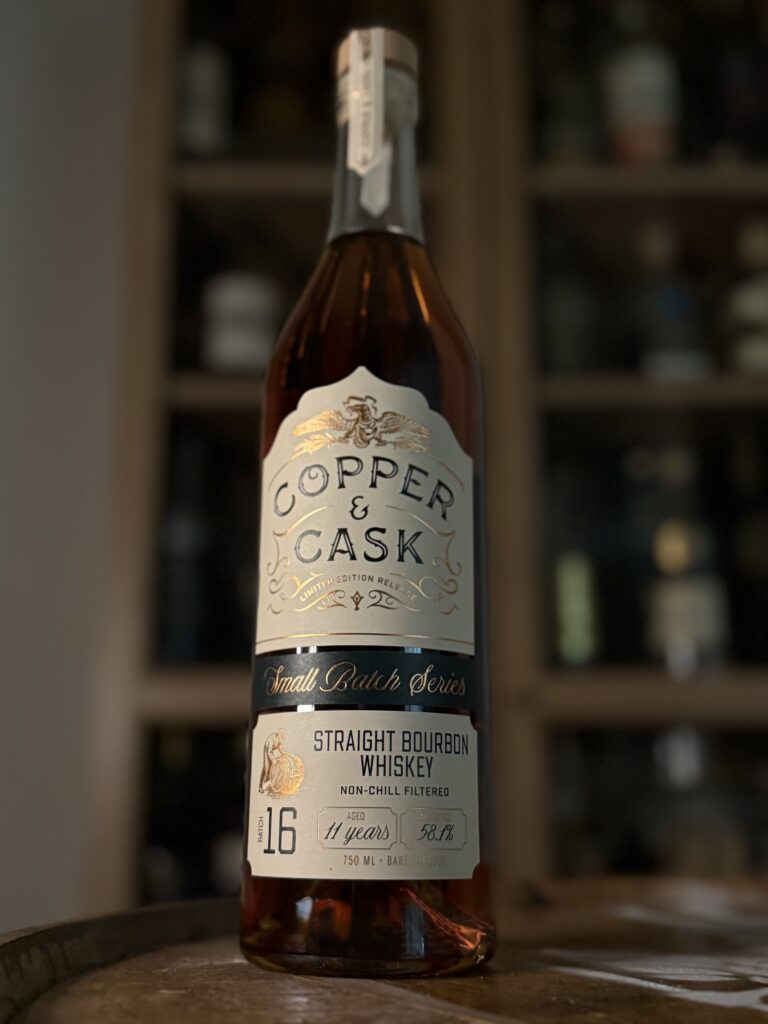
Each approaches blending differently, yet all demonstrate how thoughtful barrel selection can create something that feels distinct from both a single barrel and a large-scale flagship bourbon.
Maybe the Market Doesn’t Need a Definition
Would an official legal definition help?
Perhaps. But I’m not convinced it’s necessary.
The bourbon community has become far more educated over the past decade. Today’s enthusiasts ask better questions.
How many barrels? Who blended it? Where was it distilled? Why these barrels?
As more producers voluntarily answer those questions, transparency becomes a competitive advantage. That’s good for consumers. And ultimately, it’s good for bourbon.
Maybe “small batch” doesn’t need Congress or the TTB to decide what it means. Maybe it simply needs producers willing to tell the whole story.
If that continues, the future of small batch won’t be defined by regulation.
It’ll be defined by trust.
Where do you draw the line?
Is six barrels enough? Twenty? Fifty? Or should “small batch” remain undefined altogether?
I’d love to hear where you think the term starts (and stops) having meaning.
One final note: This isn’t meant to suggest that true small-batch whiskey is something NDPs invented. Craft distilleries like Song Dog, Town Branch, and many others have been producing intentionally blended, genuinely small-batch whiskeys for years. What excites me is seeing more independent bottlers embrace that same philosophy, placing greater emphasis on transparency, smaller barrel counts, and blending with purpose. Whether the whiskey comes from a craft distillery or an independent bottler, I hope this trend continues. If it encourages producers to tell us more about what’s in the bottle and why those barrels were chosen, bourbon drinkers are the ones who ultimately win.
Related Articles
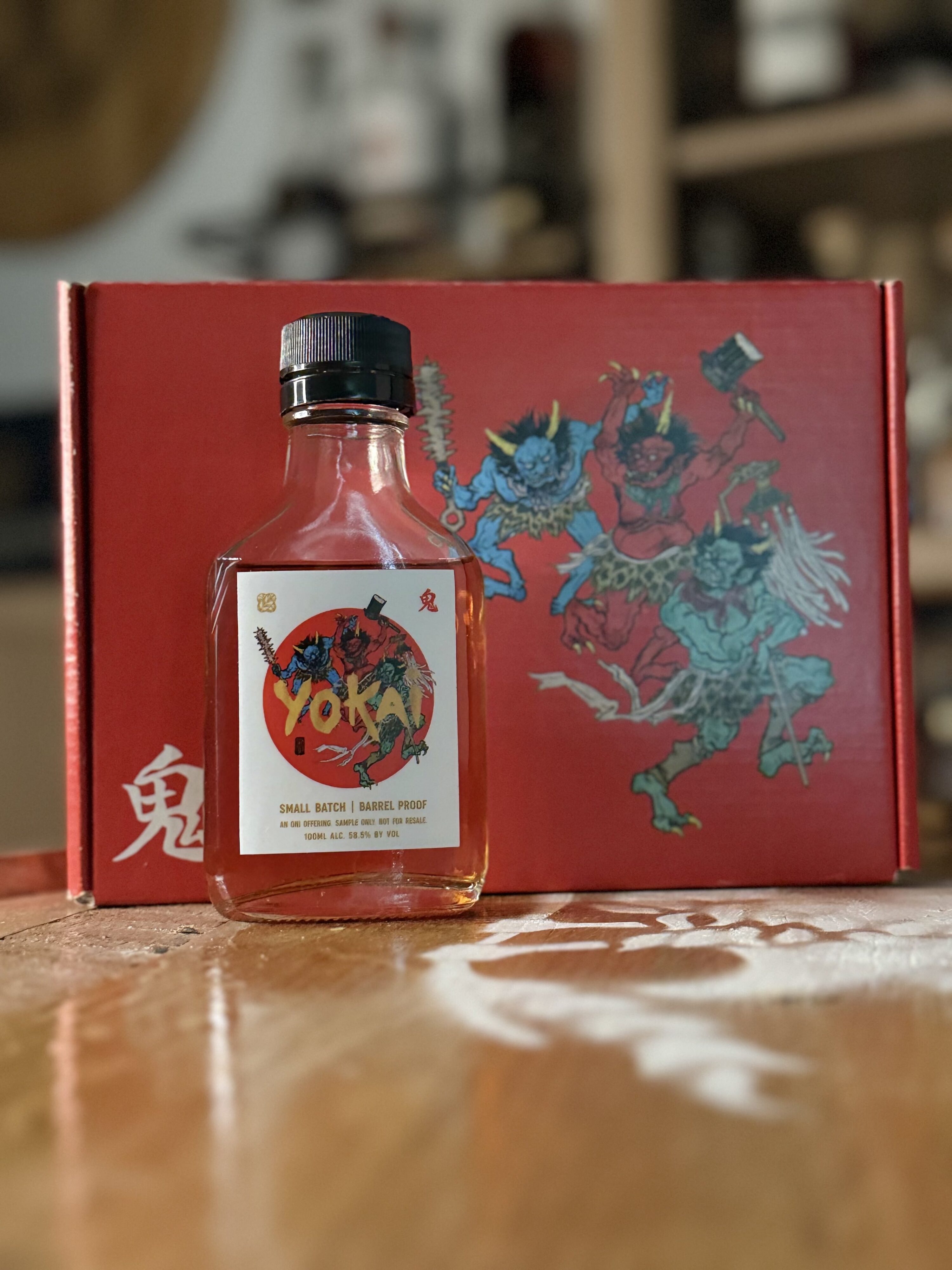
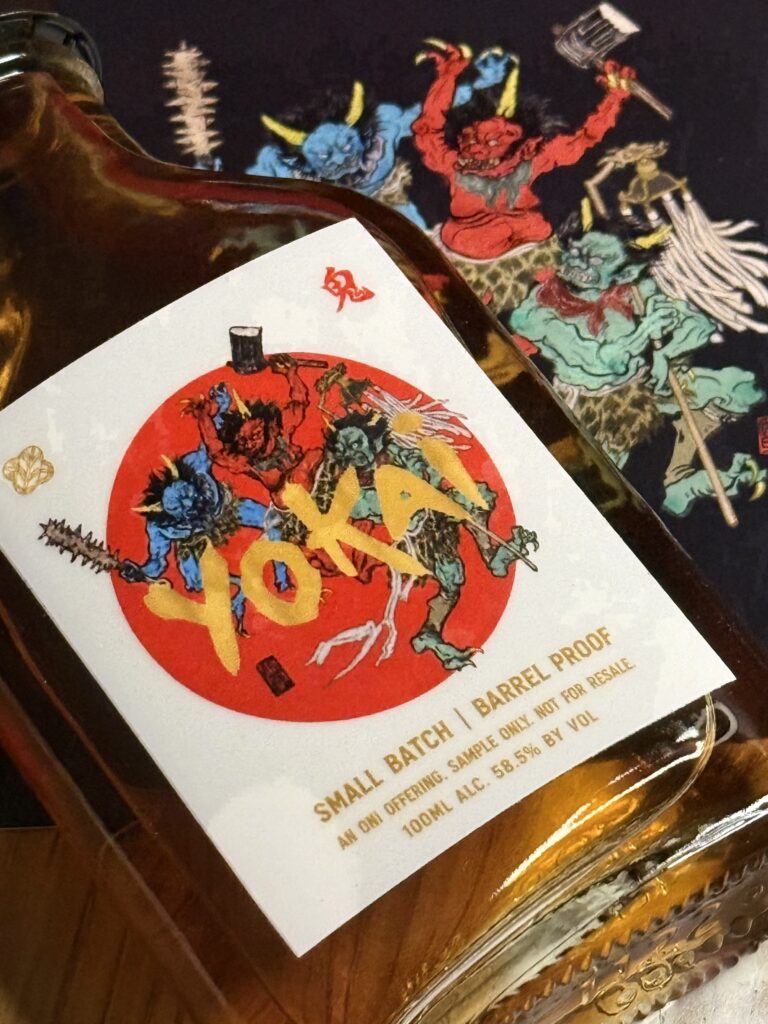
A full review of Mugen Oni Small Batch Bourbon, exploring tasting notes, value, transparency, and whether this Japanese folklore-inspired release is worth chasing.
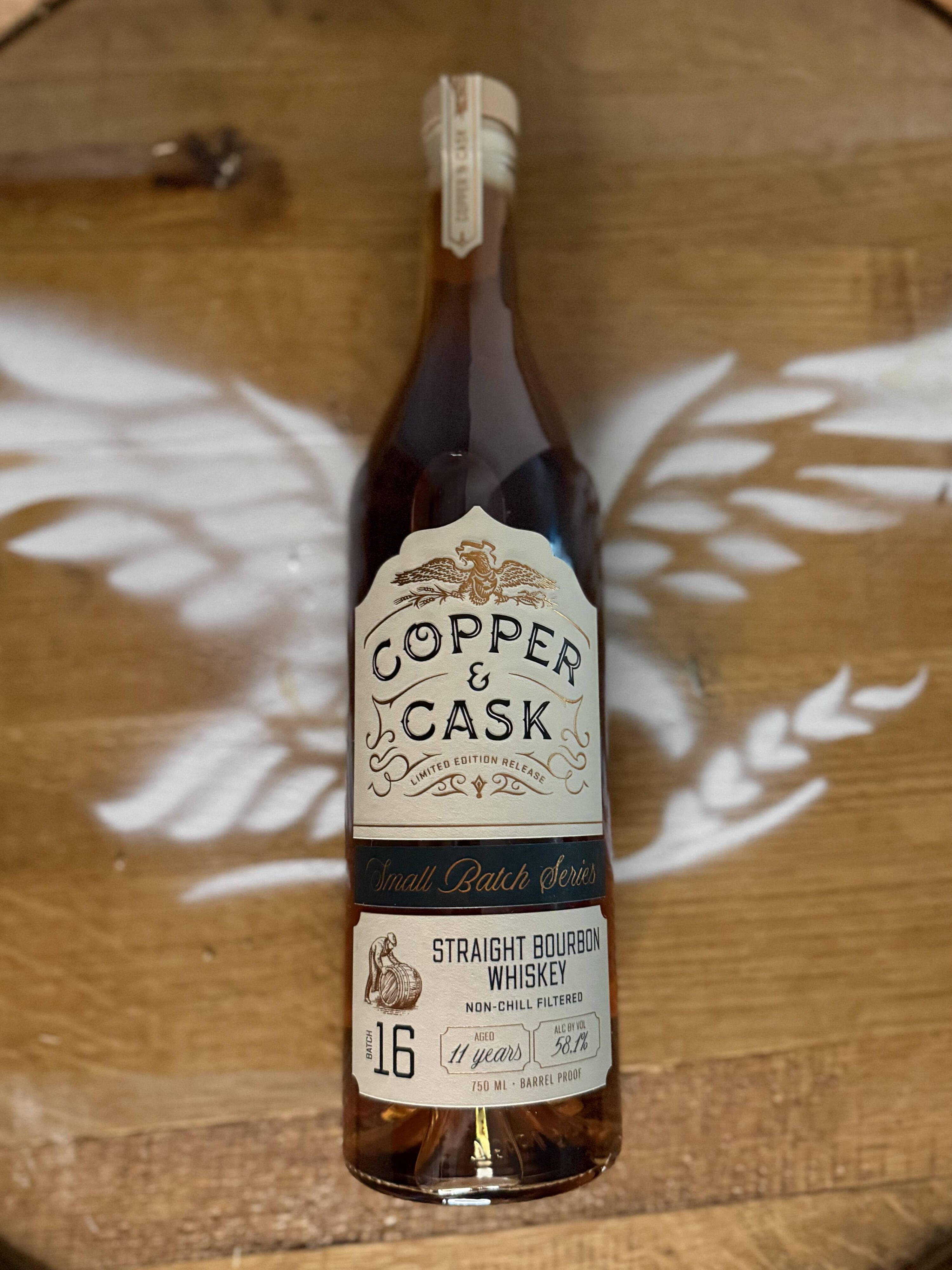
Copper & Cask Batch 016 pairs an exceptional dessert-driven nose with a bold, heat-forward palate and a long, evolving finish — an 11-year MGP bourbon that balances indulgence with intensity.
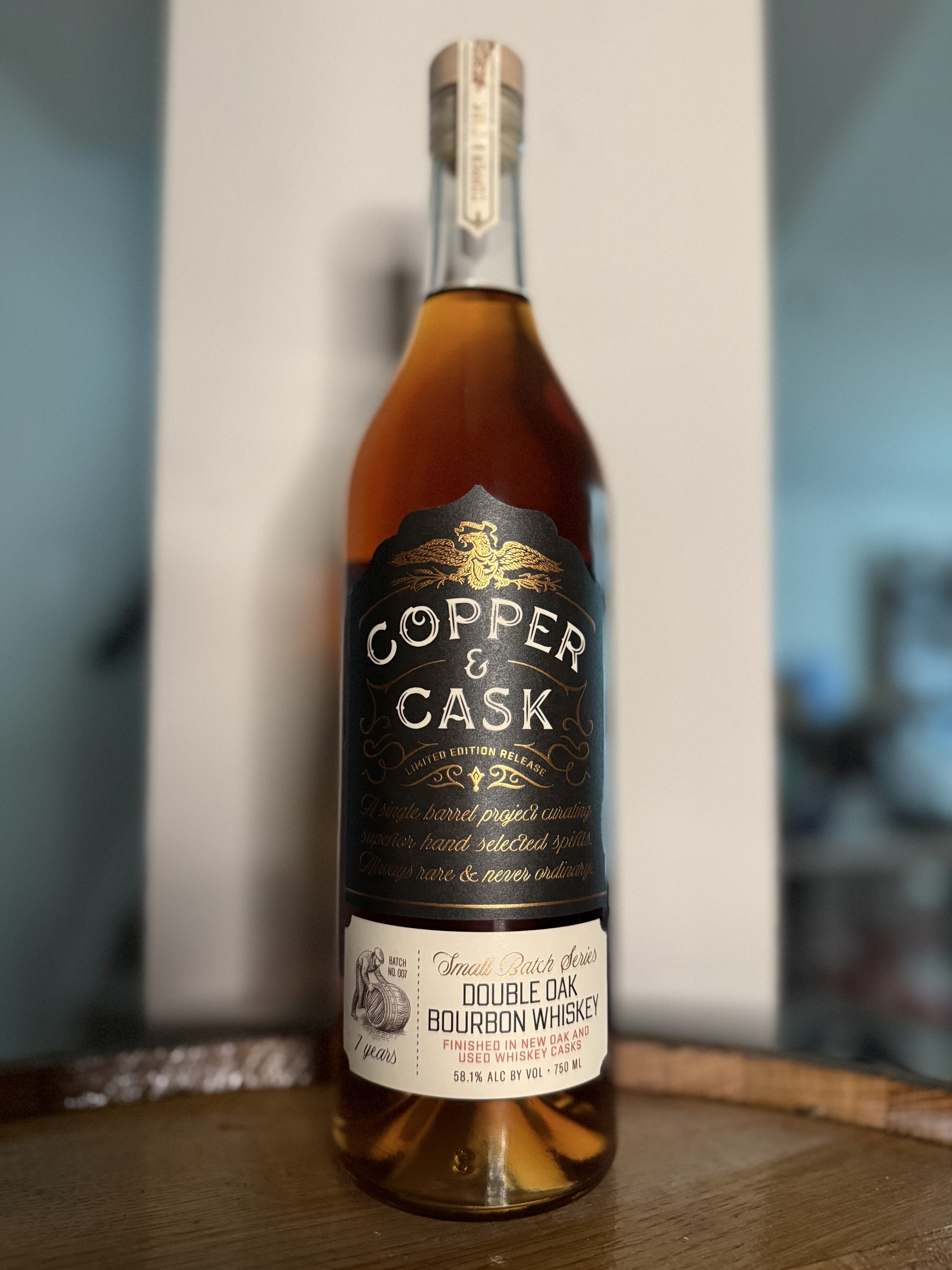
Copper & Cask’s Double Oaked Series Batch 07 delivers layered sweetness, baking spice, and balance: an approachable yet well-aged MGP bourbon that avoids the usual over-oaked pitfalls.
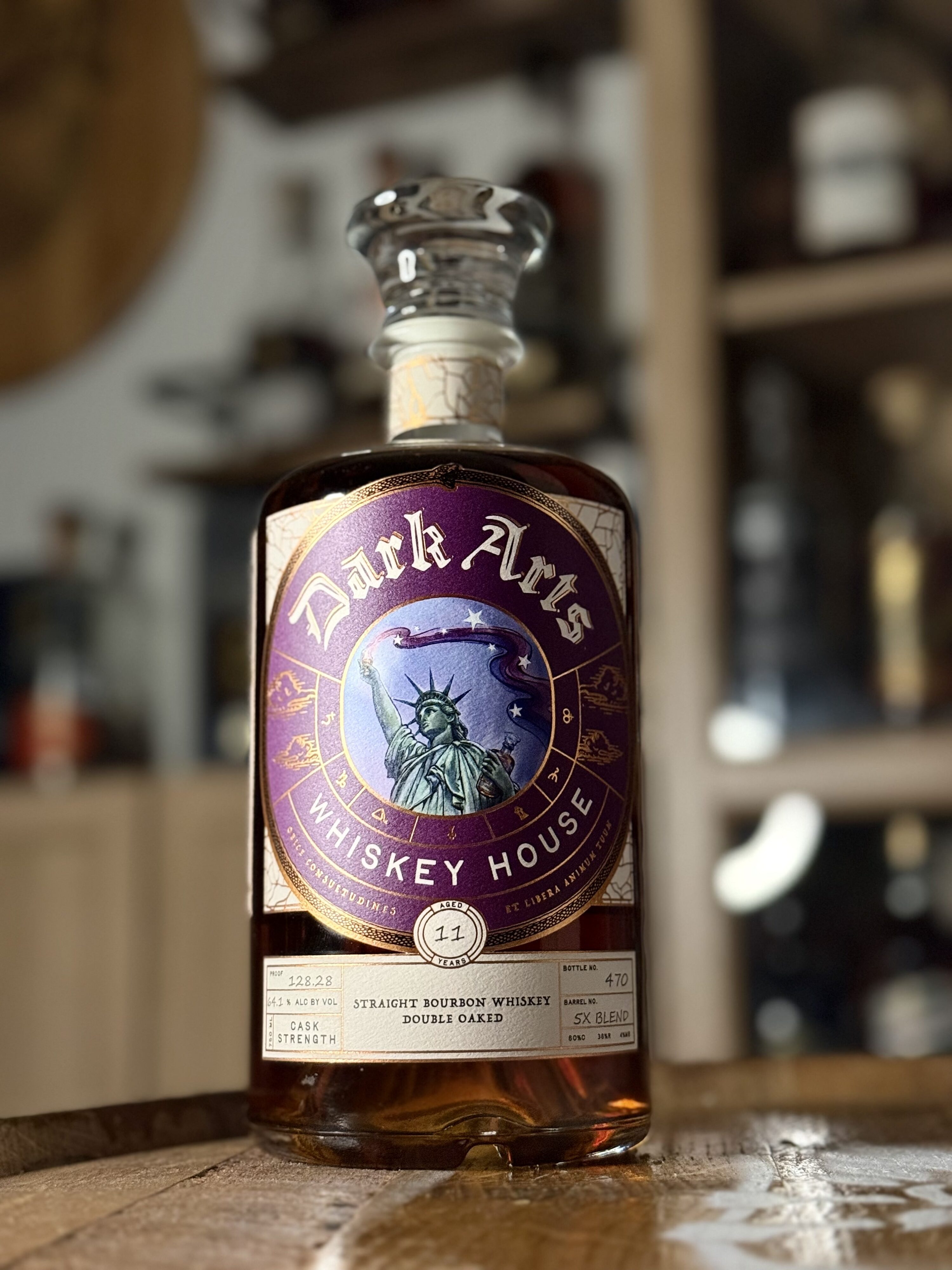
A detailed review of Dark Arts 250th 11-year double oaked MGP blend—bold proof, layered dessert-driven notes, and masterful blending anchored by Macaulay’s precision.
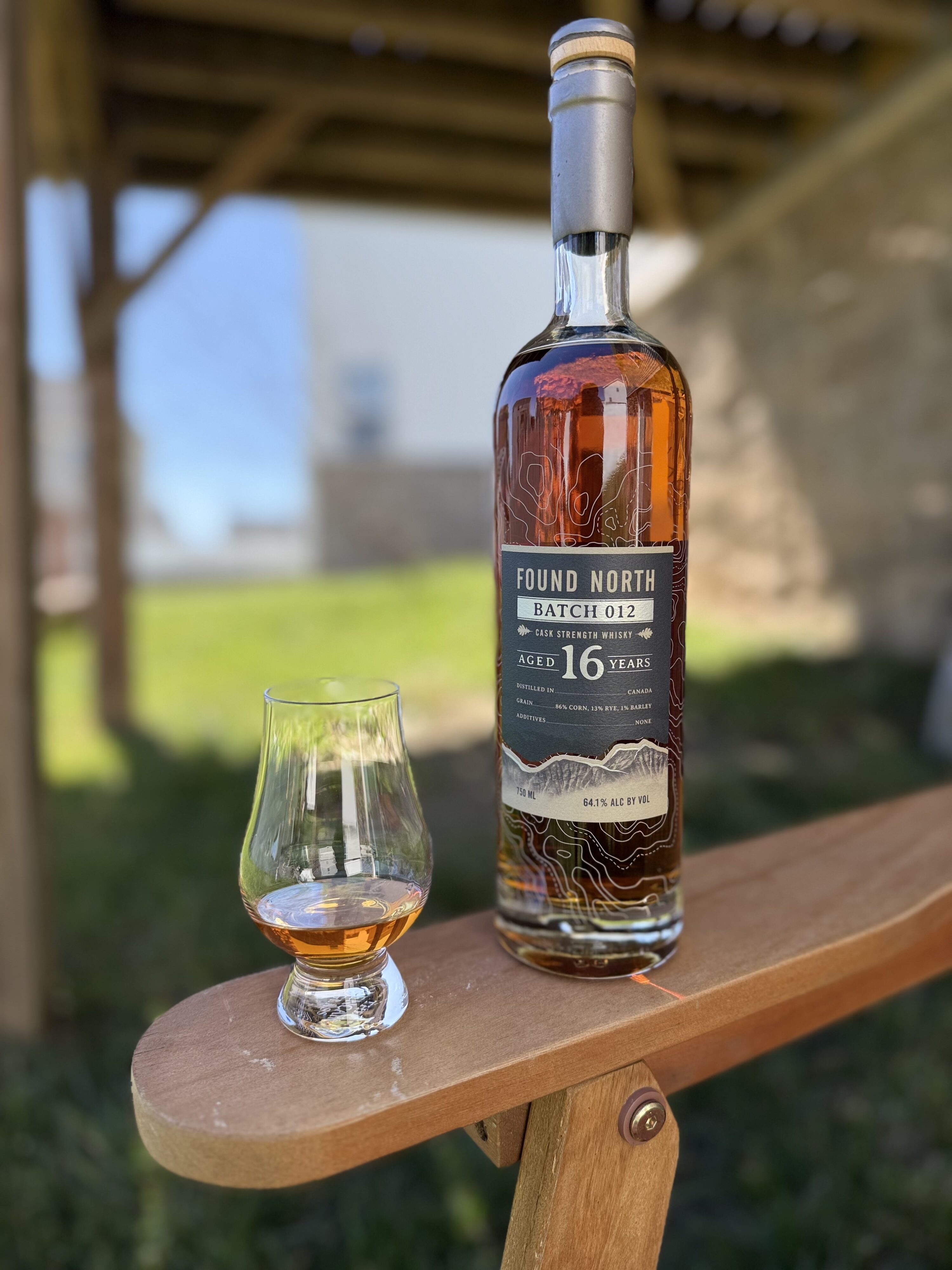
A curated list of 10 whiskies for summer—from easy RTDs and bright small-batch pours to finished drams and bold cask strength sippers for warm nights.
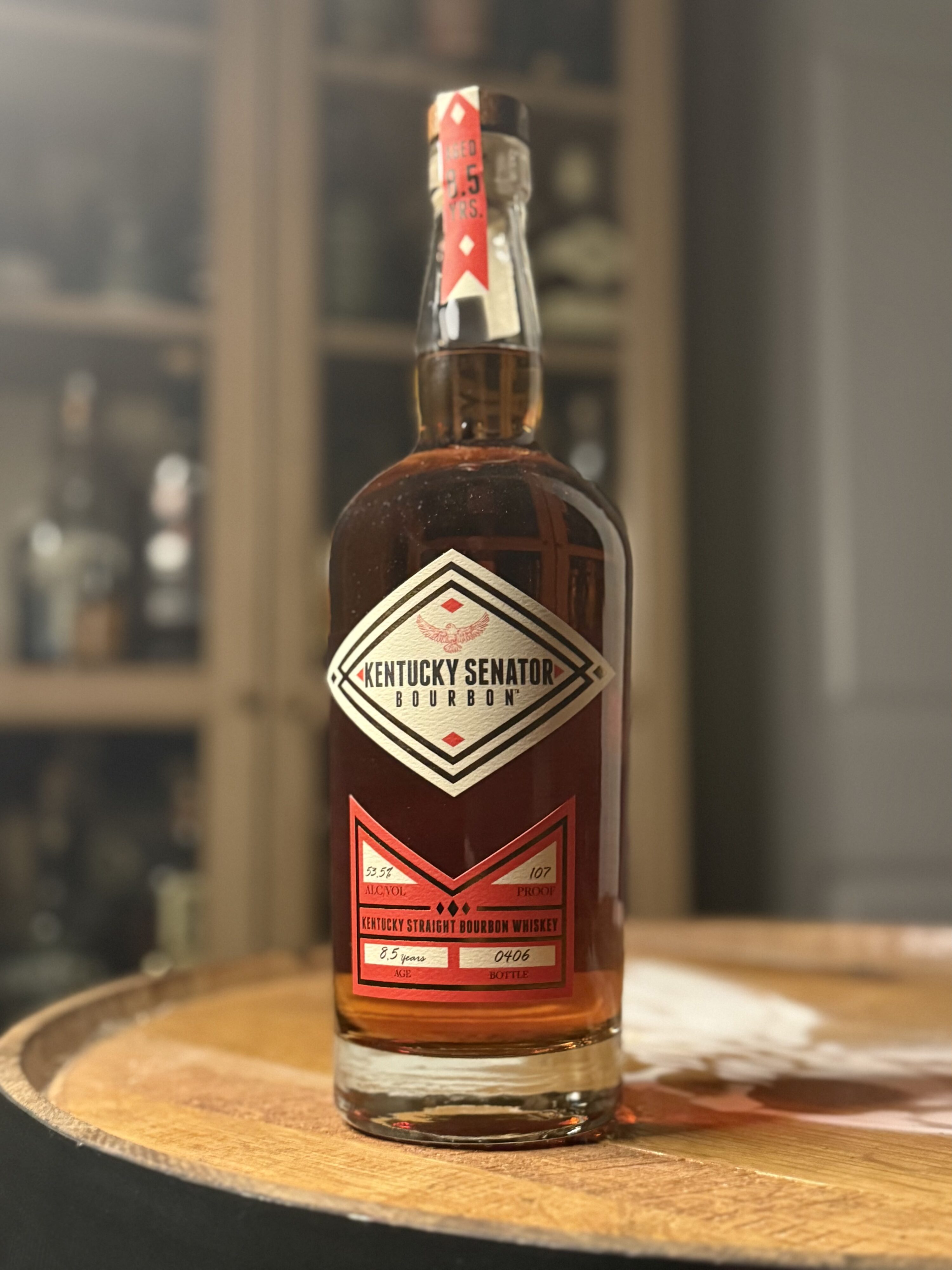
Kentucky Senator’s Jim Bunning Release delivers an 8.5-year-old, 107-proof Kentucky bourbon packed with nutty depth, baking spice, and dusty vintage character. A collectible release with strong transparency and unmistakably classic Kentucky flavor.
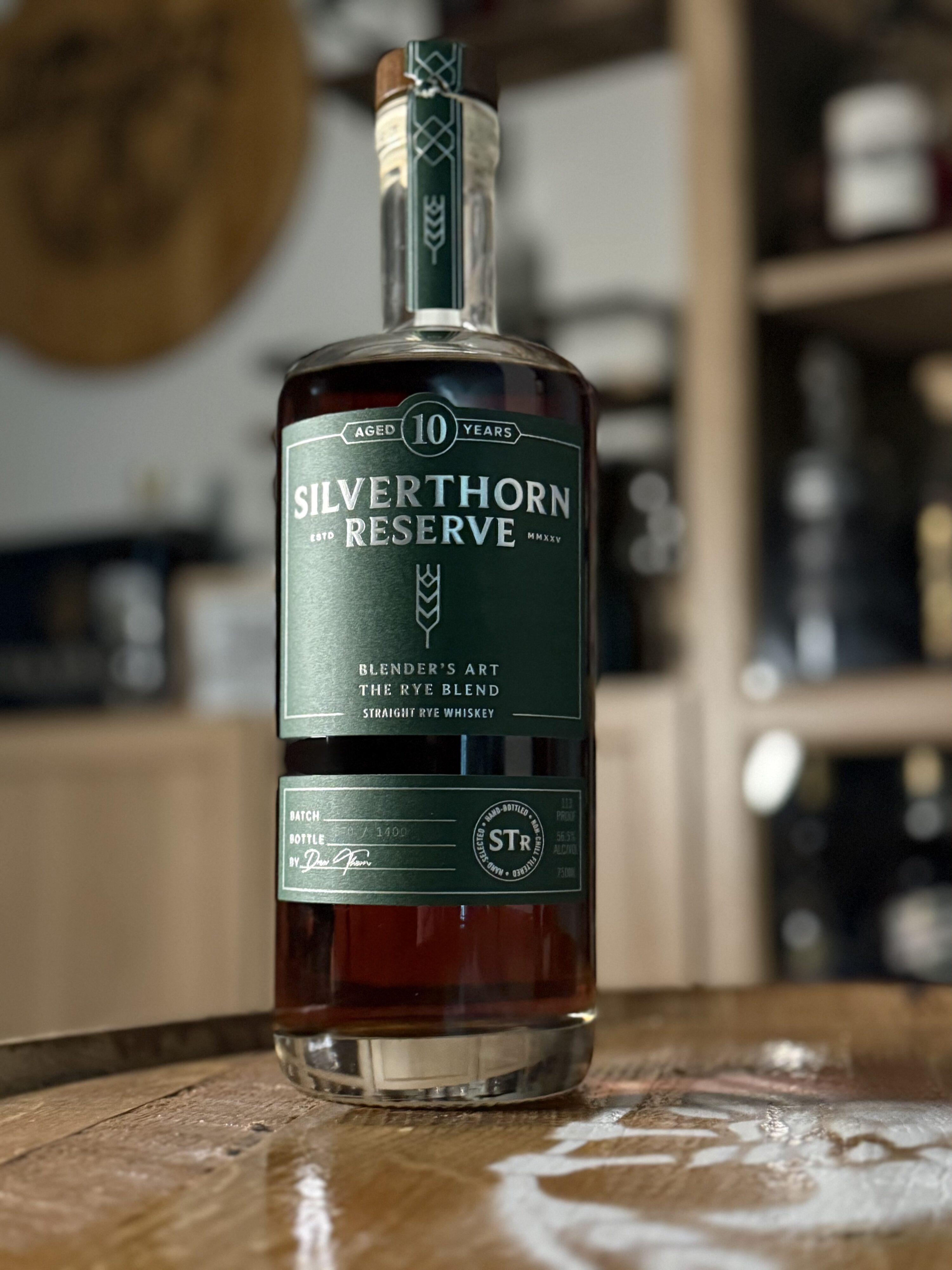
Silverthorn Rye Blend combines multiple mature rye mashbills with double-oaked finishing influence, creating a complex pour full of cinnamon apples, mint, brown sugar, and barrel spice.
Pingback: New IWSR Data Debunks the "Gen Z Doesn't Drink" Narrative—But There's a Catch Review | Bourbon Bishop
Pingback: The Bourbon Bishop's Unofficial Whiskey Dictionary Review | Bourbon Bishop
Pingback: Your Whiskey Brand Isn't the Hero. Your Customer Is. Review | Bourbon Bishop