
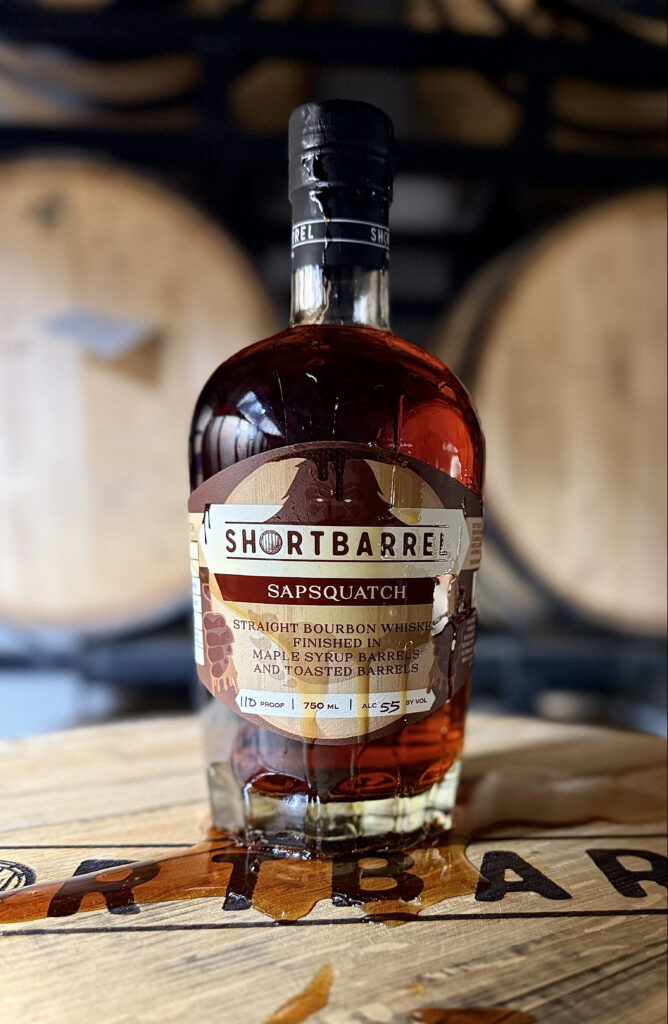
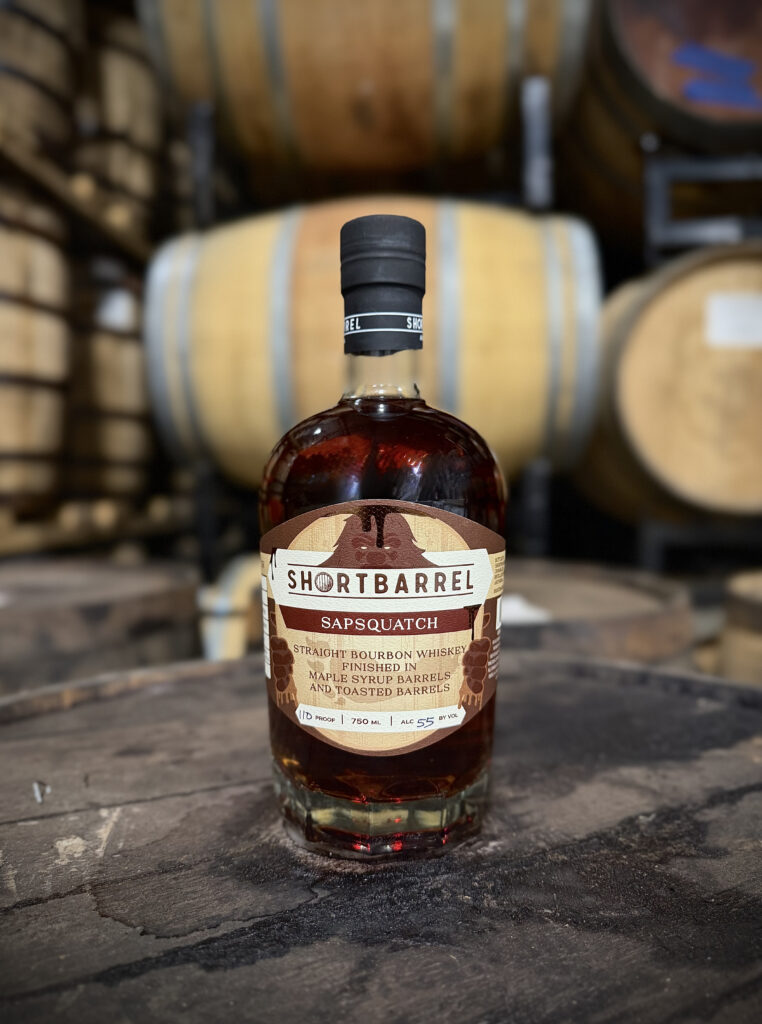
Atlanta-based Shortbarrel revives its limited Sapsquatch Bourbon with a two-stage sugar maple finishing process designed to enhance structure, spice, and mouthfeel rather than overpower the whiskey with sweetness.
ATLANTA (May 19, 2026) — Atlanta-based Shortbarrel has announced the return of Sapsquatch Bourbon, its limited-edition sugar maple-finished release built around a process that intentionally avoids turning whiskey into dessert.
The 110-proof bourbon, first introduced in highly limited single barrel form in 2025, returns this year as a larger small batch blend sourced from multiple Kentucky and Indiana distilleries and finished in Atlanta using a layered, two-stage maple maturation process developed by Co-Founder and Master Blender Clinton Dugan.
Priced at $89.99, Sapsquatch arrives at a time when finished bourbons continue to dominate enthusiast conversation — but few categories remain as polarizing as maple-finished whiskey.
Most maple whiskey releases tend to land in one of two camps:
overly sweet flavored whiskey products or novelty cask finishes that sacrifice bourbon structure for syrup-heavy profiles.
Shortbarrel appears to be aiming squarely between those extremes.
According to the company, Sapsquatch was never designed to taste sugary. Instead, maple is used as a structural tool — enhancing texture, density, and oak integration rather than overwhelming the whiskey itself.
That distinction becomes central to both the whiskey’s process and its positioning.
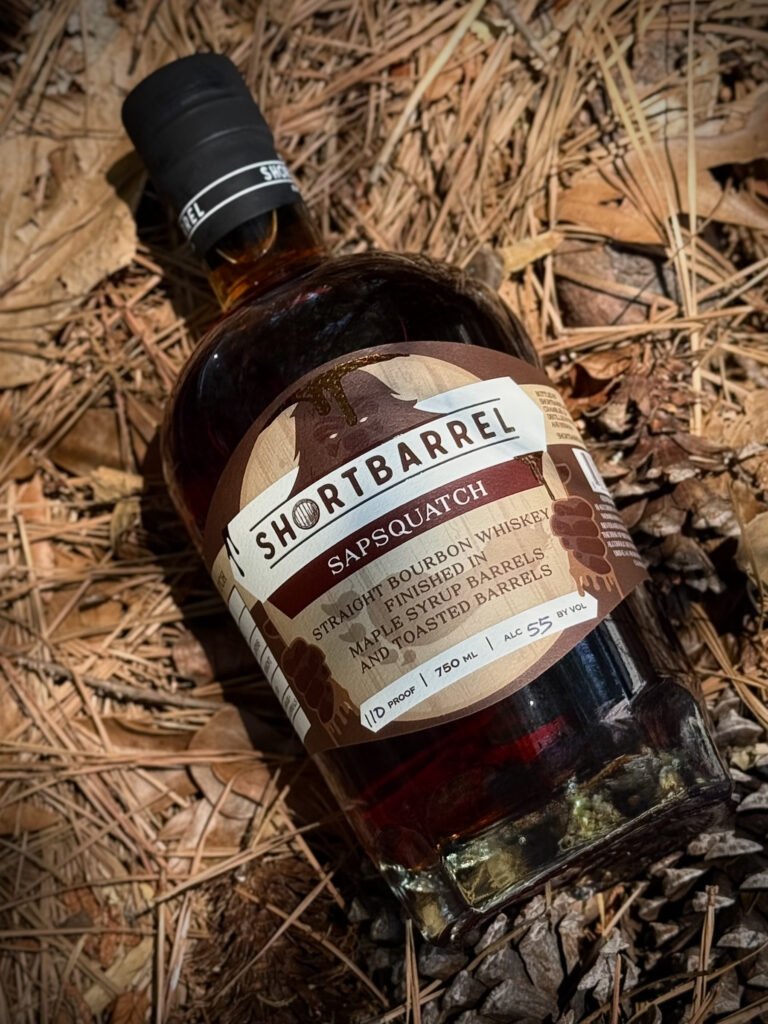
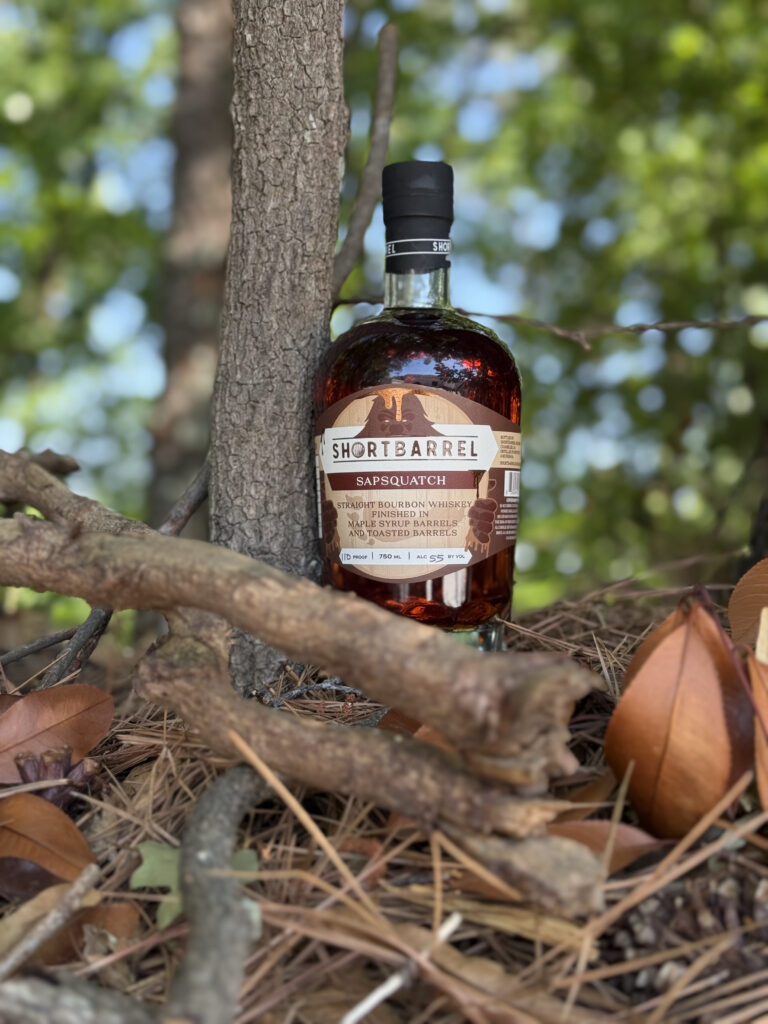
A Different Kind of Maple Finish
At the core of Sapsquatch is a finishing process that looks noticeably more engineered than typical secondary maturation releases.
Rather than simply dumping bourbon into used maple syrup barrels and waiting for results, Shortbarrel developed a two-step system designed to control consistency and integration.
The process begins with blending sourced bourbons from several major distilleries, including Jim Beam, Barton 1792 Distillery, Bardstown Bourbon Company, Green River Distilling Co., and MGP Ingredients.
Those bourbons — primarily six-to-eight years old — are then transferred into stainless steel tanks where they condition for six to eight weeks alongside sugar maple infusion spirals.
That initial conditioning phase is intended to establish controlled maple influence before barrel finishing begins.
From there, the whiskey enters Kelvin-toasted barrels that previously held maple syrup sourced from producers including Barred Woods Maple and Seldom Seen Farm.
According to Dugan, the goal was to create a maple-finished bourbon with consistency and depth rather than overt sweetness.
“We found that simply finishing our bourbon in former maple syrup barrels wasn’t the right approach,” Dugan said. “It lacked consistency and missed the balance and depth we were looking for.”
He added that the maple influence was designed to contribute “mouthfeel, mid-palate density, and a perception of roundness without pushing the whiskey into dessert territory.”
That may ultimately be the most interesting aspect of the release.
Maple finishing has become increasingly common in modern bourbon, but many releases still rely heavily on sweetness as the primary selling point. Sapsquatch instead appears positioned closer to oak-forward finished whiskey with maple acting as an accent rather than a dominant flavor.
Why This Release Stands Out
Sapsquatch matters less because maple-finished bourbon is new and more because of how intentionally restrained this release appears to be.
That restraint feels increasingly rare.
Over the last several years, finished bourbon has exploded commercially, but consumer fatigue has followed alongside it. Many enthusiasts have become skeptical of finishing techniques that feel designed primarily to mask younger whiskey or create novelty flavor profiles.
Shortbarrel’s approach seems aware of that criticism.
The company repeatedly emphasizes oak structure, spice, and whiskey-forward character over sweetness throughout its release materials. Even the tasting notes lean heavily into toasted wood, burnt sugar, baking spice, and drying oak rather than syrup-heavy dessert notes.
That positioning also aligns naturally with Shortbarrel’s broader identity.
Since launching in 2020, the Atlanta-based brand has built much of its reputation around sourced and finished whiskey releases that lean heavily into blending technique and barrel manipulation rather than traditional heritage marketing.
Sapsquatch may be one of the clearest examples yet of that philosophy.
The release also arrives at an interesting time for finished bourbon generally.
Consumers have shown growing interest in secondary maturation styles that go beyond the now-common sherry, port, and rum cask finishes. Maple presents a recognizable flavor profile while still offering enough novelty to stand apart — especially when executed with restraint.
At 110 proof, Shortbarrel also avoids one of flavored whiskey’s most common pitfalls:
lowering proof to chase sweetness and accessibility.
Instead, this remains firmly in enthusiast territory.
“We found that simply finishing our bourbon in former maple syrup barrels wasn’t the right approach. It lacked consistency and missed the balance and depth we were looking for.”
– Clinton Dugan, Master Blender & Co-Founder of Shortbarrel
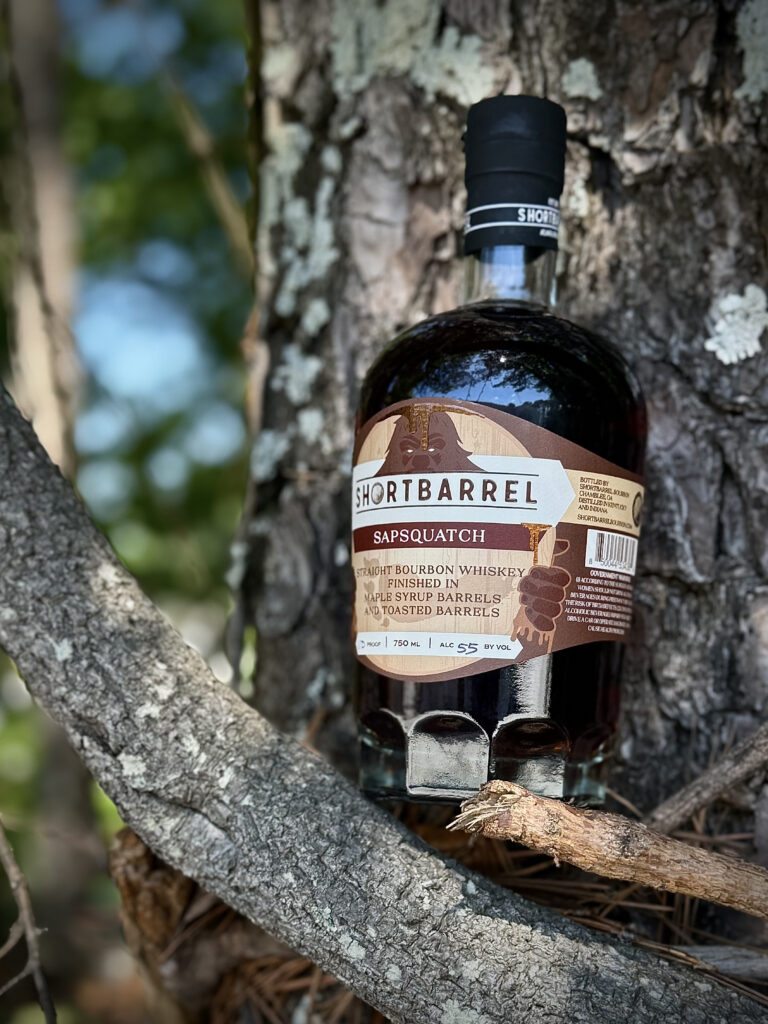
The Whiskey
- Classification: Maple Finished Bourbon Whiskey
- Proof: 110 (55% ABV)
- Age Range: 6–8 Years
- Source Distilleries Include: Jim Beam, Barton, Bardstown Bourbon Company, Green River, and MGP
- Mashbills: Primarily 70% corn / 21% rye / 9% malted barley and 75% corn / 21% rye / 4% malted barley
- Finish: Two-stage sugar maple finishing process with maple infusion spirals and ex-maple syrup barrels
- MSRP: $89.99
Tasting Notes (per release notes)
- Nose: Toasted oak, maple wood, charred sugar, caramel, vanilla bean, baking spice, and light ethanol lift
- Palate: Dense oak structure with dark caramel, burnt sugar, seasoned wood, clove, cinnamon, roasted nut, and restrained maple influence
- Finish: Long, drying, oak-forward finish with toasted wood, caramelized sugar, spice, and lingering heat
Availability
Shortbarrel Sapsquatch Bourbon is available beginning now through Shortbarrel’s official website and at select retailers with a suggested retail price of $89.99.
The company currently distributes products in Georgia, Kentucky, Florida, Tennessee, and Texas while also operating direct-to-consumer sales in 48 states through Shortbarrel Bourbon and Old Fourth Distillery.
Consumers can also follow the brand through Shortbarrel’s Instagram page.
The Bottom Line
Sapsquatch doesn’t appear interested in becoming another sugary flavored whiskey.
Instead, Shortbarrel is positioning maple as a textural and structural finishing component — one designed to amplify spice, oak, and mid-palate weight without overwhelming the bourbon itself.
Whether that balance fully lands will ultimately come down to execution in the glass.
But on paper, this looks far closer to a serious finished bourbon than a novelty release.
And in a category increasingly crowded with excess, restraint may actually be the differentiator.
Related Articles
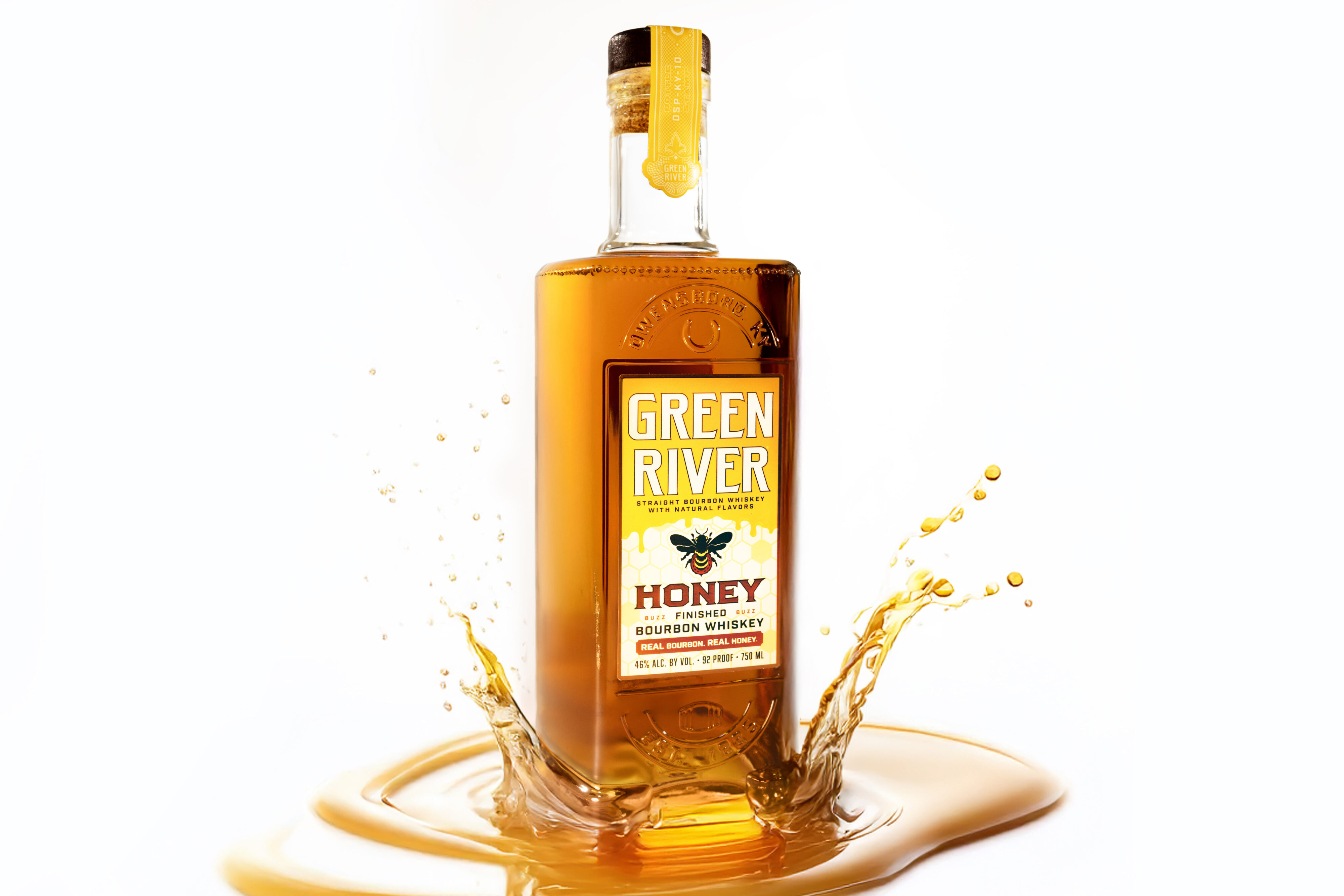
Green River Distilling Co. has announced Honey Finished Bourbon, a 92-proof Kentucky straight bourbon finished in-barrel with 100% real honey and no artificial sweeteners or additives.
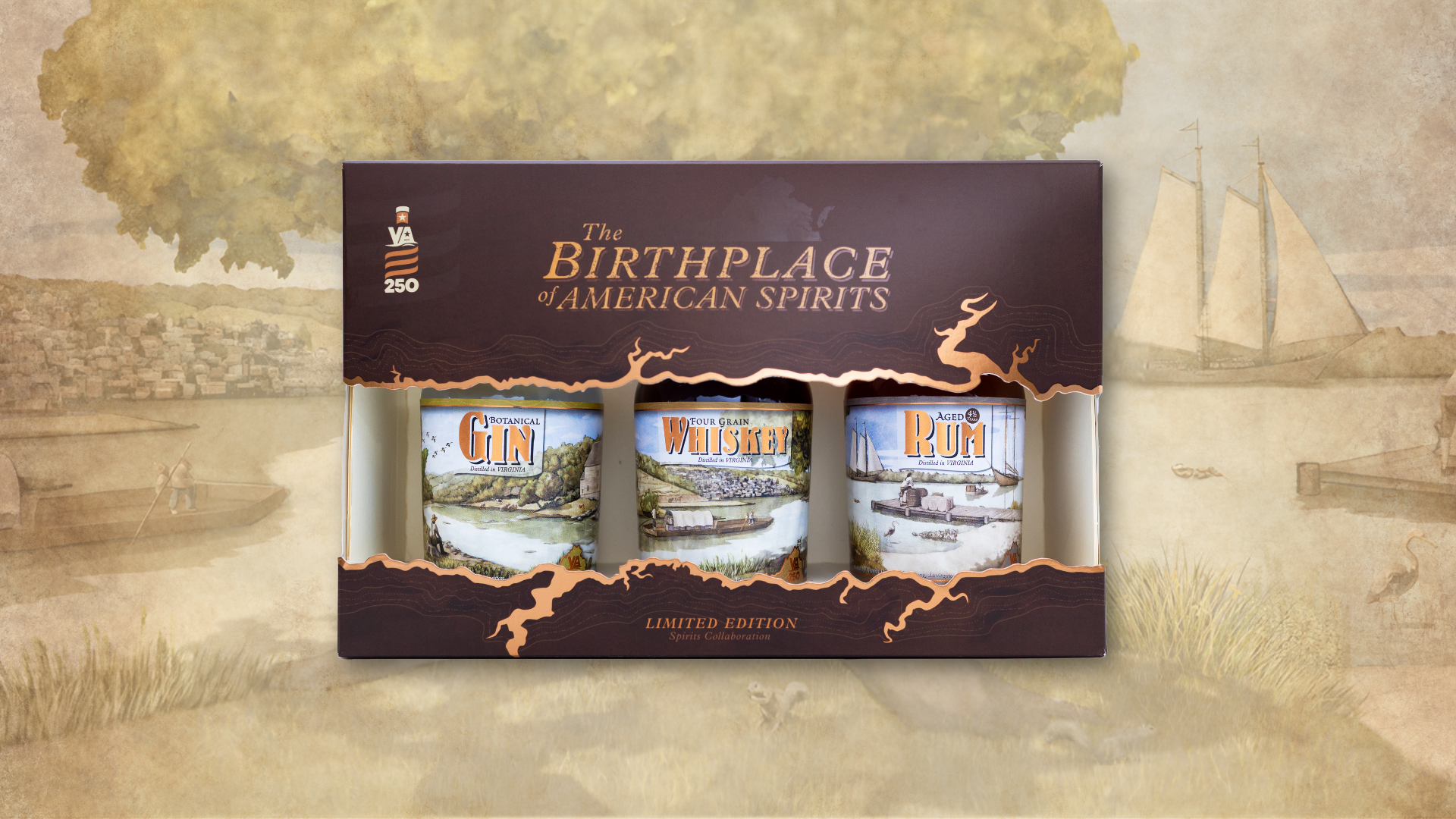
Virginia distillers release a limited-edition 250th anniversary trio pack featuring rum, whiskey, and gin. Details on the collaboration, distilleries involved, and why it matters.
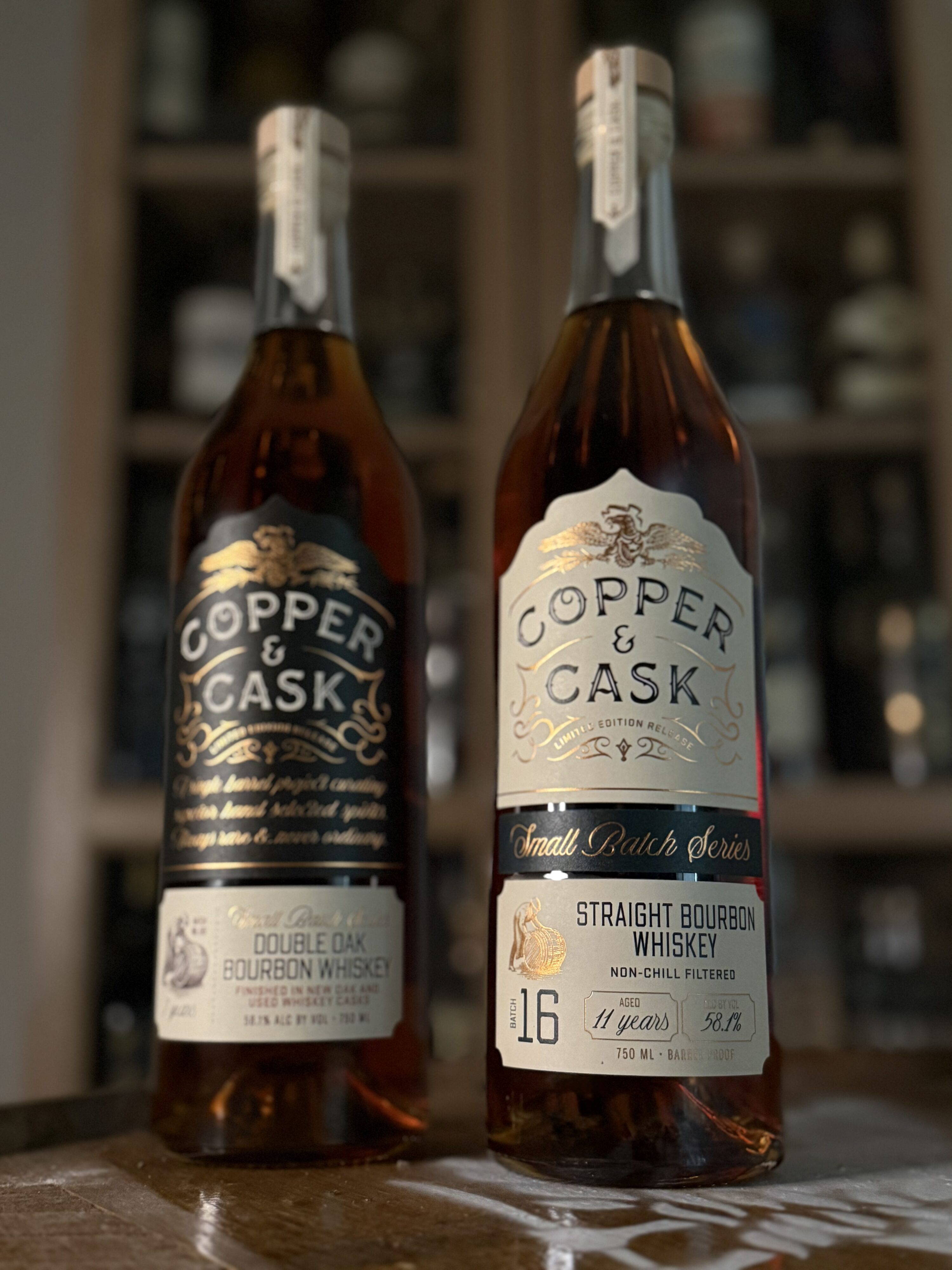
Copper & Cask Announces Small Batch Series No. 016 Bourbon and No. 015 (21-Year Cigar Blend Whiskey)
Copper & Cask reveals Small Batch Series No. 016, an 11-year bourbon, and No. 015, a 21-year Canadian whisky finished in Armagnac and Port casks.
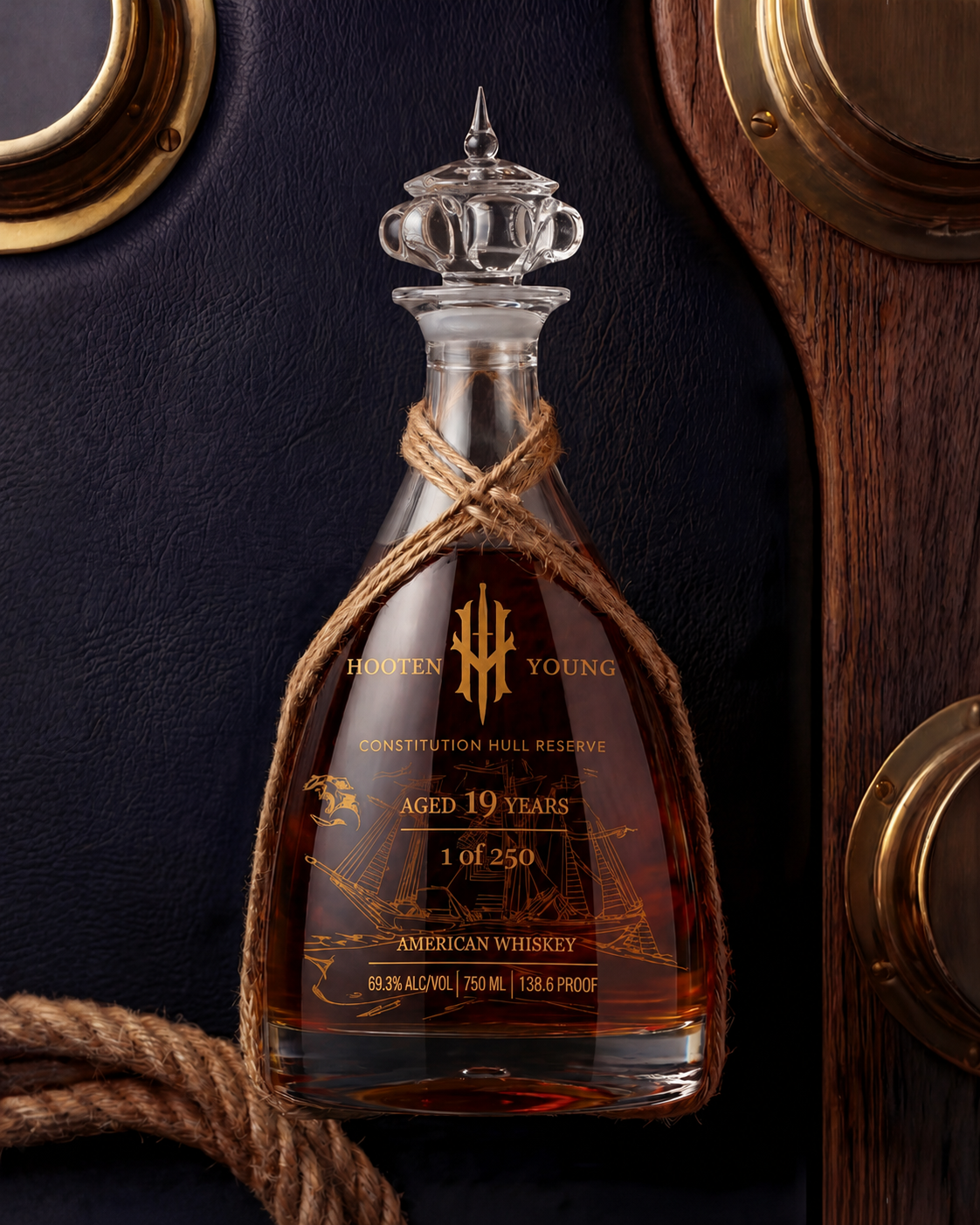
Hooten Young’s Constitution Hull Reserve pairs 19-year age with USS Constitution oak, creating a 250-bottle release built on rarity, history, and collector appeal.
Pingback: Hinterhaus Distilling Expands Production With New 2,000-Liter Copper Pot Still Review | Bourbon Bishop
Pingback: Kentucky Peerless 10-Year Bourbon Wins Double Platinum at 2026 ASCOT Awards Review | Bourbon Bishop
Pingback: Mugen Spirit Introduces Oni, a Barrel Proof Small Batch Bourbon Inspired by Japanese Folklore Review | Bourbon Bishop
Pingback: Shortbarrel - Four Grain Bourbon Review Review | Bourbon Bishop
Pingback: Locke + Co.'s Big Blaze Bourbon Earns Double Gold at 2026 Denver International Spirits Competition Review | Bourbon Bishop
Pingback: Bardstown Bourbon Company’s New Pineapple Barrel Finish Whiskey Isn’t What You Think Review | Bourbon Bishop