
Old Elk Whiskey
Unconventional Whiskey, Built With Purpose
Old Elk doesn’t try to make whiskey the way everyone else does.
Built around distinctive mash bills, mature whiskey and a deliberately patient approach to proofing, the Colorado brand has developed a portfolio that pushes beyond traditional bourbon conventions while remaining remarkably transparent about how its whiskey comes together. Much of that identity was shaped by legendary distiller Greg Metze, who helped develop custom recipes for the brand rather than simply putting a new label on an existing whiskey.
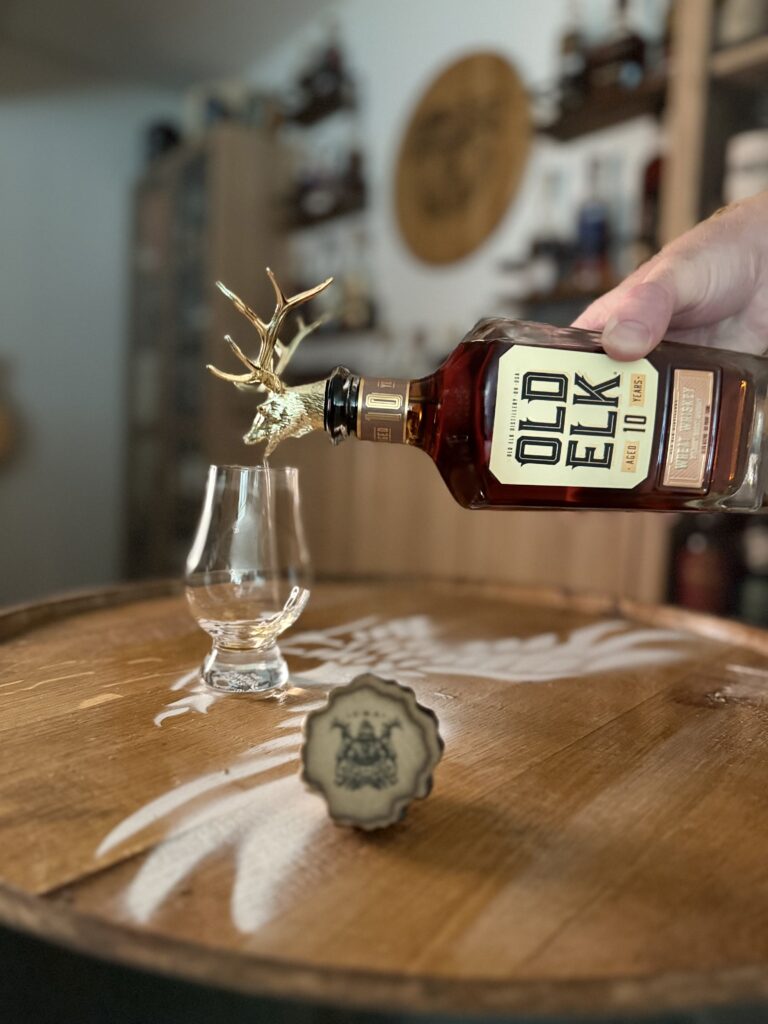
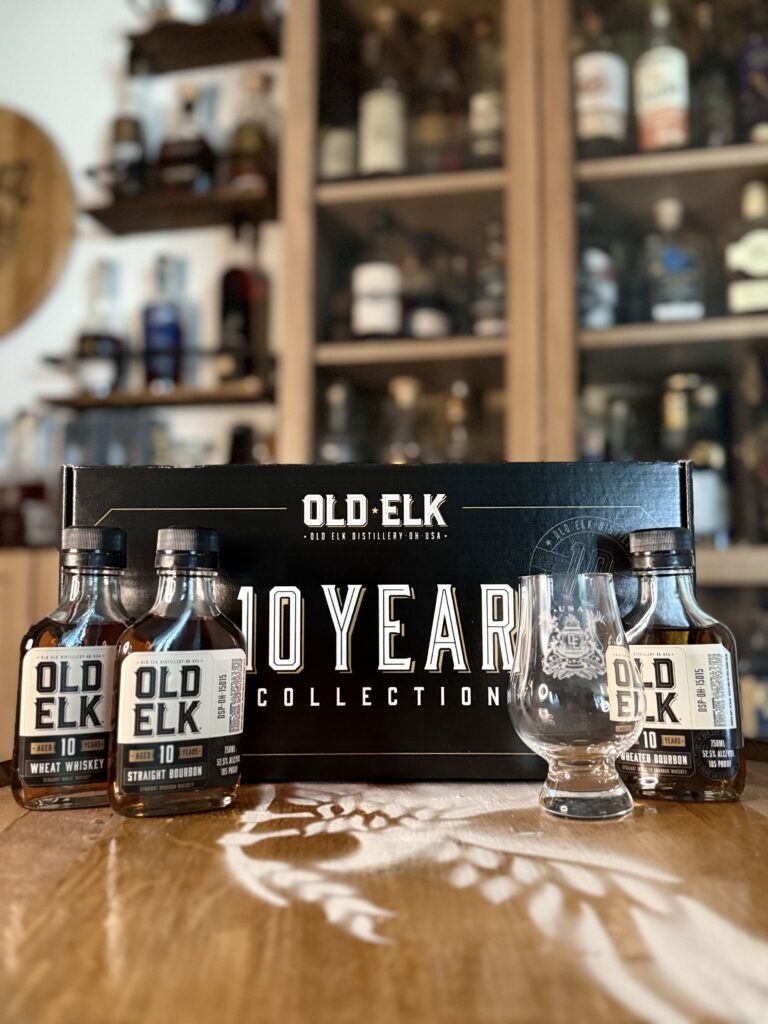
Now, under new ownership from Middle West Spirits, Old Elk is entering its next chapter. Its new 10-year collection offers a particularly interesting look at the brand: three different expressions built around three very different grain profiles, all showing just how much personality can come from what’s inside the mash bill.
Featured Reviews: The 10-Year Collection
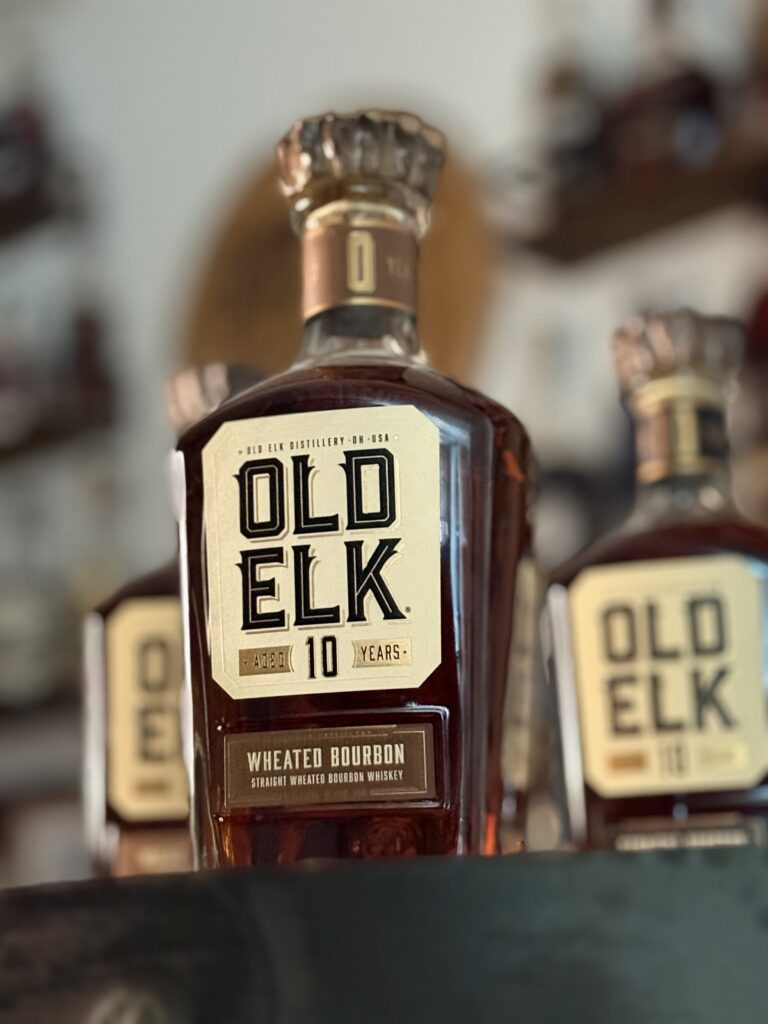
Old Elk’s 10-Year Collection isn’t simply three versions of the same whiskey. The Straight Bourbon, Wheated Bourbon and Straight Wheat Whiskey use dramatically different grain bills, giving each a distinct personality despite sharing the same 10-year age statement and $69.99 price.
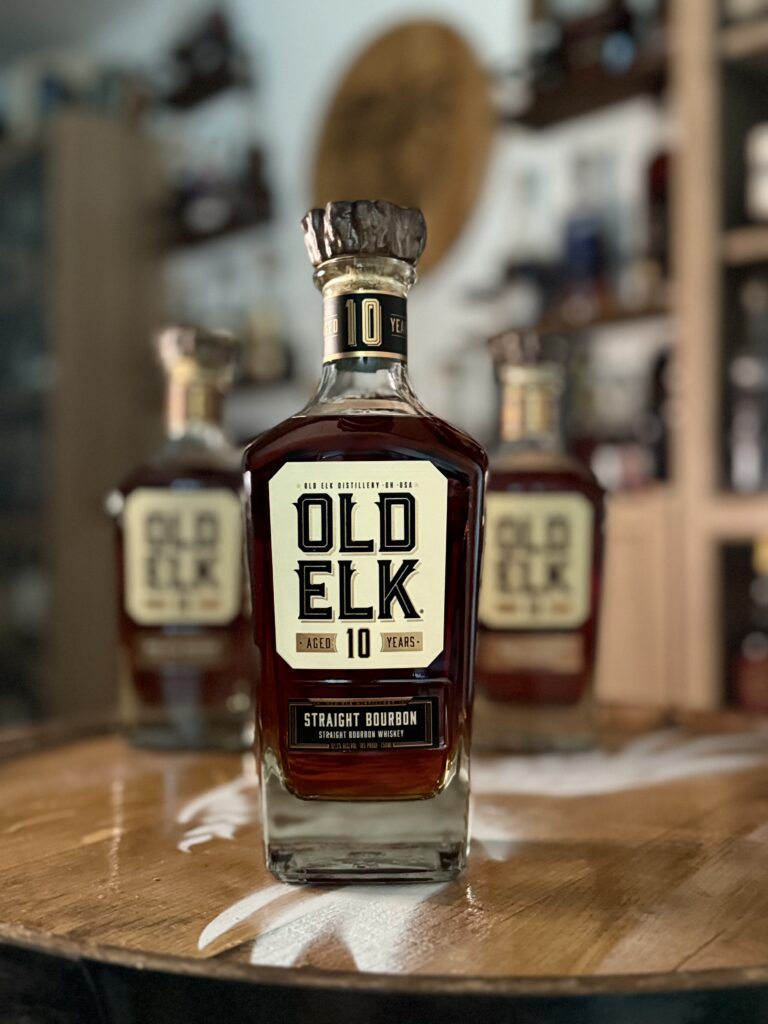
Straight Bourbon
105 proof | 51% corn, 34% malted barley, 15% rye
The oak-forward classic of the group, bringing mature charred oak, dark fruit, caramel and black pepper with an unexpected grapefruit note.
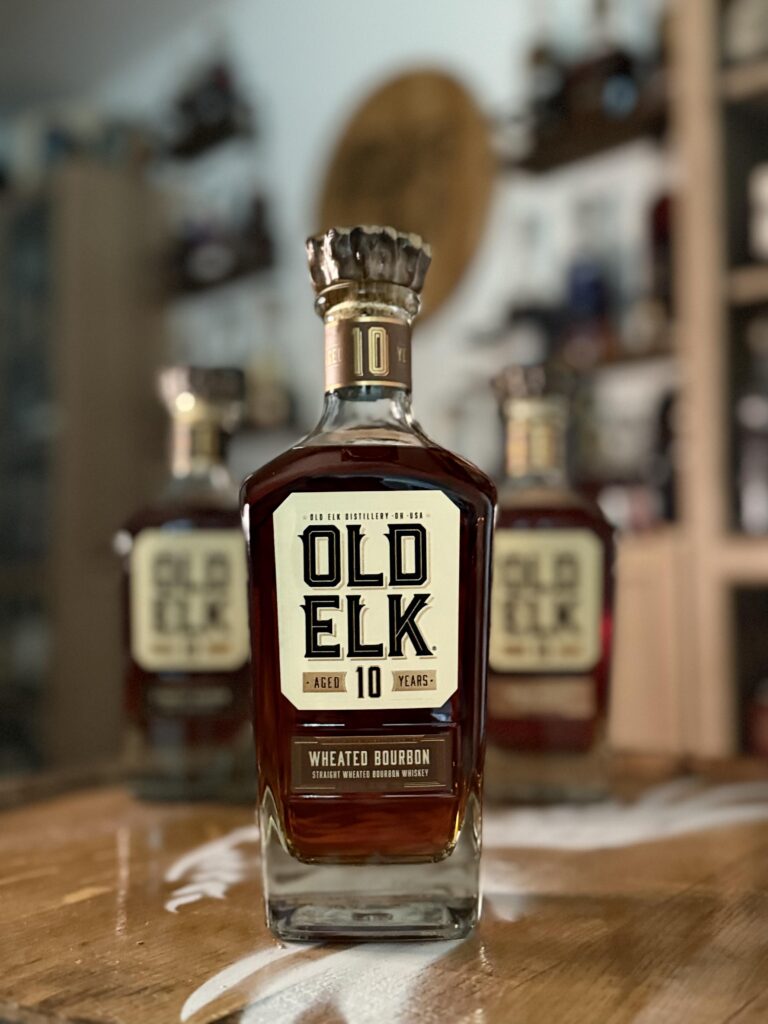
Wheated Bourbon
105 proof | 51% corn, 46% wheat, 3% malted barley
The crowd pleaser: creamy, balanced and approachable, with caramel, banana bread, molasses and a lingering pastry-like finish.
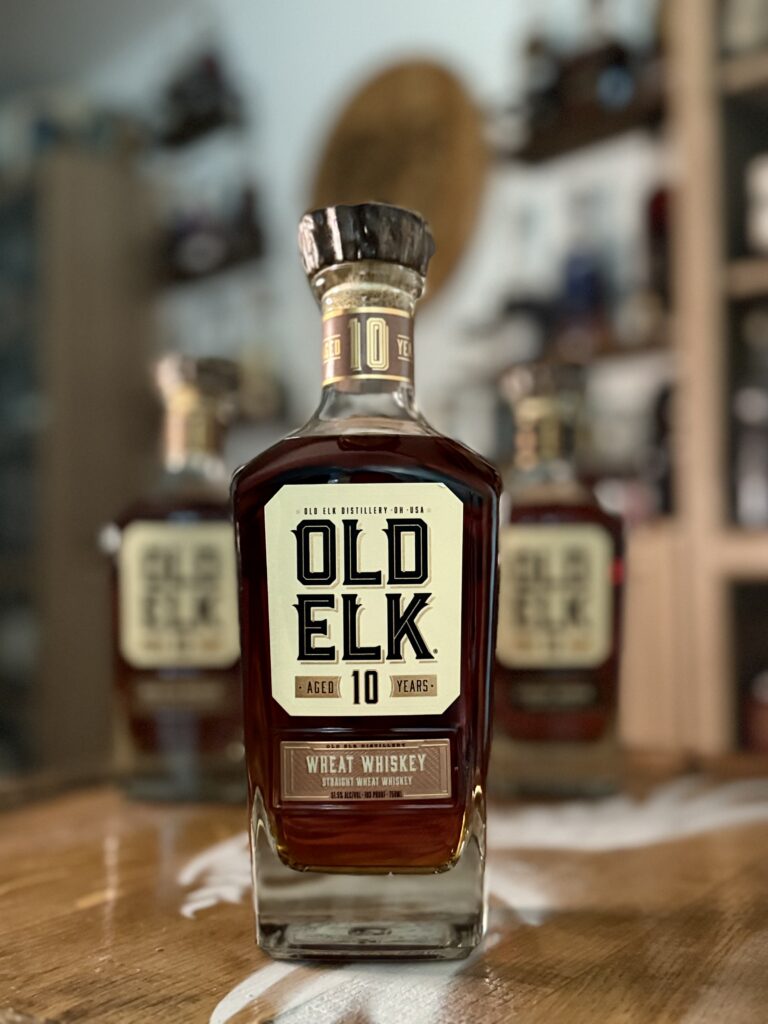
Wheat Whiskey
103 proof | 96% wheat, 4% malted barley
The wildcard (and my favorite). Watermelon sour gummies, vanilla cream and apple pie lead into an exceptionally creamy palate and a long fruit-and-spice finish.
The Old Elk Story
Greg Metze & The Mash Bills
Old Elk’s story is inseparable from Greg Metze.
Metze spent nearly four decades in the whiskey industry, including influential work with Seagram’s, Lawrenceburg Distillers Indiana and MGP. When he joined Old Elk, he brought that experience to the development of custom mash bills designed specifically for the brand, rather than simply selecting an existing whiskey recipe.
That philosophy remains evident throughout Old Elk’s portfolio. Its flagship bourbon uses an unusually high percentage of malted barley, while its wheated bourbon and wheat whiskey push wheat much further into the recipe. The result is a portfolio where the grain itself plays a meaningful role in the finished whiskey.
For me, that’s an important distinction. Sourced whiskey doesn’t have to mean generic whiskey. Old Elk has historically been transparent about its sourcing relationships while putting considerable creative ownership into the recipes, maturation and finished products.
Slow Cut™: Proofed for Taste, Not Speed
Old Elk’s other signature is its Slow Cut™ Proofing Process.
Proofing whiskey requires adding water to bring the spirit down to its final bottling strength. Old Elk says that rapidly adding large quantities of water can create a heat-generating reaction that causes some of the lighter, more delicate flavors to dissipate.
Rather than completing that process in a day or two, Old Elk gradually adds water in small increments over several weeks. The goal is to keep the whiskey cooler and preserve more of the flavors developed during fermentation, distillation and maturation.
Whether Slow Cut™ ultimately makes a measurable difference in every bottle is something I leave to the drinker to decide. But the philosophy fits Old Elk well: don’t rush the whiskey simply because you can.
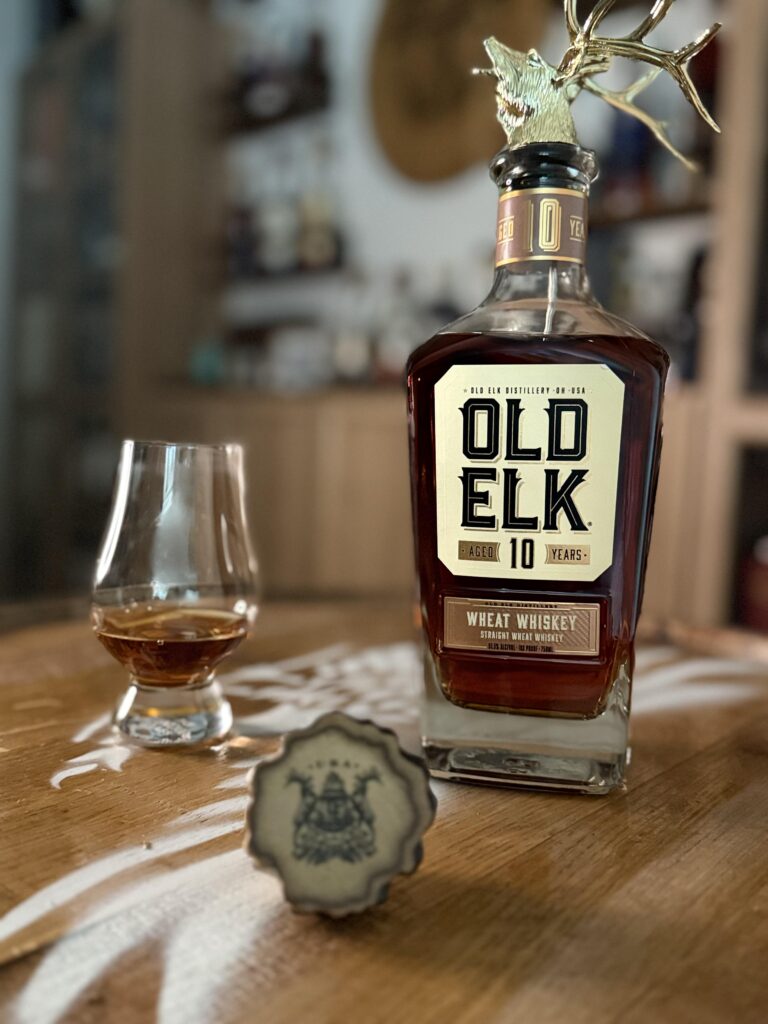
Old Elk’s New Chapter
Old Elk is now entering a new era.
In 2025, Middle West Spirits acquired Old Elk, bringing the Colorado brand into a larger distilling organization while retaining its existing identity, recipes and aged whiskey inventory. The 2026 10-Year Collection represents an especially interesting snapshot of that transition: mature whiskey developed within the established Old Elk model as the brand begins looking toward its future under Middle West.
That makes these releases more than just another set of 10-year-old bottles. They offer a useful reference point for Old Elk’s whiskey before future Middle West-produced whiskey begins to reshape the portfolio.
As that transition continues, I’ll be interested to see which elements of the Old Elk identity remain unchanged and which evolve.
From the Bourbon Bishop’s Collection
The 10-Year Collection isn’t actually where my Old Elk story began.
My 2024 Old Elk Virginia ABC Pick was the first whiskey review I ever published on this website. Before the current 10-year releases, that bottle was the beginning of the Bourbon Bishop’s written review archive.
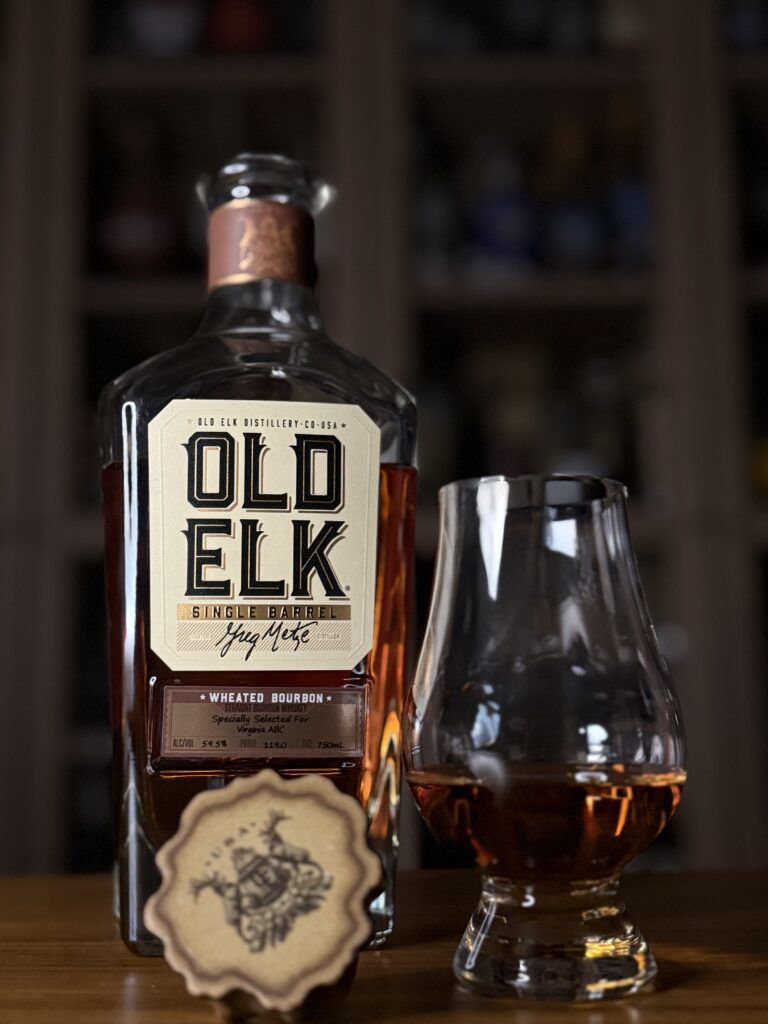
2024 Old Elk Wheated Bourbon Virginia ABC Pick
My first-ever whiskey review on the Bourbon Bishop website and an Old Elk pick that now serves as a little piece of the site’s history.
Why Old Elk Is Worth Watching
What keeps Old Elk interesting to me is the combination of transparency and experimentation.
The brand doesn’t need to pretend its whiskey comes from somewhere it doesn’t. Instead, it has been open about its sourcing relationships while building a recognizable identity through custom mash bills, maturation, blending and proofing.
The new 10-year releases make that especially clear. Three whiskies, all the same age and roughly the same price, deliver three genuinely different experiences: an oak-forward classic bourbon, a creamy crowd pleaser and a strange-but-compelling wheat whiskey.
That’s exactly the kind of whiskey story I think is worth following. I’ll continue adding Old Elk reviews and coverage here as the brand enters its next chapter.
Bourbon Bishop Bottom Line:
Old Elk combines unusual mash bills, mature whiskey and a deliberate approach to proofing to create a portfolio that’s worth exploring beyond the label.