

The brands that build loyal followings don’t just make great whiskey. They help people become the kind of whiskey drinker they want to be.
The whiskey industry has never had more great bottles.
It has also never had more brands competing for the exact same attention.
Walk through a liquor store today and you’ll see dozens, sometimes hundreds, of bourbons promising exceptional craftsmanship, award-winning flavor, rare barrels, heritage, tradition, innovation, or some combination of all five.
Here’s the problem.
Almost every one of those bottles is telling the same story.
And it’s the wrong one.
Most Whiskey Brands Think They’re the Hero
Read enough websites and you’ll start noticing a pattern.
“Our award-winning bourbon…”
“Our master distiller…”
“Our unique process…”
“Our heritage dating back…”
“Our gold medals…”
Those things matter. They’re proof that a brand takes its whiskey seriously. But they’re not the reason someone ultimately buys a bottle.
Consumers don’t wake up wondering which distillery won another medal. They wake up wondering what they’re pouring Friday night with friends.
They’re looking for a bottle that helps them celebrate a promotion. Introduce someone to bourbon. Bring to a bottle share. Impress their father-in-law. Start a collection. Find something different from the shelf they’ve walked past a hundred times.
The customer already has a story unfolding in their own life.
Your whiskey either plays a role in that story… or it doesn’t.
The Consumer Is the Hero
Think about your favorite movie.
The guide isn’t the star. Yoda isn’t the hero. Gandalf isn’t the hero. Mr. Miyagi isn’t the hero.
They exist to help someone else succeed. Great whiskey brands work the same way.
The customer is trying to become someone. Maybe they’re becoming the friend everyone asks for recommendations. Maybe they’re exploring American single malts.
Maybe they’re finally understanding rye. Maybe they’re creating traditions around the dinner table. Maybe they’re just trying to enjoy one meaningful pour after a long week.
The bottle isn’t the destination. It’s the guide that helps them get there.
What This Looks Like in Practice
Imagine two brands launching nearly identical bourbons.
The first says:
“A seven-year bourbon featuring carefully selected barrels, bottled at cask strength, and awarded multiple gold medals.”
That’s information.
Now imagine another approach.
“For the friend who’s ready to move beyond the usual shelf staples. Bold enough to spark conversation, balanced enough to pour twice.”
Notice the difference?
The whiskey didn’t change. Instead, the customer became the focus.
One talks about the bottle. The other talks about the person holding it, who they are and potentially who they want to be and will become when drinking this whiskey.
A Real Example
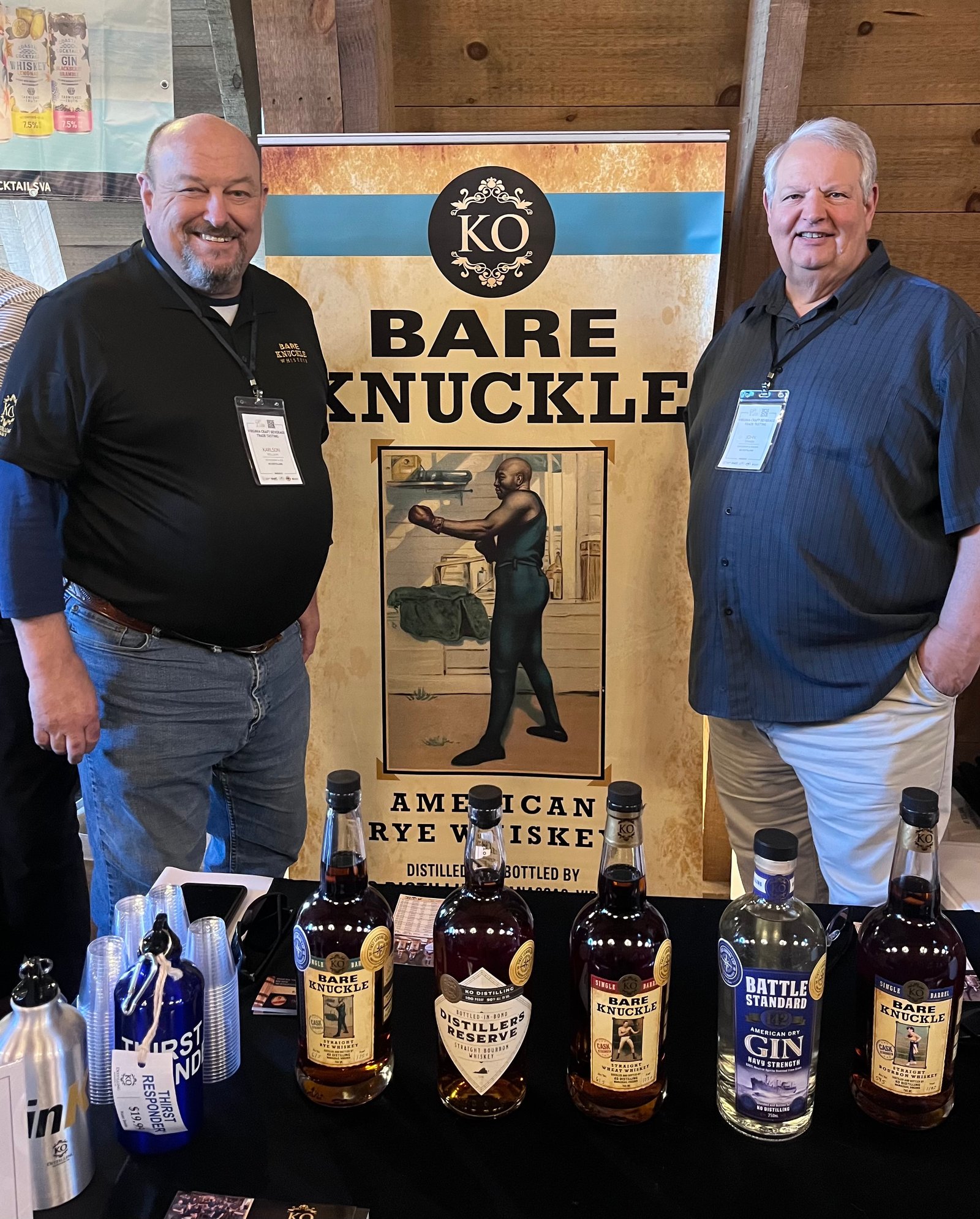
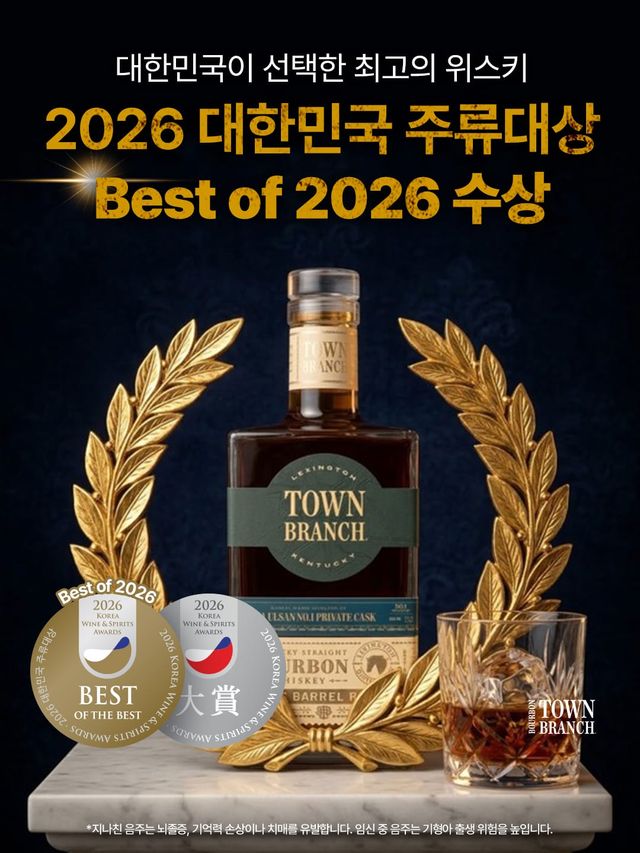
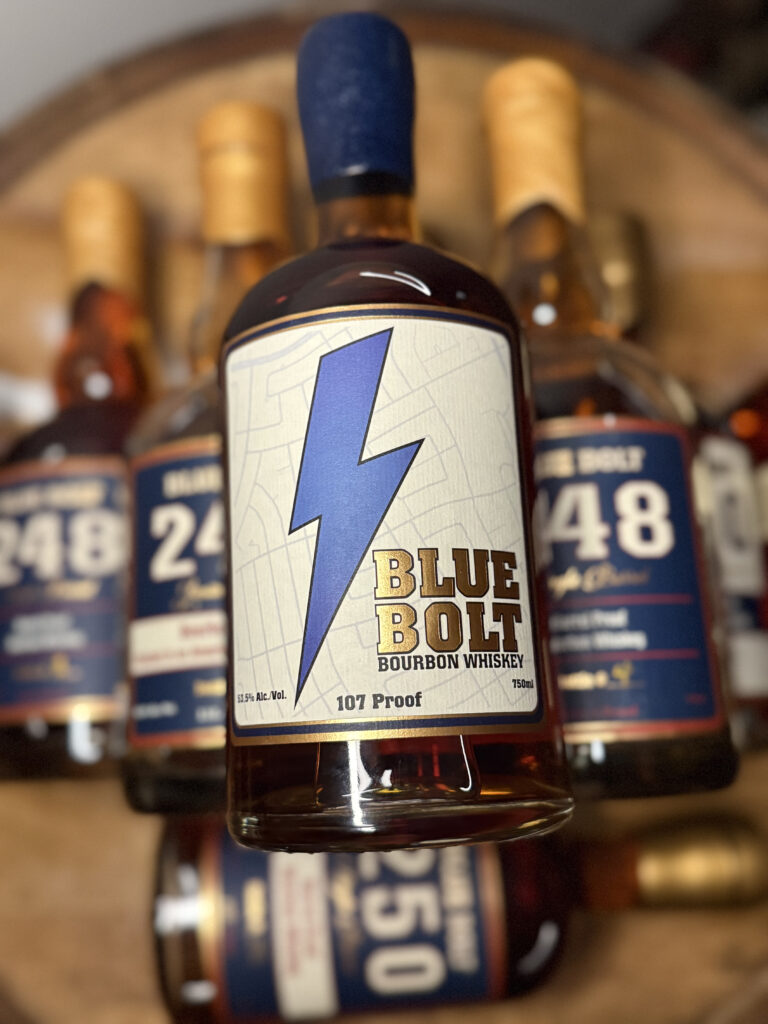
Look at how many whiskey brands lead with awards (images included for example, not to say these brands are not using this philosophy).
Awards have value. They build credibility, especially for new distilleries trying to earn trust.
But awards rarely create emotional connection.
Contrast that with brands that consistently show people around campfires, sharing pours after hunting trips, celebrating milestones, or introducing friends to whiskey.
They’re not really selling whiskey. They’re selling identity. Belonging. Tradition. Connection.
The whiskey simply becomes part of that experience. That’s a much stronger story than another gold medal graphic.
What Enthusiasts Actually Buy
As whiskey enthusiasts, we like to think we buy based on mash bills, age statements, proofs, and tasting notes.
Sometimes we do. But we also buy stories.
We buy bottles that remind us of trips. We buy bottles recommended by friends we trust.
We buy bottles that make us feel like we’re discovering something. We buy bottles that fit who we believe we are or who we’d like to become.
The best marketing doesn’t manufacture those feelings. It simply recognizes they’re already there.
Why This Matters More Than Ever
There has never been more competition. Shelf space is crowded. Attention spans are shorter. Consumers have more options than ever before.
Making better whiskey is only part of the equation. Telling a better story is what earns attention before someone ever takes their first sip.
That’s why two equally good bottles can have wildly different outcomes in the marketplace. One talks endlessly about itself and you can almost hear the audience, the consumers, rolling their eyes through the screen. The other helps the customer imagine themselves.
The Takeaway
This isn’t about abandoning craftsmanship.
Awards matter. Transparency matters. Great whiskey matters. But those things should support the story, not become the story.
The brands that build lasting communities understand a simple truth: The customer is the hero. The whiskey is the guide. Once you see that, it’s difficult to look at whiskey marketing the same way again.
And if you’re building a whiskey brand, it might be worth asking one question: When someone visits your website or picks up your bottle, are they learning more about your whiskey… or seeing more clearly who they could become because of it?
For whiskey drinkers:
If this changed the way you look at whiskey marketing, I’d love to hear what you think.
For whiskey brands:
If this made you look at your own marketing a little differently, let’s talk.
Related Articles
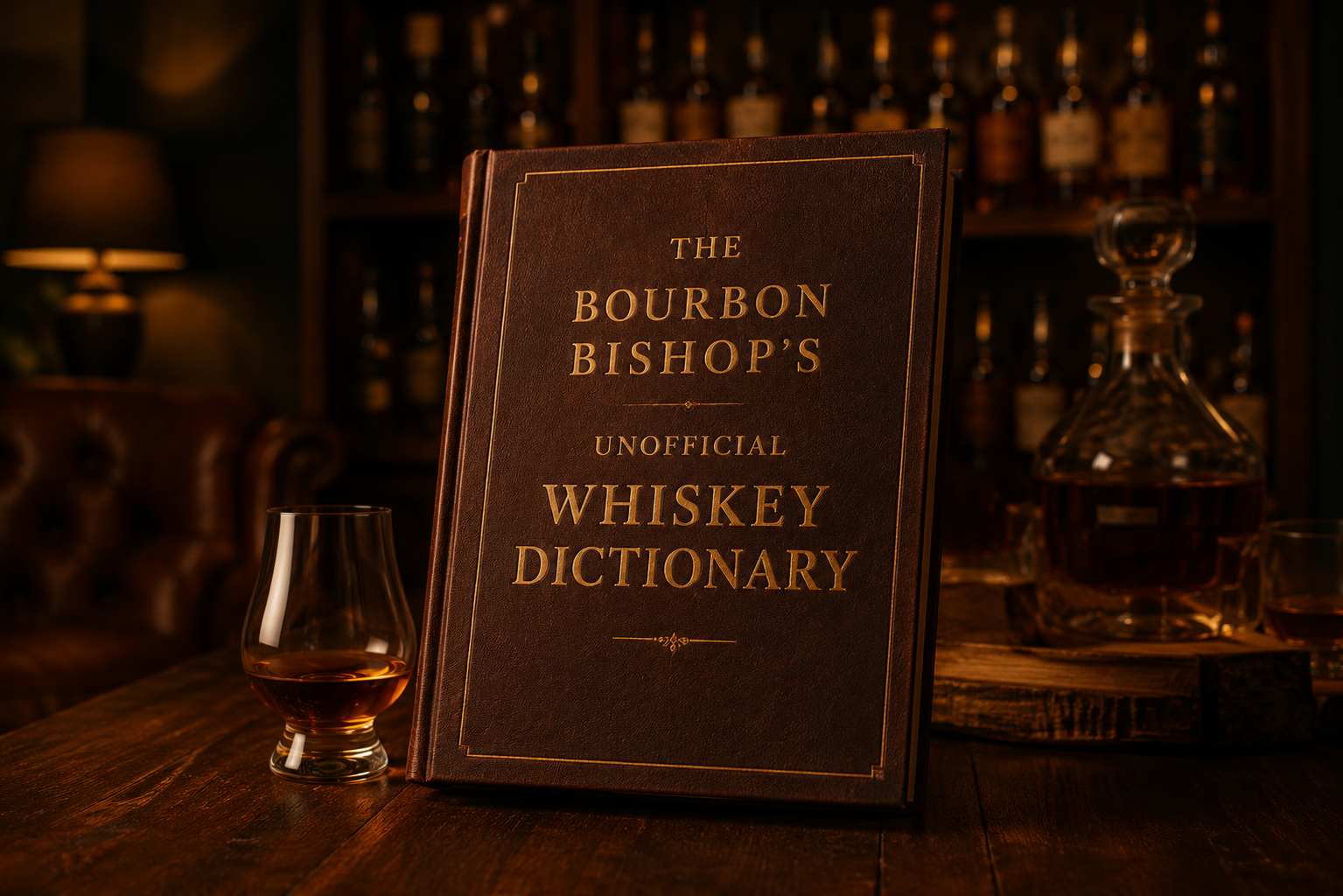
Confused by whiskey terms like small batch, bottled in bond, NDP, cask strength, or mash bill? Here’s a plain-English whiskey dictionary that defines common whiskey words and actually makes sense.
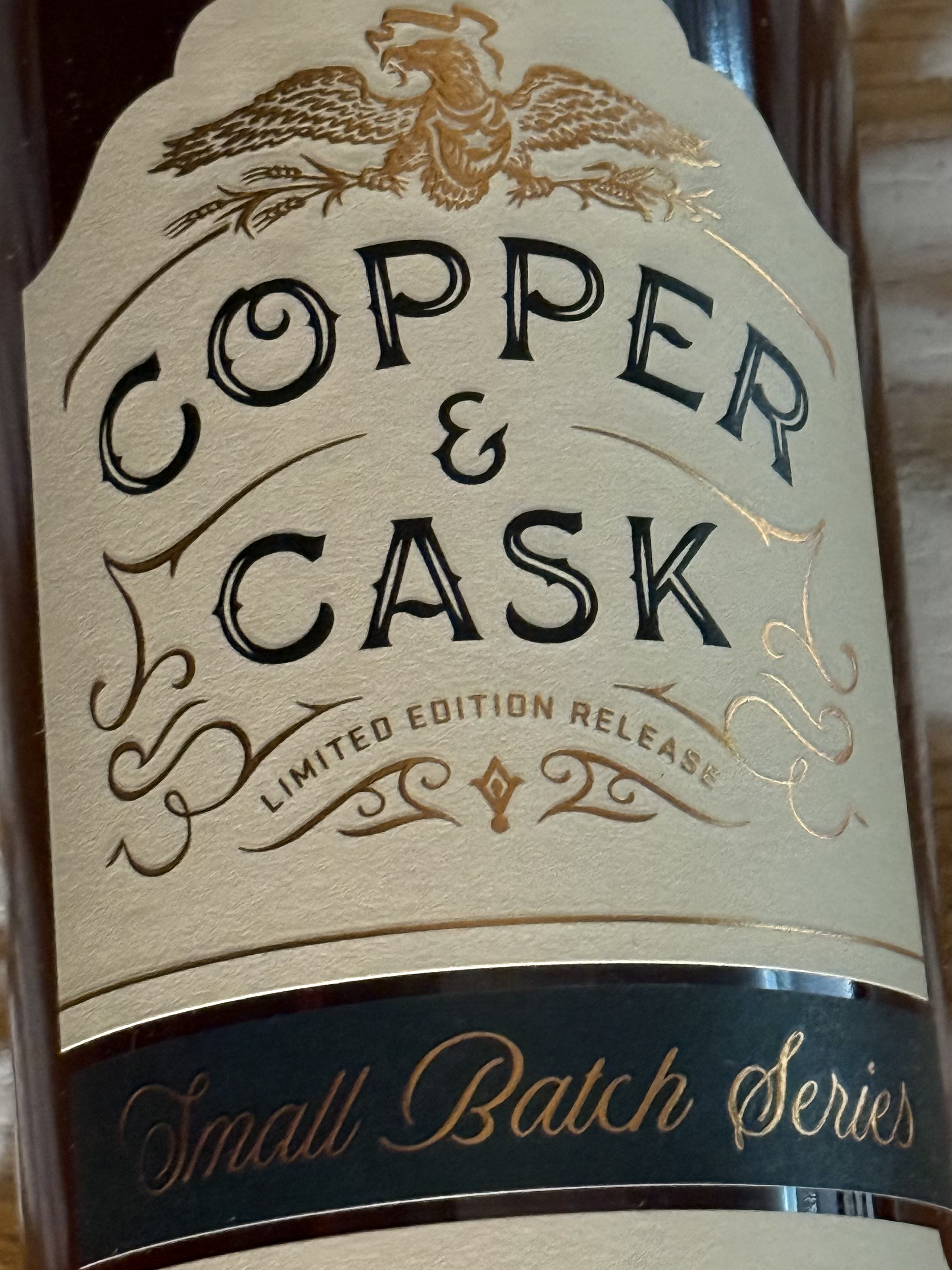
Small Batch has no legal definition, but a growing number of independent bottlers and craft distilleries are redefining the term through transparency, intentional blending, and truly limited barrel counts.
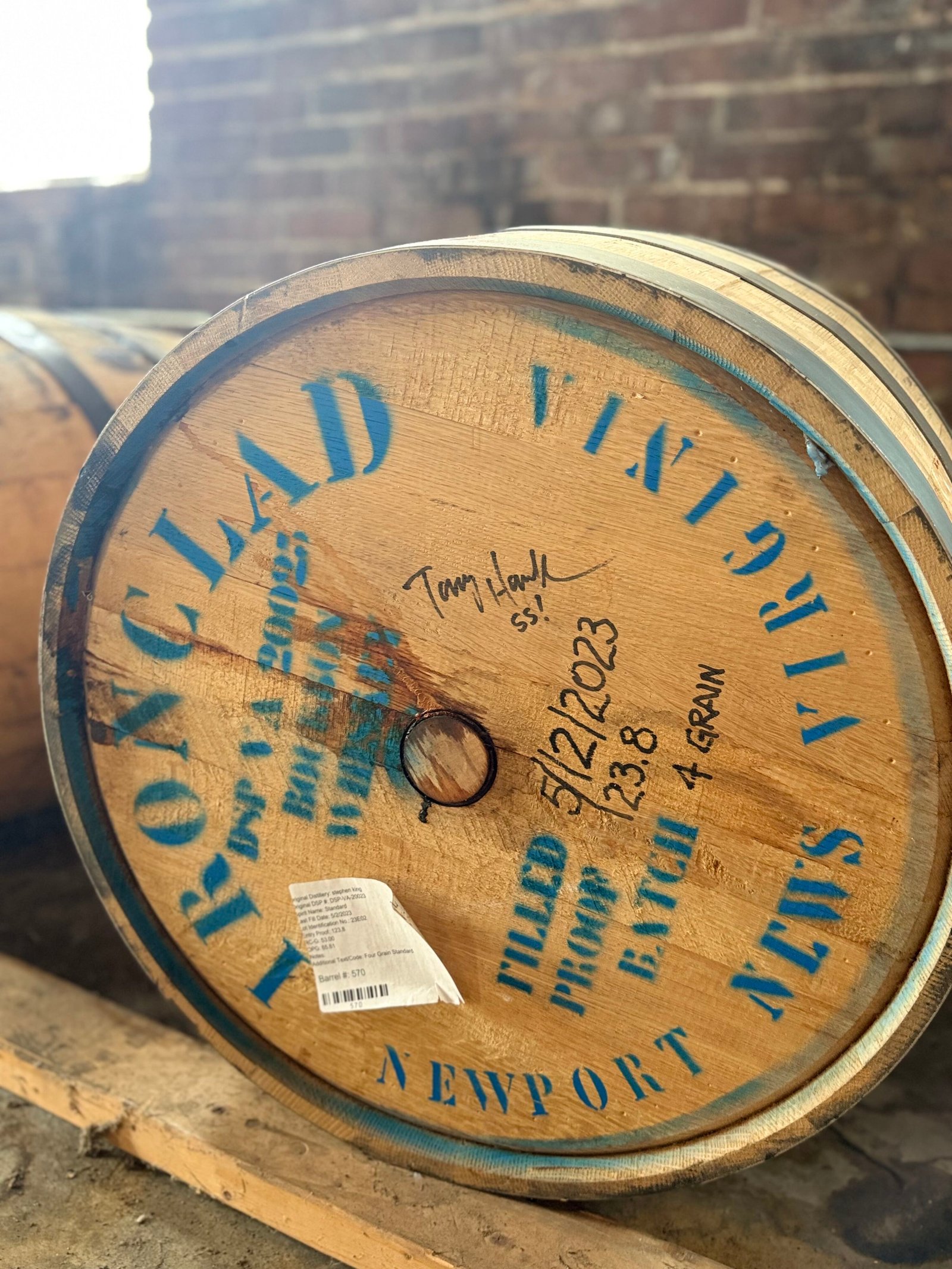
Visit Ironclad Distillery in Newport News, Virginia, to explore its four-grain bourbon, experimental whiskey finishes, historic home, and Virginia spirits.
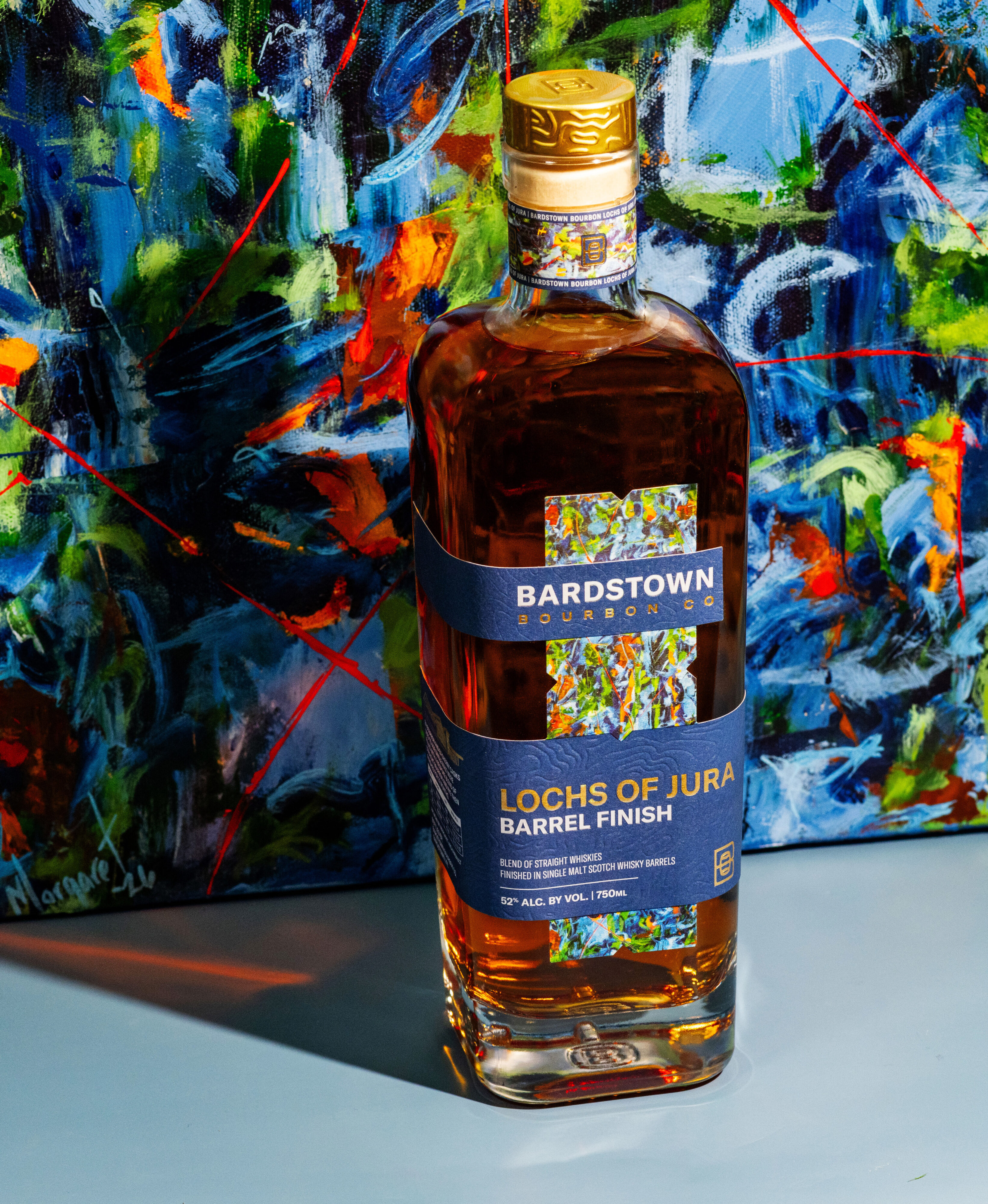
Bardstown Bourbon Company’s Lochs of Jura blends 10–12-year-old bourbon and rye before a 32-month Isle of Jura cask finish. Here’s how it drinks.
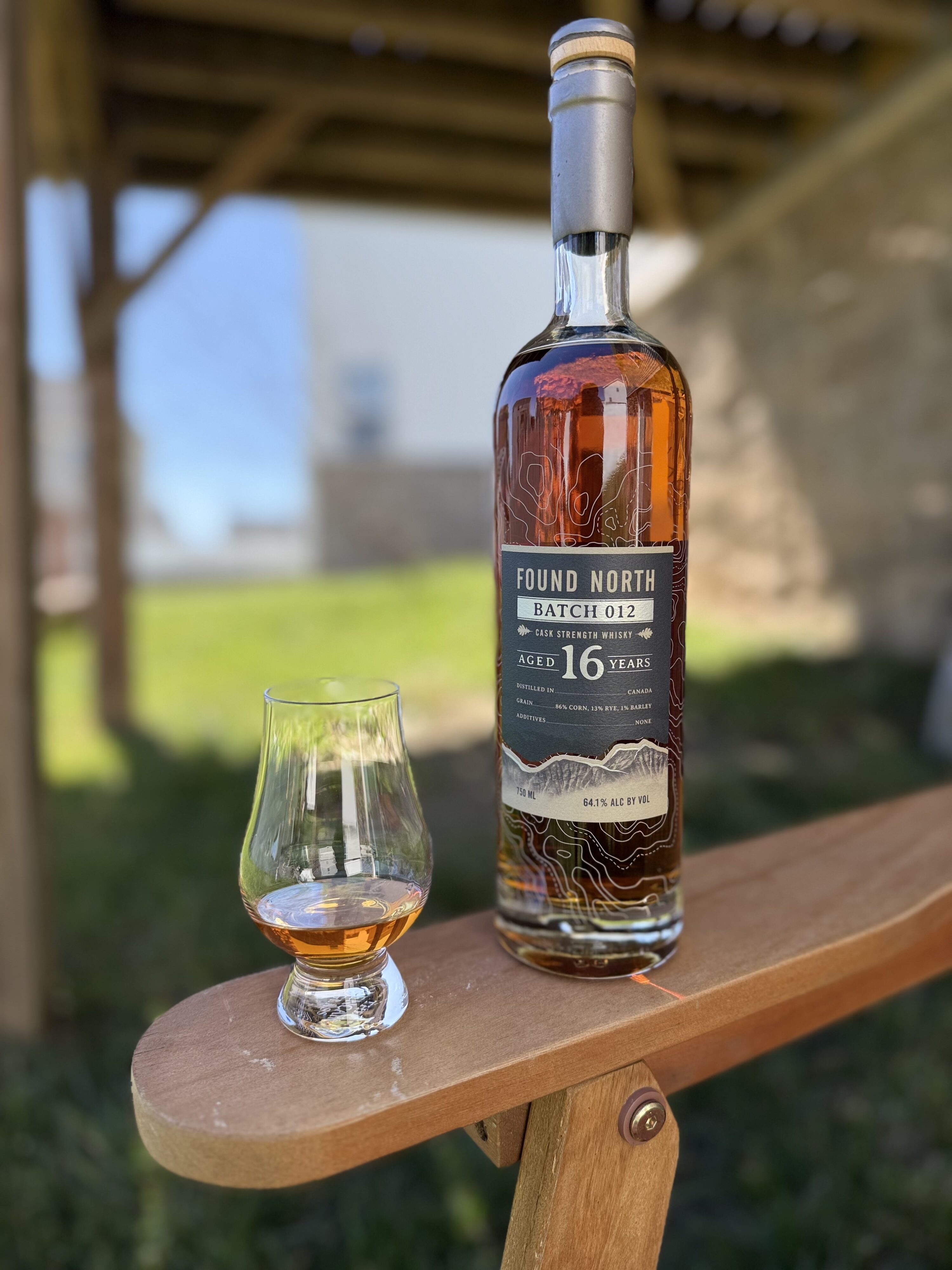
A curated list of 10 whiskies for summer—from easy RTDs and bright small-batch pours to finished drams and bold cask strength sippers for warm nights.