
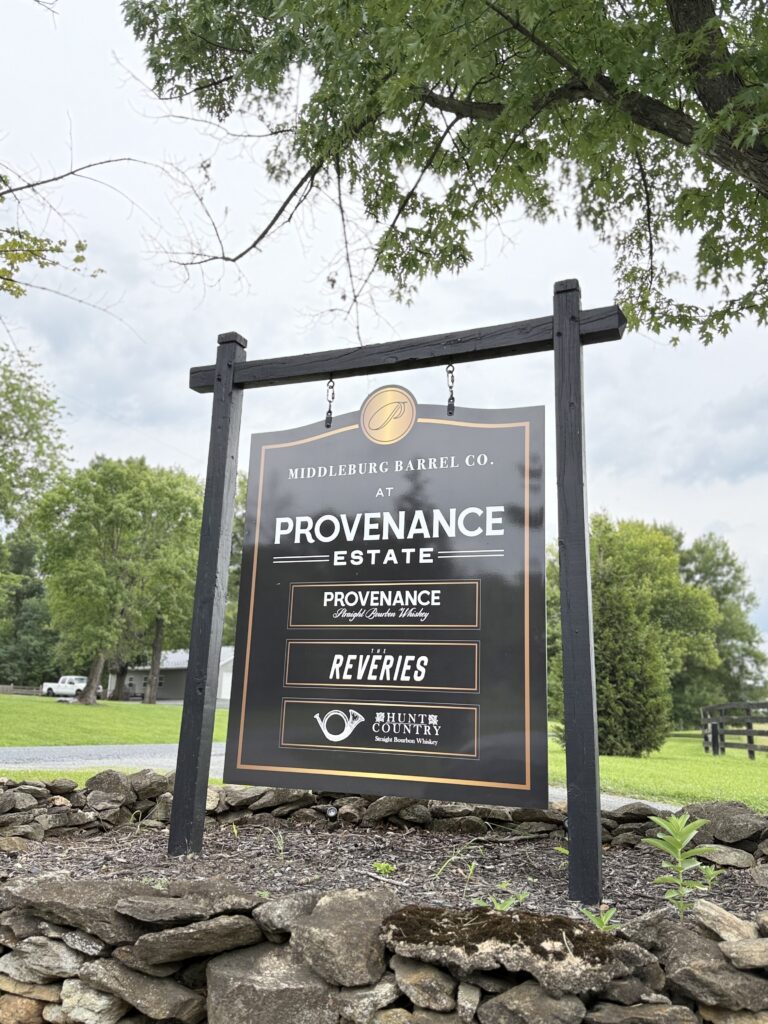
A visit with Jay West reveals how Provenance and Reveries are built around patience, relationships, and a belief that great whiskey is shaped long before it reaches the shelf.
There are plenty of ways to learn about whiskey.
You can study mash bills, compare production methods, analyze warehouse locations, or chase down limited releases.
All of those things matter.
But after spending an afternoon with Jay West at Provenance in Middleburg, Virginia, I left thinking about something that sits underneath all of those details:
Who is the person guiding the whiskey along its journey?
That question is at the center of what Jay has built.
From his years as a respected whiskey reviewer to his work curating Provenance and Reveries, Jay has developed a reputation for thoughtful barrel selection and a willingness to let whiskey develop on its own timeline.
A visit to Provenance isn’t simply about tasting whiskey.
It is about understanding the decisions behind it.
prov·en·ance (noun)
1. the place of origin or earliest known history of something
example: “a blue rug of French provenance”
The Meaning Behind Provenance
The first thing I self-corrected during my visit was how to pronounce the name.
Many Americans naturally pronounce provenance as:
PROV-uh-nance
Jay intentionally says it closer to the original French pronunciation:
prov-eh-NONCE
That distinction matters because the word itself carries the philosophy behind the brand.
In wine, provenance refers to the history and origin of a bottle: the vineyard, the producer, the people involved, and the journey that brought it to your glass.
For collectors, provenance creates trust. It provides context. It answers the question:
“How did this bottle become what it is?”
That concept has occasionally led to conversations within the whiskey community because Provenance does not always disclose every production detail of every barrel, including the original distillery or mash bill.
Jay understands that perspective. However, his view comes from years of building relationships throughout the whiskey industry.
He has cultivated connections with multiple distilleries, knows the people behind those operations, understands their production styles, and follows how their whiskey develops over time.
During our conversation, I realized the name Provenance carries another meaning. The story of a barrel is not only where it started. It is also about who selected it, who guided its maturation, and who decided it was ready to share.
The provenance of these bottles includes Jay himself.
Whether that means selecting a young barrel with potential, continuing maturation, experimenting with secondary oak, or carefully proofing a whiskey over time, each decision reflects the person behind the program.
“The provenance of these bottles includes Jay himself.”
From Reviewer to Curator
Jay’s path into the whiskey industry is an interesting reminder that many of the people shaping today’s whiskey landscape started as enthusiasts.
Before Provenance and Reveries, Jay built credibility through years of whiskey reviews and conversations with other enthusiasts. His approach was never simply about declaring whether a bottle was good or bad. He focused on context, details, and helping people understand why a whiskey tasted the way it did.
When I asked Jay what helped him transition from reviewer into someone curating respected barrel programs, he pointed to an unusual moment in whiskey history: COVID.
As tasting rooms and traditional whiskey experiences temporarily disappeared, online communities became more important than ever.
Jay had already been building relationships through reviews and discussions, and the timing created an opportunity to bring people together around whiskey in a different way.
That eventually grew into barrel selections, curated releases, and the programs that became Provenance and Reveries.
His role today sits somewhere between whiskey curator, educator, and storyteller.
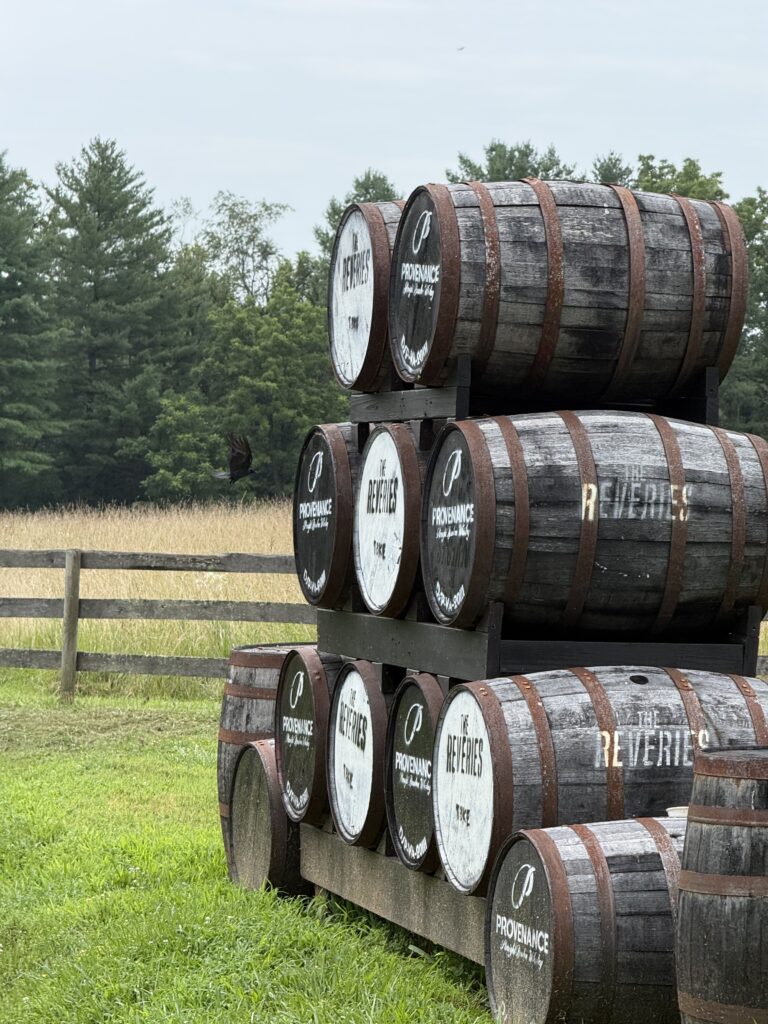
Provenance and Reveries: Two Different Expressions of the Same Philosophy
During my visit, Jay explained that Provenance and Reveries are often connected, but they serve different purposes.
Reveries is where experimentation lives.
It is designed around unique barrels and one-of-a-kind expressions. A barrel may receive a special finish, develop an unexpected profile, or simply become something that does not fit neatly into a larger release strategy.
The goal is not necessarily repeatability. The goal is discovering what makes that individual barrel interesting.
Provenance takes a different approach.
It represents a more refined and intentional expression of Jay’s curation philosophy. Barrels may enter the program early, then continue developing until they reach the profile Jay believes represents the brand.
The interesting part is that barrels are not locked into one identity. A barrel originally expected to become Provenance may develop in an unexpected direction and move into the Reveries program. A Reveries barrel may continue aging and eventually become something that better represents Provenance.
That flexibility is part of what makes the programs unique.
Jay isn’t forcing every barrel into a predetermined category. He’s paying attention to what the whiskey is becoming.
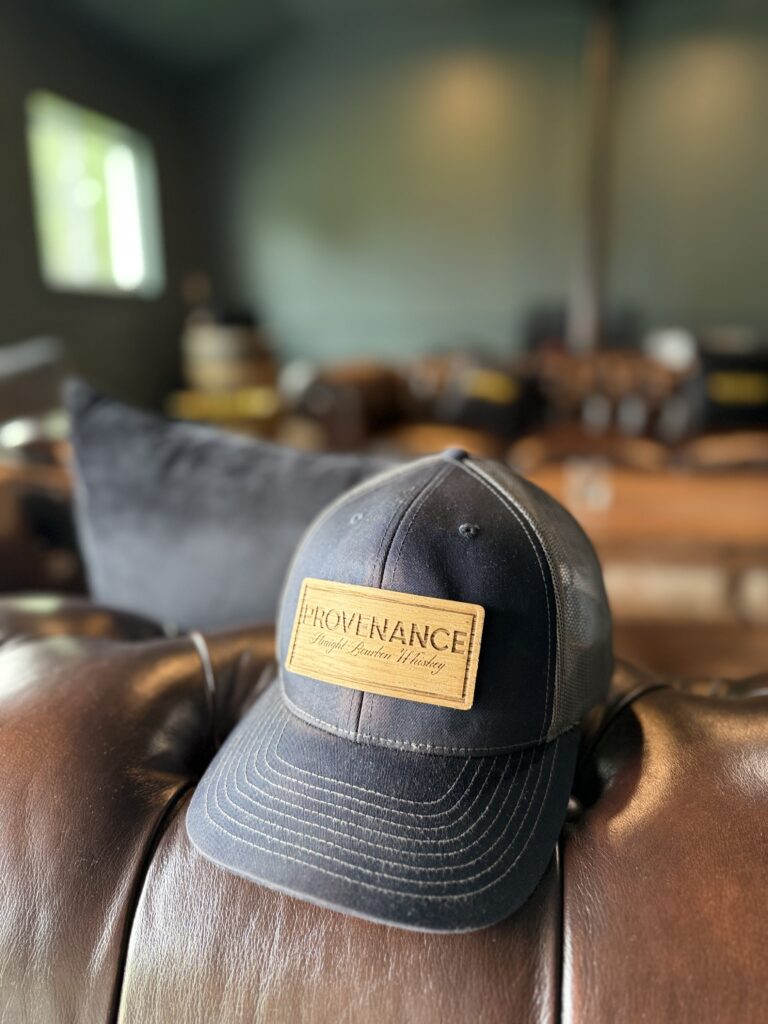
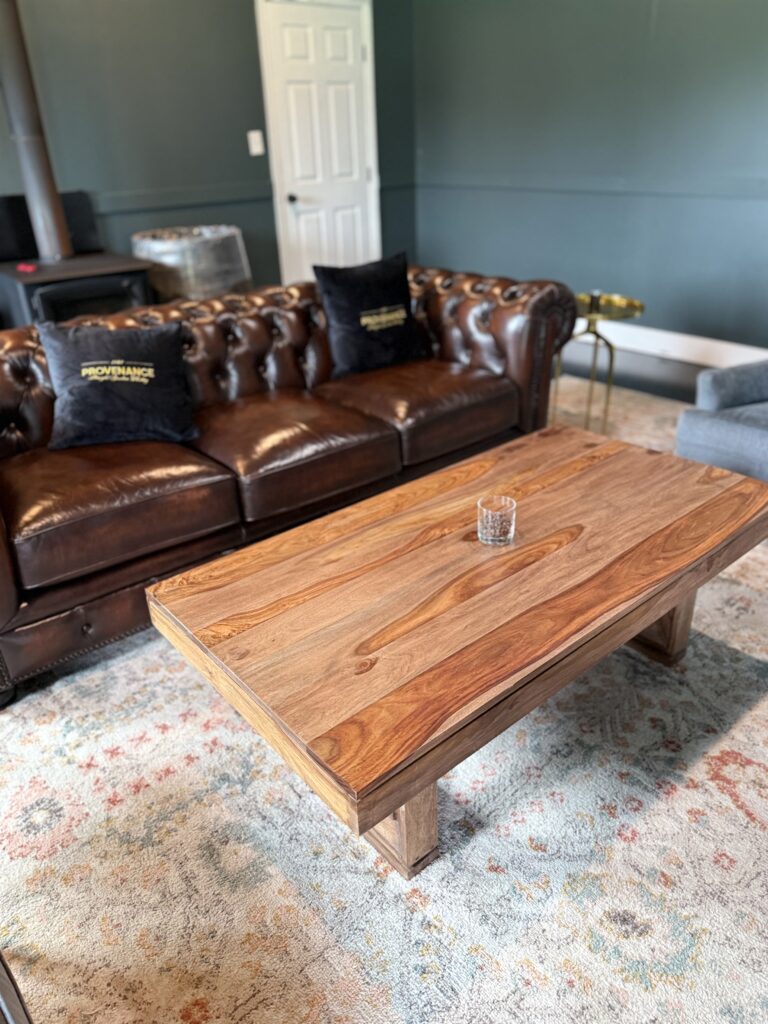
The Bottle Your Own Experience: Barrel Selection Without the Commitment
One of the most interesting concepts at Provenance is the Bottle Your Own experience.
Private barrel selections can be intimidating.
A traditional single barrel pick often requires a group, a large bottle commitment, and the confidence that everyone involved will enjoy the final selection.
Provenance approaches that experience differently.
Small groups can visit, taste through multiple barrel options, and compare expressions at different proofs, including the same whiskey after it has been slowly reduced toward Provenance’s 107-proof profile.
The goal is not simply selecting the biggest or boldest barrel.
It’s finding the whiskey that connects with the people choosing it.
That makes the experience approachable for enthusiasts who want to participate in barrel selection without committing to an entire private barrel program.
Slow Proofing Is More Than Adding Water
One of Provenance’s flagship releases is its 107-proof bourbon. On paper, that might sound fairly straightforward. In reality, getting there requires months of patience.
Jay explained that Provenance slowly reduces the proof over the course of roughly ten months rather than making a single adjustment. Even then, the whiskey doesn’t always behave as expected.
Some barrels climb back into the 120-proof range during the process. Others begin developing characteristics that convince him they deserve more time in oak before they’re ready. What begins as a whiskey destined for one release can eventually become something entirely different.
It was a reminder that whiskey rarely follows a script. Experience certainly helps, but the barrel still gets the final vote.
That willingness to let the whiskey dictate the outcome showed up repeatedly throughout our conversations. Rather than forcing every barrel toward a predetermined release, Jay seems content to follow where the whiskey naturally leads.
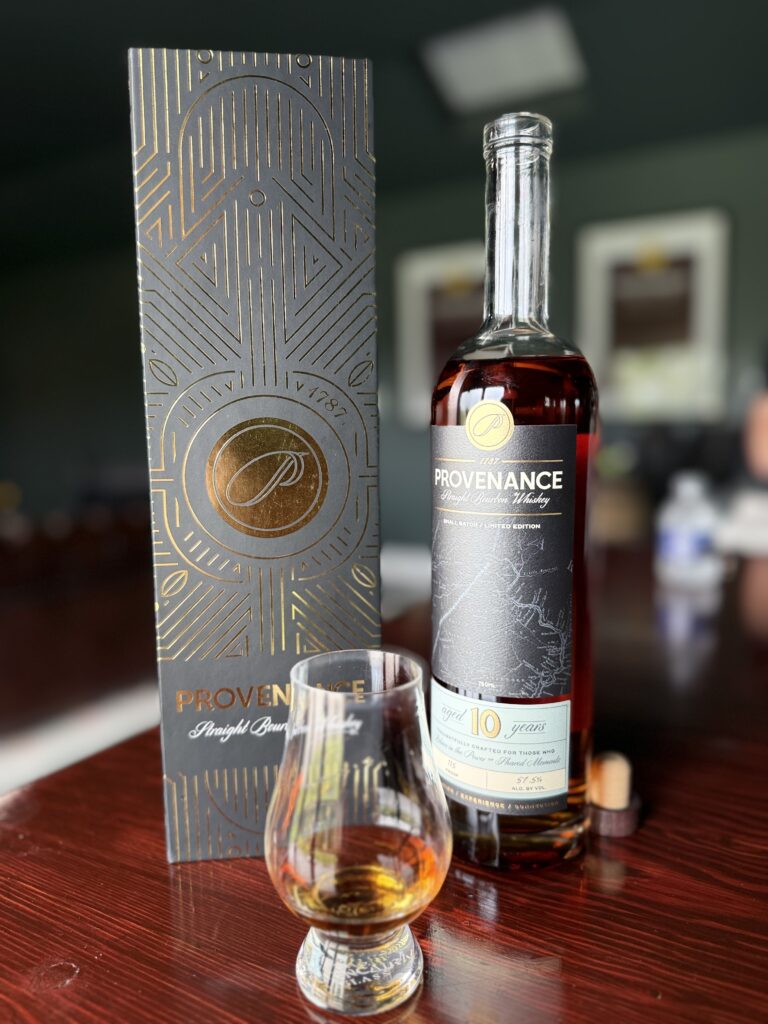
“…a reminder that whiskey rarely follows a script.”
Learning the Personality of a Rickhouse
Walk through enough rickhouses and you’ll hear familiar ideas.
Hot air rises. Upper floors mature differently than lower floors. Certain warehouse positions create predictable flavor profiles.
Those ideas are generally true, but Jay described something a little more nuanced.
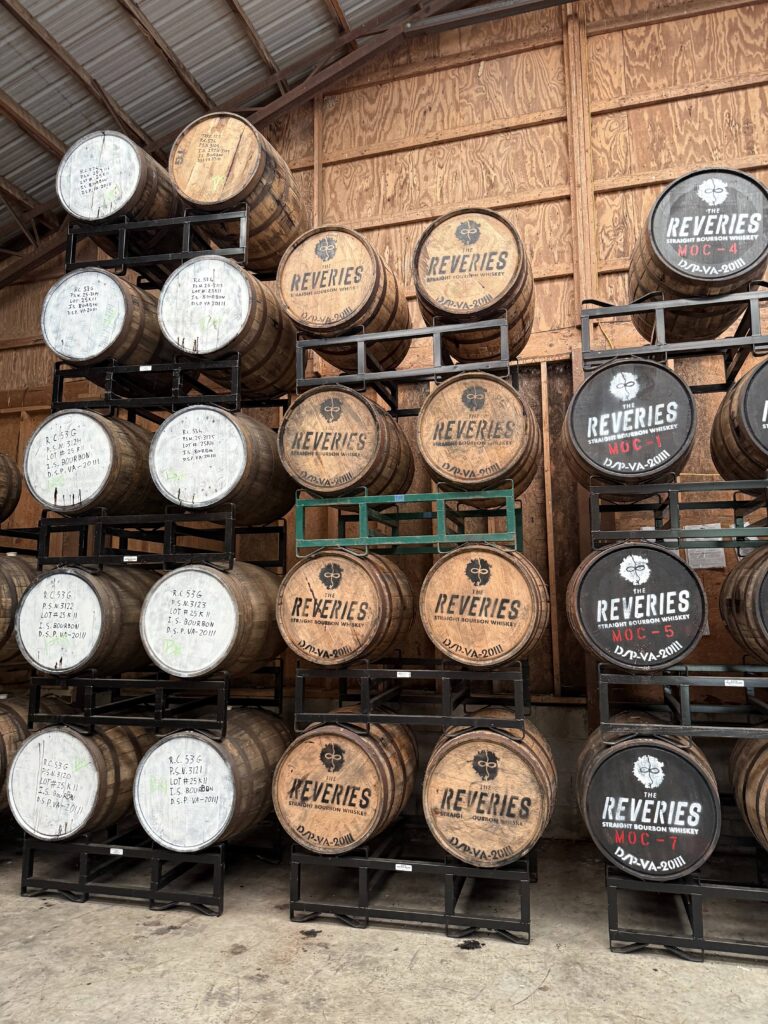
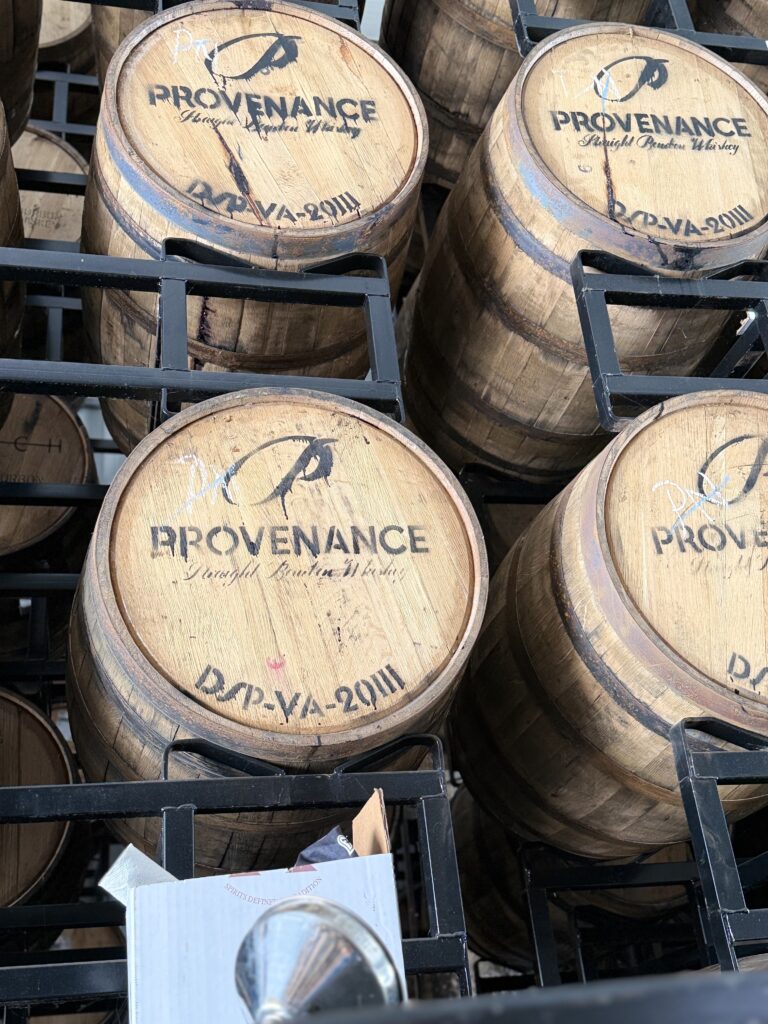
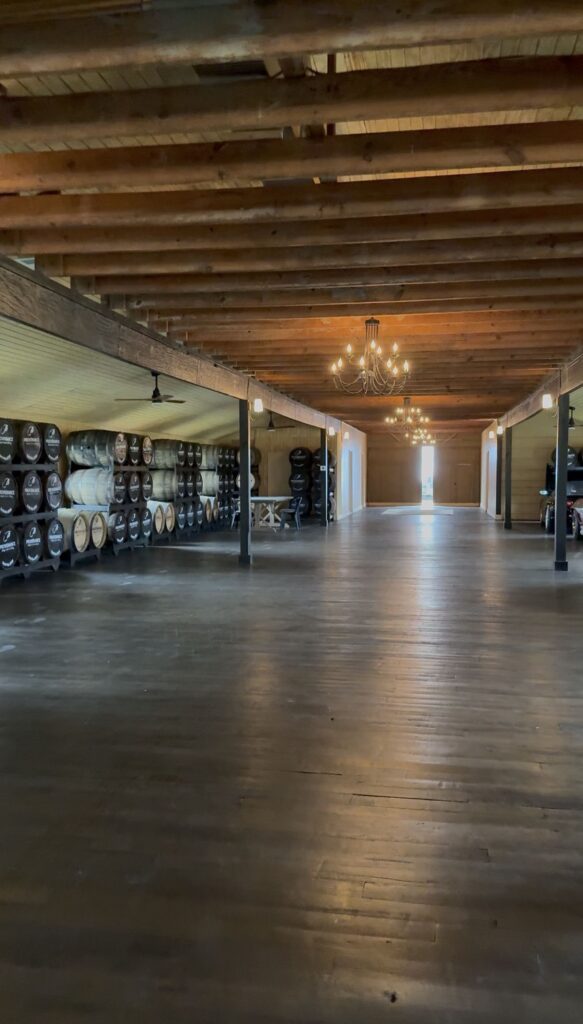
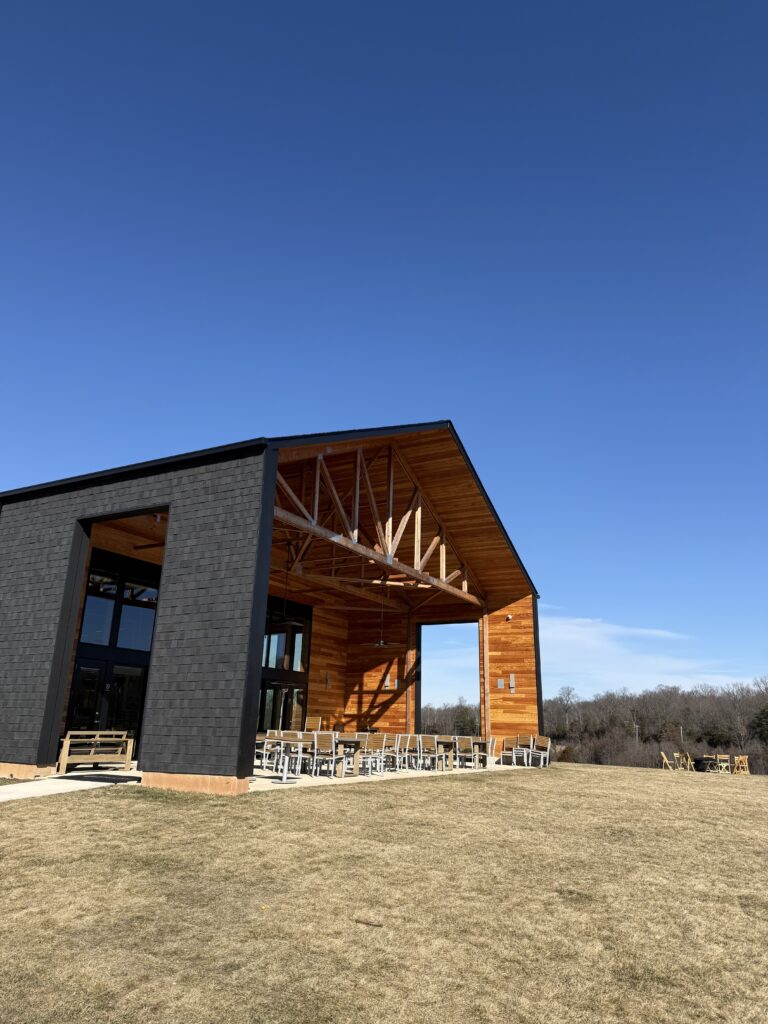
Because the eaves of Provenance’s rickhouses remain open, sunlight, humidity, and airflow create their own microclimates throughout the warehouse. Air circulates through the upper portions of the building before moving downward, changing the way different sections mature over time.
After tasting hundreds upon hundreds of barrels from those locations, Jay has developed a mental map of what different areas tend to produce.
That doesn’t mean every barrel tastes the same.
Far from it.
Instead, he described recognizing families of flavor while still appreciating the individual personality of every cask.
It was another reminder that barrel selection is equal parts experience and curiosity.
Giving Whiskey the Time It Deserves
Patience surfaced in another conversation about secondary maturation.
Jay has long preferred extended finishing periods, particularly when working with new oak. Many double-oaked bourbons spend less than a year in their second barrel before being bottled. Jay believes that’s often too early. His preferred timeline is closer to two years.
He described watching people pull barrels after six or eight months because they worried the whiskey was becoming overly tannic or oak-driven. In his experience, that period is often where the whiskey is simply transitioning. Give it more time, and those sharper notes begin integrating into something richer and more complete.
French oak follows a different rhythm.
Because of its tighter grain and different structure, Jay generally finds six to nine months produces the balance he’s looking for before the wood begins dominating the whiskey.
Listening to him explain those timelines reinforced something that became a theme throughout the day.
Nothing replaces tasting.
General guidelines exist, but every barrel earns its own timeline.
Four Whiskeys That Captured the Day
Although the conversations were the highlight of my visit, the whiskey certainly held its own.
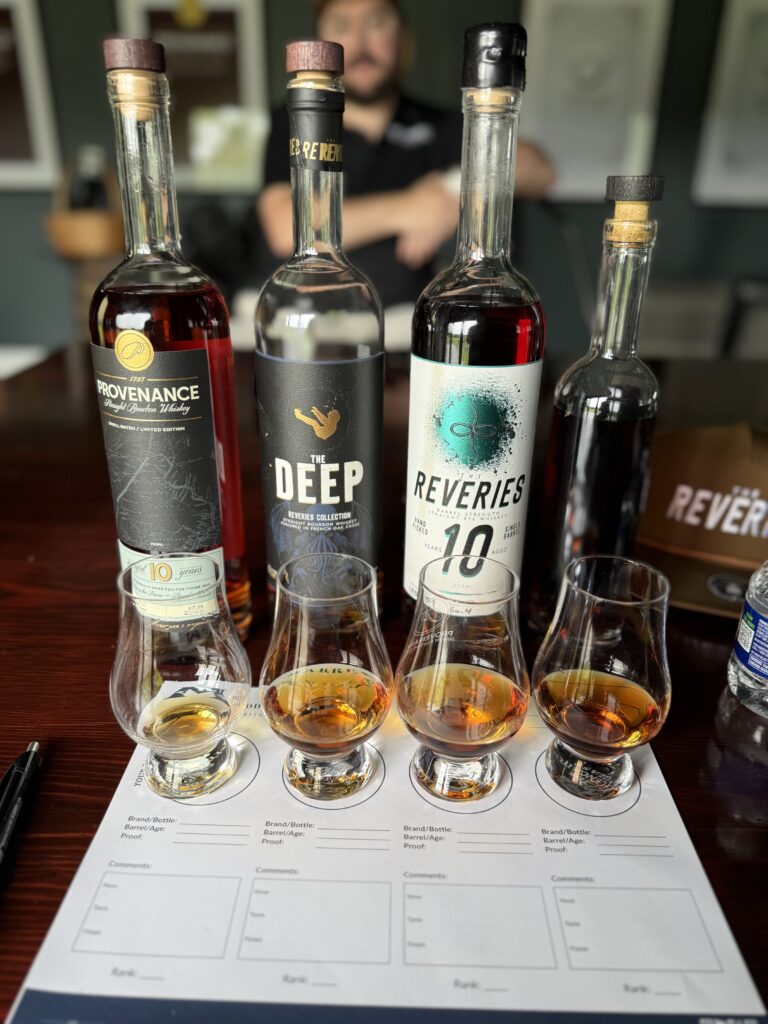
The current 10-Year Provenance Bourbon immediately stood out for its balance. Candied fruit, creamy custard, fresh apple, and mature oak created a profile that felt complete rather than flashy. It never chased proof for proof’s sake.
The Deep, a French oak-finished bourbon, may have been the biggest surprise.
I suspect this bottle doesn’t always receive the attention it deserves because it isn’t an aggressive proof monster. Instead, it rewards patience. Deep molasses, dark sweetness, layered oak, and restrained French oak spice slowly unfold as you spend time with the glass. It struck me as the kind of bourbon I’d happily pour on a quiet evening and revisit over the course of an hour.
The upcoming Roslyn’s Rye, named after Jay’s dog, may become one of my favorite rye releases of the year.
Vanilla, maple syrup, baking spice, ripe fruit, and rye spice all work together without allowing the herbal side of older MGP rye to dominate the experience. For drinkers who typically shy away from rye, this could easily become a gateway bottle.
Finally, I had the opportunity to taste an upcoming hazmat bourbon release that will debut at “The Eleventh Hour” festival next Friday, August 1st.
At nearly 144 proof, I expected heat to dominate the experience.
Instead, I found remarkable balance.
Yes, it demanded respect, but there was enough richness and flavor beneath the proof that I kept returning to the glass. Those are the hazmat releases I appreciate most, not because they’re high proof, but because they remain enjoyable despite it.
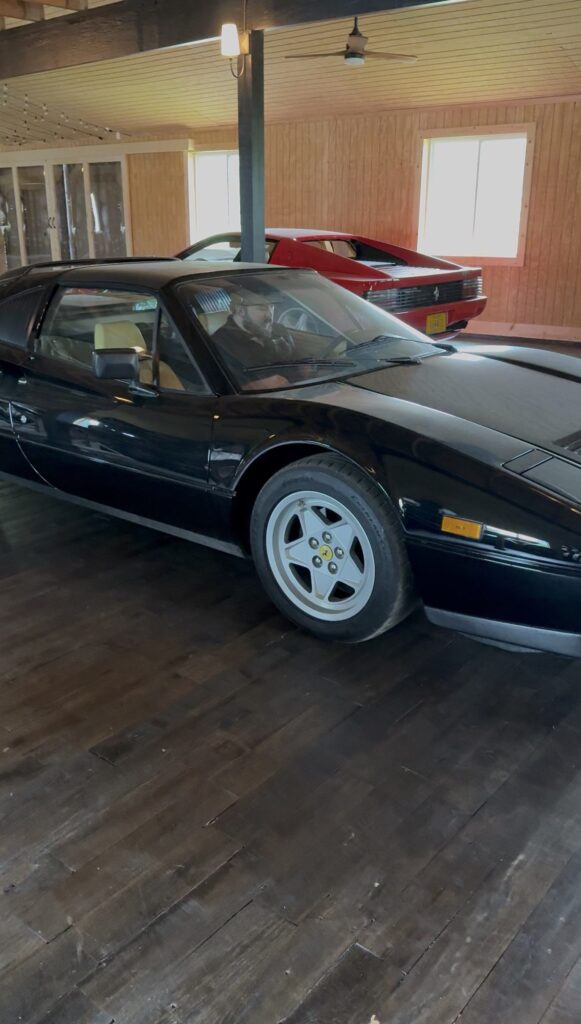
“You mind if we take the ’86 Ferrari to lunch?”
— Jay West, t8ke, Provenance & Reveries Curator
More Than Whiskey
One of my favorite moments of the afternoon happened after the official visit had already ended.
We climbed into Jay’s 1986 Ferrari and headed into Middleburg for oysters.
Along the way, he mentioned that he makes a point to drive each of his vintage cars at least once a week. Cars, like whiskey, are meant to be enjoyed. That simple comment stayed with me.
Throughout the day I watched someone who cared deeply about details, not because they created prestige, but because they created better experiences. That extended beyond whiskey.
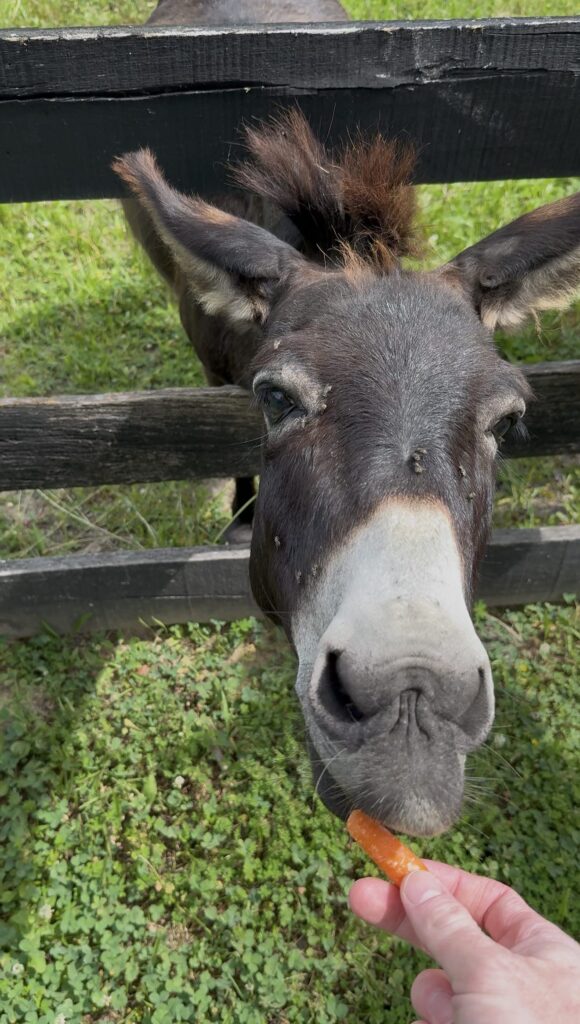
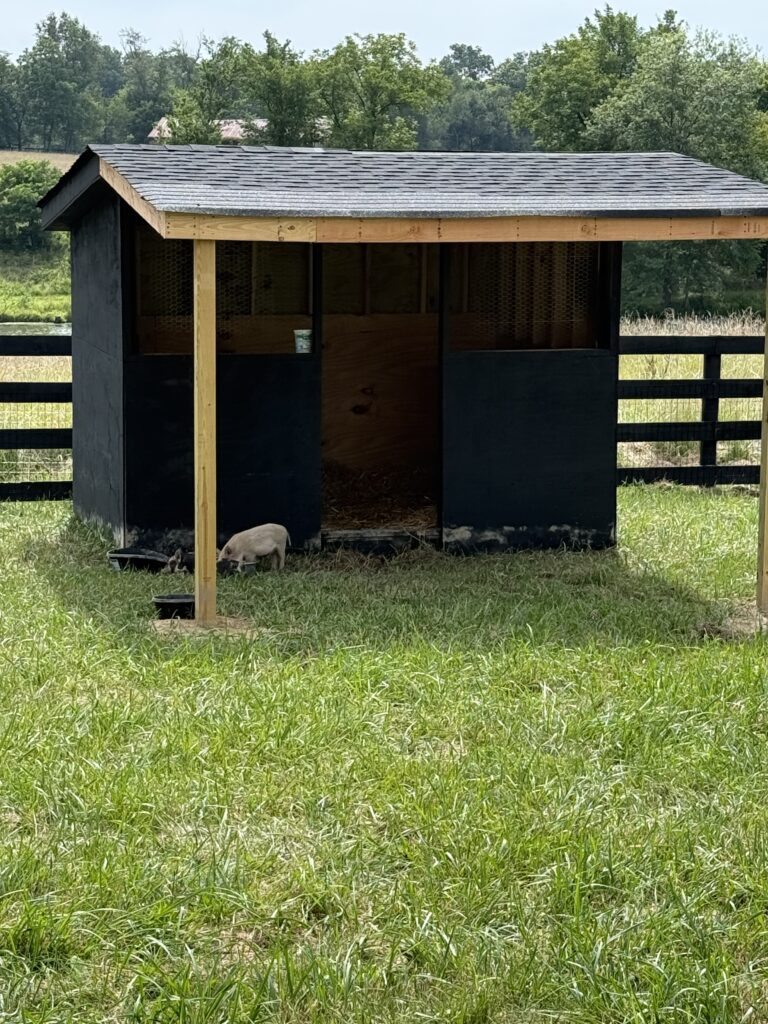
It showed up in the animals that call the estate home.
The vintage cars carefully maintained in the barn.
The small groups welcomed for Bottle Your Own experiences.
The opportunity for some barrel-picking groups to stay in the historic manor house.
None of those things are essential to making great whiskey. They are essential to creating memorable experiences around it.
“Make Good Whiskey. Be Good to People.”
Toward the end of our conversation, I asked Jay a question I enjoy asking people in the industry.
If money, logistics, and legal limitations disappeared tomorrow, what would your ideal future for Provenance look like?
His answer was remarkably simple.
“Make good whiskey. Be good to people. Have a good time.”
Of course, he’d love to see Provenance continue growing. He hopes the brand eventually reaches more people across the country and perhaps beyond.
But scale wasn’t the first thing that came to mind.
People were.
That perspective also came through when we talked about his own journey. Jay remembered experienced people taking time to encourage him when he was first entering the whiskey world. He made a promise to himself that he would do the same whenever someone reached out wanting to learn.
As someone still building relationships throughout this industry, I appreciated that generosity more than he probably realized.
Knowledge is valuable.
Sharing it is even more so.
Final Thoughts
I arrived at Provenance expecting to learn about barrel selection. I certainly did.
I learned about slow proofing, secondary maturation, warehouse airflow, barrel movement between brands, and why patience often produces better whiskey than rigid timelines.
But those weren’t the biggest lessons I brought home.
I left with a new appreciation for the word provenance itself.
A whiskey’s story certainly begins at a distillery. It continues through warehouses, barrels, and years of maturation.
For bottles like these, it also includes the person making decisions every step of the way—choosing which barrels deserve another season, which need a different finish, which belong under the Provenance label, and which are better suited for Reveries.
That’s a different kind of provenance.
Not simply a record of where the whiskey came from. A record of who helped it become what it is.
If you’re fortunate enough to visit Provenance, you’ll certainly taste some outstanding whiskey.
More importantly, you’ll leave with a better understanding of the people, patience, and philosophy that shaped it long before the cork was ever pulled.
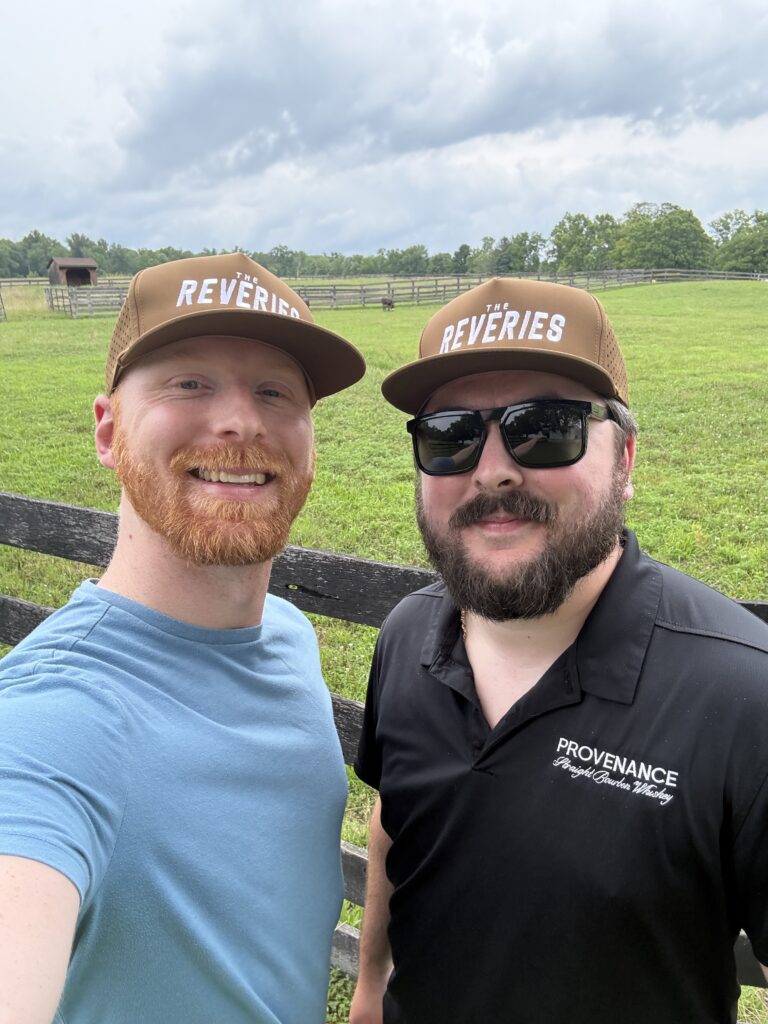
If you enjoyed this piece, check out Jay’s upcoming local festival on the Provenance/Reveries grounds, “The Eleventh Hour”. Limited tickets may be available here.
Related Distillery Visits
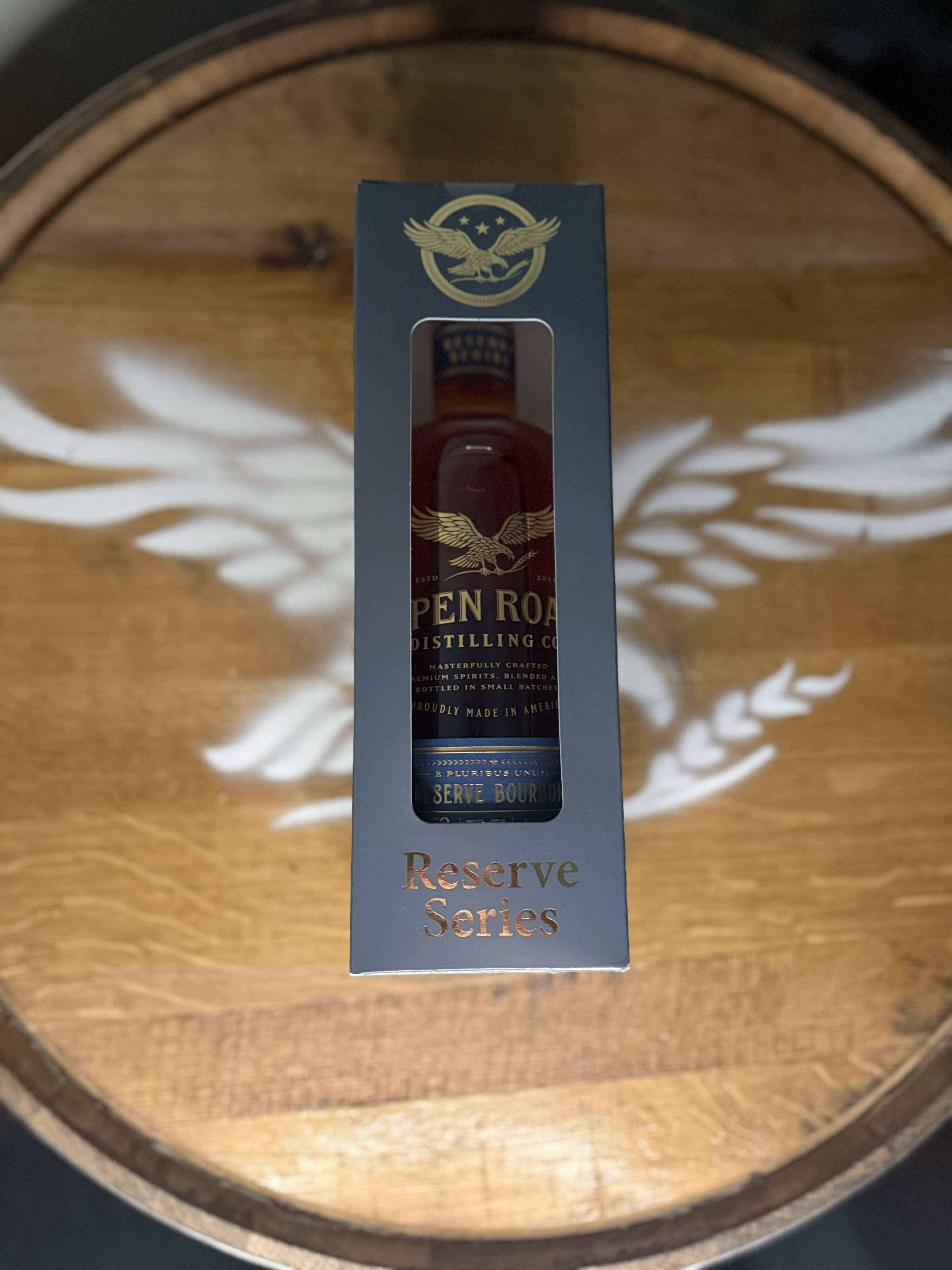
From the distillery and dining experience to the home glass — the quality sourced and blended whiskies of Open Road Open Road Distilling Co.
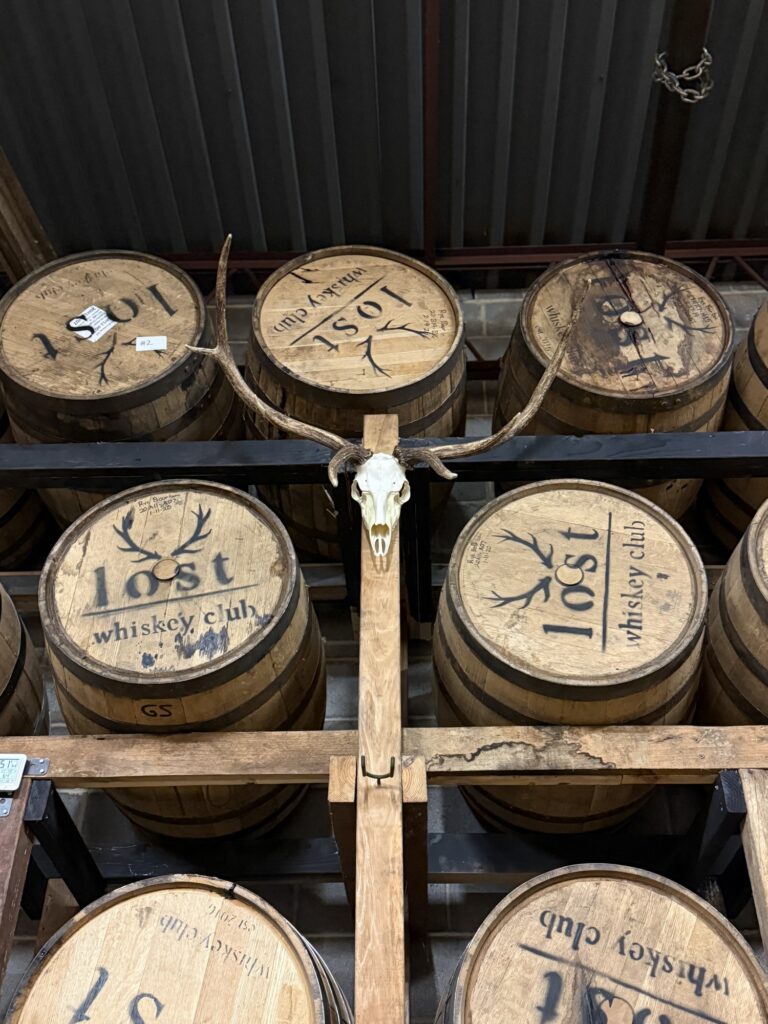
A visit to Lost Whiskey Club in Virginia — exploring their sourced whiskey program, evolving maturation approach, and a philosophy rooted in community, storytelling, and shared pours.
Explore the farm-to-glass operation in the Agricultural Reserve, reviews of their bourbon and an exclusive rye blending experience with head distiller Kristian Naslund
A behind-the-scenes look at Litchfield Distillery in Connecticut, including production insights, tasting notes, local sourcing, and the quietly growing stock of well-aged whiskey resting in their rickhouses.
Pingback: New IWSR Data Debunks the "Gen Z Doesn't Drink" Narrative—But There's a Catch Review | Bourbon Bishop