
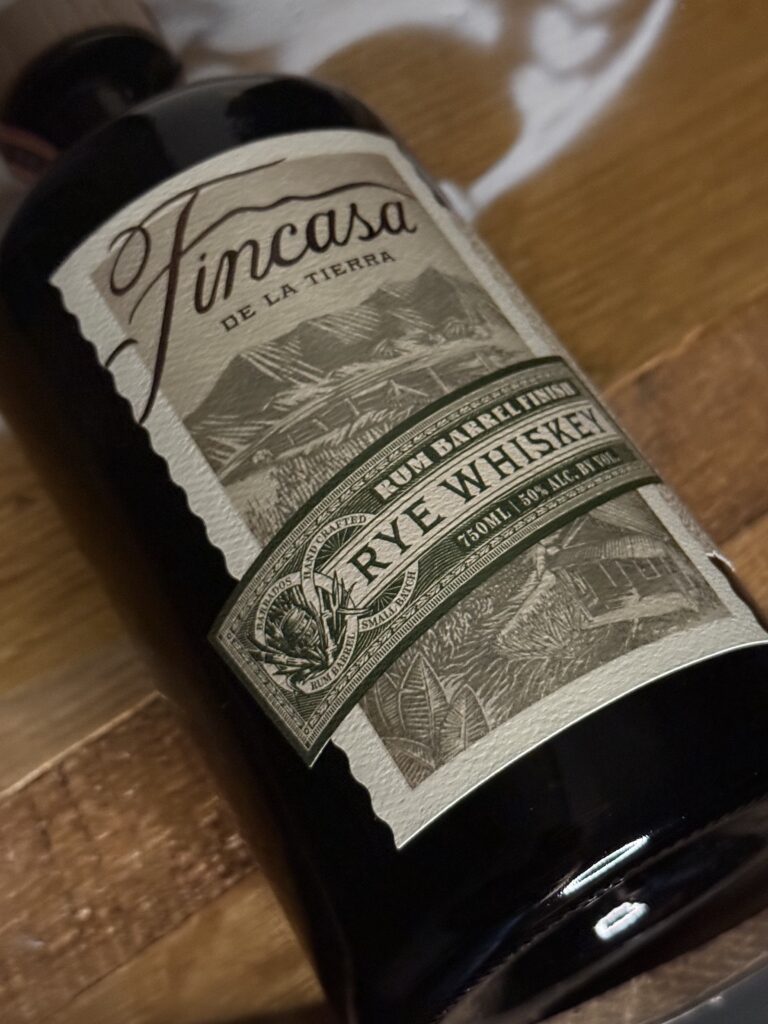
Rooted in Heritage. Finished with Purpose.
A Puerto Rican-inspired whiskey brand bridging rye whiskey and Caribbean rum influence, Fincasa builds every release around heritage, storytelling, and the connection between culture and craft.
About Fincasa
Origins
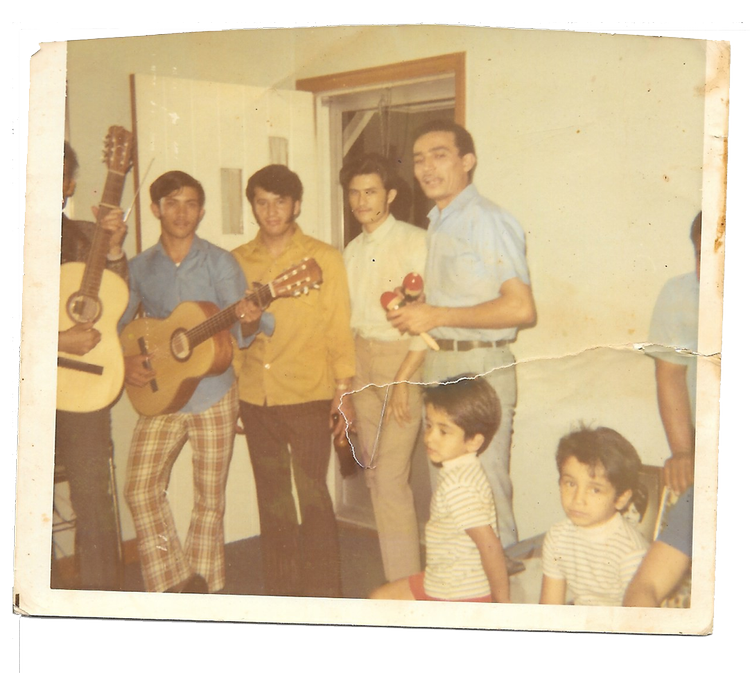
Fincasa was founded by Michael Antonio Martinez after a simple realization: there were very few whiskey brands meaningfully connected to Latino heritage and Caribbean identity. What began as a growing interest in whiskey quickly evolved into a deeper rediscovery of family history, ancestry, and Puerto Rican roots.
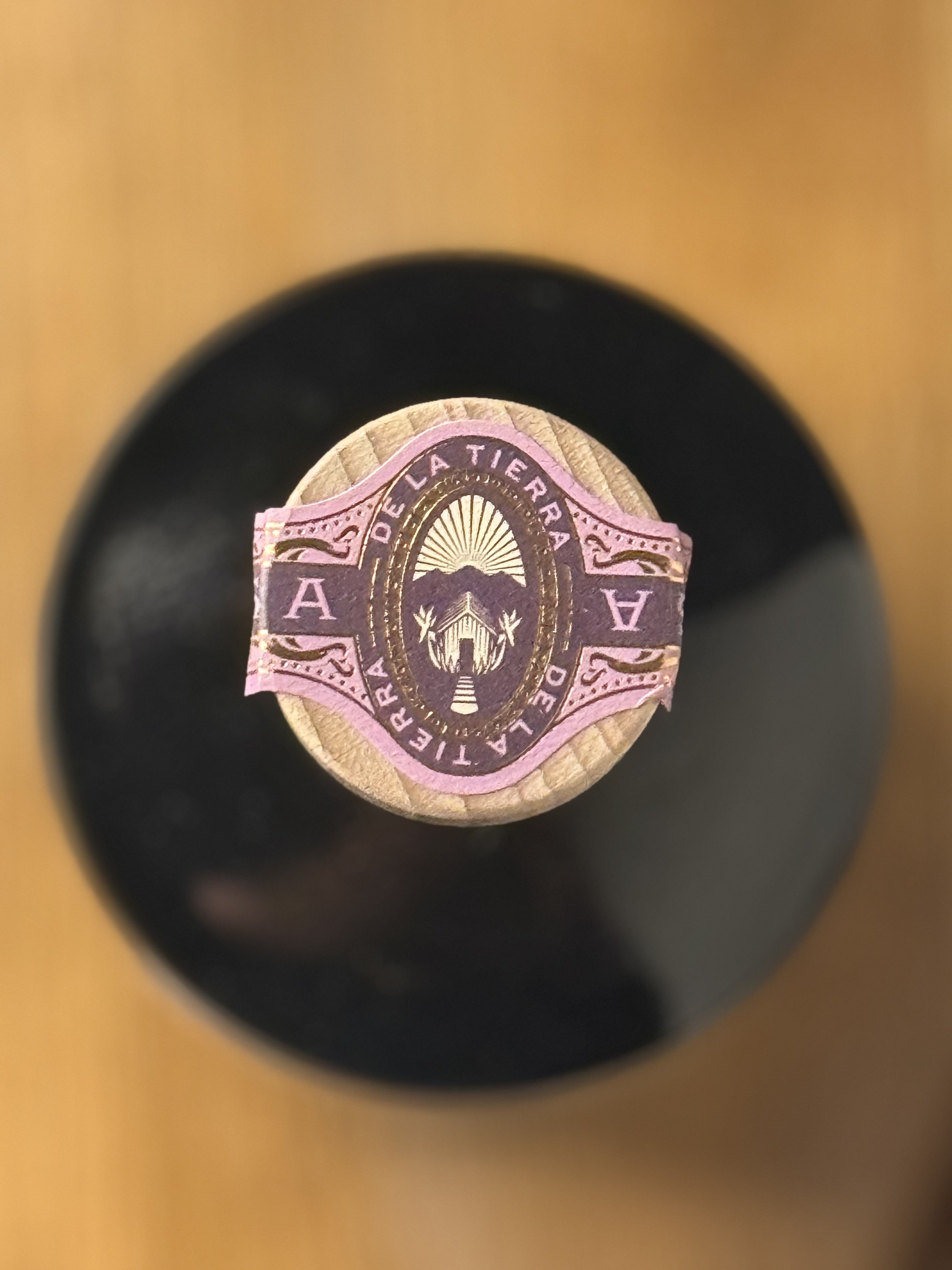
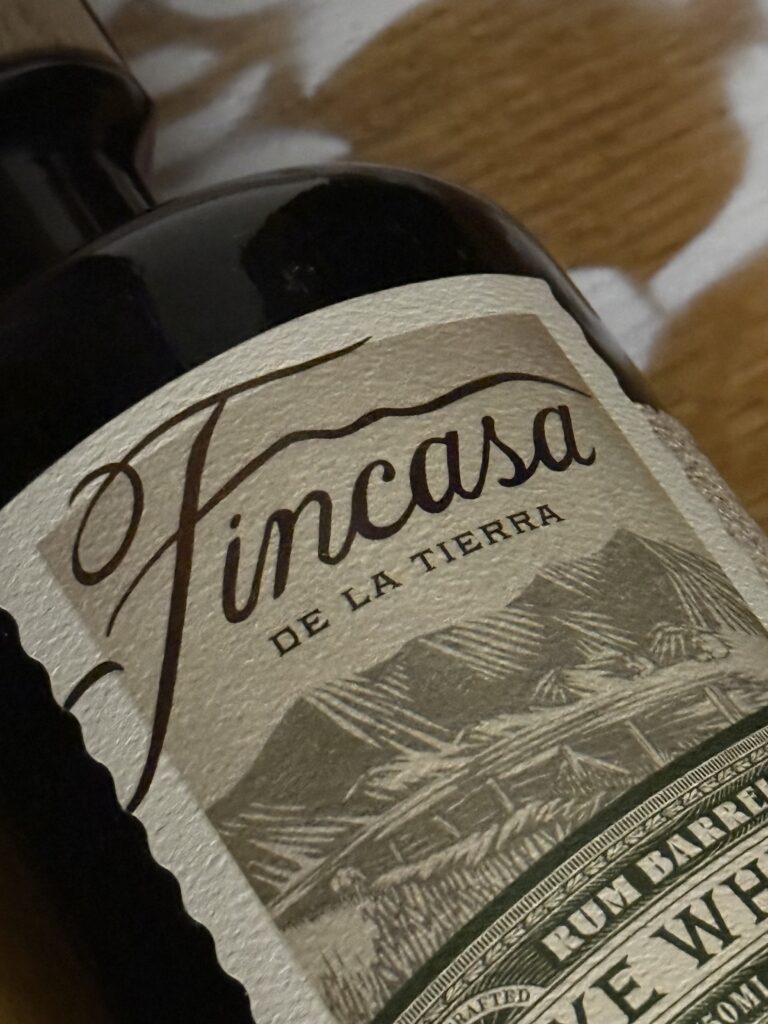
That journey shaped the foundation of the brand. Drawing from generations of family history tied to regions like Patillas, Guayama, and Yabucoa, Fincasa centers its identity around heritage, resilience, and connection to the land — reflected directly in the brand’s “de la tierra” symbolism and visual design.
Philosophy & Process
At its core, Fincasa focuses on finishing whiskey through a Caribbean lens. Their releases pair sourced American whiskey, primarily MGP rye, with rum barrel finishing inspired by the flavors and traditions tied to Puerto Rico and the broader Caribbean.
Rather than masking the whiskey beneath heavy finishing, Fincasa generally allows the rye character to remain present, layering molasses sweetness, tropical fruit, baking spice, and darker sugar notes over the foundation of the base spirit. The result is often more nuanced than overtly dessert-driven, emphasizing balance between rye spice and rum influence.
Transparency is also part of the appeal. Fincasa openly discloses sourcing, proof, and finishing details while leaning into small-batch releases that highlight how different ages, finishes, and barrel profiles shape each batch individually.
Purpose
More than anything, Fincasa feels rooted in storytelling.
The brand isn’t simply using rum barrels as a finishing gimmick. It’s using whiskey as a way to reconnect with ancestry, preserve family history, and create something personally meaningful. From the rustic labels to the vintage-inspired back designs and “de la tierra” imagery, every release feels intentionally tied back to heritage rather than marketing trends.
That sense of identity gives Fincasa a perspective that stands apart in the increasingly crowded finished whiskey space.


Featured Review
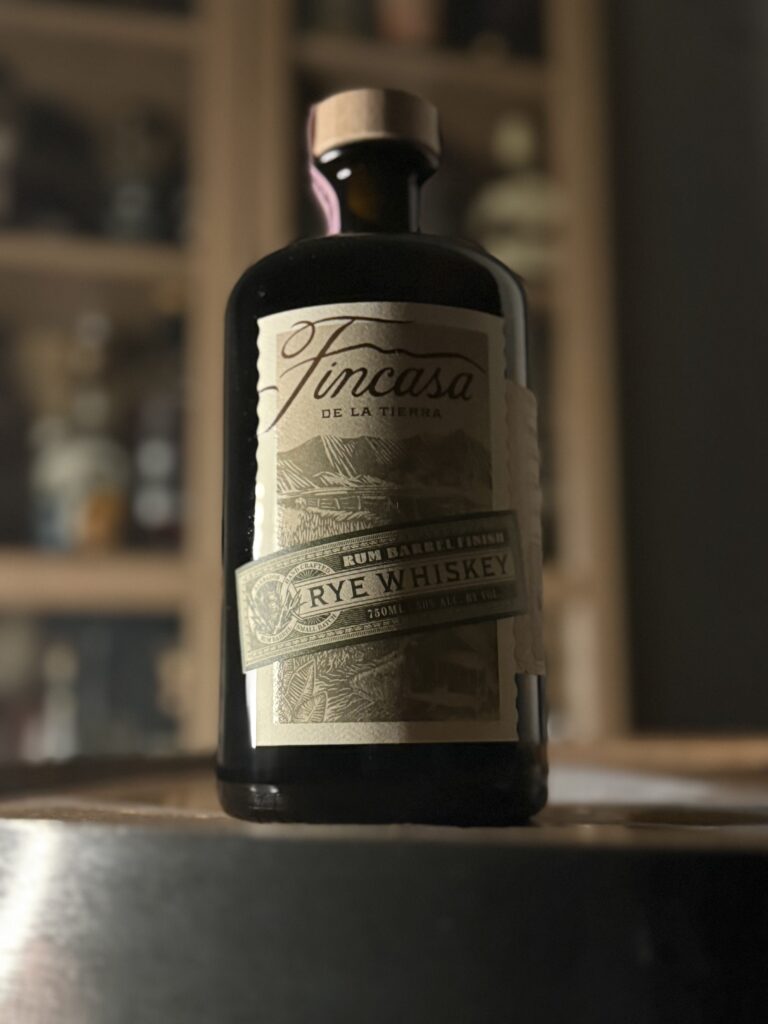
Fincasa Rum Barbados Finished Rye – Batch 4
A brighter, younger, and more rye-forward follow-up to the standout Batch 3, balancing candied sweetness, baking spice, and Caribbean rum influence against a noticeably leaner profile.
More from Fincasa
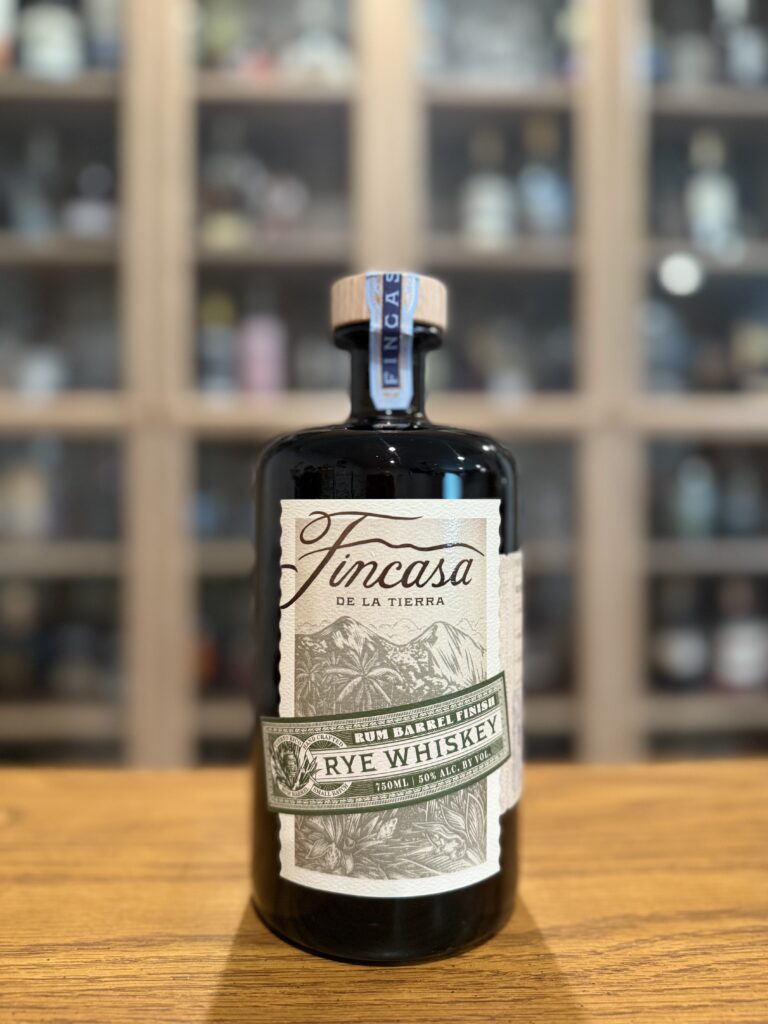
Fincasa Rum Finished Rye – Batch 3
“Darker, richer, and more complete.”
The batch that fully realized the concept. Longer finishing, older whiskey, and a heavier mouthfeel brought deeper molasses, darker fruit, and a finish that lingered well beyond the sip.
Whiskey Song Series Feature
Stop Chasing This — Is Rye the best whiskey to finish?
Using Fincasa Batch 3 as the perfect example of why rye is the perfect whiskey to be finished, especially in sweeter base spirit casks like rum along with the paired song, “En Mi Viejo San Juan”.
“Our family history and heritage are the roots that anchor us to our past, guide us in the present, and inspire us for the future.“
— Fincasa Whiskey
Why Fincasa Stands Out
Fincasa operates in a category that’s become increasingly crowded: sourced whiskey finished in secondary barrels. What separates the brand is less about novelty and more about intentionality.
The Caribbean influence feels authentic rather than cosmetic. The storytelling is grounded in real family history. And the batches themselves are willing to show variation rather than forcing uniformity.
That combination gives the brand a level of personality many finished whiskey projects struggle to achieve.
Final Word
Fincasa may not be reinventing finished whiskey, but it doesn’t need to.
What makes the brand compelling is how clearly connected everything feels — the rum finishing, the presentation, the family history, and the cultural influence all point in the same direction. Even when certain batches land stronger than others, the identity remains consistent.
And in today’s whiskey landscape, that matters.